Most artists dream of making music on their own terms. But few actually build a company to make that dream real. Alli Starr didn’t wait for a label to give her permission. She didn’t wait for someone else to understand her vision. She started her own company-creative direction-because she realized no one else would do it right.
She Didn’t Trust Anyone Else to Tell Her Story
Before Alli Starr launched her company, she spent two years signed to a major label. She released one album. It had a polished sound, glossy photos, and a marketing plan designed by people who’d never listened to her demo tapes. The label changed her album title. They edited her lyrics. They picked the single. They chose the music video director. She didn’t get a vote.
When the album sold 12,000 copies-solid for an indie act but not enough for their ROI-they dropped her. No warning. No explanation. Just an email that said, "We’re shifting focus."
That’s when she stopped asking for permission.
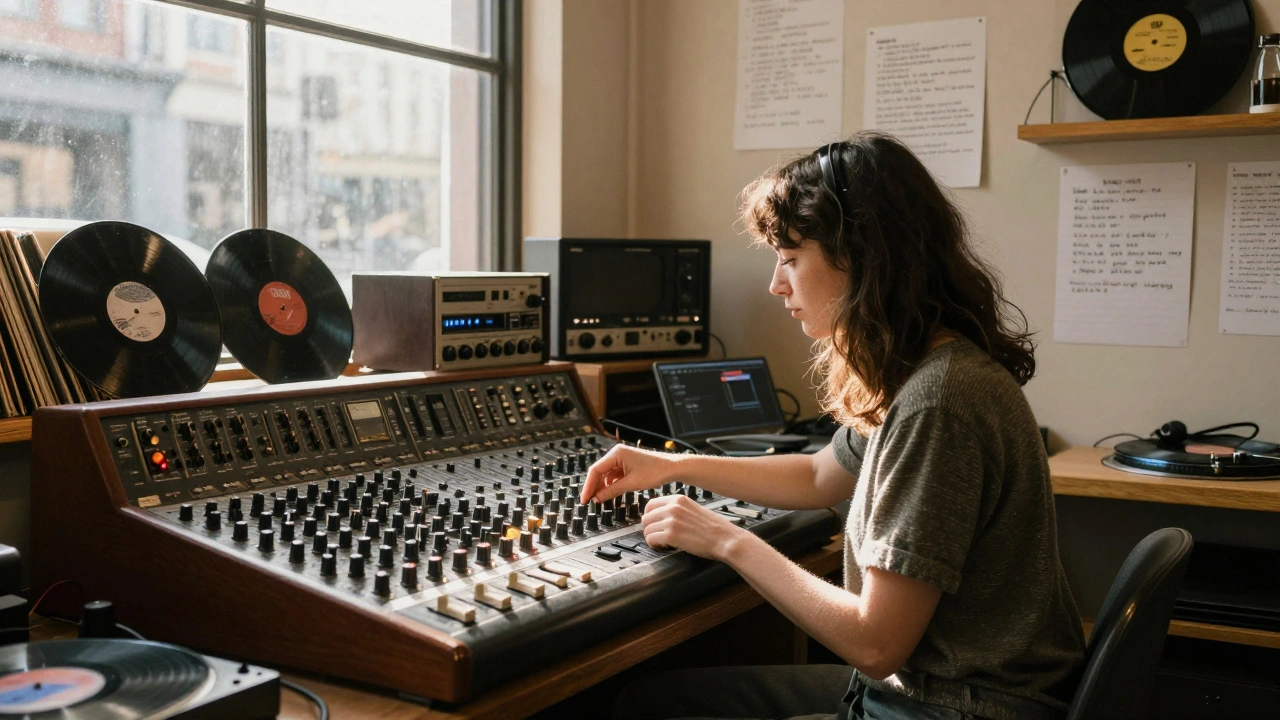
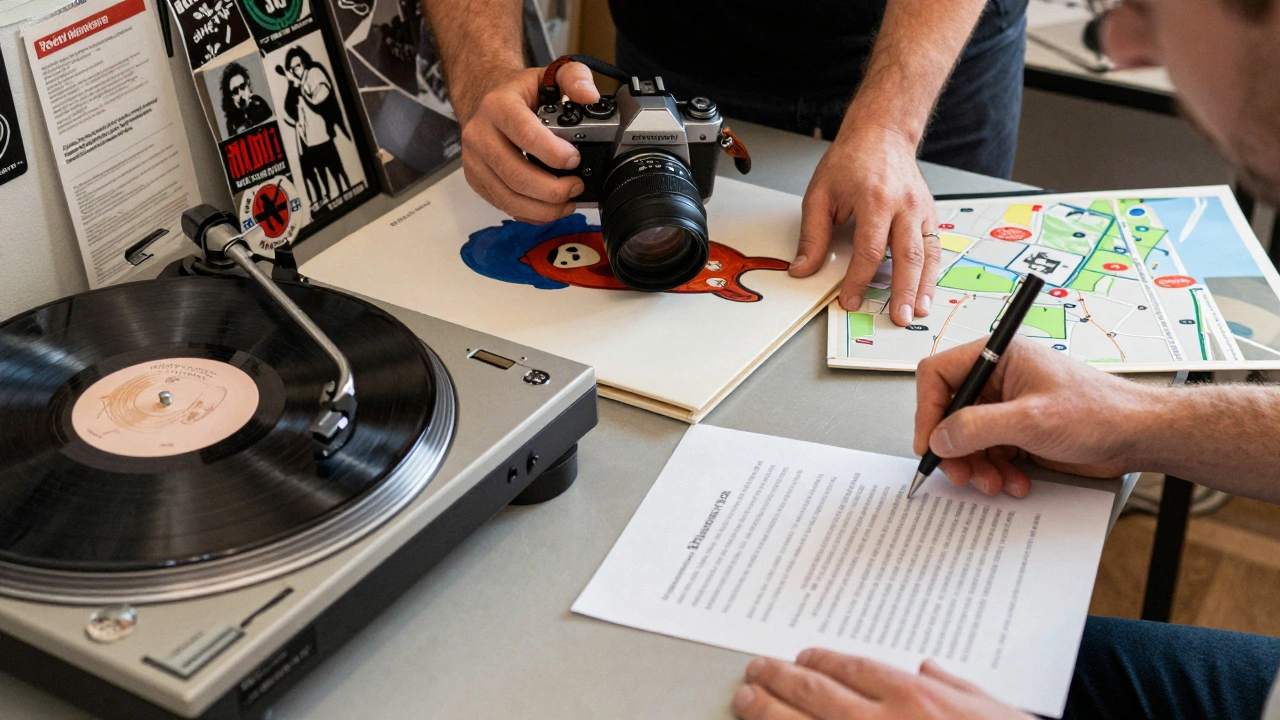
She moved to Portland, rented a small studio above a coffee shop, and started building something no label could replicate: a team that answered only to her artistic vision. She hired a producer who’d worked with underground hip-hop acts. She brought on a photographer who shot punk shows in basements. She found a graphic designer who’d designed vinyl for five indie bands in one year. They didn’t have big names. But they got her.
Creative Direction Isn’t Just a Brand-It’s a System
Alli didn’t just name her company "Creative Direction." She built it like a machine designed for one purpose: to protect her art from compromise.
Here’s how it works:
- Every project starts with a 30-minute creative brief she writes herself-no templates, no corporate jargon.
- She owns 100% of the masters. No licensing deals. No co-publishing.
- She hires freelancers on a per-project basis, not as employees. That means no overhead, no bureaucracy.
- She releases music on her own terms: one EP every 6 months, no singles, no TikTok trends.
- She controls all visuals-no agency, no stock photos, no forced color palettes.
She doesn’t have a website with a "Press" page. She has a Substack. She doesn’t have a PR firm. She has 17 journalists who follow her because they trust her voice. She doesn’t have a social media manager. She posts when she feels like it-and sometimes not for weeks.
The Numbers Don’t Lie
Three years after launching, her company is profitable. Not because she’s viral. But because she’s consistent.
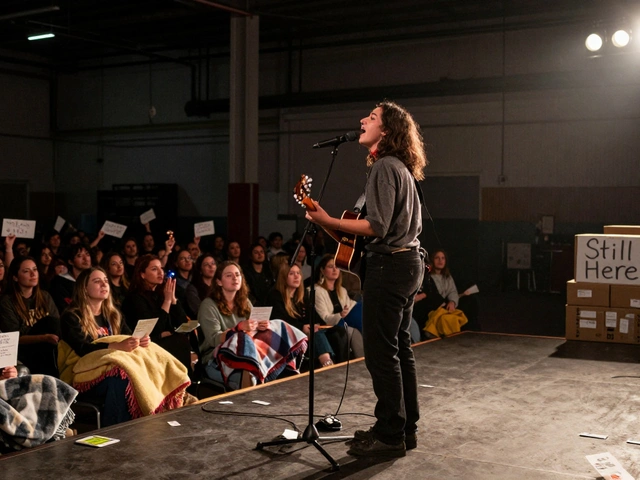
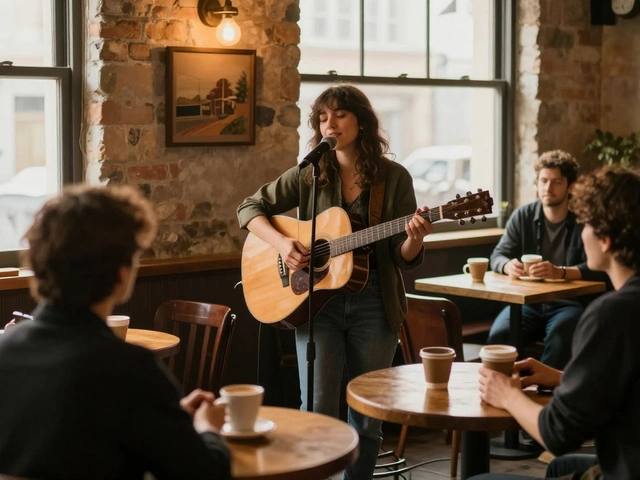
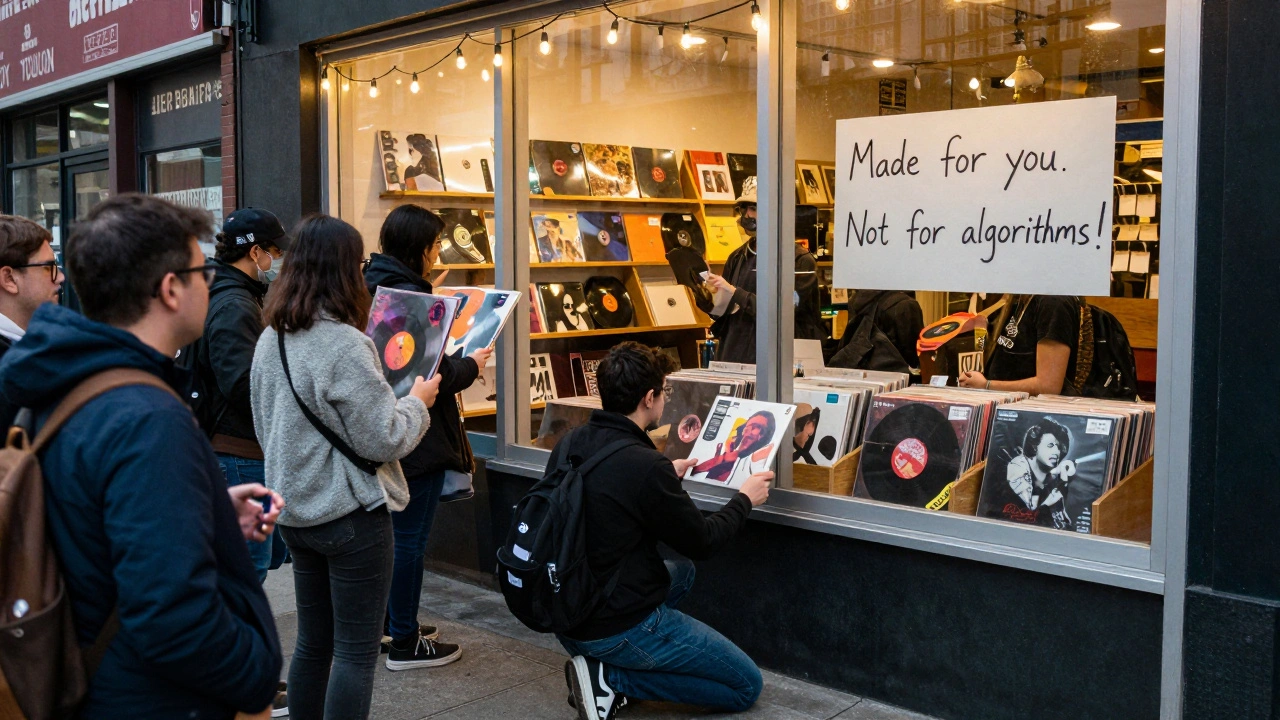
Her last EP sold 28,000 physical copies. 19,000 of them were vinyl. She sold 11,000 digital copies. Her streaming numbers? Barely 2 million monthly listeners. But she doesn’t care. She’s not chasing algorithms. She’s building a fanbase that collects her records, attends her live shows in small venues, and shows up at her pop-up record stores in Portland, Seattle, and Austin.
She pays her team $40-$70 an hour. No equity. No royalties. Just fair pay for work they believe in. She reinvests 60% of profits into the next release. The rest? She saves it. No loans. No investors. No pressure.
Her net worth? Not public. But she owns her studio. Her gear. Her masters. And she sleeps at night.
Why This Matters for Other Artists
Most artists think they need a label because they need money, exposure, or distribution. Alli proves that’s a myth.
Today, you can distribute music through DistroKid or TuneCore for $20 a year. You can shoot a video with an iPhone and edit it in CapCut. You can build an audience on Instagram Reels or TikTok without selling your soul. You can sell merch through Printful and ship it yourself.
But what you can’t buy with money is creative control. Labels don’t just take a cut of your revenue. They take a piece of your identity. They shape your sound to fit trends. They change your name to make it "more marketable." They schedule your releases around their quarterly reports.
Alli’s company isn’t about being rich. It’s about being free.
The Hidden Cost of Selling Out
I talked to five artists who signed to labels in the last five years. Three of them quit music. One is making a living but hates her work. One still believes she made the right choice.
They all said the same thing: "I thought I’d have more support. But I just had more people telling me what to do."
Alli’s story isn’t unique. But it’s rare. Because most artists don’t have the courage to walk away from the system. Or they don’t know how.
She didn’t have a business degree. She didn’t know how to file taxes. She didn’t have investors. She just had a clear idea: "I want to make music the way I hear it. And I want to own every step of it."
So she built it.
What You Can Steal From Her Model
You don’t need to start a company like hers. But you can borrow her mindset.
- Own your masters. Always. No exceptions.
- Build a small team of people who love your art-not your potential.
- Release on your schedule. Not the industry’s.
- Let your fans decide what matters. Don’t let algorithms do it for you.
- Don’t chase numbers. Chase loyalty.
She doesn’t have 10 million followers. But she has 28,000 people who bought her record because they felt seen. That’s worth more than a platinum plaque.
It’s Not About Being Famous. It’s About Being True.
Alli Starr doesn’t want to be the next big thing. She wants to be the last person standing who still makes music the way she always heard it.
And that’s why she built a company-not to grow, not to scale, not to get acquired.
She built it to say: "This is me. And I’m not changing."
Can an artist really make a living without a label?
Yes-and more artists are doing it now than ever before. Platforms like Bandcamp, DistroKid, and Patreon let artists keep 85-95% of revenue. Alli Starr makes enough to pay her team, cover studio costs, and save for future projects. She doesn’t need a label because she doesn’t need their distribution, marketing, or cash advances. She just needs her fans, her creativity, and a clear plan.
What’s the biggest mistake artists make when trying to be independent?
Trying to do everything themselves. Independence doesn’t mean isolation. Alli Starr hires freelancers for every part of her process-production, photography, design, shipping. The difference? She chooses them. She pays them fairly. And she lets them create without interference. The mistake isn’t hiring help. It’s letting outside forces dictate your vision.
Do you need a lot of money to start your own music company?
No. Alli started with $3,000 saved from touring. She bought a used mixing console, rented studio time by the hour, and paid her photographer in trade. She didn’t take loans. She didn’t crowdfund. She just started small and reinvested every dollar. You don’t need capital-you need clarity. Know what you want to create, and build around that.
How does Alli Starr handle distribution without a label?
She uses DistroKid for digital distribution and partners with small vinyl pressing plants that work directly with indie artists. She handles physical sales through her own website and pop-up events. She doesn’t rely on Spotify playlists or label promotion. Instead, she builds relationships with independent record stores, music blogs, and radio DJs who value authentic art. Her distribution is slow, but it’s sustainable.
Is this model scalable?
Not in the traditional sense. Alli doesn’t want to scale. She wants to stay small so she can stay true. But the model can be copied. Any artist can adopt her core principles: own your masters, hire trusted collaborators, release on your schedule, and build direct relationships with fans. You don’t need to grow big-you need to grow deep.
There’s no secret formula. No magic app. No influencer who can teach you how to "make it." Alli Starr’s story is simple: she decided what mattered most-and then built a life around it. That’s the only playbook you need.