
Most tour managers worry about load-in times, rider requests, and whether the merch table has enough small-size tees. Alli Starr worries about something else entirely: how a three-hour drive through rural Georgia affects the mental health of her bandmates, or what happens to local venue staff when a show gets canceled due to sudden weather shifts. Her approach to global touring isn't just about hitting numbers; it's a deliberate experiment in keeping human connection alive while moving tons of equipment across borders.
You might think "humanitarian touring" sounds like a buzzword for artists who want to look good on social media. But Starr’s model is operational. It changes how contracts are written, how routes are planned, and how money moves. If you’re an independent artist or a small crew member trying to survive the road without burning out by year two, looking at how Starr structures her tours offers a practical blueprint for sustainability.
The Core Philosophy: People Over Profit Margins
Traditional touring models treat musicians as inventory. You book the cheapest van, skip meals to save cash, and hope the promoter pays on time. Starr flips this script. Her ethos centers on the idea that a tour fails if the people involved break down, regardless of ticket sales. This means budgeting for rest days not as "lost revenue," but as essential maintenance for the team.
Consider the logistics. A standard tour route might pack five shows into six days. Starr’s itineraries often stretch this timeline. Why? Because rushing leads to mistakes, and mistakes lead to stress. Stress leads to conflict. Conflict kills bands. By building slack into the schedule, she allows space for unexpected crises-like a blown tire in Nevada or a sudden family emergency back home-to be handled without derailing the entire trip.
This philosophy extends to how she interacts with local communities. Instead of treating each city as just another line item on a spreadsheet, her team researches local cultural organizations before booking. They ask: Who needs support here? How can our presence benefit the neighborhood, not just extract value from it?
Redefining the Artist-Crew Relationship
In most mid-level tours, there’s a clear hierarchy. The artist is the boss; the crew works for them. Often, the crew eats last, sleeps worst, and gets paid least. Starr dismantles this hierarchy. On her tours, everyone from the sound engineer to the driver shares the same meal budget. Everyone gets access to the same quality of lodging, within reason, based on availability rather than status.
Why does this matter? Because morale drives performance. When your sound tech feels respected, they stay late to fix a feedback loop instead of clocking out. When your driver knows their hours are tracked fairly, they don’t cut corners on safety checks. This isn’t charity; it’s risk management. High turnover rates in touring crews cost thousands in recruitment and training. Retention saves money.
| Aspect | Traditional Model | Starr’s Humanitarian Model |
|---|---|---|
| Budget Priority | Maximize profit per show | Sustain team well-being & long-term viability |
| Crew Treatment | Hierarchical; crew secondary to artist | Egalitarian; shared resources and respect |
| Route Planning | Dense; minimum travel time | Spaced; includes rest & community engagement |
| Local Interaction | Transactional (promoter/venue) | Relational (community partners/local orgs) |
| Crisis Response | Absorb cost; push through | Adapt schedule; prioritize safety/mental health |
Integrating Community Engagement into Routing
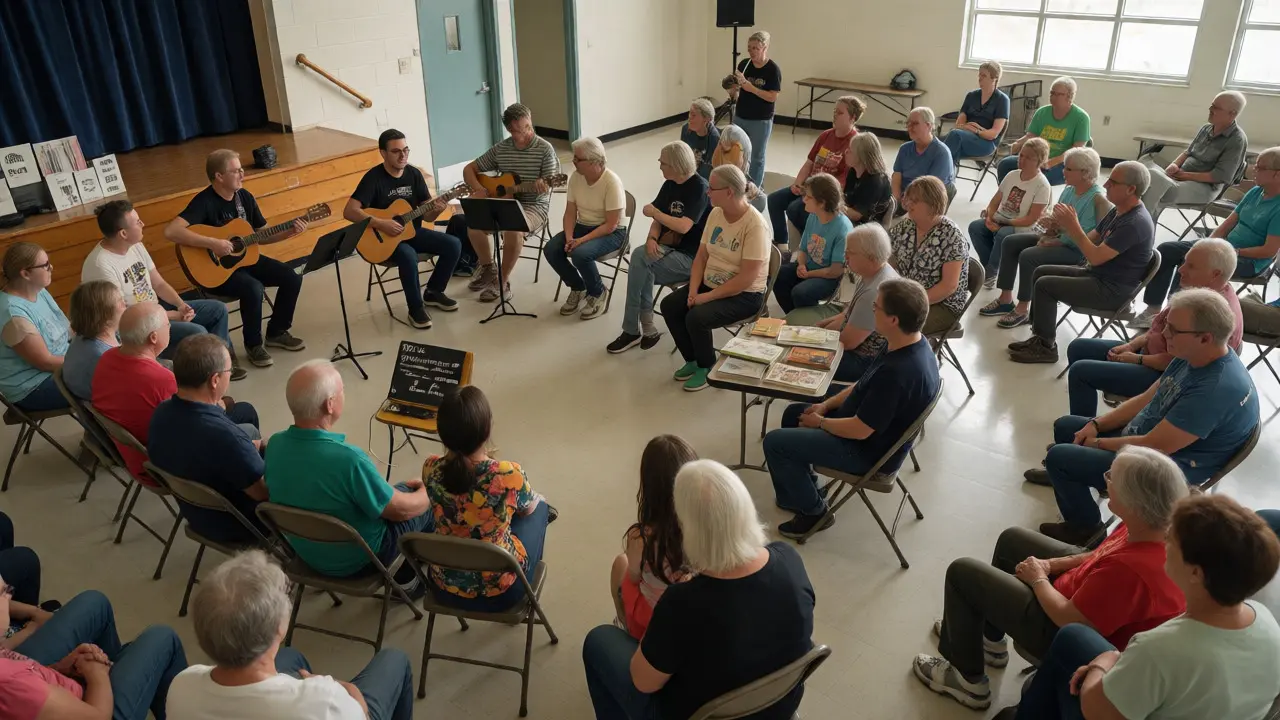
Here’s where the "concert" part meets the "crisis" part. Starr doesn’t just play venues; she plays contexts. Before arriving in a new city, her team identifies a local issue-maybe it’s food insecurity, maybe it’s lack of arts funding in schools. They then partner with a relevant organization. A portion of merchandise proceeds goes directly to that group. Sometimes, the band performs a free mini-set at a community center before the main club show.
This strategy solves two problems. First, it builds genuine goodwill. Fans feel connected to the cause, not just the celebrity. Second, it creates unique marketing content. Photos of the band working with a local food bank resonate more deeply than yet another backstage selfie. It turns a passive audience into active participants in the tour’s narrative.
For example, during a recent leg through the Midwest, the team partnered with a youth mentorship program in Detroit. Instead of a standard meet-and-greet, fans could donate books to the program in exchange for early entry. The result? Higher attendance, stronger local press coverage, and a tangible impact that lasted after the bus left town.
Navigating Crises Without Burning Out
Touring is inherently unstable. Flights get canceled. Venues close unexpectedly. Illness spreads through tight quarters. In a traditional model, these crises trigger panic and blame. In Starr’s framework, they trigger protocol. Her team uses a pre-agreed "crisis matrix" that outlines decision-making authority for common disruptions.
- Weather Disruptions: If roads are unsafe, the show is postponed, not forced. Costs are split between promoter and artist, not dumped solely on the crew.
- Mental Health Breaks: Any team member can call a "code yellow" for a mandatory half-day off, no questions asked.
- Financial Shocks: A reserve fund, built from 5% of gross merch sales, covers emergency repairs or medical bills, preventing personal debt.
This structure removes the emotional weight from logistical decisions. No one has to argue about whether to take a day off. The rule is already set. This clarity reduces anxiety, which is the silent killer of long-term touring careers.
The Economic Reality: Can It Pay Off?
Skeptics will ask: Does this actually make financial sense? Or is it just expensive idealism? The answer lies in the long game. Yes, upfront costs are higher. Better hotels, fair wages, and community donations eat into margins. However, indirect savings are significant.
First, retention. Hiring and training a new bassist or tour manager costs time and money. Keeping the same team for multiple cycles improves efficiency and chemistry. Second, brand loyalty. Artists known for ethical practices attract sponsors and partnerships that align with those values. Third, fan retention. Audiences increasingly prefer artists who reflect their own social values. This translates to repeat ticket buyers and higher merch conversion rates.
Starr’s data suggests that while net profit per show might be slightly lower, total annual earnings have stabilized because she tours fewer, higher-quality cycles rather than grinding through burnout-induced gaps in activity. She trades short-term spikes for long-term consistency.
Practical Steps for Independent Artists
You don’t need a major label budget to adopt elements of this ethos. Start small. Audit your current routing. Are you driving 14 hours between two $200 shows? That’s unsustainable. Cut the show. Add a rest day. Use that day to connect with a local nonprofit. Donate $50 from merch. Post about it. See how fans react.
Next, review your crew agreements. Are you paying flat fees or hourly? Flat fees punish long nights. Hourly rewards effort. Try shifting to a hybrid model. Finally, build a crisis fund. Even $100 saved per show adds up. It gives you the power to say "no" to bad deals and "yes" to necessary breaks.
The goal isn’t perfection. It’s intentionality. Every decision should answer one question: Does this help us keep going next year?
What exactly is "humanitarian touring"?
Humanitarian touring is a model that prioritizes the well-being of the artist, crew, and local communities over maximizing short-term profits. It involves equitable pay, sustainable routing, mental health support, and active partnership with local organizations during stops.
Is this type of touring only for famous artists?
No. While larger budgets allow for more extensive initiatives, independent artists can implement core principles like fair crew pay, realistic routing, and small community donations immediately. It scales with your resources.
How does this affect ticket prices?
Ticket prices may remain similar, but the allocation of funds changes. More revenue goes toward crew wages and community causes, potentially reducing immediate net profit for the artist but increasing long-term sustainability and fan loyalty.
What are the biggest risks of this model?
The primary risk is cash flow strain. Higher fixed costs mean less buffer for unexpected expenses. Successful implementation requires strict budgeting and a dedicated emergency fund to handle crises without derailing the tour.
How do I find local partners for my tour?
Research local nonprofits aligned with your music’s themes or the venue’s location. Contact them weeks in advance. Many smaller organizations welcome visibility and small donations. Social media groups for locals in each city can also provide recommendations.