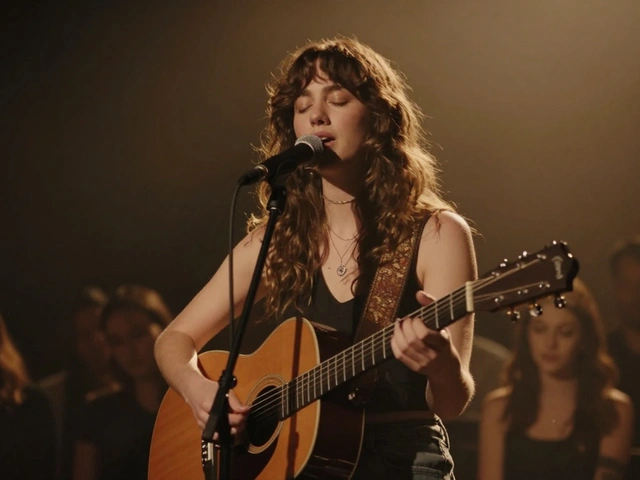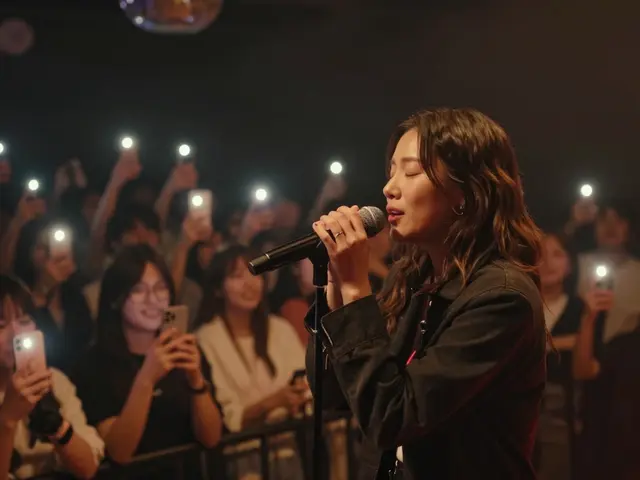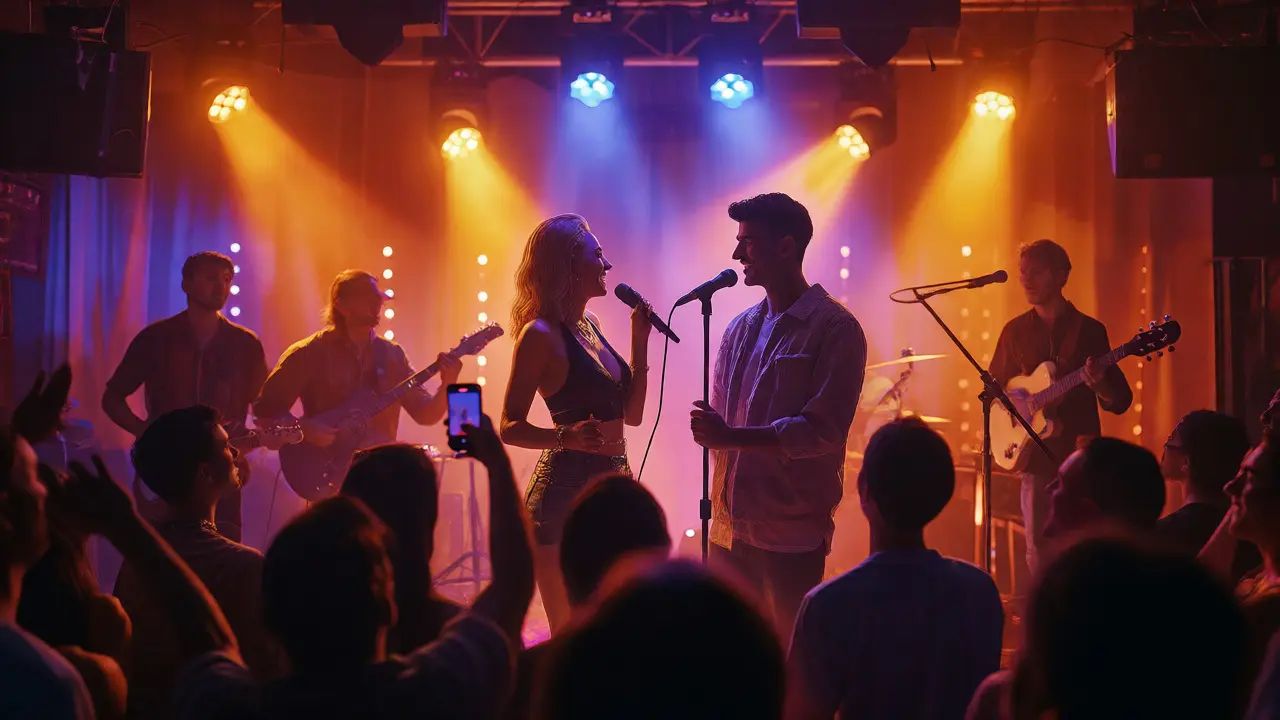
You’ve probably seen the clips. Someone steps up to a mic, the house lights dim, and suddenly a stranger is belting out Adele or Drake with the confidence of a headliner at Madison Square Garden. That’s Live Band Karaoke, a performance format where amateur singers perform alongside professional musicians in front of an audience. It’s messy, it’s loud, and right now, it’s one of the most viral entertainment trends on TikTok.
Alli Starr, an emerging artist known for blending R&B vocals with high-energy pop sensibilities, sits at a unique intersection. She has the vocal chops to command a stage and the social media savvy to understand what makes people watch. But how does she go from viral moments to selling out theaters across the country? The answer isn’t just about releasing more singles. It’s about turning that raw, unpolished energy of karaoke into a branded, repeatable touring experience.
The Viral Power of Imperfection
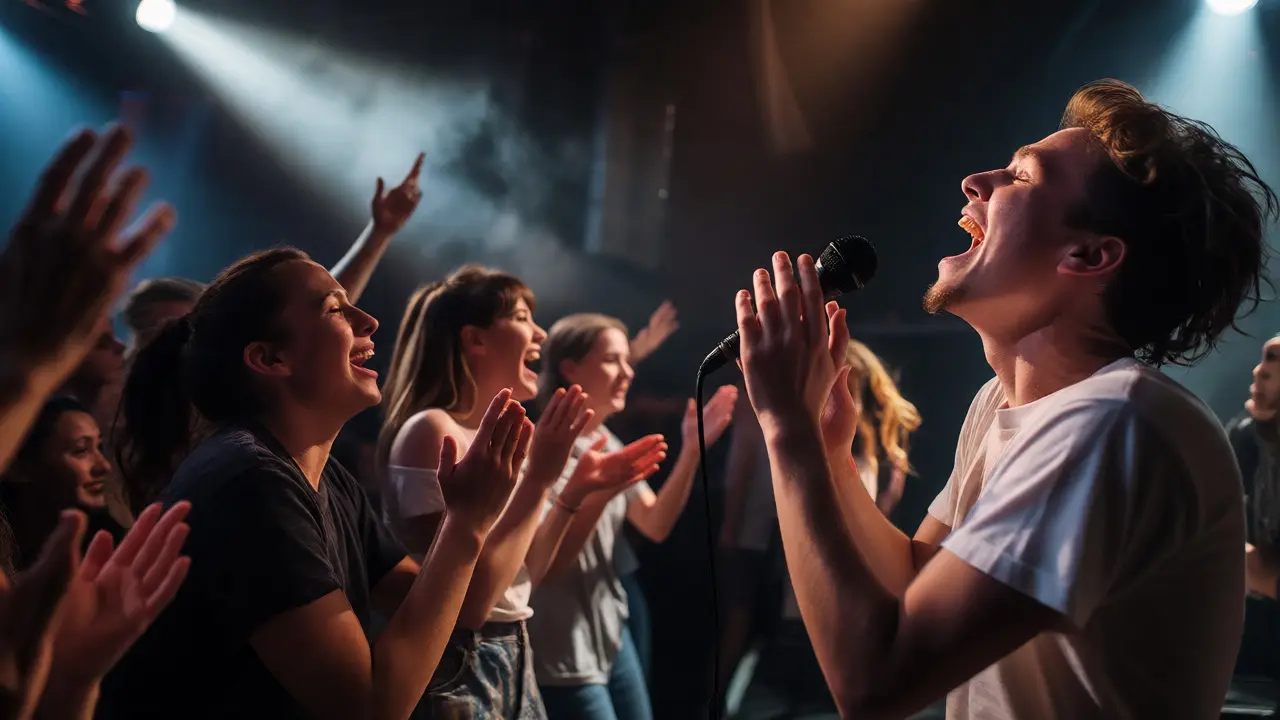
Why does this work? Because perfection is boring. In an era of auto-tuned pop stars and heavily edited Instagram lives, audiences are craving authenticity. When you watch a live band karaoke session, you’re not just hearing a song; you’re witnessing a human moment. You see the nerves, the laughter, and the sheer joy of participation.
For Alli Starr, leveraging this means shifting her brand narrative. Instead of presenting herself as an untouchable idol, she positions herself as the ultimate hype-woman and curator. Imagine her hosting a night where she doesn’t just sing her hits but facilitates the chaos. She becomes the bridge between the polished studio version of a track and the raw, emotional reality of someone singing their heart out in a dive bar.
This approach taps into the Fan Engagement Economy, a market segment where consumer value is derived from active participation rather than passive consumption. People don’t just want to listen to Alli Starr; they want to feel like they’re part of her world. By democratizing the stage, even if just for ten minutes, she creates a bond that no radio play can replicate.
Designing the "Starr Sessions" Tour Concept
To make this scalable, Alli needs a product. Let’s call it the "Starr Sessions." This isn’t just a concert; it’s a structured event with three distinct acts, designed to keep energy high and ticket buyers engaged from doors open to close.
- Act One: The Warm-Up. A local DJ spins throwbacks while the house band tunes up. This lowers the barrier to entry. Fans arrive early, grab drinks, and get comfortable.
- Act Two: The Open Mic Challenge. Pre-selected fans (chosen via social media contests) take the stage with the live band. Alli Starr serves as the host, offering encouragement and joining in on choruses. This is the viral content engine-every clip is shareable.
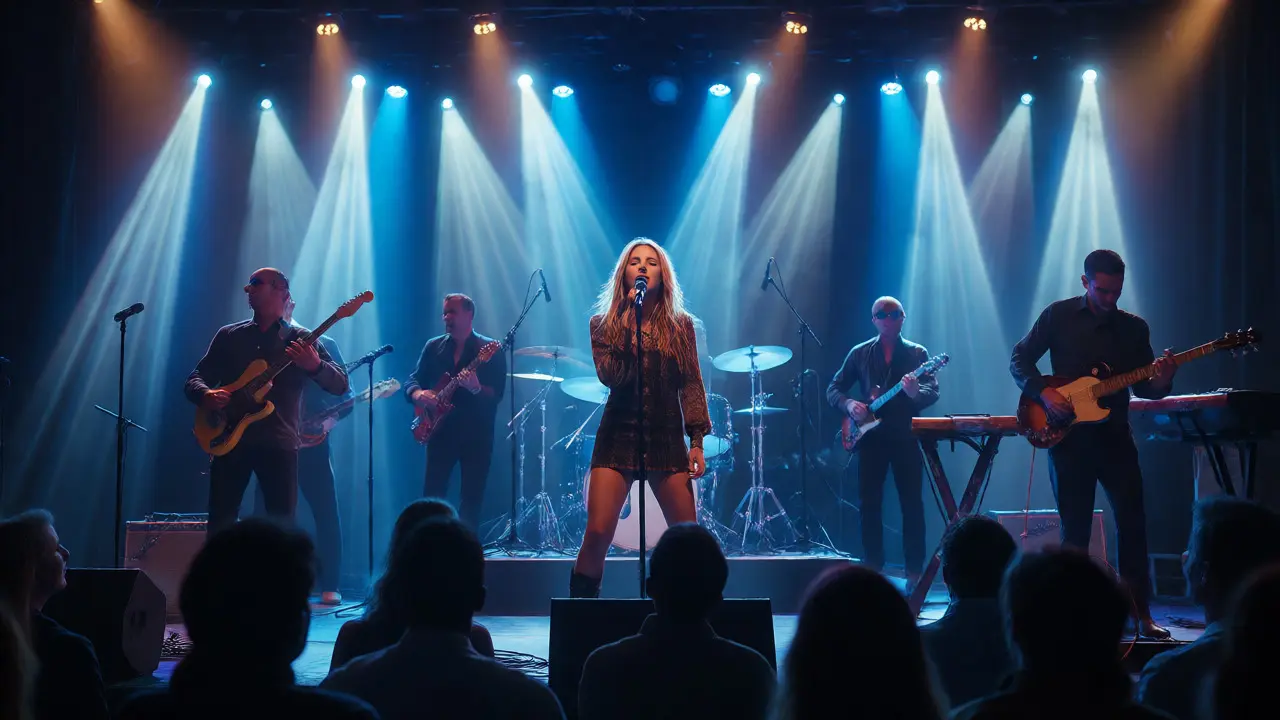
- Act Three: The Headline Set. Alli takes over for a full 45-minute set of her original music, backed by the same high-caliber band used in the karaoke portion. The transition from amateur fun to professional polish highlights her growth and skill.
This structure solves a major problem for emerging artists: retention. Traditional concerts often lose momentum if the opening act is weak. Here, the "opening act" is the audience themselves. They are emotionally invested because they or their friends might be on stage. The stakes are personal, which keeps attention spans locked in.
| Feature | Traditional Concert | Interactive Karaoke Tour |
|---|---|---|
| Audience Role | Passive Observers | Active Participants |
| Content Output | Professional Photos/Videos | User-Generated Content (UGC) |
| Ticket Value | Music Performance Only | Experience + Music + Social Status |
| Viral Potential | Low (Standard Clips) | High (Unique Performances) |
| Replayability | Low (Same Setlist) | High (Different Singers Every Night) |
Leveraging Social Proof and UGC
The real currency of a national tour today isn’t just ticket sales; it’s digital footprint. When a fan sings "As It Was" with Alli Starr’s band in Chicago, they aren’t just having fun-they’re creating a marketing asset. That video gets posted to TikTok, tagged #AlliStarrSessions, and shared with thousands of followers who ask, "Where was this?"
Alli can amplify this by running city-specific challenges. Before hitting New York, she posts a snippet of a hidden gem track. Locals compete to learn it best. The winner performs it live. This turns every city stop into a localized campaign. It forces fans to engage with her deeper catalog, not just the top 40 hits. It also gives local influencers a reason to attend and cover the event, expanding reach beyond her existing follower base.
Consider the metrics. A standard concert generates maybe 50-100 tagged posts per night. An interactive karaoke night could generate 500+, because everyone wants to show off their friend’s wild performance or their own brave attempt. This organic reach reduces customer acquisition costs for future shows.
Operational Logistics: Making It Work on the Road
Scaling this model requires more than just a good idea. It demands tight logistics. The biggest hurdle? The band. You can’t have a different backing group in every city; the chemistry will fall apart. Alli needs a core touring band that travels with her. These musicians need versatility-the ability to switch from complex jazz chords to simple four-chord pop progressions without missing a beat.
Then there’s the selection process. How do you pick the singers? If it’s purely random, you risk long, awkward silences. If it’s too curated, you lose the authentic charm. The sweet spot is a hybrid model. Use a pre-show app or QR code system where attendees submit a 15-second audio clip. The band leader and Alli review these during soundcheck. This ensures variety-some great singers, some funny ones, some dramatic ones-without sacrificing quality control.
Another critical element is the venue choice. Don’t book massive arenas yet. Target mid-sized clubs (500-800 capacity) with intimate sightlines. You want the audience to feel close enough to hear the singer’s breath, close enough to cheer them on personally. Large venues dilute the connection. Save the arenas for when the brand is undeniable.
Monetization Beyond Tickets
If Alli executes this well, the revenue streams expand. Ticket prices can hold steady or slightly increase because the perceived value is higher-it’s an experience, not just a show. But the real upside lies in ancillary products.
- Merch Bundles: Offer a "Karaoke Kit" including a custom lanyard, a download link to the live recording of their favorite song from the night, and a t-shirt.
- Sponsorships: Beverage brands love this demographic. A beer sponsor sponsoring the "Singer of the Night" award provides free stock and visibility.
- Digital Rights: With proper release forms signed at entry, Alli owns the rights to the footage. She can compile a monthly highlight reel for YouTube, generating ad revenue and keeping the tour alive online between stops.
This diversification protects against low ticket sales in smaller markets. Even if only 300 people show up in Boise, the content generated has value far beyond those three hundred tickets.
Risk Management: What Could Go Wrong?
No strategy is without pitfalls. The primary risk is inconsistency. If one night features incredible vocalists and the next features tone-deaf chaos, the brand perception suffers. Mitigation involves rigorous vetting and skilled hosting. Alli must be prepared to rescue a bad performance with humor or by jumping in to harmonize. Her personality is the safety net.
Another risk is copyright issues. While karaoke licenses generally cover public performances, using specific arrangements or broadcasting recordings requires care. Working with a PRO (Performance Rights Organization) representative to ensure all sync and mechanical licenses are covered for the recorded content is essential. Don’t let legal headaches kill the vibe.
Finally, fatigue. Performing five nights a week with high energy, hosting, and singing originals is exhausting. The schedule must allow for rest days. Burnout kills tours faster than bad reviews.
The Path Forward
Alli Starr has the voice and the vision. The gap between local buzz and national recognition is bridged by consistent, memorable experiences. Live band karaoke offers a blueprint for that consistency. It transforms passive listeners into active participants, creating a community around the music rather than just a fanbase.
Start small. Test the format in three key cities-Los Angeles, Atlanta, and New York. Measure the engagement metrics, refine the selection process, and build the highlight reels. Once the formula proves itself, scale to secondary markets. The goal isn’t to become a karaoke host forever; it’s to use the intimacy of the format to build the loyalty needed to fill larger stages later.
The industry is watching for the next breakout star. Those who innovate on the live experience will win. Alli Starr isn’t just selling songs; she’s selling a night out that people will talk about for weeks. And in today’s fragmented media landscape, that conversation is everything.
Do I need a special license for live band karaoke tours?
Yes. While standard karaoke machines often come with blanket licenses, live bands require specific performance rights. You typically need agreements with PROs like ASCAP, BMI, or SESAC. For touring, ensuring your promoter covers these fees is crucial to avoid fines.
How does Alli Starr choose the singers for each city?
A hybrid approach works best. Use a digital submission form where fans upload short audio clips. The artist and band leader review these during soundcheck to select a mix of skilled vocalists and entertaining personalities, ensuring a balanced show.
Can this model work for genres other than Pop/R&B?
Absolutely. Country, Rock, and Hip-Hop audiences respond well to participatory events. The key is adapting the song selection to fit the genre's culture. For example, a Country tour might focus on storytelling ballads, while a Hip-Hop tour might emphasize freestyle battles.
What is the ideal venue size for a live band karaoke tour?
Mid-sized clubs with 500 to 800 capacity are ideal. They provide an intimate atmosphere where the audience feels connected to the performers, which is essential for the emotional payoff of the karaoke segments. Larger venues tend to dilute this personal connection.
How does this help with streaming numbers?
Viral clips of fans singing Alli Starr’s songs create curiosity. Viewers who see someone passionately performing a lesser-known track often seek out the original studio version on Spotify or Apple Music, driving algorithmic recommendations and increasing overall stream counts.