When Alli Starr steps on stage for a benefit concert, it’s not just another show. It’s a lifeline. In the last three years, she’s played 47 benefit events across the U.S., raising over $2.3 million for food banks, homeless shelters, and youth music programs. Her name doesn’t always headline the bill, but when it does, the donations spike. Why? Because she doesn’t just perform-she connects.
How Alli Starr Turns Notes into Nourishment
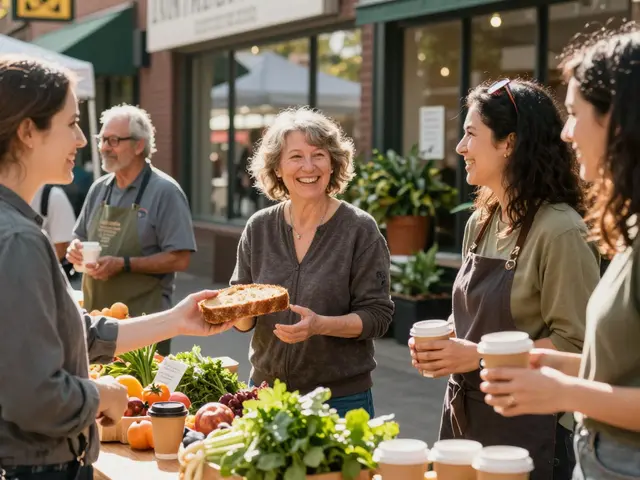
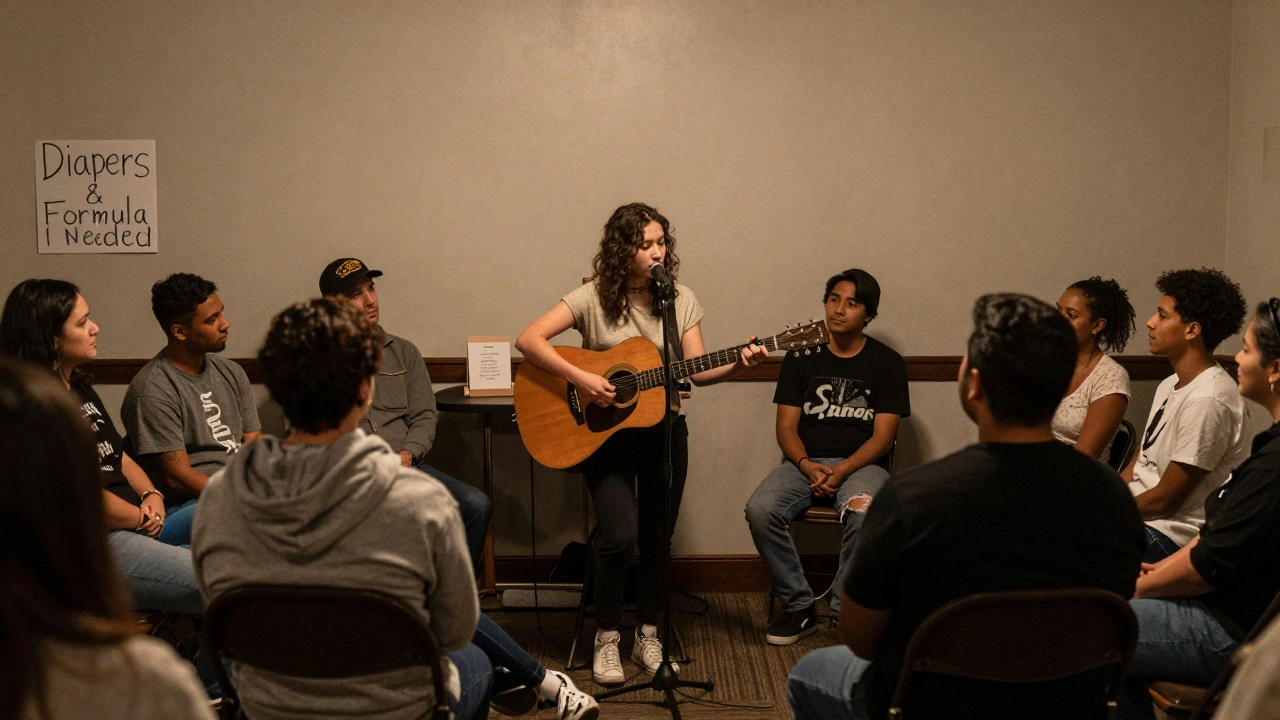
Alli doesn’t wait for charities to ask. She walks into local food pantries, talks to volunteers, and finds out what people actually need. Last fall, she learned that a shelter in Spokane was running out of diapers and formula. Within a week, she booked a pop-up concert at a community center, sold tickets for $10, and added a donation station for baby supplies. The event brought in $89,000. Not because of fancy lighting or a big name-because she made it personal.
Her formula is simple: music + story + action. She opens each show by telling a real story from the cause she’s supporting. One night in Portland, she told the crowd about a 12-year-old girl who started a backyard food drive after her dad lost his job. Then she played a song the girl wrote. The room went quiet. Then, people started lining up to donate.
The Hidden Power of Small Appearances
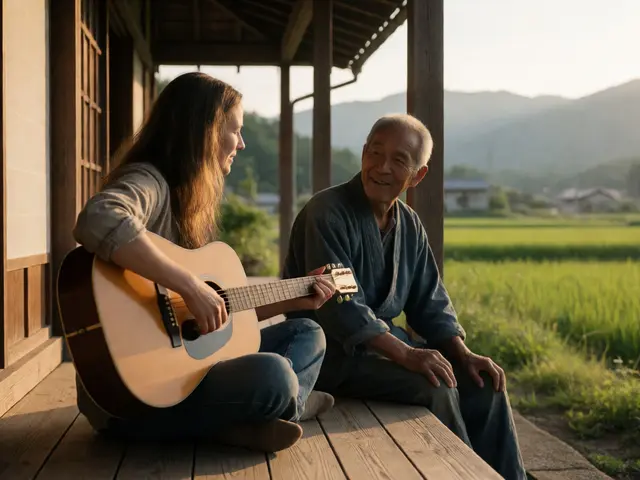
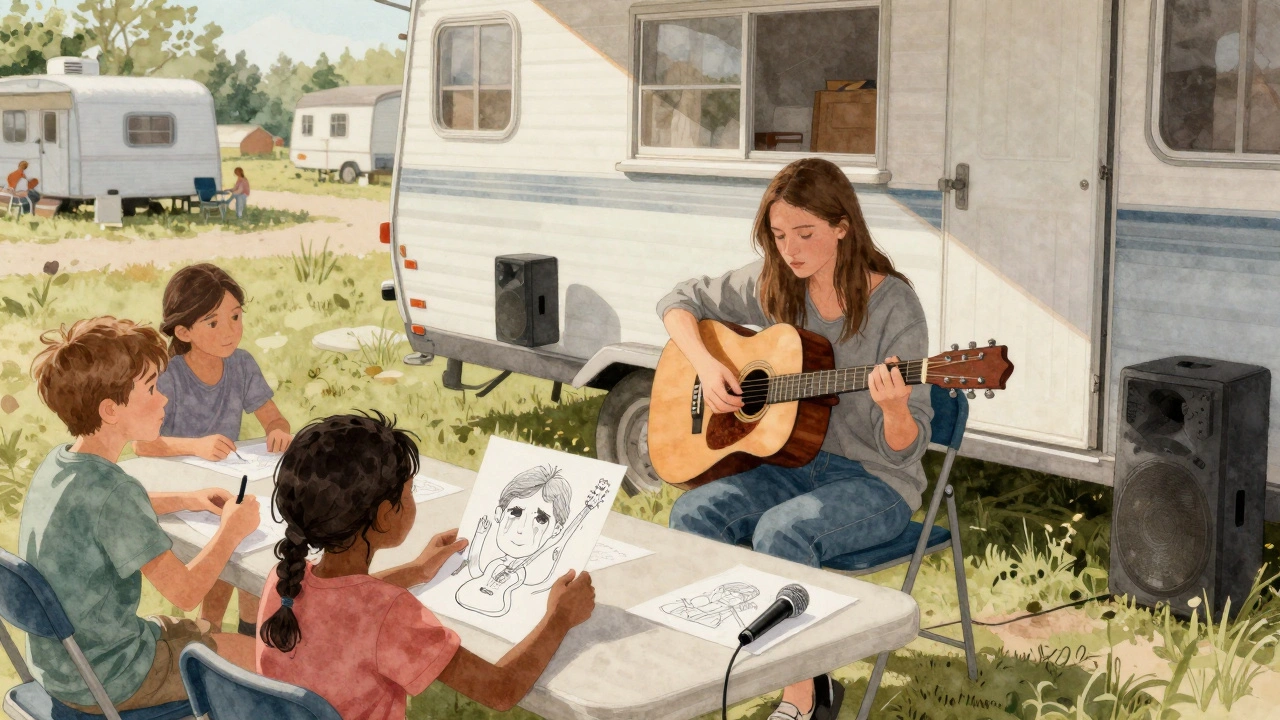
You don’t need a stadium to make a difference. Alli’s most impactful moments have happened in places most artists skip: a library in Missoula, a church basement in Toledo, a trailer park in rural Idaho. She plays acoustic sets with no sound system, just her guitar and a microphone plugged into a speaker from the local coffee shop. No stage. No lights. Just people.
At one event, she sat on a folding chair and sang for 45 minutes while kids drew pictures of what music meant to them. The next day, the school district used those drawings to apply for a $50,000 arts grant. Alli didn’t ask for credit. She just sent the photos to the principal.
These aren’t random acts. She tracks every appearance in a notebook: location, number of attendees, donations collected, and what happened afterward. She’s noticed a pattern: events that include a local student performer raise 63% more than those without. So now, she always invites one young artist to open for her.
Why She Says No to Big Brands
A major energy drink company offered her $500,000 to headline a charity concert-with their logo on every poster. She turned it down. Not because she doesn’t need the money. But because she saw how corporate sponsorships changed the vibe.
“When you put a logo on a fundraiser,” she told a reporter in 2024, “people start thinking it’s marketing, not mercy.” Instead, she partners with local businesses that have skin in the game: a bakery that donates pastries, a mechanic who fixes instruments for free, a bookstore that hosts post-show readings by kids who wrote songs about resilience.
She’s built a network of 87 small businesses across Oregon and Washington that now run their own benefit nights using her model. No contracts. No pressure. Just a hand-written guide she gives out: “Play what matters. Let the community lead. Keep it real.”
The Ripple Effect: What Happens After the Last Note
Most benefit concerts end with applause. Alli’s end with a plan. After every show, she hosts a 15-minute “next steps” circle. Attendees write down one thing they can do-volunteer, donate, teach a kid to play guitar-and drop it into a jar. She picks five each week and calls them personally.
One woman in Bend wrote, “I want to start a guitar class for teens in foster care.” Alli called her the next day. Two weeks later, they launched “Strings for Safety,” a program that now serves 42 kids. The local newspaper called it “the quietest revolution in Oregon music.”
She doesn’t use social media to promote these efforts. No hashtags. No influencer posts. Just a mailing list of 14,000 people who get a handwritten note every month. Sometimes it’s a thank you. Sometimes it’s a story. Always, it’s real.
What Makes Her Different
Other artists raise money. Alli builds systems. She’s not trying to be a hero. She’s trying to make it easy for others to be one too.
Her playbook has three rules:
- Don’t raise money for a cause-raise awareness for a person.
- Let the community do the heavy lifting. Your job is to show up, listen, and amplify.
- Leave the stage cleaner than you found it-literally and metaphorically.
She once left a concert in Eugene after the crowd cleaned up every soda cup and paper plate. “If we can’t respect the space we’re in,” she said, “how can we respect the people we’re trying to help?”

How to Build Your Own Philanthropic Playbook
You don’t need to be a musician to do what Alli does. But if you want to make real change through events, here’s what works:
- Start small. One event. One story. One person.
- Partner with local organizations that already have trust. Don’t try to replace them.
- Let the cause drive the format-not your ego.
- Track results. Not just money. What changed? Who showed up? Who stayed?
- Give credit to others. Always.
Alli’s biggest lesson? “People don’t donate to causes. They donate to people they believe in. And they believe in people who show up-again and again-without asking for anything in return.”
What Comes Next
This year, Alli is launching a free online toolkit called “Play for Purpose.” It includes her handwritten notes, setlists from past events, and templates for organizing your own benefit nights. No sign-up fee. No ads. Just a link on her website: playforpurpose.org.
She’s not trying to go viral. She’s trying to go deep.
How much money has Alli Starr raised through benefit concerts?
Alli Starr has raised over $2.3 million through 47 benefit concerts and appearances since 2023. These funds have supported food banks, homeless shelters, youth music programs, and local community initiatives across the U.S., with the majority going to organizations in the Pacific Northwest.
Does Alli Starr accept corporate sponsorships for her benefit events?
No, Alli Starr refuses corporate sponsorships that require branding or advertising on event materials. She believes these partnerships shift focus away from the cause and toward marketing. Instead, she partners with small local businesses-like bakeries, repair shops, and bookstores-that contribute services or goods without expecting promotion.
What makes Alli Starr’s benefit concerts different from other charity events?
Alli’s events focus on personal stories, community involvement, and long-term impact. She invites local youth performers, hosts post-show circles to plan next steps, and avoids flashy production. Her goal isn’t to entertain a crowd-it’s to turn listeners into active participants in change. She tracks outcomes, not just donations, and prioritizes sustainability over spectacle.
Can anyone use Alli Starr’s playbook to organize a benefit concert?
Yes. Alli has created a free, open-access toolkit called “Play for Purpose” available at playforpurpose.org. It includes her handwritten guides, sample setlists, community engagement templates, and step-by-step instructions for organizing low-cost, high-impact benefit events. No registration is required, and there are no fees.
Why does Alli Starr avoid social media promotion?
Alli avoids social media because she believes viral trends often distract from real, sustained action. Instead, she builds trust through personal communication-handwritten notes, phone calls, and face-to-face conversations. Her 14,000-person mailing list is her primary outreach tool, and she sends monthly updates that share stories, not sales pitches.