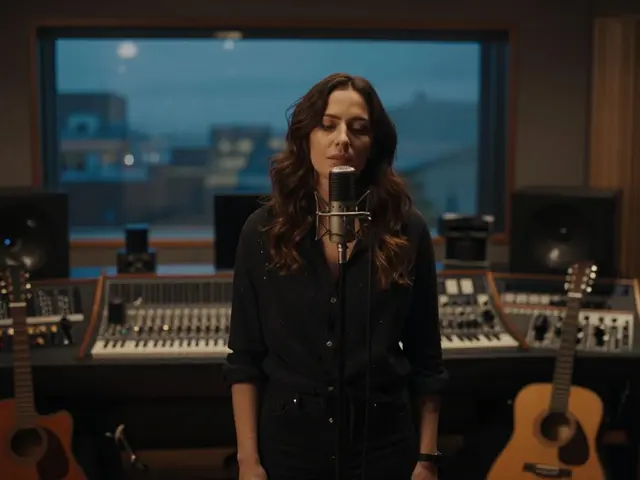
When you’re an independent R&B artist, your voice is the center of everything. But your voice alone won’t get your music heard. Not anymore. Not in 2026. The truth is, even the most raw, soulful tracks drown without the right people behind them. Alli Starr didn’t start with a label, a budget, or a manager. She started with one mic, a laptop, and a list of five people who showed up when no one else would. This isn’t a fairy tale. It’s her playbook. And it works.
Who Actually Needs to Be on Your Team?
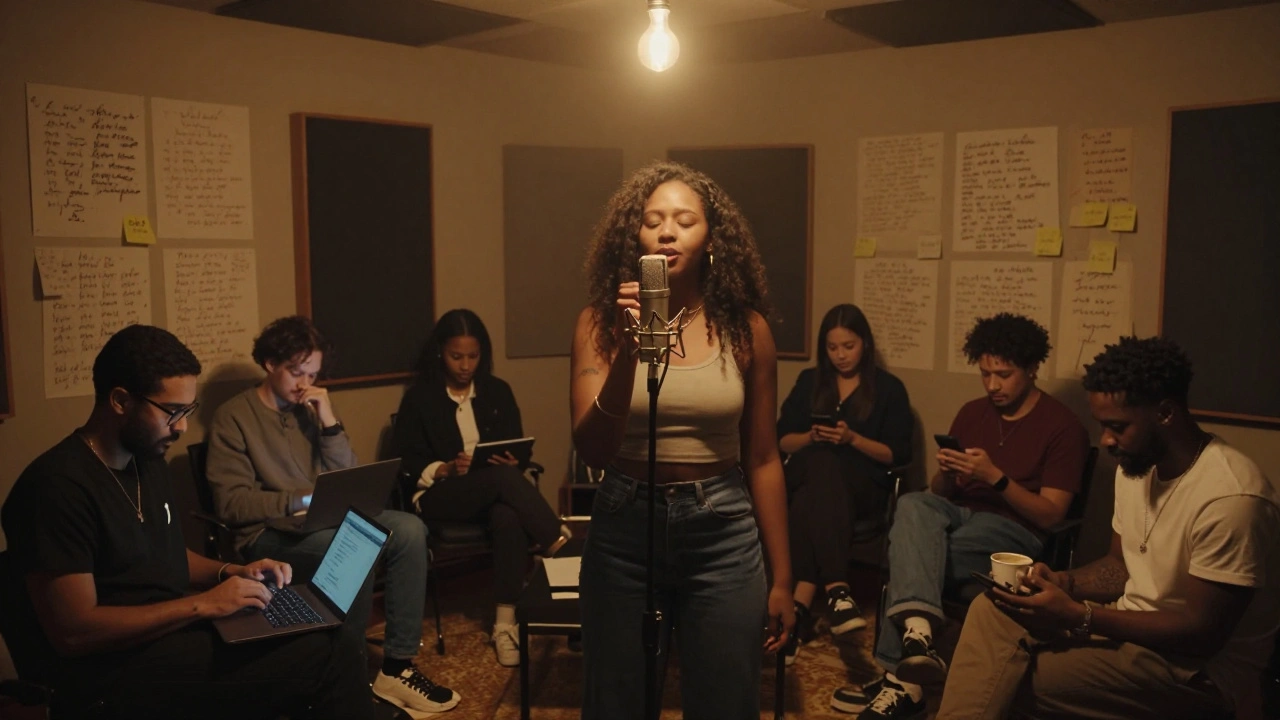
You don’t need a whole company. You need six roles filled by people who care more about your sound than your follower count. Alli’s first team had:
- A producer who understood groove, not just plugins
- A mix engineer who’d never worked with a major label but knew how to make vocals breathe
- A visual artist who designed her cover art for free because they loved the emotion in her lyrics
- A social media strategist who posted at 2 a.m. because that’s when her audience woke up
- A local booking agent who booked her at open mics, cafes, and house shows - not clubs
- A legal advisor who reviewed contracts for $50/hour, not $500
These weren’t industry veterans. They were people who showed up. Alli didn’t hire them. She asked them. And she paid them in something better than money: trust, credit, and a share of the next release.
How to Find Them - Without a Budget
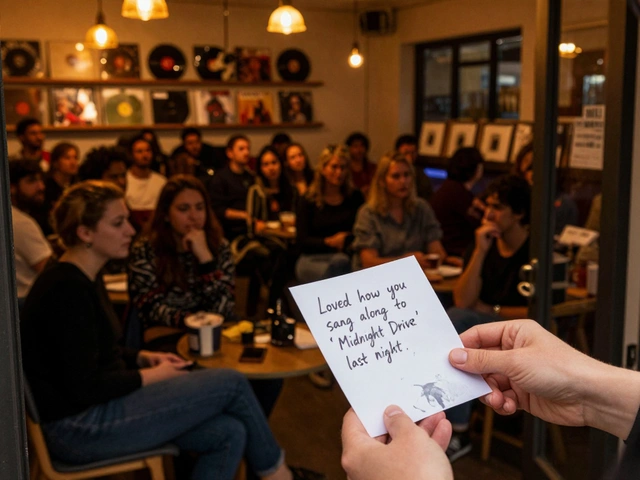
You won’t find these people on LinkedIn. You’ll find them in the back of a basement studio in East Portland, at a late-night open mic at The Doug Fir, or in the comments of a Bandcamp post that made you cry. Alli started by posting one thing every week: a 30-second snippet of a new vocal take, no filter, no caption. Just: “This one’s for you. Thoughts?”
One person replied: “Your tone reminds me of Sade’s early demos.” That person was a mix engineer who’d worked on underground R&B tapes in the 2010s. Another said: “I’d love to paint your next cover.” That was a fine arts student who’d never done music art before. Alli met them both for coffee. No agenda. Just: “Want to make something real with me?”
Here’s the rule Alli lives by: If someone asks you how they can help - say yes. Even if you don’t know how. You’ll figure it out together.
The Pay Structure That Actually Works
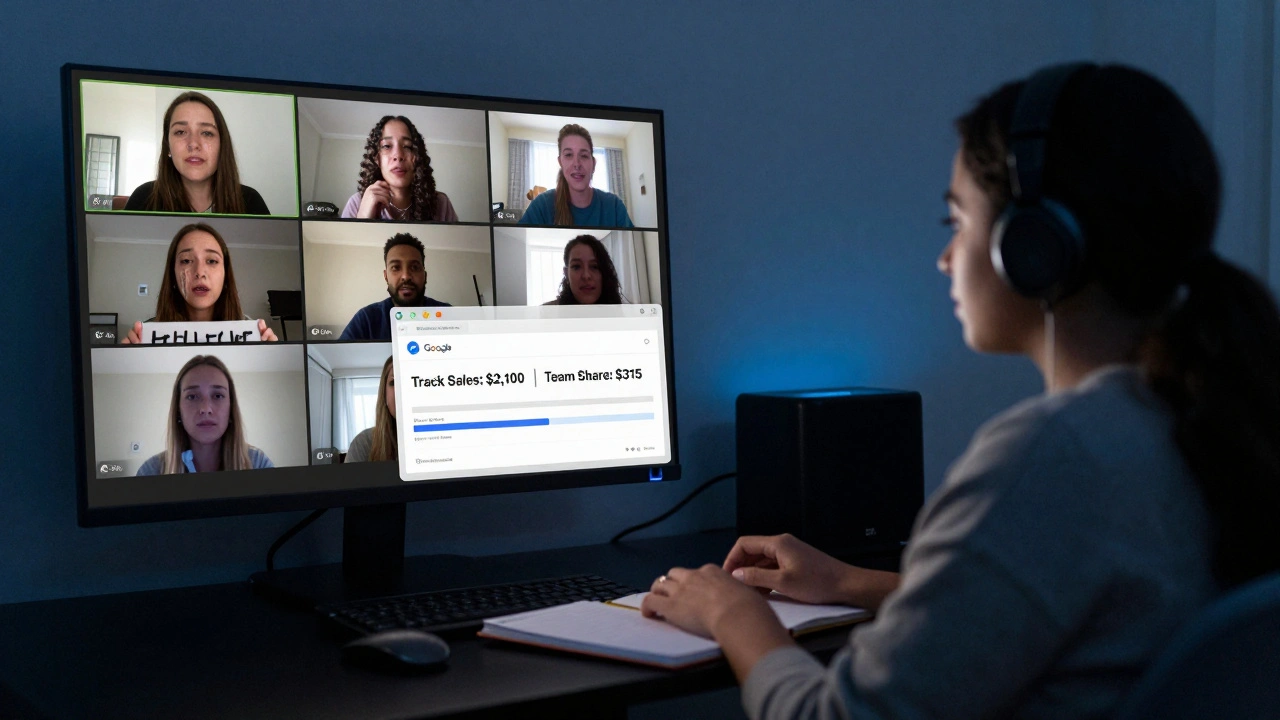
No one on Alli’s team gets a salary. But everyone gets a cut. She splits 15% of net revenue from each release evenly among her core team. That’s not a lot - $300 on a $2,000 sale - but it’s real. And it’s tracked. She uses a simple Google Sheet with clear labels: “Track Sales,” “Streaming Revenue,” “Merch,” “Live Shows.” Every payout is public. No surprises.
She also gives credit. Not just in liner notes. In Instagram captions. In YouTube descriptions. In every press interview. “This song was mixed by Jordan,” she says. “The video was shot by Maya. Without them, it’s just a voice in the dark.”
People don’t work for free. But they’ll work for recognition, for ownership, for a story they can tell.
Why You Can’t Skip the Visual Side
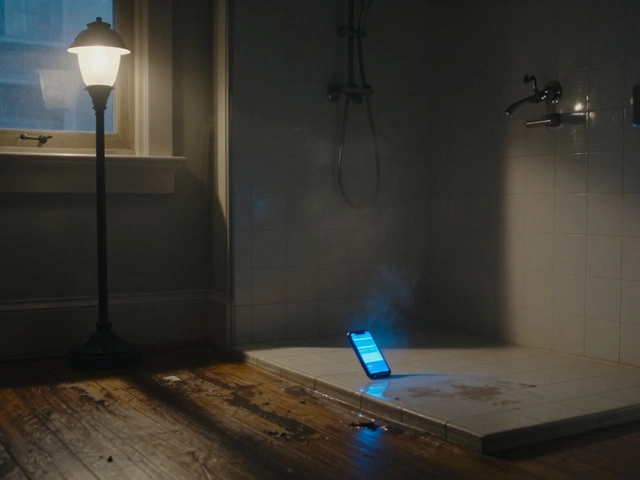
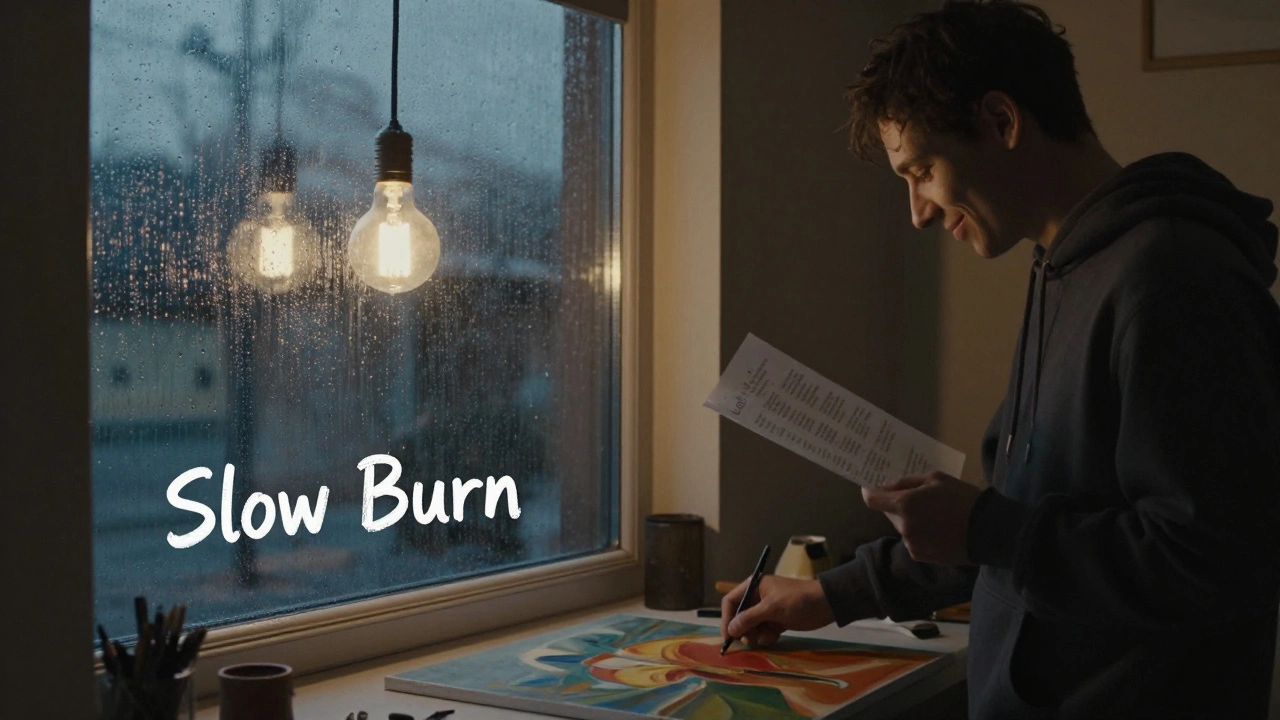
R&B isn’t just sound. It’s atmosphere. It’s lighting. It’s color. Alli’s first EP, Slow Burn, had a cover that looked like a wet window at 4 a.m. - rain streaking down, a single lightbulb glowing behind it. The artist who painted it? A 22-year-old from Tacoma who’d never seen Alli perform live. She sent the painting because she said it matched how the song made her feel.
Alli didn’t hire a designer. She found someone whose art already matched her mood. That’s the secret. Don’t look for “music artists.” Look for people whose work makes you pause. Then ask them to make something for you. They’ll say yes if you show them you’ve done the same for your music.
Marketing Isn’t About Ads - It’s About Rituals
Alli doesn’t run Instagram ads. She runs rituals. Every Friday at 7 p.m., she drops a 60-second voice note. No music. Just her. Talking about the song that dropped that week. Why she wrote it. Who she was thinking of. Sometimes she cries. Sometimes she laughs. People save them. They replay them. They share them.
She also hosts monthly “Listening Nights” - live-streamed, no production, just her, a speaker, and 10 people on Zoom. No talking. Just listening. Then 15 minutes of Q&A. No pitch. No merch. Just: “What did you hear?”
These aren’t marketing tactics. They’re acts of intimacy. And in R&B - where vulnerability is the currency - that’s what sells.
Legal Stuff? Don’t Ignore It
Alli’s first mistake? She released a song with a sample from a 1972 jazz record. No clearance. Just thought, “It’s just a loop.” It got flagged. Her streaming account got suspended for two weeks. She lost $800 in royalties.
Now, she has one rule: No sample, no beat, no vocal chop - without a written agreement. She found a lawyer who works with indie artists. They use a simple template: “I give you permission to use this in exchange for 10% of net revenue from this track.” It’s not fancy. But it’s legal. And it’s fair.
She also registers every song with ASCAP. Not because she expects big checks, but because she wants to own her work. No one else.
What Happens When You Do This Right?
Alli’s last EP, Alone, But Not Lonely, hit 2.1 million streams in six months. No label. No PR firm. No paid ads. Just her, her team, and 17,000 people who felt like they were part of the process.
She didn’t go viral. She went deep. People didn’t just listen. They wrote her letters. They named their kids after her songs. They showed up at her shows with handmade signs. One woman flew from Ohio just to say thank you.
That’s what happens when you build a team that believes in you - not because you’re famous, but because you’re real.
Start Small. Stay True.
You don’t need a studio. You don’t need a manager. You don’t need a budget. You need three things:
- A song that means something
- A handful of people who feel the same
- The courage to ask them to stay
Alli’s team didn’t grow from 5 to 50. It grew from 1 to 2, then 3, then 5. Each person stayed because they felt seen. Not because they got rich.
That’s the playbook. It’s not flashy. But it’s yours to copy.
Do I need to hire professionals to release independent R&B music?
No. You need people who care, not credentials. Alli Starr’s team includes a mix engineer who never worked with a label, a visual artist who’d never done music art, and a legal advisor who charges $50/hour. What matters is trust, shared vision, and fair credit - not resumes.
How do I find the right people without money?
Post raw, unfiltered snippets of your music online and ask for honest feedback. The right people will show up in the comments or DMs. Meet them for coffee. Don’t pitch - listen. If they connect with your emotion, they’ll want to help. Alli found her producer through a Bandcamp comment and her artist through a late-night Instagram post.
What’s the best way to pay a team if I’m broke?
Offer a share of net revenue - not upfront cash. Alli splits 15% of each release’s profit evenly among her core team. Track every dollar in a simple spreadsheet. Pay fairly. Give credit publicly. People work for ownership and recognition, not just money.
Why is visual branding so important for R&B artists?
R&B is emotional, not just sonic. Your cover art, lighting, and video style carry the same weight as your voice. Alli’s first EP cover - a rain-streaked window with a single bulb - was painted by a stranger who felt the mood of her music. Don’t hire a designer. Find someone whose art already matches your vibe and ask them to create for you.
How do I market my music without spending on ads?
Build rituals, not campaigns. Alli drops a weekly 60-second voice note - raw, emotional, unedited - and hosts monthly live listening sessions with no pitch, just connection. People don’t follow ads. They follow intimacy. Let them feel like they’re part of the process.
Can I release music legally without a lawyer?
You can, but you shouldn’t. Alli learned the hard way after sampling a 1972 jazz track without clearance and losing $800 in streaming revenue. Now, she uses a simple legal template: written permission in exchange for 10% of net revenue from that track. Always register your songs with ASCAP. Ownership matters more than speed.