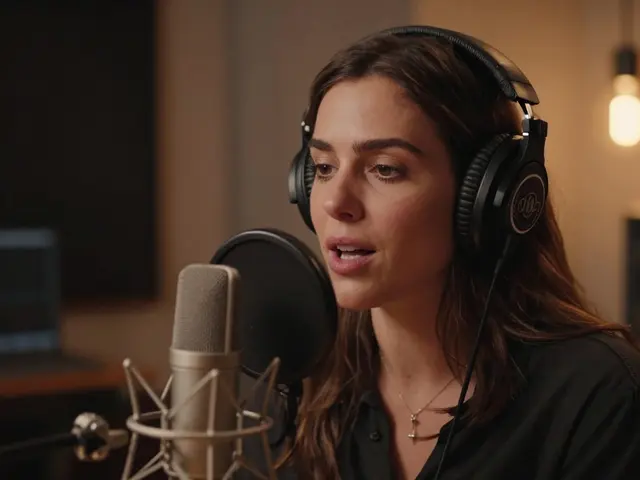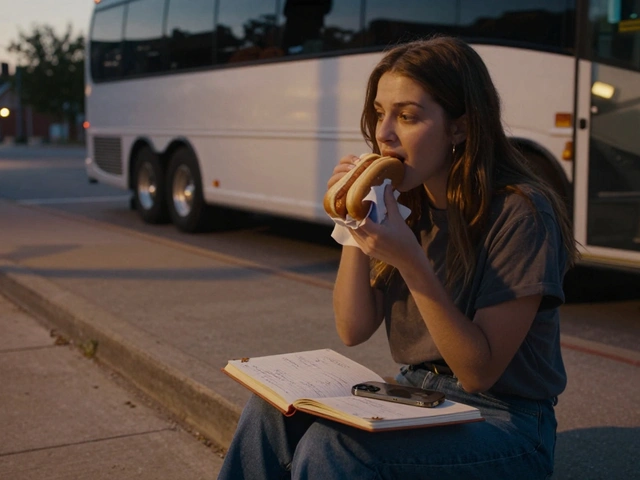
When Alli Starr steps onto a stage in Tokyo, Rio, or Berlin, she doesn’t just play music-she reads the room before she says a word. Her banter between songs isn’t scripted. It’s adapted. Every joke, pause, or smile is shaped by something deeper than audience reaction: cultural etiquette.
Why a Laugh in London Isn’t the Same as in Seoul
In 2023, Alli played three shows in three weeks: one in London, one in Seoul, and one in Mexico City. The setlists were nearly identical. The band? The same. But the crowd’s response? Totally different.In London, she cracked a dry, self-deprecating joke about British weather. The crowd chuckled politely. In Seoul, she tried the same line. Silence. Later, her tour manager explained: South Korean audiences rarely laugh at self-criticism from performers. It’s seen as unprofessional. So she adjusted. The next night, she praised the audience’s energy instead. The room erupted.
That’s the rule: What feels natural to you might feel disrespectful elsewhere. Alli learned this the hard way. In 2021, during a show in Riyadh, she made a casual comment about gender roles on stage. The audience didn’t boo-they just… stopped. No clapping. No movement. She finished the set in stunned silence. Afterward, her local promoter gently told her: "In Saudi Arabia, performers don’t comment on social norms unless invited. It’s not about censorship. It’s about respect."
The Unwritten Rules of International Stage Talk
Alli now carries a mental checklist before every international show. It’s not a list of phrases. It’s a list of principles:- Directness - In Germany and the Netherlands, blunt honesty is appreciated. "This song was written in a hotel room at 3 a.m." works. In Japan, it’s better to say, "This song came to me during a quiet moment."
- Humor - Sarcasm flies in Canada and Australia. In China and Italy, it can seem aggressive. In Brazil, physical humor-like miming a dance move-works better than wordplay.
- Eye contact - In the U.S. and Sweden, holding eye contact builds connection. In Thailand and Morocco, prolonged eye contact with strangers can feel confrontational. Alli learned to look at the center of the crowd, not individual faces.
- Physical touch - A light tap on the shoulder to thank a fan? Fine in the U.S. and France. In India and Indonesia, it’s a boundary violation unless you’re family.
These aren’t stereotypes. They’re patterns confirmed by cultural consultants she works with. Her team now includes a global etiquette advisor-a former diplomat who’s worked with touring artists since 2015. They review each tour’s itinerary and flag potential landmines.
How She Prepares: No Google Translate Here
Alli doesn’t rely on apps or generic guides. She talks to locals. Before every tour, she texts five fans from each country: a student, a teacher, a bartender, a musician, and a retired fan. She asks simple questions:- What’s something you’d never say to a performer?
- What’s a gesture that means "thank you" here?
- What’s a joke that would fall flat-or worse?
One fan in Istanbul told her: "Never say "I love you" to the crowd. We say it to family. We say "I’m grateful" to artists." She changed her closing line. The crowd held up phone lights that night. It was the most emotional moment of the tour.
She also studies local media. Not just music reviews-but TV interviews, talk shows, even commercials. She noticed that in Finland, public figures rarely use exclamation points. In Spain, they overuse them. She adjusted her written stage notes accordingly. Her Finnish set had calm, quiet transitions. Her Spanish ones had warmth and rhythm.
The Ripple Effect: When Banter Builds Bridges
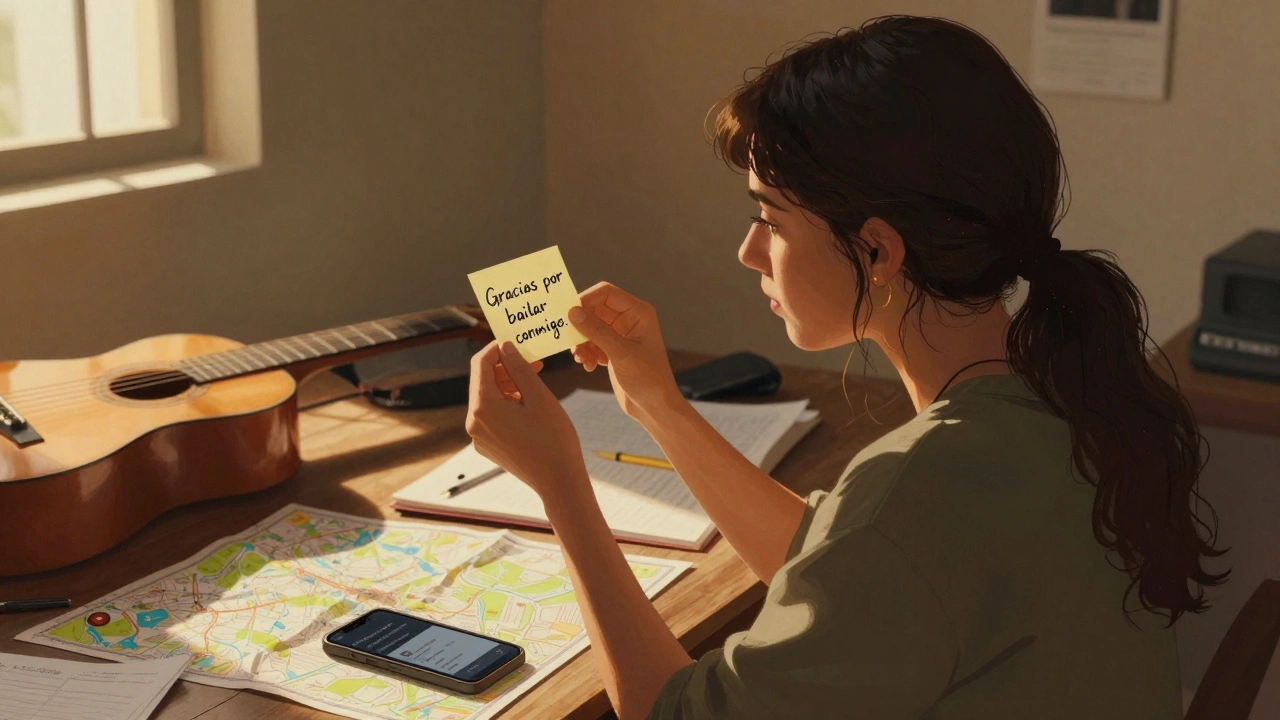
Cultural etiquette isn’t just about avoiding mistakes. It’s about creating moments that stick.In 2024, she played a small venue in Oaxaca. She didn’t speak Spanish fluently, so she asked a local teenager to help her say one phrase: "Gracias por bailar conmigo." "Thank you for dancing with me." The kid wrote it phonetically on a sticky note. She said it mid-set. The crowd went silent-then burst into cheers. A video of it got 12 million views. Not because it was flashy. Because it was sincere.
That’s the secret: People don’t remember your lyrics. They remember when you made them feel seen. In Morocco, she learned to bow slightly before speaking. In Sweden, she learned to pause after a joke-letting silence do the work. In Nigeria, she started clapping first to invite the crowd in. Each gesture was tiny. Each one mattered.
What Happens When You Ignore It?
There’s a cost to getting it wrong. In 2022, a pop artist in Jakarta made a joke about religious symbols. The show was cut short. Social media exploded. The artist apologized-but the damage lasted years.Alli’s rule: If you’re not sure, don’t say it. Better to say nothing than to risk offense. Silence isn’t awkward-it’s respectful. And in many cultures, silence speaks louder than words.
She once played a show in Prague where she forgot to adjust her tone. She was loud, energetic, joking like she was in Portland. The crowd stayed quiet. Afterward, a fan handed her a note: "You treated us like Americans. We’re not. We’re proud of our quietness." She read it backstage and cried. She didn’t perform the next night. She spent the day visiting museums and talking to locals. She came back the next day with a new script.
It’s Not About Performing-It’s About Listening
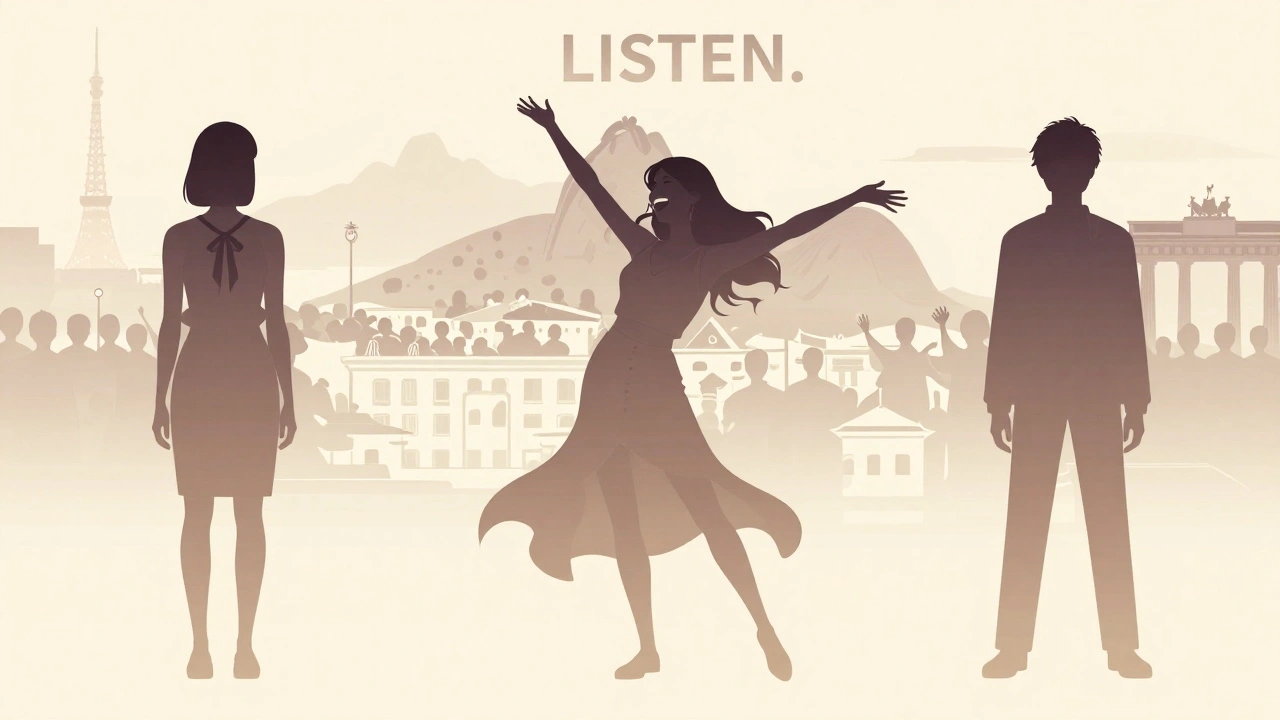
Alli’s international banter isn’t about being funny or charming. It’s about being present. She listens more than she speaks. She watches how people react-not just to music, but to tone, pace, body language.She doesn’t memorize phrases. She memorizes rhythms. The rhythm of applause in Australia. The rhythm of silence in Japan. The rhythm of singing along in Brazil.
Her most powerful line now? "I’m learning. Tell me if I get it wrong."
It’s not a catchphrase. It’s an invitation. And in every country, it opens doors.
What’s Next for Global Touring?
More artists are starting to hire cultural advisors. It’s no longer seen as "extra." It’s basic professionalism. Tour companies now include cultural sensitivity training in their contracts. Streaming platforms track regional fan feedback and send alerts to artists before tours.Alli’s team now shares a public guide-"How to Talk to Your Audience Around the World"-with other musicians. It’s not a rulebook. It’s a conversation starter.
As global touring becomes more common, the real skill won’t be how loud you play. It’ll be how well you listen.
Why does cultural etiquette matter more for musicians than other performers?
Musicians perform live, in real time, with no script. Their words-what they say between songs-are unfiltered and immediate. Unlike actors or comedians who rehearse lines, artists often improvise banter. That spontaneity makes cultural missteps more likely. A joke that lands in New York might offend in Jakarta. There’s no second take. So understanding local norms isn’t optional-it’s essential to connect.
Can’t artists just use translators or apps to handle language barriers?
Apps can translate words, but they can’t translate tone, timing, or social context. Saying "I’m so tired" in English might sound casual. In Japan, it could imply you’re not grateful for the audience’s effort to come out. A translator might say the words right, but miss the emotional weight. Real connection comes from understanding the unspoken rules-not just the spoken ones.
Do audiences really notice small changes in how an artist speaks?
Yes-more than you think. In 2023, a study by the International Music Tourism Institute found that 78% of fans in non-English-speaking countries felt more connected to artists who adjusted their tone, pacing, or body language to match local norms. They didn’t need perfect language. They needed sincerity. A slight bow, a pause before a joke, a shift from loud to soft-it all signals, "I see you. I’m here for you."
What if an artist doesn’t have the budget for a cultural advisor?
Start small. Reach out to local fans on social media. Ask three simple questions: What’s one thing you’d never want to hear on stage? What’s a gesture that means "thank you" here? What’s a joke that would fall flat? Most people love to help. You don’t need a team-you need curiosity. Alli Starr didn’t start with consultants. She started with sticky notes and questions.
Is cultural etiquette the same as political correctness?
No. Political correctness is about avoiding offense through rules. Cultural etiquette is about building trust through understanding. It’s not about censorship-it’s about care. Alli doesn’t change her banter to please anyone. She changes it because she wants people to feel welcome, not judged. It’s not about being safe. It’s about being human.