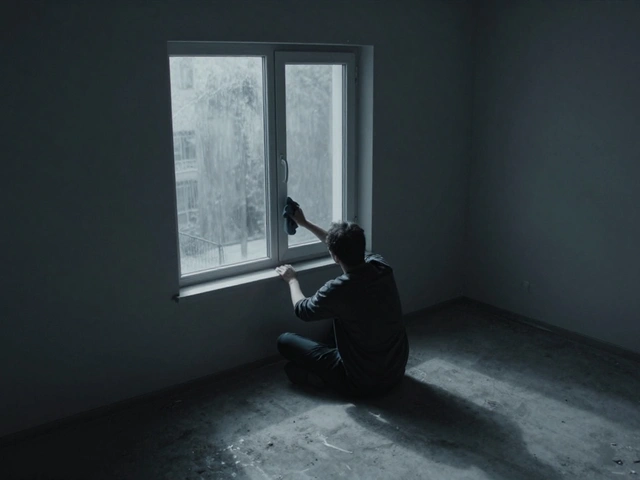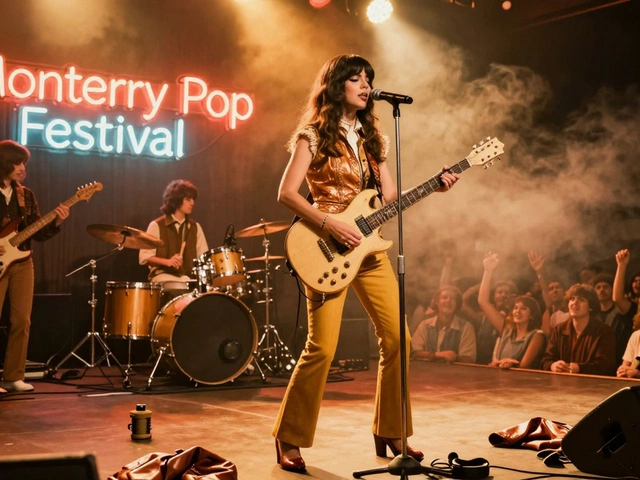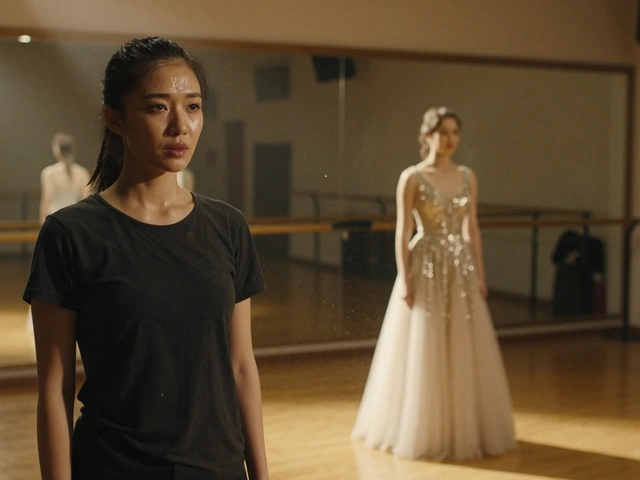
Before 2017, most people knew her as part of a band - the quiet one in the background, the voice that harmonized just right but never took the lead. Then, out of nowhere, Alli Starr dropped her first solo single. No warning. No press tour. Just a 3:12 track called “Barefoot in the Rain” uploaded to Bandcamp on a Tuesday night. By Friday, it had over 500,000 streams. By the end of the year, she was playing sold-out shows in cities she’d never headlined before.
Who Was Alli Starr Before 2017?
She wasn’t unknown. She was in The Hollows, a mid-tier indie rock group that toured small clubs and opened for bigger names. The band had a cult following, but Alli never wrote lead vocals. She played rhythm guitar and sang backup. Fans liked her voice - they just didn’t know it was hers.
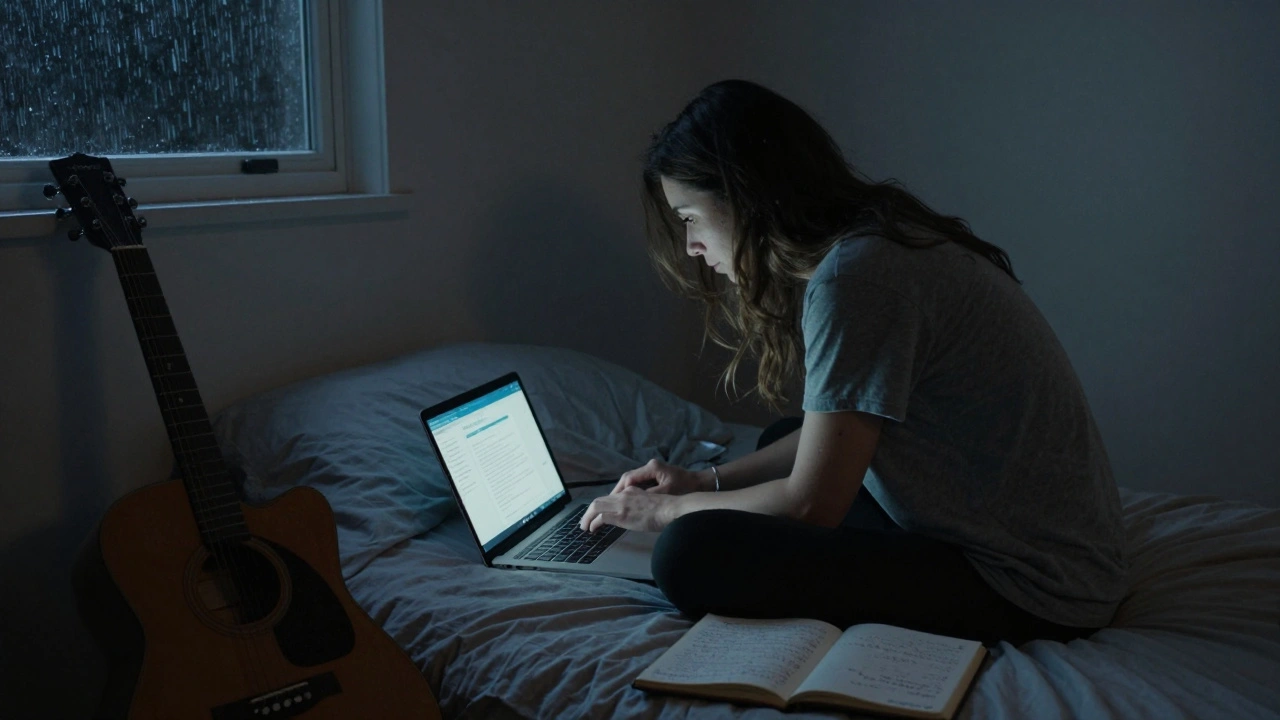
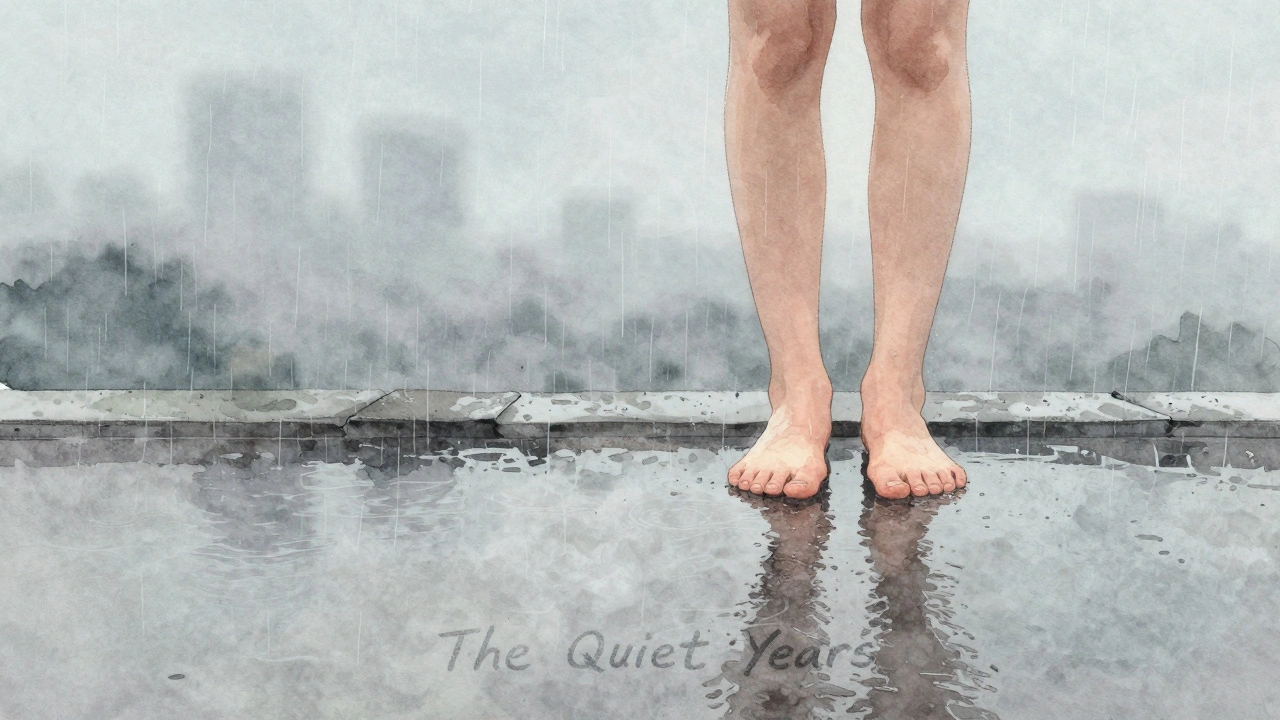
Behind the scenes, she’d been writing songs for years. Her notebooks were full of lyrics about loneliness, small-town regret, and the quiet rage of being overlooked. She recorded demos on her phone while waiting for band practice to start. Some of those tracks became the foundation of her debut EP, “The Quiet Years”.
Why didn’t she go solo earlier? She didn’t think anyone would care. Her bandmates told her she was too soft for the spotlight. Her manager said solo artists needed a "hook" - something loud, flashy, viral. Alli didn’t have a hook. She had honesty.
The Moment Everything Changed
In January 2017, The Hollows broke up. Not dramatically. No fights. No social media drama. Just a quiet email: "We’re done."
Alli didn’t quit music. She didn’t look for another band. She took her phone, her laptop, and $87 in savings, and booked a studio for four days. She recorded six songs. She mixed them herself. She designed the cover art in Canva. She uploaded the EP on February 14.
She didn’t tell anyone. Not her ex-bandmates. Not her parents. Not even her closest friend.
Then, a Reddit user in the r/indieheads subreddit posted: "This song sounds like a whispered confession. Who is this?" The thread exploded. A music blogger picked it up. Then Pitchfork. Then NPR.
By March, she was on the cover of Rolling Stone’s "New Artists You Need to Know" feature. The headline? "She Didn’t Ask for the Spotlight. She Just Showed Up."
What Made Her Sound Different?
Her voice wasn’t powerful. It wasn’t technically perfect. But it was real. You could hear her breath between lines. You could hear the hesitation before she sang the chorus. You could hear the tears she didn’t cry out loud.
Her lyrics were simple: "I didn’t leave you. I just stopped believing in us." Or: "I don’t want to be your favorite. I just want to be mine."
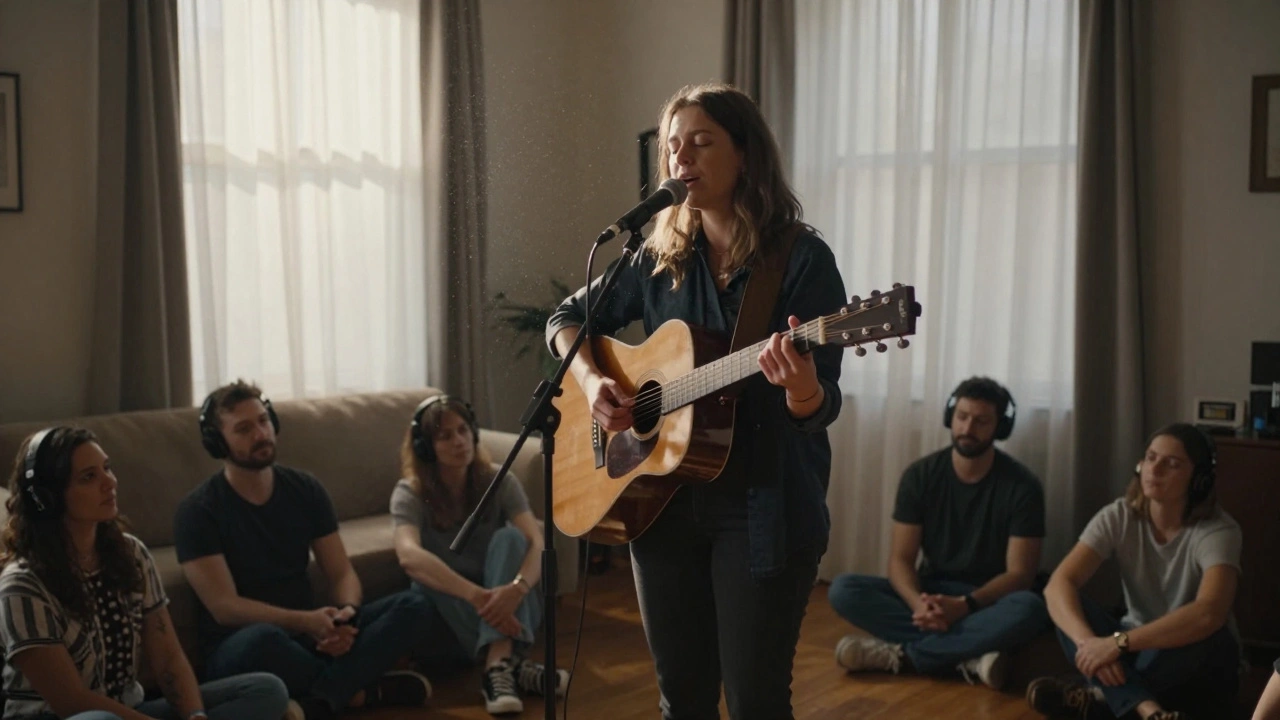
Her production was minimal - just acoustic guitar, a single microphone, and occasional piano. No autotune. No layered harmonies. No drums. Just her, the room, and the silence around her.
That silence? That’s what people connected with. In a world of hyper-produced pop and viral TikTok bangers, her music felt like a secret someone trusted you with.
How She Built a Career Without a Label
She didn’t sign with a label. Not because she was offered nothing - she was. But she turned them all down. Why? She didn’t want to lose control of her name, her releases, or her schedule.
Instead, she used tools anyone could access:
- Bandcamp - for direct sales and fan support
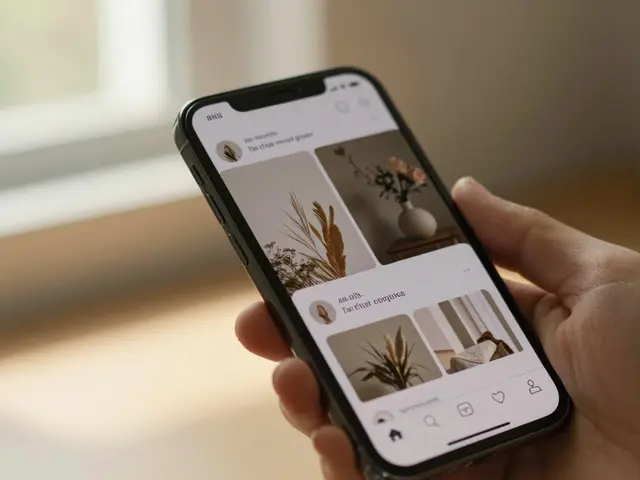
- Instagram Stories - she posted raw clips of recording, walking her dog, crying over coffee
- YouTube Live - one-night-only acoustic sets from her living room
- Patreon - $5/month for early access, handwritten lyrics, and voice memos
By December 2017, she had 217,000 followers. She sold over 40,000 digital copies of her EP. She made $180,000 - all from direct fan support. No label cut. No distributor fee.
The Ripple Effect
Her success didn’t just change her life. It changed the conversation.
Other artists started asking: "Do I need a label to be heard?" New musicians began posting unpolished demos online. Indie blogs started highlighting "unfiltered" artists. Streaming platforms began surfacing "quiet music" playlists.
By 2018, Billboard introduced a new chart: "Top Independent Vocalists." Alli Starr topped it for 11 weeks straight.
She didn’t become famous because she was perfect. She became famous because she was human. And in a world that rewards polished personas, that was revolutionary.
What Her Journey Teaches Us
You don’t need permission to be yourself.
You don’t need a team to make something meaningful.
You don’t need to be loud to be heard.
Alli Starr didn’t plan to become a solo artist. She didn’t even think she could. But when the old version of her life fell apart, she didn’t try to rebuild it. She built something new - quiet, honest, and entirely her own.
Her story isn’t about talent. It’s about courage. The courage to say: "This is me. Take it or leave it."
Was Alli Starr famous before her solo debut in 2017?
No, she wasn’t famous. She was known only within a small indie music circle as the backup singer and rhythm guitarist for the band The Hollows. Fans liked her voice but didn’t know she wrote songs or had solo potential. Her identity was tied to the band, not her own art.
How did Alli Starr release her first music?
She self-released her debut EP, "The Quiet Years," on Bandcamp on February 14, 2017. She recorded it herself in a rented studio, mixed it on her laptop, designed the cover art, and uploaded it without telling anyone. It went viral organically after a Reddit post.
Did Alli Starr sign with a record label after her success?
No. She turned down multiple label offers because she wanted full creative control. Instead, she built her career using direct-to-fan platforms like Bandcamp, Patreon, and YouTube Live. She made over $180,000 in her first year without a label.
What made Alli Starr’s music stand out in 2017?
Her music stood out because it was raw, unpolished, and deeply personal. She used no autotune, minimal production, and recorded in one take. Her lyrics focused on quiet emotional struggles - not romance or partying - which resonated with listeners tired of overly produced pop music.
How did social media help Alli Starr’s rise?
Social media didn’t launch her - it deepened her connection. She used Instagram Stories to share behind-the-scenes moments: recording mistakes, coffee breaks, and handwritten lyrics. These posts made her feel real. Fans didn’t just listen to her music - they felt like they knew her. That loyalty turned listeners into supporters.