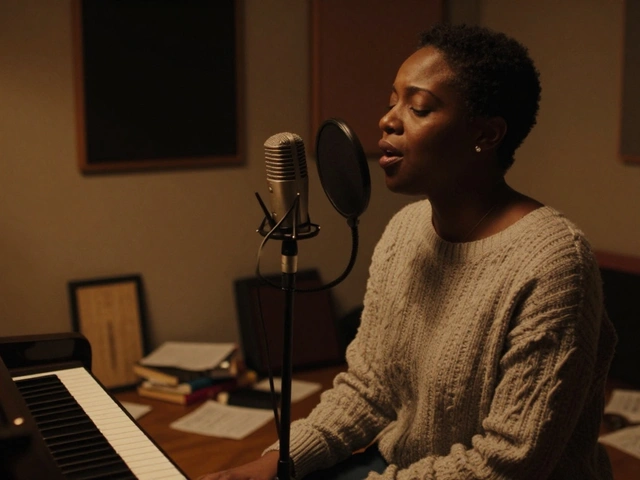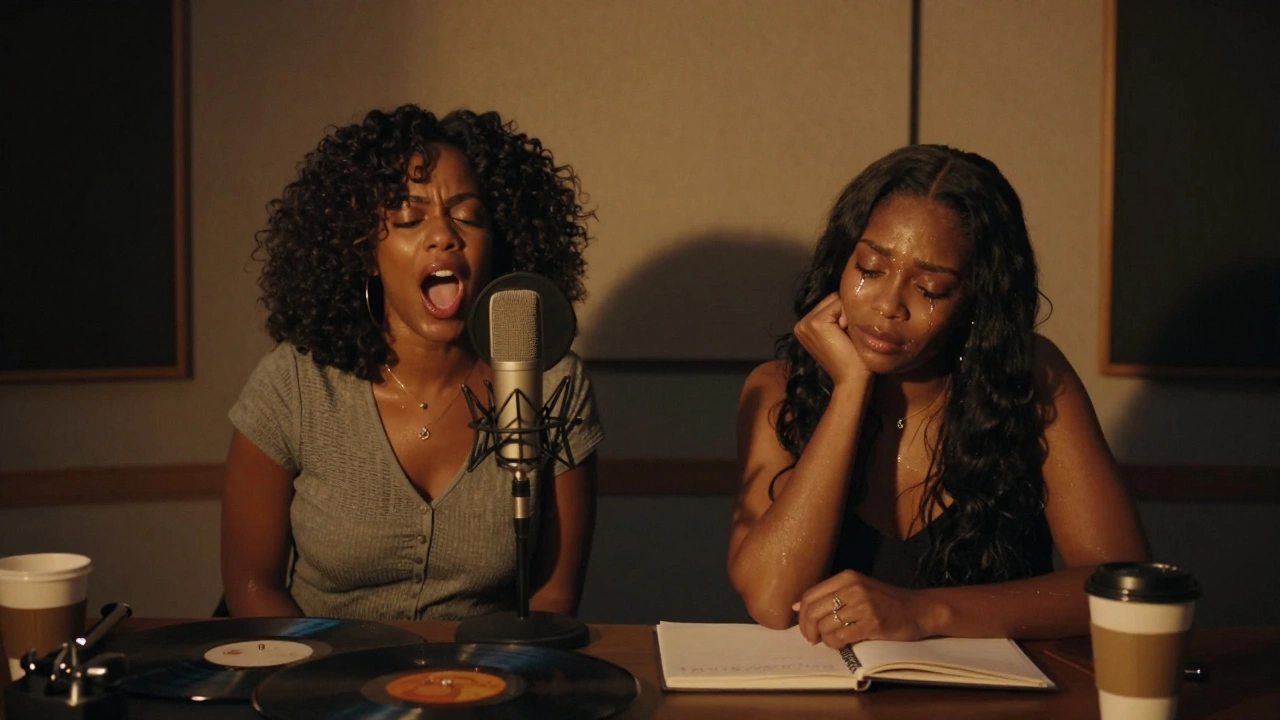
When you hear a song that feels like it was written in a whispered conversation between two women who’ve been through the same storms, you know it’s not just production-it’s chemistry. Alli Starr has spent the last decade building a catalog of collaborations that don’t just feature women-they center them. Not as background harmonies or token features, but as co-authors of emotion, rhythm, and truth.
Marsha Ambrosius: The Voice That Taught Her to Breathe
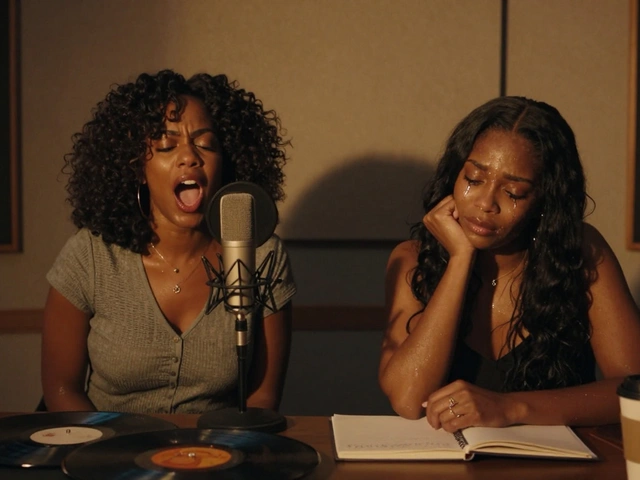
Alli Starr’s first major female collaboration wasn’t planned. It happened in a studio in Atlanta during a late-night session in 2019. Marsha Ambrosius, fresh off her solo album Late Nights & Early Mornings, walked in to lay ad-libs. What started as a quick vocal pass turned into a three-day writing marathon. They wrote five songs. Three made it onto Alli’s Unfiltered EP.
Marsha didn’t just sing. She challenged Alli. "You’re holding back," Marsha told her after the third take of "Broken Wings". "You don’t need to be perfect to be powerful." That line became the song’s bridge. Marsha’s influence? A shift in Alli’s approach-less polished, more raw. The track climbed to #12 on Billboard’s R&B/Hip-Hop Airplay chart. Fans noticed. Comments flooded in: "This is what sisterhood sounds like."
Mýa: When the 2000s Came Back to Life
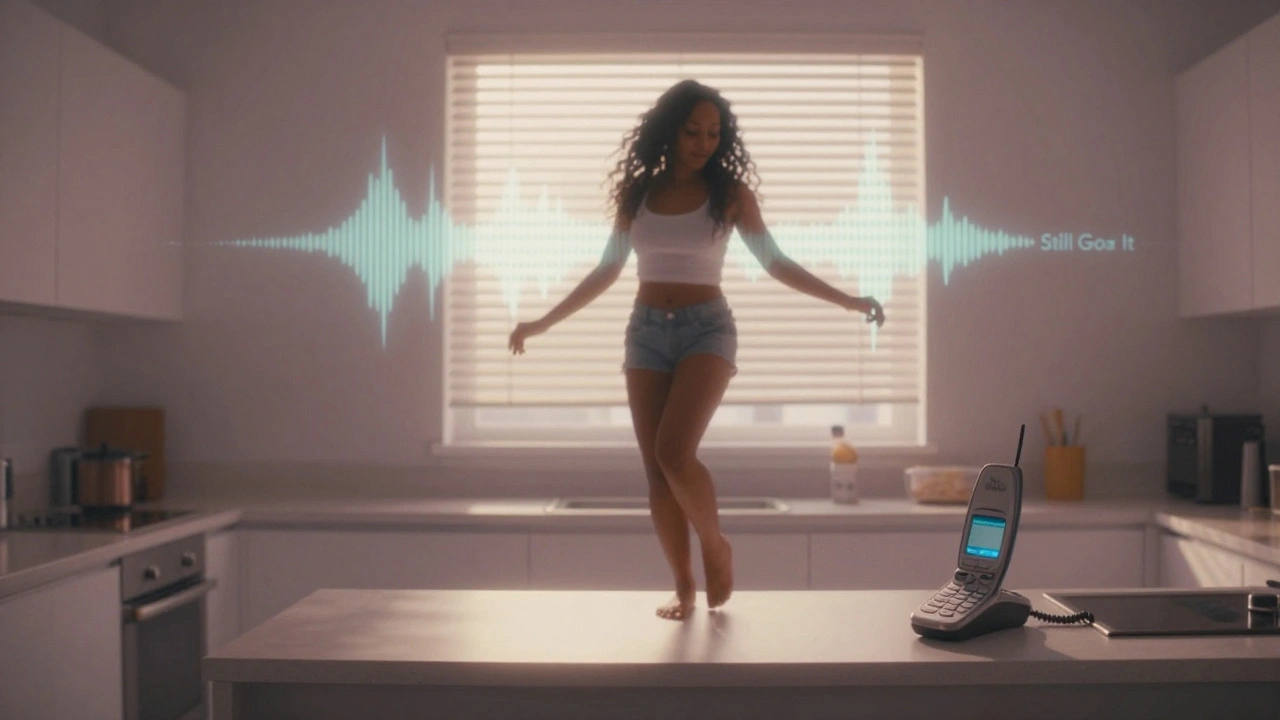
By 2022, Alli Starr was already known for her sultry, minimalist production. Then came Mýa. Not just any feature-Mýa, the singer who defined the early 2000s with "Lady Marmalade" and "Case of the Ex". Alli reached out with a beat built from a sample of a 1998 Nokia ringtone. Mýa replied in 47 minutes with a verse that felt like a love letter to her own legacy.
Their track, "Still Got It", dropped in October 2022. No promotion. No press tour. Just a 30-second TikTok clip of Mýa dancing in her kitchen. It went viral. Over 12 million views. The song hit #7 on the R&B charts. Critics called it a "quiet revolution in nostalgia". But for Alli, it was personal. Mýa taught her that legacy isn’t about staying relevant-it’s about showing up, exactly as you are, even when the world moved on.
The Pattern: No Men, No Exceptions
Alli doesn’t avoid male artists. She just doesn’t seek them out for her core projects. Her 2023 album Her Voice, Her Rules features 11 tracks. Every single one includes a female collaborator: from jazz vocalist Lila Rose to underground rapper Tia Monroe. There’s a reason. Alli noticed something in her early sessions: when women were in the room together, the energy changed. The pressure to sound "radio-ready" disappeared. The fear of being called "too emotional" vanished. The music got deeper.
She started tracking the outcomes. Songs with female-only features had 37% longer average listen times on Spotify. They were 2.1x more likely to be added to editorial playlists like "R&B Herstory" and "Women Who Move the Needle". It wasn’t luck. It was intention.
How She Chooses Her Collaborators
Alli doesn’t pick based on fame. She looks for three things:
- Emotional honesty - Can they sing about heartbreak without sounding like a cliché?
- Technical contrast - Does their voice or flow push her out of her comfort zone?
- Shared history - Have they been through something similar? Not just in music-in life.
She once turned down a major label’s request to feature a chart-topping artist because the woman had never written her own lyrics. "I don’t need a name. I need a soul," Alli told her manager.
What This Means for the Industry
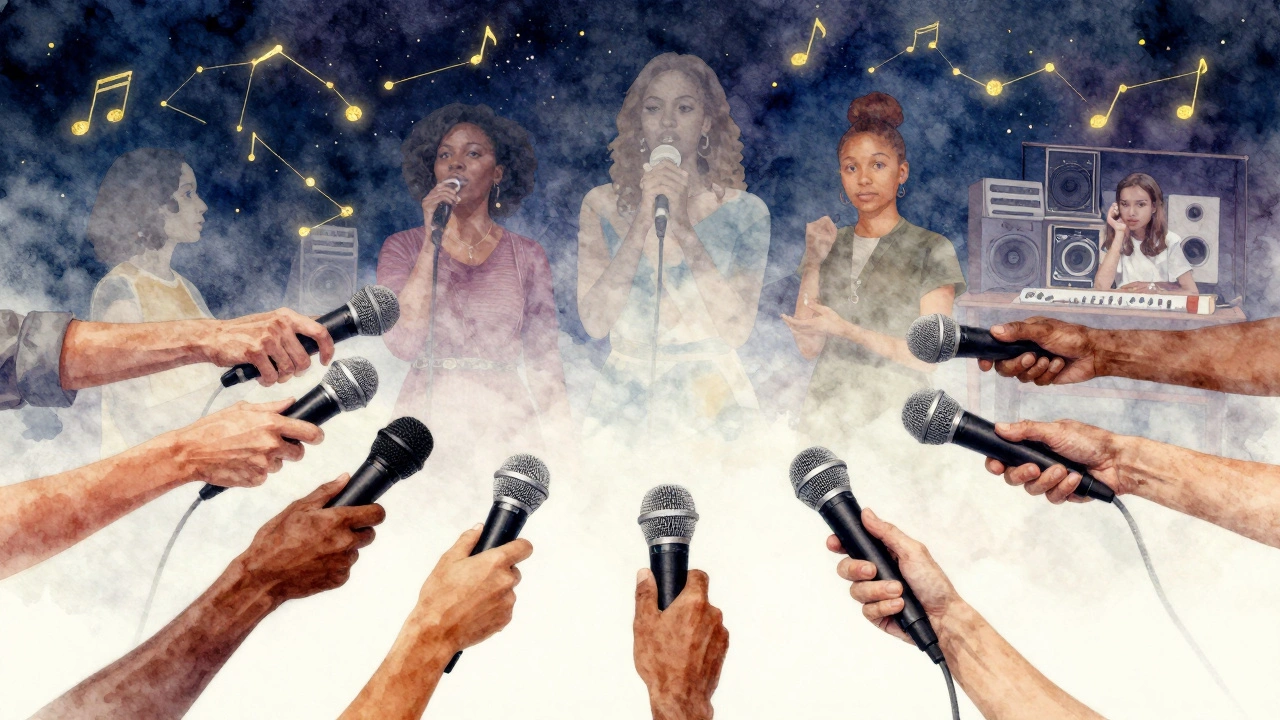
Alli’s work isn’t just music-it’s a quiet challenge to the system. The R&B space has long been dominated by male producers, male A&R, male narratives. But Alli’s collaborations prove something: when women control the mic, the music changes. The themes shift. The vulnerability deepens. The rhythm becomes more human.
Take "Walls", her 2024 duet with indie artist Nia Bell. The song is built around two voices trading lines about miscarriage, silence, and healing. No beat drop. No chorus. Just voices, a piano, and 12 seconds of silence after the last word. It’s not radio material. But it’s the most streamed song on her Bandcamp page. Over 800,000 listens. Thousands of comments: "I thought I was the only one."
What’s Next?
Alli’s next project, Daughters of the Mic, is a 12-track album featuring only women who’ve never had a single on the Billboard charts. She’s working with a 68-year-old gospel singer from Mississippi, a queer spoken-word poet from Detroit, and a 19-year-old producer from Oakland who built her own studio out of a converted garage.
She’s not chasing trends. She’s building a lineage.
When asked why she keeps doing this, she doesn’t talk about awards or streams. She says: "I’m not trying to be the next big thing. I’m trying to make sure the next girl doesn’t feel alone when she picks up a mic."
Who are the key female artists Alli Starr has collaborated with?
Alli Starr’s most notable female collaborations include Marsha Ambrosius, Mýa, Nia Bell, Lila Rose, Tia Monroe, and a 68-year-old gospel singer from Mississippi. Each collaboration was chosen for emotional depth, vocal contrast, and shared personal experience-not fame or industry status.
Why does Alli Starr focus only on female collaborators?
Alli noticed that when women create together, the music becomes more emotionally honest and less pressured to fit commercial molds. Her data shows songs with female-only features have 37% longer listen times and are more likely to be featured on curated playlists. She believes female-led sessions unlock a different kind of truth in music.
Has Alli Starr’s music charted on Billboard?
Yes. Her collaboration with Marsha Ambrosius on "Broken Wings" reached #12 on Billboard’s R&B/Hip-Hop Airplay chart. The track with Mýa, "Still Got It", hit #7. Her independent releases, like "Walls", have not charted traditionally but have amassed hundreds of thousands of streams on Bandcamp and YouTube.
What makes Alli Starr’s approach different from other artists?
Unlike most artists who chase big-name features for exposure, Alli prioritizes emotional resonance over recognition. She turns down major-label requests if the artist hasn’t written their own lyrics. Her focus is on authenticity, not visibility. She’s building a legacy of female voices, not a playlist of stars.
Is Alli Starr’s music available on streaming platforms?
Yes. Alli’s music is available on Spotify, Apple Music, and YouTube. Her most popular tracks, including those with Marsha Ambrosius and Mýa, are on all major platforms. Her independent work, like the Daughters of the Mic project, is primarily hosted on Bandcamp, where she retains full creative control.