When you think of Las Vegas, you think of flashy shows, loud bass, and singers who own a single style. But Alli Starr didn’t rise by sticking to one sound. She rose because she could do everything - and do it well.
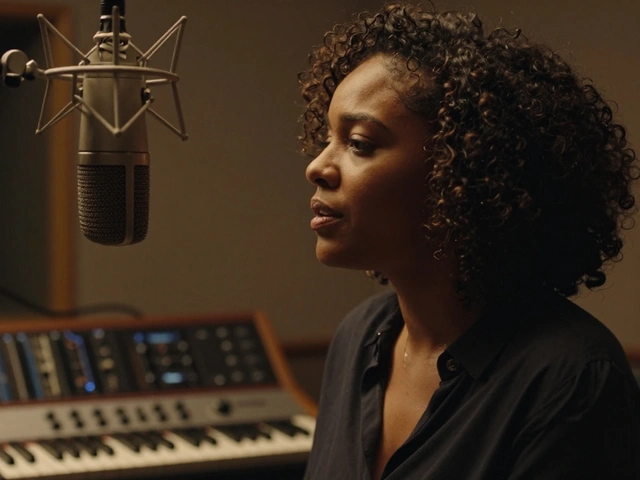
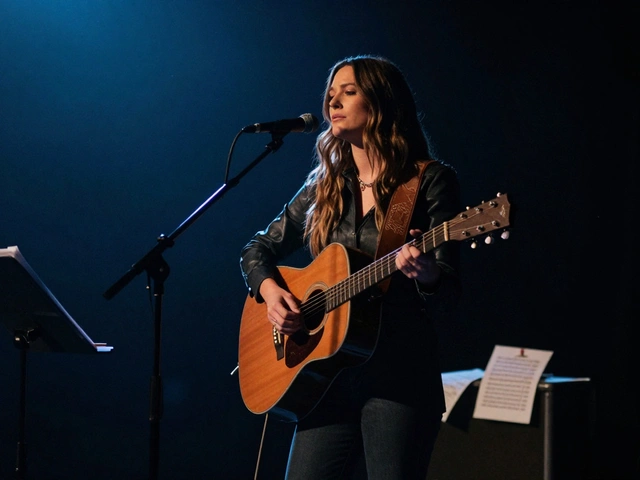
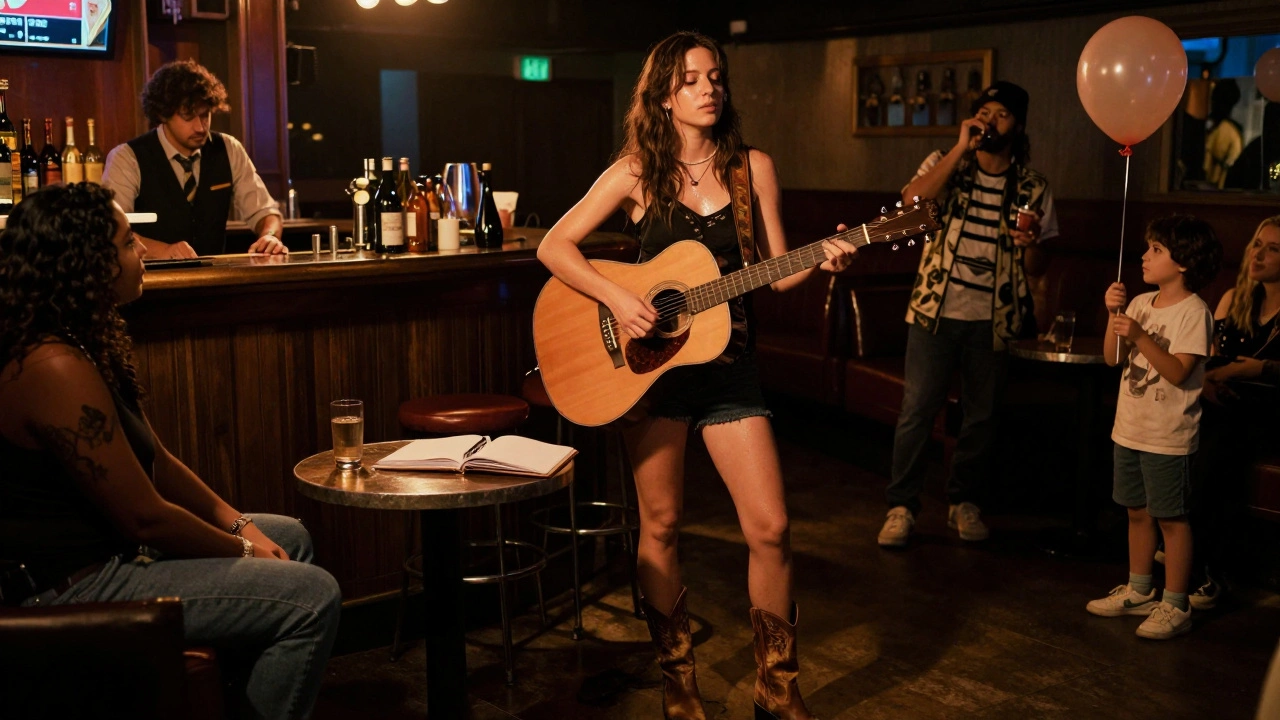
Back in 2022, she walked into a tiny lounge on the Strip with just a guitar, a notebook, and a voice that could shift from soulful jazz to punk-rock snarl in three seconds. The owner didn’t book her that night. He didn’t even know what to call her. "Are you a blues singer? A pop act? A cabaret thing?" he asked. She smiled and said, "I’m whatever you need me to be."
That line became her brand. Not because she was trying to be trendy. But because she had spent years learning how to play, sing, and adapt - not just for gigs, but for survival.
Starting From Nothing in a City That Eats Talent
Las Vegas doesn’t reward talent. It rewards reliability. And versatility.
Alli came from a small town in Arizona with no music industry connections. She moved to Vegas in 2019 with $800, a suitcase, and a laptop running GarageBand. She didn’t have a manager. She didn’t have a label. She had three skills: piano, vocals, and the ability to learn any song in under an hour.
Her first year? She played 317 shows. Not because she was famous. But because she was the only one who could fill every slot.
- Monday night: jazz trio at The Golden Nugget - smooth, smoky, muted trumpet.
- Wednesday: rock cover band at House of Blues - screaming choruses, electric guitar riffs.
- Friday: kids’ birthday party at a hotel - upbeat pop, silly lyrics, dance moves.
- Sunday: funeral service at a chapel - haunting a cappella hymns, no mic needed.
She didn’t pick these gigs. They picked her because she showed up ready for all of them. No excuses. No "I don’t do that."
The Vegas Rule: Be the Only One Who Can Do It All
Most performers in Vegas specialize. A karaoke bar wants a pop singer. A casino wants a classic crooner. A nightclub wants a DJ who can hype the crowd.
Alli didn’t compete in those lanes. She created a new one: the flexible performer.
By 2023, event planners started asking: "Can she do a 45-minute wedding set, then switch to a 90-minute jazz set at midnight?"
She could. And she did - in the same outfit, same mic, same setlist.
She learned how to read a room. If the crowd was quiet, she went acoustic. If they were drunk and loud, she cranked up the amps. If a client wanted Sinatra, she sang Sinatra. If they wanted Billie Eilish, she sang Billie Eilish - with her own twist.
That’s not talent. That’s adaptability.

How She Built Her Skills - Not Just Her Repertoire
Alli didn’t wake up one day able to play 12 genres. She trained like an athlete.
She spent two years doing something no one else in Vegas was doing: 10 hours a week of "genre immersion."
- One day a week: blues. She studied B.B. King’s phrasing, played in dive bars until 3 a.m., asked old musicians for tips.
- Another day: country. She learned pedal steel, wrote songs about desert highways, sang at honky-tonks in Henderson.
- Third day: electronic. She learned Ableton, made remixes of Vegas show tunes, played at underground raves.
She didn’t just learn songs. She learned the culture behind them.
That’s why when a client asked for "1970s disco funk," she didn’t just play "Stayin’ Alive." She played it with the right horn section, the right groove, the right energy - even though she’d never performed it live before.
The Business of Being Flexible
Vegas is a business. And Alli turned her versatility into a business model.
She created three service tiers:
- Standard Set: 30-minute acoustic set. $300. Perfect for hotel lobbies, small weddings.
- Full Show: 90-minute, multi-genre performance with backing tracks. $1,200. For corporate events, upscale parties.
- Custom Night: Client picks 3 genres. She builds a setlist, hires backup musicians if needed. $2,500. For themed events - 80s night, Motown evening, etc.
She didn’t rely on one type of client. She served them all.
By 2024, she was booking 80% of her gigs three months in advance. Not because she had a big social media following. But because venues kept rebooking her - not for one thing, but for everything.

What Set Her Apart From Other Multi-Talented Artists
There are other singers who can do jazz, pop, and rock. So what made Alli different?
She didn’t just switch styles. She switched mindsets.
When she played jazz, she didn’t think like a pop singer. She thought like a saxophonist - slow, breathy, intentional. When she did punk, she didn’t think like a ballad singer. She thought like a mosh pit - raw, fast, unfiltered.
She didn’t perform to impress. She performed to connect.
And Vegas noticed.
In 2025, she was named "Best Independent Performer" by Vegas Weekly. The judges wrote: "She doesn’t fit a category. She redefines them."
The Real Edge: No One Else Was Willing to Do the Work
Most artists in Vegas want to be discovered. Alli wanted to be hired.
She didn’t wait for a record deal. She built a system.
She tracked every gig. Every crowd reaction. Every payment. Every feedback form. She used that data to improve - not just her singing, but her scheduling, her pricing, her marketing.
She didn’t need a viral TikTok. She needed a reliable reputation.
And that’s why, in a city full of stars, Alli Starr became the one people called when they needed someone who could do it all - and do it right.
Her edge wasn’t her voice. It was her willingness to show up - no matter the genre, no matter the crowd, no matter the hour.
How did Alli Starr get her first gig in Las Vegas?
She walked into a small lounge on the Strip and offered to play a free 30-minute set to prove she could handle any style. The owner was skeptical but let her try. She played jazz, rock, and a children’s song - all in one set. He booked her for the next Friday.
What genres can Alli Starr perform?
Alli Starr performs across 12 genres including jazz, blues, country, punk, pop, R&B, disco, funk, soul, classical, electronic, and a cappella. She doesn’t just sing them - she understands their history, instrumentation, and emotional tone.
Why is versatility more valuable in Las Vegas than in other cities?
Las Vegas thrives on variety. Hotels, casinos, and event planners need performers who can adapt to different audiences - from family-friendly brunches to late-night club crowds. A specialist might get one gig. A versatile artist gets 10.
Did Alli Starr have formal music training?
She had basic piano lessons as a child, but most of her skills were self-taught. She learned by playing live, asking veteran musicians for advice, studying recordings, and practicing 10 hours a week in genre-specific immersion sessions.
How does Alli Starr manage to switch between such different styles?
She doesn’t just change her voice - she changes her entire mindset. For jazz, she slows her breathing and focuses on phrasing. For punk, she channels raw energy and physical movement. For classical, she treats each note like a story. She trains her body and mind to shift as quickly as her music.