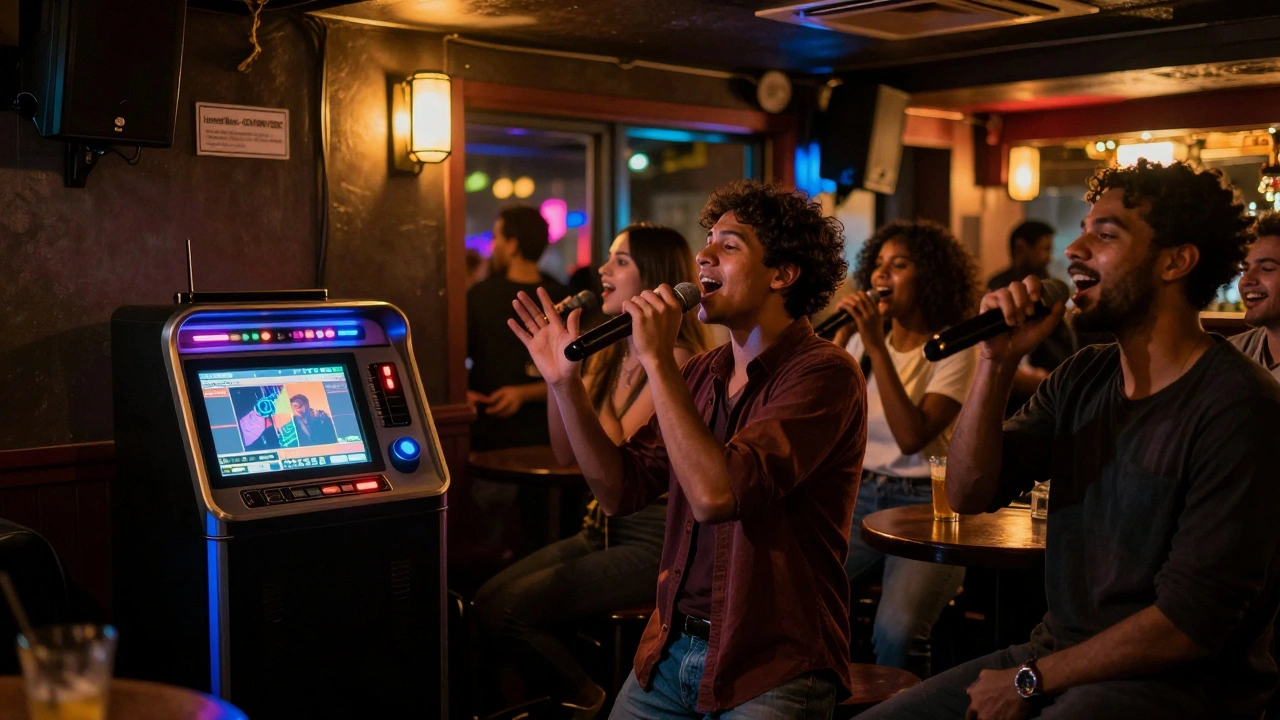
Running a karaoke event isn’t just about picking songs and turning up the volume. If you’re hosting karaoke at a bar, restaurant, community center, or even a private party that’s open to the public, you could be breaking the law-without even knowing it. In 2025, over 1,200 venues in the U.S. received notices from performing rights organizations (PROs) for playing music without proper licenses. That’s not a rumor. That’s what happened in Oregon alone. Alli Starr, a music licensing consultant based in Portland, has helped more than 300 karaoke hosts avoid fines, shutdowns, and lawsuits. Here’s her no-fluff compliance checklist.
Why Karaoke Licensing Isn’t Optional
Just because you’re not playing CDs or streaming Spotify doesn’t mean you’re in the clear. Karaoke tracks are still protected music. When you play a song-whether through a karaoke machine, YouTube video, or a custom playlist-you’re publicly performing it. Under U.S. copyright law, that requires a license. It doesn’t matter if you’re not charging admission. It doesn’t matter if you’re not making money off the event. If people outside your immediate family are present, you’re legally required to have permission.
The three major performing rights organizations in the U.S. are ASCAP, BMI, and SESAC. They represent the rights of songwriters, composers, and music publishers. If you play a song written by someone they represent, you owe them a fee. Most karaoke songs fall under their catalogs. Even if you think you’re using "royalty-free" tracks, double-check. A lot of YouTube karaoke videos are uploaded illegally. Playing them doesn’t make you safe-it makes you liable.
Alli Starr’s 5-Step Compliance Checklist
Here’s what actually works, based on real cases she’s handled. Skip any step, and you’re risking a fine.
- Identify your venue type. Is this a bar? A restaurant? A church? A private home with 50+ guests? Each has different rules. Bars and restaurants are held to the strictest standards. Even if you have a liquor license, that doesn’t cover music.
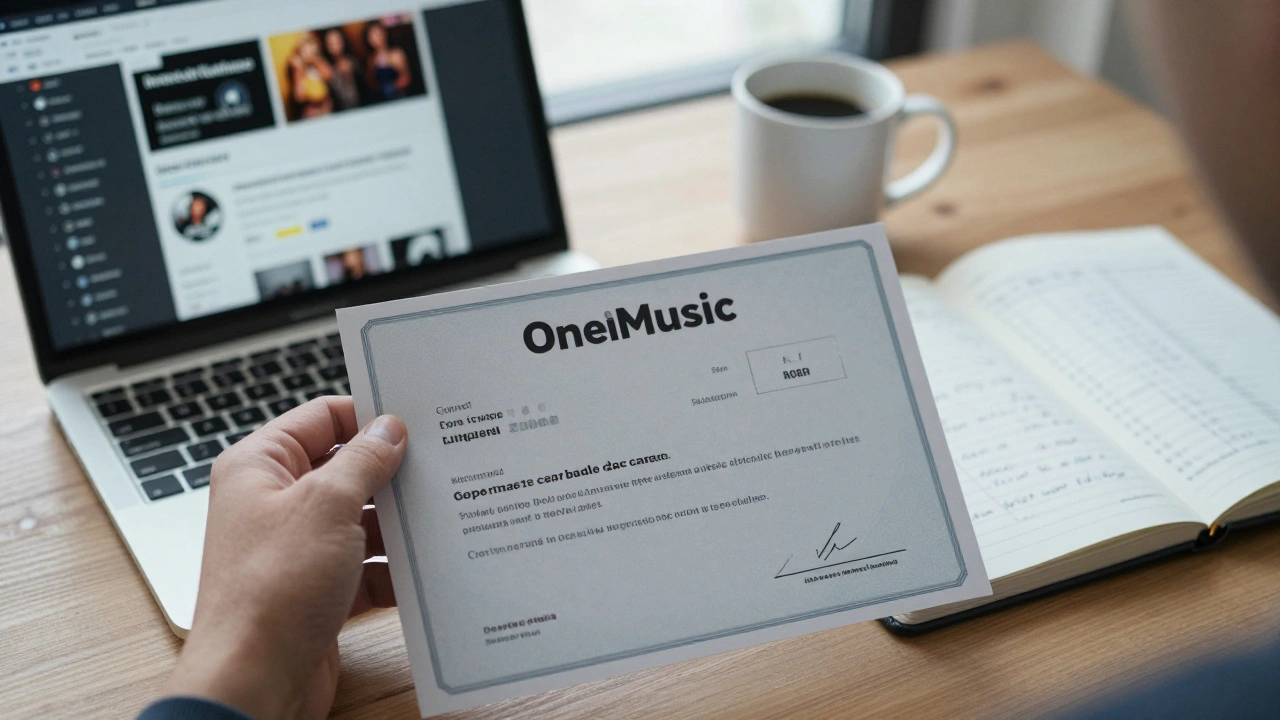
- Check if your venue already has a license. Many venues already pay blanket licenses through ASCAP, BMI, or SESAC. Ask for proof. If they say "yes," ask for a copy of the license certificate. If they can’t produce it, you’re not covered.
- Get your own license if needed. If the venue doesn’t have one, you must get one. For small events (under 100 people), a limited license through OneMusic costs under $150/year. For larger venues or recurring events, you’ll need a direct license from ASCAP or BMI. Rates vary by seating capacity and frequency of use.
- Use licensed karaoke sources only. Don’t use YouTube, TikTok, or random websites. Use services like Karaoke Cloud, Soundtrack Your Brand, or Qubik-they’re pre-cleared for public performance. These services handle the licensing for you. You pay them, and they pay the PROs.
- Keep records. Save your license, receipts, and the list of songs you play. If you get audited, you need to prove you’re compliant. Alli’s clients who kept digital logs avoided $10,000+ fines during random inspections in 2024.
What Happens If You Don’t Comply?
It’s not a warning letter. It’s a lawsuit.
In 2023, a small karaoke night in Eugene, Oregon, was hit with a $27,500 fine after a single complaint from ASCAP. The owner thought they were fine because they "only played classic rock" and "never charged extra." The court didn’t care. The PROs don’t negotiate. They don’t give second chances. They send auditors. They track song plays through digital logs. They know what you played, when, and how many people were there.
Fines start at $750 per song, per performance. If you played 20 songs at one event? That’s $15,000. Multiply that by 12 events a year? You’re looking at $180,000. And that’s just the start. Legal fees, court costs, and reputational damage can easily push the total over $250,000.
There’s no statute of limitations. If you played unlicensed music three years ago, they can still come after you. That’s why Alli says: "Don’t wait for a notice. Get covered before your first song."
Common Myths About Karaoke Licensing
Let’s clear up the biggest lies people believe:
- Myth: "I bought the karaoke machine, so I can play anything." Truth: Buying hardware doesn’t grant music rights. It’s like buying a printer and thinking you can copy any book.
- Myth: "I’m not making money, so I don’t need a license." Truth: Public performance rights apply whether you profit or not. A free event at a library still needs a license.
- Myth: "YouTube is free, so I can use it." Truth: YouTube’s terms of service forbid public performance. If you play a YouTube karaoke video at your bar, you’re violating both copyright law and YouTube’s terms.
- Myth: "My venue handles it." Truth: Many venues don’t. Ask for proof. Don’t assume.
- Myth: "I only play covers or old songs." Truth: Songs from the 1960s? Still protected. Copyright lasts 95 years after publication. "My Way," "I Will Survive," "Sweet Caroline"-all still under license.
Where to Get Licensed Karaoke (Legally)
You don’t need to spend thousands. Here are three affordable, legal options Alli recommends:
| Service | Cost (Annual) | License Coverage | Best For |
|---|---|---|---|
| OneMusic | $149 | ASCAP, BMI, SESAC | Small venues, monthly events |
| Karaoke Cloud | $199 | Full PROs + 10,000+ tracks | Bars, restaurants, recurring events |
| Soundtrack Your Brand | $399 | Full PROs + curated playlists | High-end venues, corporate events |
All three services include automatic reporting. You don’t have to log songs. They do it for you. You get a digital license certificate. You can download it. You can show it to inspectors. You can sleep at night.
What About Private Parties?
If you’re hosting karaoke at your house, and only friends and family are there? No license needed. But if you invite coworkers, neighbors, or post it on Facebook as "open to all," you’ve crossed into public performance. The line is blurry. Alli’s rule: If it’s on social media, assume it’s public. If you’re charging even $5 for entry, you’re definitely public. Don’t risk it.
What If You’re Already Playing Unlicensed Music?
Stop immediately. Don’t wait for a letter. Don’t hope it goes away.
Switch to a licensed service today. Start with OneMusic if you’re on a tight budget. It’s the cheapest way to get fully compliant. Then, go through your past events. If you’ve hosted more than 10 karaoke nights in the last year, contact a music licensing attorney. Some PROs offer amnesty programs if you come forward voluntarily. You’ll still pay back fees-but you’ll avoid triple damages and court.
Final Word: Don’t Guess. Get Covered.
Karaoke is fun. But it’s not worth a lawsuit. You don’t need to be a music lawyer to stay legal. You just need to know the rules and take one simple step: get a license.
Alli Starr’s advice? "If you’re hosting karaoke more than twice a year, you’re a business. And businesses pay for licenses. It’s not a cost-it’s insurance. Pay $150 now, or risk $25,000 later. The math is simple."
Do I need a license if I only play instrumental karaoke tracks?
Yes. The underlying composition-the melody, lyrics, and structure-is still protected by copyright. Even if you remove the vocals, you’re still performing the song. Instrumental tracks don’t bypass licensing.
Can I use a Spotify playlist for karaoke?
No. Spotify’s terms only allow personal, non-commercial use. Playing it in a public space violates both Spotify’s agreement and copyright law. Even if you have a Premium account, it doesn’t extend to public performances.
What if I only play songs from the 1950s?
Copyright lasts 95 years from publication. Most songs from the 1950s are still under license. "Hound Dog," "Blue Suede Shoes," "Great Balls of Fire"-all are still protected. Don’t assume old = free.
Can I get a one-time license for a single event?
Yes. ASCAP and BMI offer temporary licenses for single events. Costs range from $75 to $300 depending on attendance. Contact them directly. Don’t use third-party sites that promise "one-day licenses"-many are scams.
Are churches exempt from karaoke licensing?
Only if the performance is part of a religious service. If you’re hosting a karaoke night after church, or using music for a social event-even if it’s in a church building-you need a license. The religious exemption is narrow and doesn’t cover entertainment.