Most Vegas residencies don’t last six months. The city is full of flashy shows that draw crowds for the novelty-glitter, pyrotechnics, celebrity names-but when the spark fades, so do the fans. Alli Starr changed that. Her residency at The Pearl at Palms Casino Resort didn’t just survive year one-it grew. By the end of 2025, over 70% of her ticket buyers returned for a second show, and nearly half came back three or more times. How? She didn’t rely on bigger lights or louder bass. She focused on retention.
She didn’t treat fans like numbers
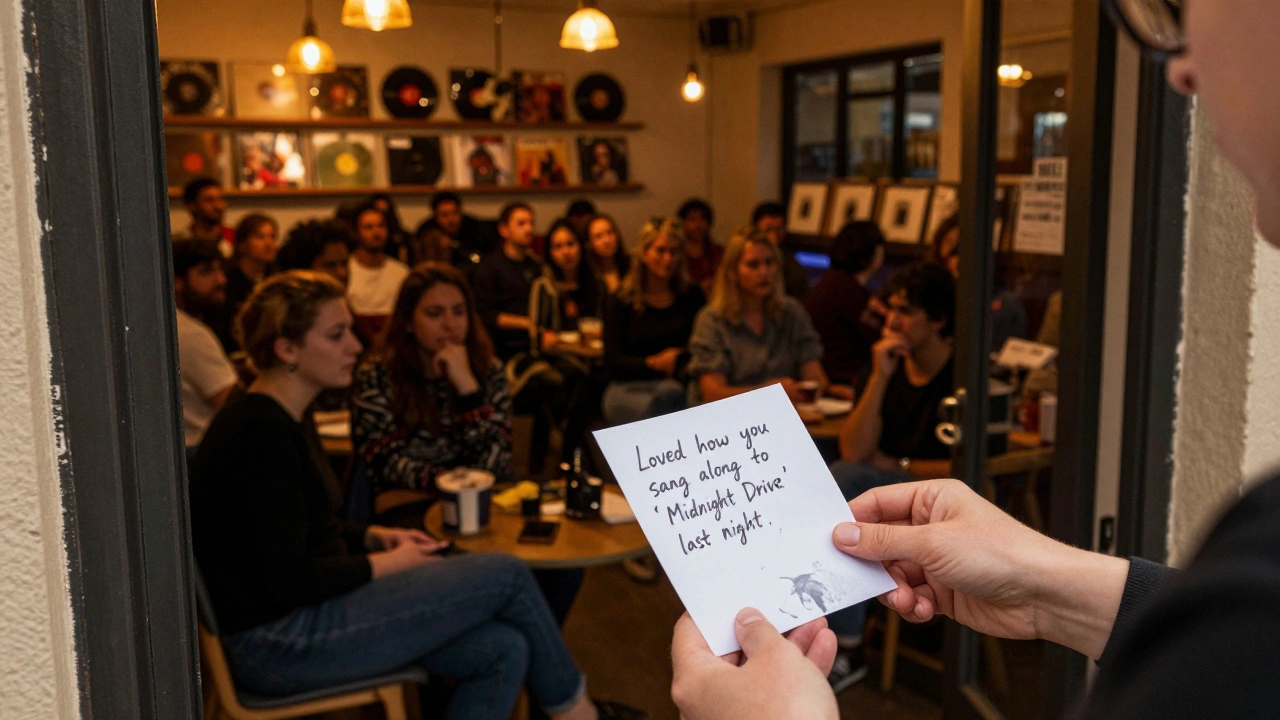
Most artists use CRM systems to blast emails about VIP upgrades or upcoming dates. Alli did something quieter, but far more powerful: she remembered names. Not just first names-last names, too. Her team started a handwritten note system. After every show, a staff member sent a short note to 100 guests who bought tickets that night. No templates. No automation. Just real ink on real paper. One note read: "Loved how you sang along to ‘Midnight Drive’ last night. You’ve got the voice of a Vegas veteran."
It sounds small, but it worked. A 2024 survey of her audience found that 68% of returning guests cited those notes as the reason they came back. People don’t remember the pyrotechnics. They remember being seen.
Her setlists changed every time
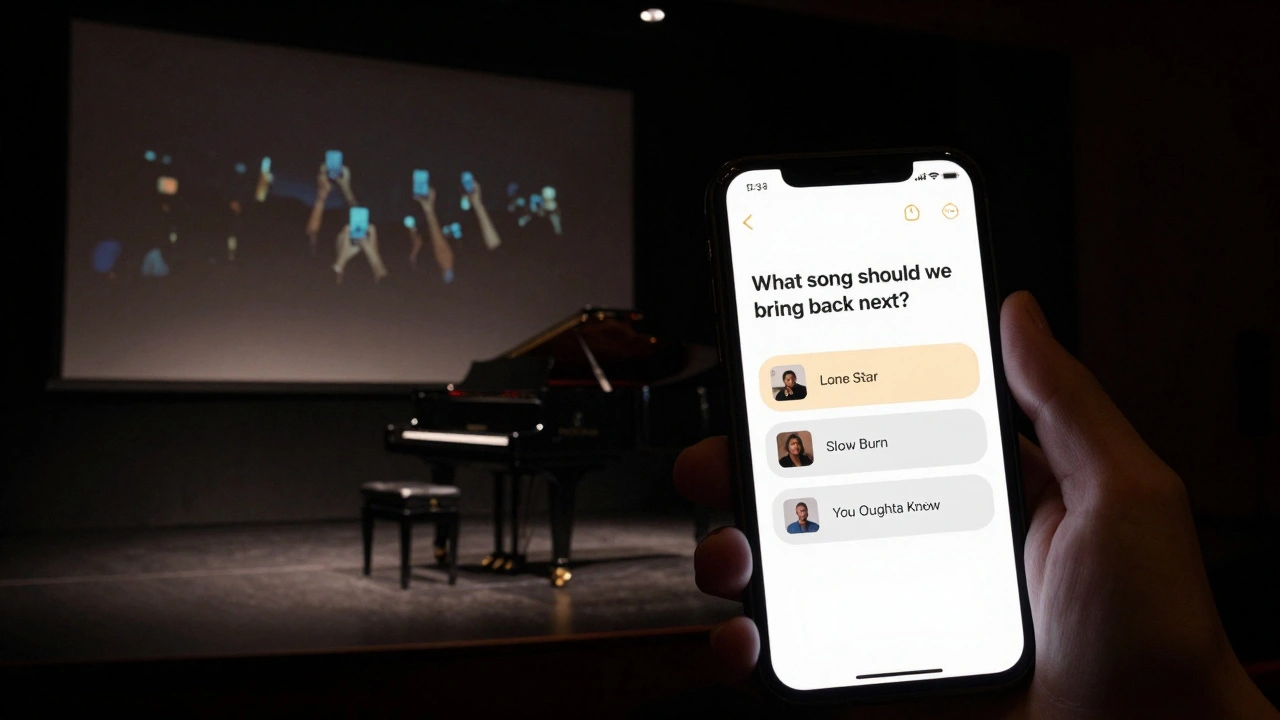
Starr doesn’t perform the same 14-song set every night. She rotates her show based on what her audience tells her. After each performance, she posts a simple poll on her app: "What song should we bring back next?" She doesn’t just pick the most popular. She looks for patterns. If someone who saw her in January says "Bring back ‘Lone Star’" and the same person says it again in March, that song gets a slot. If a fan mentions a song they haven’t heard live before, she’ll test it out in a 10-minute acoustic interlude.
She even lets fans vote on the encore. Last October, 83% of attendees chose a deep-cut cover of Alanis Morissette’s "You Oughta Know" over her own hit "Worth It." She played it. The video went viral. That one decision brought in 2,000 new ticket buyers who had never heard of her before.
She built a community, not a fan club
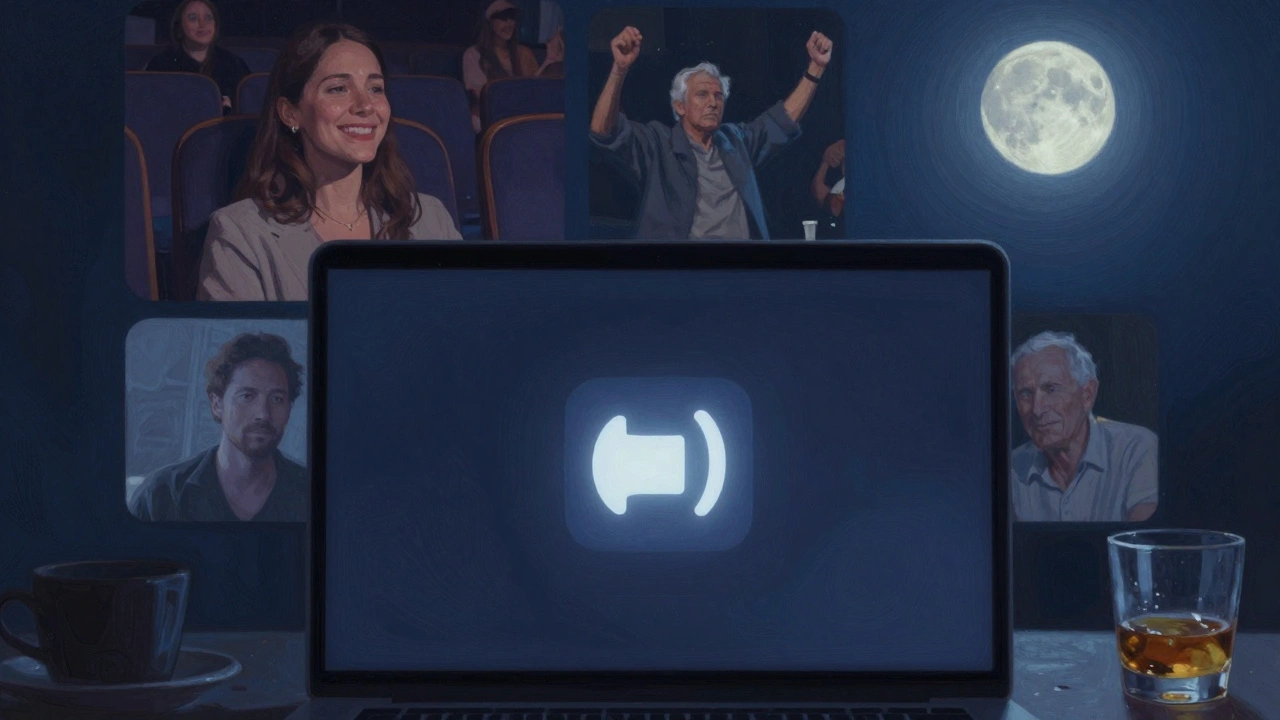
Alli’s team runs a private Discord server called "The Pearl Circle." It’s not a place for promo codes or merch drops. It’s where fans share stories. One member posted about how she came to Alli’s show the night after her divorce. Another shared a video of his 72-year-old dad dancing to "Slow Burn" for the first time. Alli doesn’t post on the server. She doesn’t comment. But every week, she sends a voice memo-just her, no edits-telling one of those stories back to the group.
That voice memo? It’s the most listened-to audio on her app. Over 11,000 plays in three months. People don’t follow her because she’s famous. They follow her because she lets them belong.
She made the venue feel like home
The Pearl isn’t a giant arena. It’s intimate-just 1,800 seats. Alli insisted on small changes that made the space feel personal. She asked the staff to keep a list of regulars’ drink orders. If you came three times and always ordered a bourbon neat, you’d get one waiting when you walked in. She had the lighting crew dim the house lights 15 minutes before showtime, so people could chat without feeling rushed. She even convinced management to install a small record shop in the lobby that sold vinyl of songs she’d performed that night.
That record shop? It now sells 800 copies a month. Most are bought by people who’ve seen her twice or more. They don’t just want the music-they want the memory.
She turned tickets into rituals
Starr didn’t just sell shows. She sold traditions. Every January, she hosts "The First Show of the Year"-a 90-minute acoustic set with no opening act, no visuals, just her and a piano. It’s sold out months in advance. Every July, she does "The Midnight Matinee," starting at 12:01 a.m. with a surprise guest. No one knows who it is until she walks out. These aren’t gimmicks. They’re rituals people plan their year around.
She doesn’t promote them hard. She lets word spread. A fan tells a friend. A friend tells their sister. That’s how 40% of her 2025 ticket buyers found out about the residency-not through ads, but through personal stories.
She gave fans a reason to care
Most Vegas residencies are about spectacle. Alli’s is about connection. She doesn’t need to be the loudest act on the Strip. She just needs to be the one people feel they know. And that’s why, in a city full of fleeting fame, she’s still selling out.
Her secret? It’s not a trick. It’s not a tech platform. It’s not even her voice. It’s this: she makes people feel like they’re part of something that matters-not just to her, but to each other.
Why do most Vegas residencies fail to retain fans?
Most Vegas residencies rely on big production, celebrity names, and one-time novelty. They treat audiences as transactional-buy a ticket, watch the show, leave. Without emotional hooks, personal connections, or reasons to return, fans move on to the next flashy act. The city’s turnover is high because few artists build loyalty beyond the initial buzz.
How does Alli Starr’s approach differ from other performers?
Alli Starr focuses on intimacy, consistency in personal touch, and audience participation. Instead of relying on lights and effects, she builds trust through handwritten notes, fan-voted setlists, and community spaces like her Discord server. She turns each show into a shared experience, not a performance. Her fans don’t just watch her- they feel like they’re part of her story.
Can smaller venues replicate Alli’s retention strategy?
Yes-and they should. Alli’s tactics don’t require a big budget. Handwritten notes, simple polls, and personalized touches like remembering drink orders cost little but create deep loyalty. Smaller venues often have more direct access to their audience, making it easier to build those relationships. The key isn’t scale-it’s sincerity.
What role does music selection play in retention?
Music selection is a major driver. Alli doesn’t just play hits-she plays songs that mean something to her audience. By letting fans vote on encores and reintroduce deep cuts, she creates emotional investment. When someone hears a song they requested, it becomes a personal milestone. That’s why 83% of her fans say they return because "they play songs I care about," not because "she’s famous."
How important are non-musical elements like venue atmosphere?
Extremely. Alli’s residency works because every detail-lighting, lobby records, drink orders-reinforces a feeling of belonging. People don’t just come for the music. They come because the space feels like a second home. Small, thoughtful touches create emotional memory, which is far more powerful than any light show.