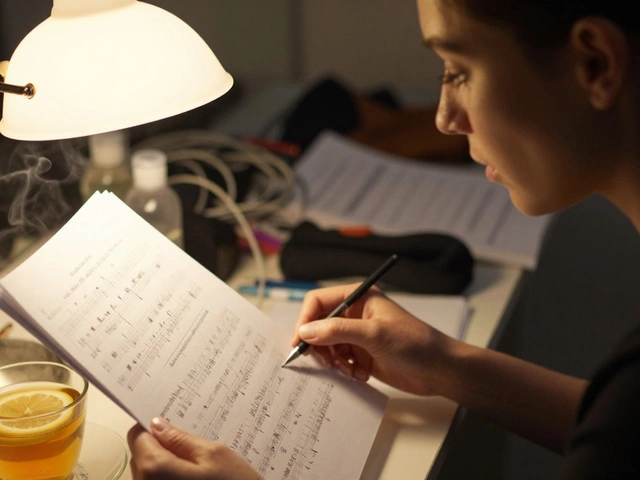
Most songwriters think co-writing is about blending two voices into one song. But the real magic doesn’t happen when you combine melodies-it happens when you stop trying to control the outcome. Alli Starr, a Nashville-based songwriter with over 40 charting singles, has spent the last decade teaching writers how to show up differently in the room. Her approach isn’t about rules. It’s about rhythm. And if you’ve ever walked out of a co-write feeling drained, confused, or worse-like you didn’t write anything at all-you need to hear what she’s learned.
It’s Not About Who Writes What
Alli’s first rule? Stop counting lines. Don’t track who wrote the chorus, who fixed the bridge, or who suggested the hook. That mindset kills momentum. In her sessions, she asks everyone to sign a silent contract: no credit talk until the song is done. It sounds simple, but it changes everything. When you stop worrying about ownership, you start listening harder. You stop defending your idea and start building on it.
She remembers a session with a new writer who kept saying, “I wrote that part last year.” Alli just nodded and said, “Cool. Let’s see what happens if we flip it.” The next day, that “old” part became the hook. The writer didn’t get a bigger cut. But he got a better song-and he came back the next week.
The 10-Minute Rule
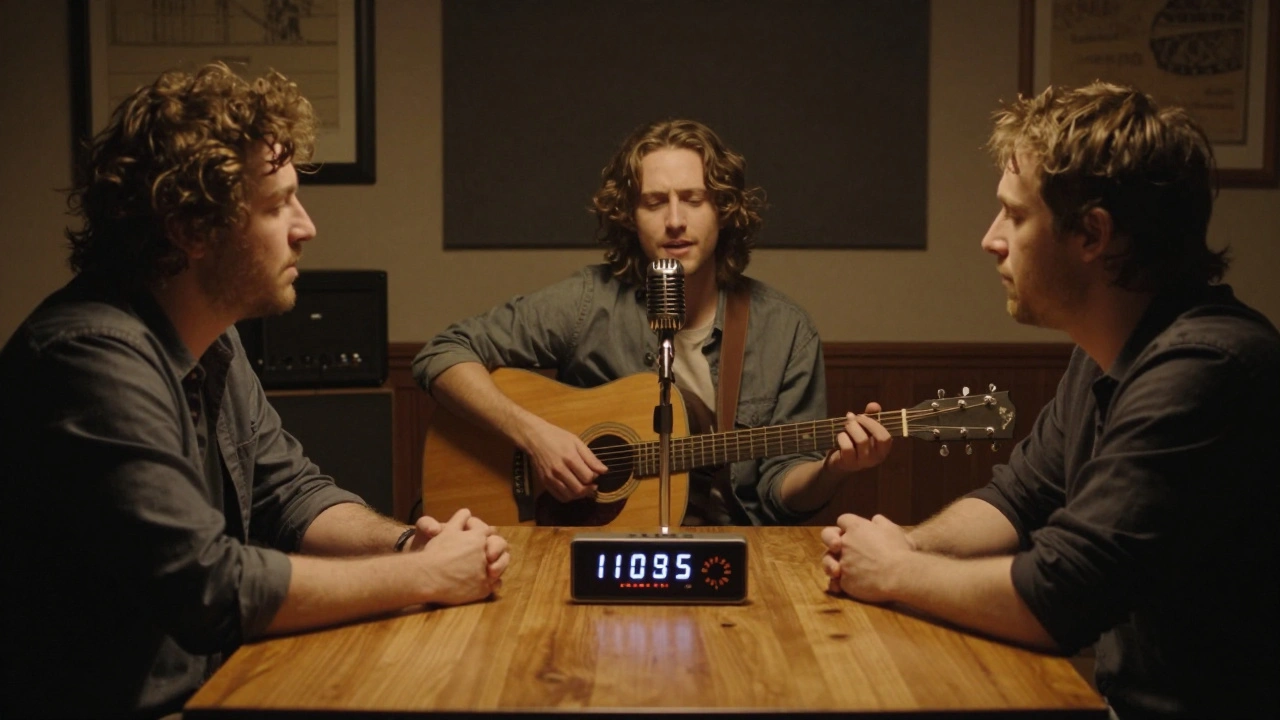
Most co-writes start with small talk. Coffee. Pets. Last weekend. Alli skips it. She sets a timer. Ten minutes. That’s it. No exceptions. Within that window, everyone has to share one raw idea. No polish. No explanation. Just a line, a chord change, a hummed melody. It doesn’t have to make sense. It just has to be real.
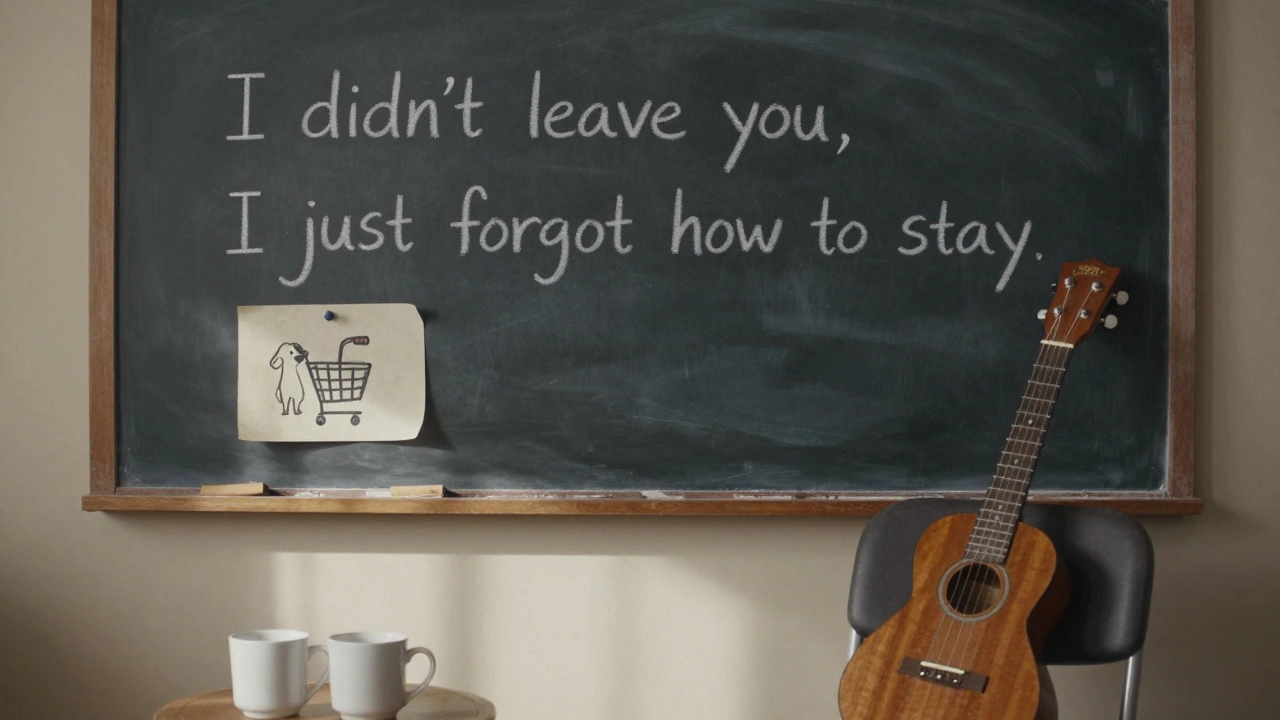
One writer brought in a phrase he’d scribbled after a fight with his sister: “I didn’t leave you, I just forgot how to stay.” He was embarrassed. Alli wrote it on the board. Ten minutes later, they had the chorus. That line became the title track of her 2024 album, Still Here.
Why ten minutes? Because that’s how long it takes to get past your filter. After that, you’re just playing. And playing is where the best stuff lives.
One Mic, One Note
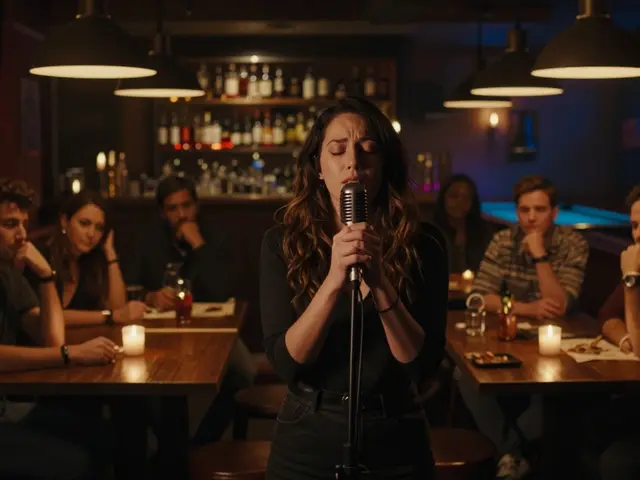
Here’s something you won’t find in any songwriting book: Alli doesn’t let anyone play guitar or piano during the first draft. No instruments. Just voices. One person sings the idea. The others listen. No harmonizing. No adding chords. No “what if we try this?”
Why? Because instruments distract from the emotion. A chord can make a sad line sound hopeful. A rhythm can bury a lyric’s weight. If the words don’t land on their own, they won’t land with music either.
She had a writer come in with a perfect melody. But the lyrics were generic: “I miss you when the moon is high.” Alli made him sing it without accompaniment. He paused. Then whispered, “I miss you when the hospital light stays on.” The change wasn’t poetic. It was true. And that’s what stuck.
Write the Wrong Song
Alli’s most controversial rule: write the song you don’t want to write. If you’re stuck on a breakup song, write about your dog dying. If you’re writing about love, write about losing your job. If you’re trying to sound country, write a synth-pop anthem.
It sounds backwards. But here’s the trick: when you remove the pressure to be “you,” your voice gets louder. A writer once came in wanting to write a radio-ready pop song. Alli handed her a ukulele and said, “Sing about the time you cried in the grocery store because you couldn’t afford baby formula.”
That song became “Aisle 7,” a quiet indie hit that led to a major label deal. Why? Because it was honest. And honesty doesn’t care what genre you’re supposed to be.
Leave the Room
Co-writing isn’t about staying in the room longer. It’s about knowing when to leave. Alli ends every session with a hard stop: 90 minutes. No exceptions. If the song isn’t done, she says, “We’ll come back.”
She’s seen writers drag out sessions for hours, trying to fix one line. They end up with a song that’s technically perfect but emotionally flat. Alli’s rule? If you’re still arguing over a word after 90 minutes, you’re not writing-you’re editing.
She once co-wrote a song with a producer who insisted on redoing the bridge six times. They spent five hours on it. The next day, Alli played the original version. The producer said, “That’s the one.” Sometimes, your first instinct is your best one.
What Happens After the Session
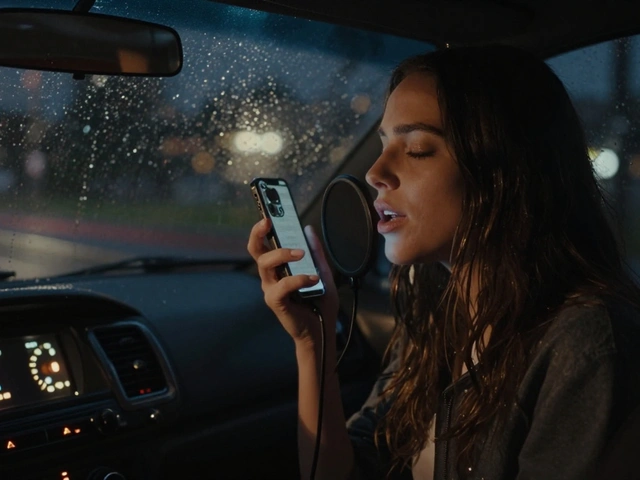
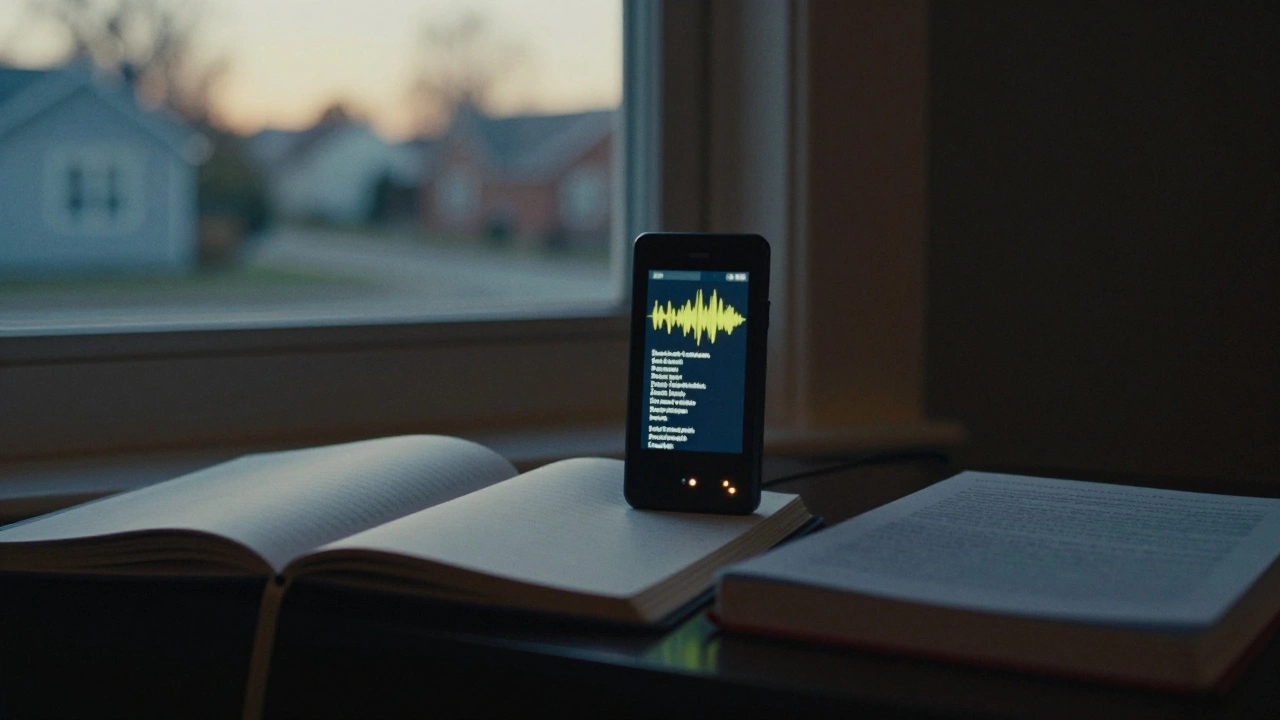
Many writers think the work ends when the last chord rings out. Alli says the real work starts after you walk out. She sends everyone a voice memo of the rough take within 24 hours. No polished versions. No sheet music. Just the raw recording-with all the mistakes, laughs, and half-sung lines.
That’s when the real collaboration begins. Someone might hear a new melody in a stumble. Another might notice a phrase that wasn’t intentional but feels right. One writer found a hidden hook in a cough between verses. They used it in the outro.
She also asks everyone to write down one thing they didn’t say during the session. A fear. A doubt. A line they were too scared to share. Those notes become the next song.
Why This Works
Alli’s method isn’t about talent. It’s about trust. It’s about creating space where people feel safe enough to be messy. Most co-writes fail because they’re too polished too soon. Too many egos. Too many rules. Too much pressure to be great.
Her sessions don’t always produce hits. But they always produce growth. Writers who work with her regularly say they stop worrying about sounding good-and start worrying about sounding true.
There’s no magic formula. No secret software. No app that can teach this. It’s just presence. Listening. Letting go. And sometimes, singing a line that makes you want to cry-even if you’re not supposed to.
Try This Tomorrow
Here’s how to start today:
- Find one writer you admire. Not someone famous. Someone whose voice you feel in your chest.
- Set a timer for 10 minutes. No instruments. Just talk. Sing. Hum. Whatever comes out.
- Don’t fix it. Don’t explain it. Just let it exist.
- After 90 minutes, stop. Walk away.
- Send the recording the next day. No notes. Just say: “What did you hear?”
You might not write a hit. But you might write something that feels like yours again.