Most songwriters chase big emotions. They want their words to hit like a punch to the chest. But how do you turn a quiet memory into something that makes a stranger feel like you’re speaking directly to them? Alli Starr doesn’t write songs. She digs. She digs through her own past like an archaeologist sifting through dirt, looking for fragments that still hum with meaning. And then she turns those fragments into metaphors that stick.
What Makes a Metaphor Stick in a Song?
A metaphor in a lyric isn’t just a fancy way of saying something. It’s a shortcut to feeling. When Starr sings, "I was a kettle whistling on an empty stove," you don’t just picture a kettle. You feel the loneliness. You remember a time you were waiting for someone who never came. That’s the power of her mining. She doesn’t say "I was alone." She gives you a sensory, specific image that carries the weight of that feeling without ever naming it.
Most lyrics rely on tired comparisons: hearts like roses, love like fire. Starr’s metaphors come from real places. Her grandmother’s kitchen. The smell of rain on old asphalt. The way a porch swing creaks when no one’s sitting in it. These aren’t poetic abstractions. They’re lived-in details. And that’s why they work.
How Alli Starr Mines Her Memory
Starr keeps a notebook. Not a fancy one. A spiral pad with coffee stains and torn corners. She doesn’t write songs in it. She writes fragments:
- "Dad’s watch stopped at 3:17 the day he left."
- "The hospital chair smelled like burnt toast and antiseptic."
- "My best friend’s laugh sounded like a radio tuning between stations."
These aren’t lyrics. They’re raw material. She lets them sit. Weeks. Sometimes months. Then, when she’s writing, she picks one up and asks: What does this feel like? Not what it means. What it feels like.
That’s her process. She doesn’t force meaning. She lets the emotion rise from the detail. The stopped watch? It became "time froze in the pocket of your coat, still ticking but never moving." The burnt toast smell? It turned into "love doesn’t smell like roses. It smells like the last toast you made before you knew you’d never eat together again."
The Technique: Sensory Anchoring
Starr’s secret isn’t complexity. It’s precision. She anchors abstract emotions to physical senses:
- Sight: The way light falls through a dusty window at 4 p.m. in winter.
- Sound: The muffled thump of a bassline through a thin apartment wall.
- Smell: The sharp tang of chlorine after swimming in a public pool.
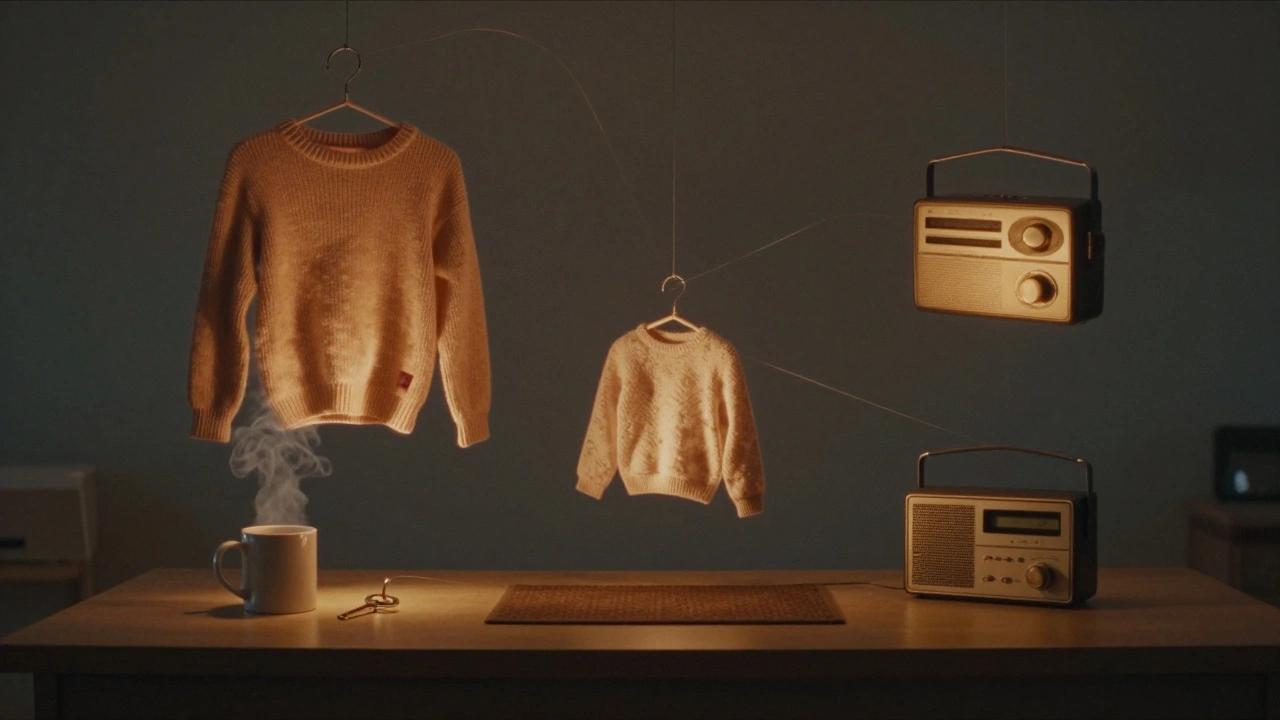
- Touch: The way a sweater shrinks in the dryer and clings to your skin like a second layer of shame.
- Taste: The metallic aftertaste of crying too hard.
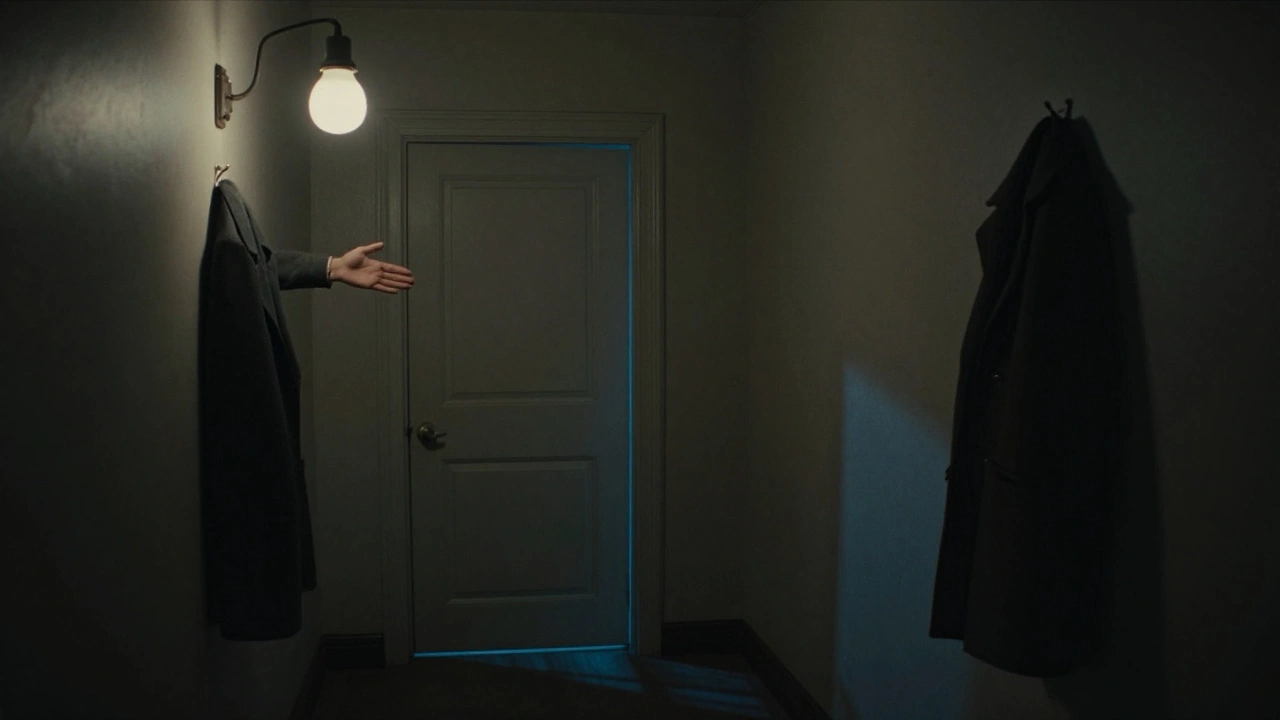
When she writes, she doesn’t say "I felt abandoned." She says "I kept the door unlocked for a year. Just in case. The key still fit, but no one turned it." The metaphor isn’t in the words. It’s in the action. The detail. The silence between them.
Why This Works for Listeners
People don’t connect with universal truths. They connect with specific truths that feel personal. Starr’s lyrics work because they’re specific enough to be real, but open enough to be yours.
When you hear "I wore your hoodie until the sleeves frayed and the zipper broke," you don’t think about Alli Starr. You think about your own hoodie. The one you kept after the breakup. The one you still sleep with sometimes. You didn’t know you felt that way until you heard it.
This is the magic of metaphor mining. It doesn’t tell you how to feel. It hands you a key to a room you didn’t know you locked.
Common Pitfalls and How Starr Avoids Them
Most songwriters try too hard. They reach for grand metaphors. They use clichés disguised as poetry. Starr avoids this by sticking to three rules:
- Only use memories you’ve actually lived. If you’ve never sat in a hospital waiting room, don’t write about the smell of the chairs. Your audience will feel the lie.
- Don’t explain the metaphor. If you say "My heart was a broken clock, meaning I couldn’t move on," you’ve killed it. Let the image breathe.
- Let the emotion come from the object, not the label. Don’t say "I was sad." Say "I washed the same dish three times. The water got cold."
Her song "The Last Light in the Hallway" is built on one memory: her mother turning off the hallway light every night, even when no one was in the room. The lyric? "You left the door open. Said you’d be back. But you turned off the light anyway." No mention of death. No mention of abandonment. Just a quiet, haunting detail that says everything.
How to Start Mining Your Own Memory
You don’t need to be Alli Starr. You just need to be honest. Here’s how to begin:
- Find five ordinary moments from your past that still sting a little. Not big events. Small ones. The kind you don’t talk about.
- Write them down without editing. Just the facts. What did you see? Hear? Smell? Feel?
- Let them sit for a week. Don’t try to turn them into lyrics.
- When you’re ready, pick one. Ask: What does this feel like? Not what it means. What does it feel like?
- Turn that feeling into a physical image. A thing you can touch. A place you can see.
- Write the lyric without saying the emotion.
Try this: "I kept your coffee mug on the counter. Even though I never drank coffee." That’s not a metaphor. That’s a memory. But it’s also a whole song.
The Real Power of Starr’s Method
Alli Starr doesn’t write songs to be understood. She writes them to be remembered. Her lyrics aren’t meant to be analyzed. They’re meant to be felt. And they stick because they’re not about grand truths. They’re about the quiet, messy, real things we all carry but never say out loud.
Her best songs don’t make you cry. They make you pause. Midway through your morning, you’ll hear a line in your head. And suddenly, you’re back in that kitchen. That car. That hallway. And for a second, you’re not alone.
What makes Alli Starr’s metaphors different from other songwriters?
Starr’s metaphors come from specific, sensory-rich memories-not abstract ideas or clichés. She avoids saying how someone feels and instead shows it through small, tangible actions: a stopped watch, a cold dish, a hallway light turned off. This makes her lyrics feel real, not poetic. Listeners don’t just hear them-they recognize themselves in them.
Can anyone learn to write metaphors like Alli Starr?
Yes. It doesn’t require talent. It requires honesty. You need to dig into your own quiet, unspoken memories-not the big life events, but the small moments that still carry weight. Write them down. Let them sit. Then turn them into physical images. The more specific you are, the more universal the feeling becomes.
Why do simple details work better than big emotions in lyrics?
Big emotions like "heartbreak" or "loneliness" are too broad. They don’t connect. But a detail-like the smell of burnt toast in a hospital room-triggers a personal memory in the listener. That’s when they feel seen. The emotion lives in the detail, not the word.
Is it better to write lyrics from real life or imagination?
Real life wins every time. Imagination can create beautiful images, but they lack the weight of lived experience. Starr’s lyrics work because they’re rooted in things she actually saw, smelled, or touched. Listeners can sense when something’s made up. They feel the truth when it’s real.
How do you avoid clichés when writing metaphors?
Avoid words like "fire," "storm," "heart," and "broken." Instead, dig into your own environment. What’s in your attic? What does your old car smell like? What’s the sound of your alarm clock on a Sunday? The more ordinary the object, the more powerful the metaphor becomes when it’s tied to a real feeling.