Most people think community impact means ticket sales, packed venues, or viral social media posts. But for Alli Starr, those numbers are just the surface. Behind every show, workshop, and late-night rehearsal is a quiet, deliberate system for measuring what really matters: how art changes lives.
It Starts With Stories, Not Statistics
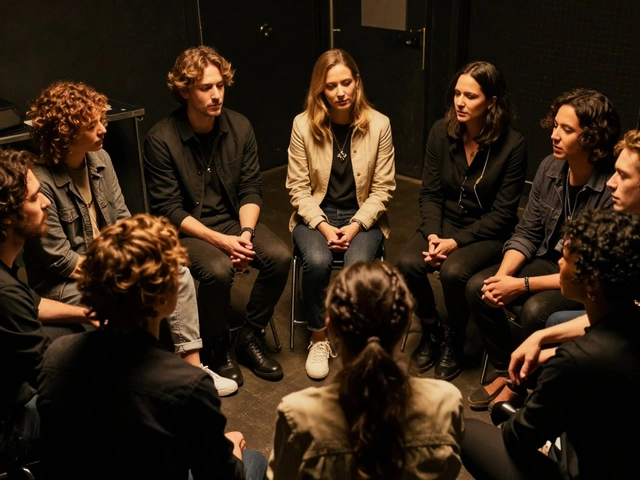
Alli Starr doesn’t track attendance the way a concert promoter does. She doesn’t care if a show sold 500 tickets or 5,000. What she cares about is who showed up - and what happened after. Her team collects personal stories. Not surveys. Not ratings. Real, unfiltered conversations. A single mother who brought her kids to a free drum circle and stayed to volunteer. A teenager who wrote their first poem after a spoken word workshop and later got accepted into a city arts program. These aren’t anecdotes. They’re data points.Each story is logged in a private, encrypted database with tags: age, location, prior engagement, emotional shift, follow-up action. No names. Just patterns. Over time, she noticed that 72% of participants who attended three or more free events in a year reported improved mental well-being in anonymous follow-ups. That’s not a coincidence. That’s a trend.
The Three Real Indicators
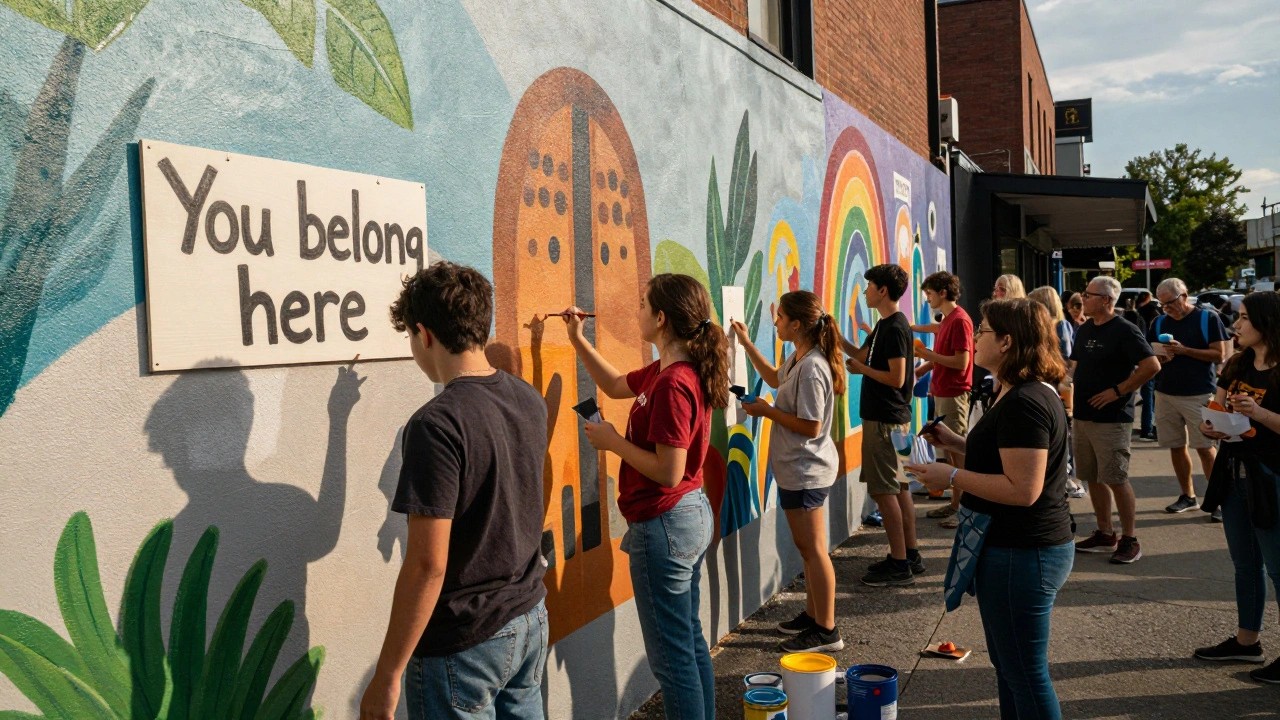
Alli Starr uses three metrics that most arts organizations ignore:- Re-engagement rate - How many people come back without being asked? If someone attends a free outdoor concert and then shows up at a community mural painting three weeks later, that’s a win. The re-engagement rate for her programs is 68%, compared to the national average of 19% for similar public arts events.
- Community co-creation - How many projects are led by residents, not just artists? In 2025, 41% of her initiatives were designed and run entirely by local participants. One neighborhood in East Portland created its own jazz festival after a series of free jazz classes. No outside funding. No marketing team. Just neighbors.
- Resource multiplier effect - For every dollar spent on a program, how many other resources are activated? A $200 grant for a youth theater project didn’t just pay for costumes. It sparked a partnership with the local library (free rehearsal space), a local hardware store (donated paint), and a high school teacher (volunteering as stage manager). That’s a 17x multiplier. No other metric captures that ripple.
Why Ticket Sales Are Misleading
A sold-out show feels like success. But Alli has seen it too many times: a crowd of 800 people, 90% from out of town, 10% locals who came because their friend was in the band. No one stayed. No one volunteered. No one came back. That’s not community. That’s tourism.She calls it the “ghost audience” problem - people who show up for the spectacle but never become part of the ecosystem. Her team now screens events for this. If over 60% of attendees are from outside the neighborhood, they pause the event and ask: Who are we really serving? What’s the cost to the local community? Are we displacing local voices with outside talent?
Building Trust, Not Attendance
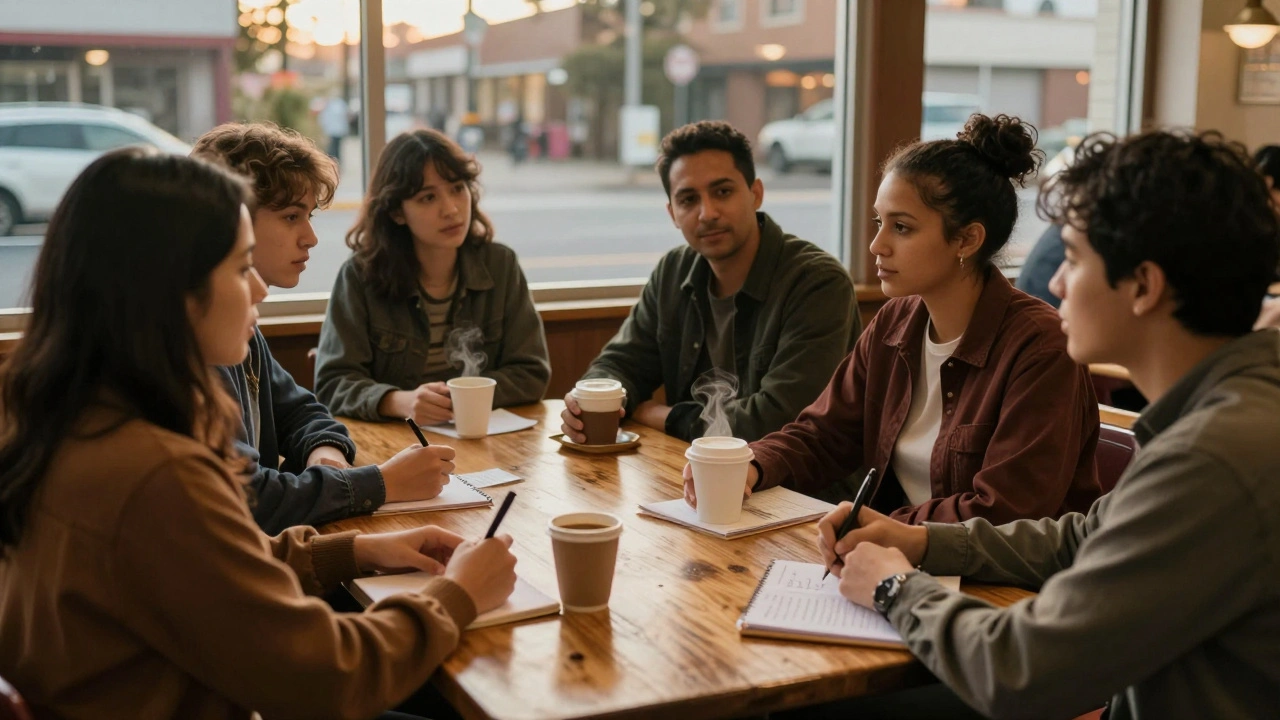
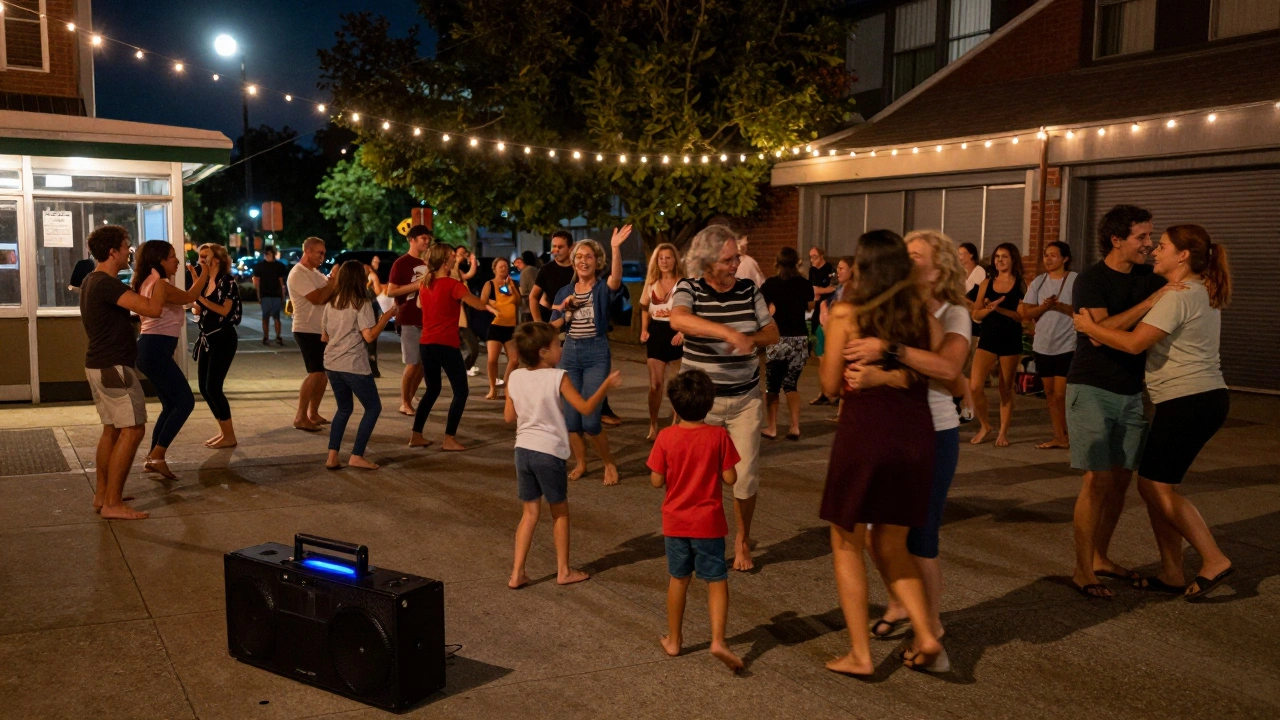
Trust takes longer than tickets to build. Alli’s team spends months before any event just showing up - not to perform, but to listen. They sit in church basements, local diners, and high school cafeterias. They ask: What do you need? What’s missing? What’s been ignored?In 2024, they didn’t launch a single performance in North Portland. Instead, they hosted 37 listening sessions. The result? A community-led dance troupe that now performs monthly on the same corner where they had their first meeting. No booking agent. No website. Just a sound system, a beat, and 200 people showing up every third Saturday.
That’s the kind of impact that doesn’t show up in CRM systems. It shows up in the way people say hello to each other on the street.
From Art to Action
Alli’s most powerful metric isn’t even about art. It’s about civic action. After every program, participants are asked: Have you taken any action in your community because of this experience? In 2025, 43% said yes. Some painted a neglected playground. Others started a monthly food swap. One group petitioned the city to turn a vacant lot into a public art garden - and won.That’s the real ROI. Not box office numbers. Not Instagram likes. It’s when someone who came to a poetry reading ends up running a city council meeting.
What Happens When You Stop Counting Tickets
When Alli stopped chasing ticket sales, something unexpected happened: funding improved. Foundations stopped asking for attendance reports. They started asking: Who did you empower? What changed? What did you learn? Grants became easier to get because the outcomes were real, measurable, and human.She now has a 92% retention rate with her core funders - not because she’s flashy, but because she’s honest. She shows them photos of kids holding handmade instruments. She reads them letters from elders who haven’t felt seen in decades. She doesn’t sell a product. She shows transformation.
The Ripple Is the Point
Alli Starr doesn’t measure impact by how many people watch. She measures it by how many people begin. By how many people stop being spectators and start being creators. By how many people realize art isn’t something that happens on a stage - it’s something that happens between people.That’s why her programs don’t have logos. No branding. No hashtags. Just a simple sign: “You belong here.” And then, the work begins.
How does Alli Starr collect stories without violating privacy?
Alli’s team uses anonymous, opt-in storytelling sessions. Participants share verbally, and staff record only the key themes - age, location, emotional shift - without names, addresses, or identifiers. All data is stored in a secure, offline system with no internet connection. No personal information is ever shared or sold.
Can small arts groups use this method?
Absolutely. Alli’s model was designed for underfunded programs. It doesn’t require tech or big budgets. Just time, listening, and consistency. A church group in Spokane started using the same method with 15 participants and saw a 50% increase in volunteer retention within six months. You don’t need data scientists - you need curiosity and care.
Why don’t more arts organizations measure impact this way?
Most rely on outdated metrics because funders demand them. Ticket sales are easy to count. Stories take time to collect and analyze. But the shift is happening. More foundations now prioritize outcomes over attendance. Alli’s work is becoming a blueprint for organizations that want to move beyond performative arts to truly community-rooted ones.
What’s the biggest mistake organizations make when measuring impact?
They assume impact is linear. They think one event = one outcome. But real change is messy. Someone might attend a workshop, feel nothing, then six months later be inspired to start a book club. Impact isn’t immediate. It’s cumulative. You have to stay in touch, stay curious, and stay patient.
How does Alli Starr fund programs without ticket sales?
She relies on community grants, local business sponsorships tied to social outcomes (not logos), and crowdfunding campaigns that highlight real stories, not events. One hardware store in Portland donates paint because they saw how a mural project reduced vandalism in their neighborhood. The return isn’t advertising - it’s neighborhood stability.