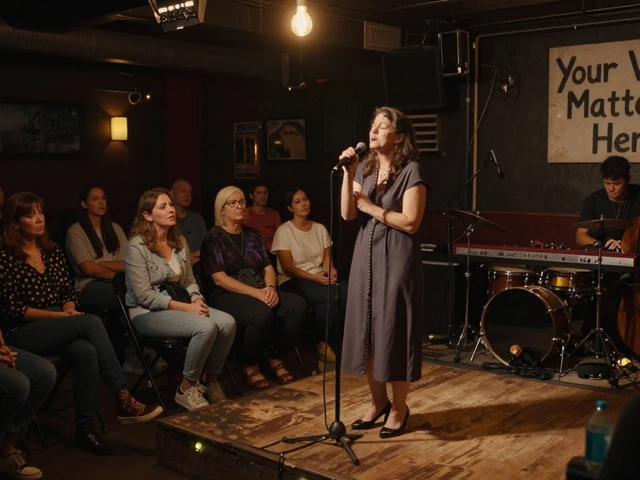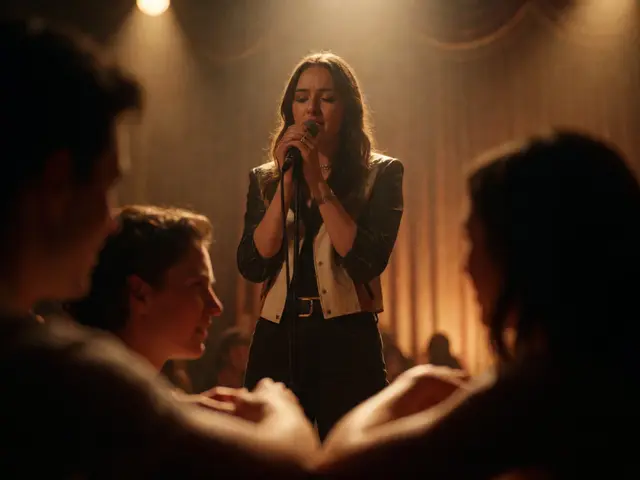
When you hear a song by Alli Starr, you don’t just hear a hit-you hear someone who’s been there. Not just in the studio, but in the messy, real moments that make music matter. She’s got a voice that cuts through the noise, but what’s even more striking is how she keeps her truth intact while working with the flashiest producers and the hottest sounds of 2026. How does she do it? It’s not luck. It’s not a formula. It’s a set of choices she makes every single time she steps into the booth.
She Writes First, Produces Later
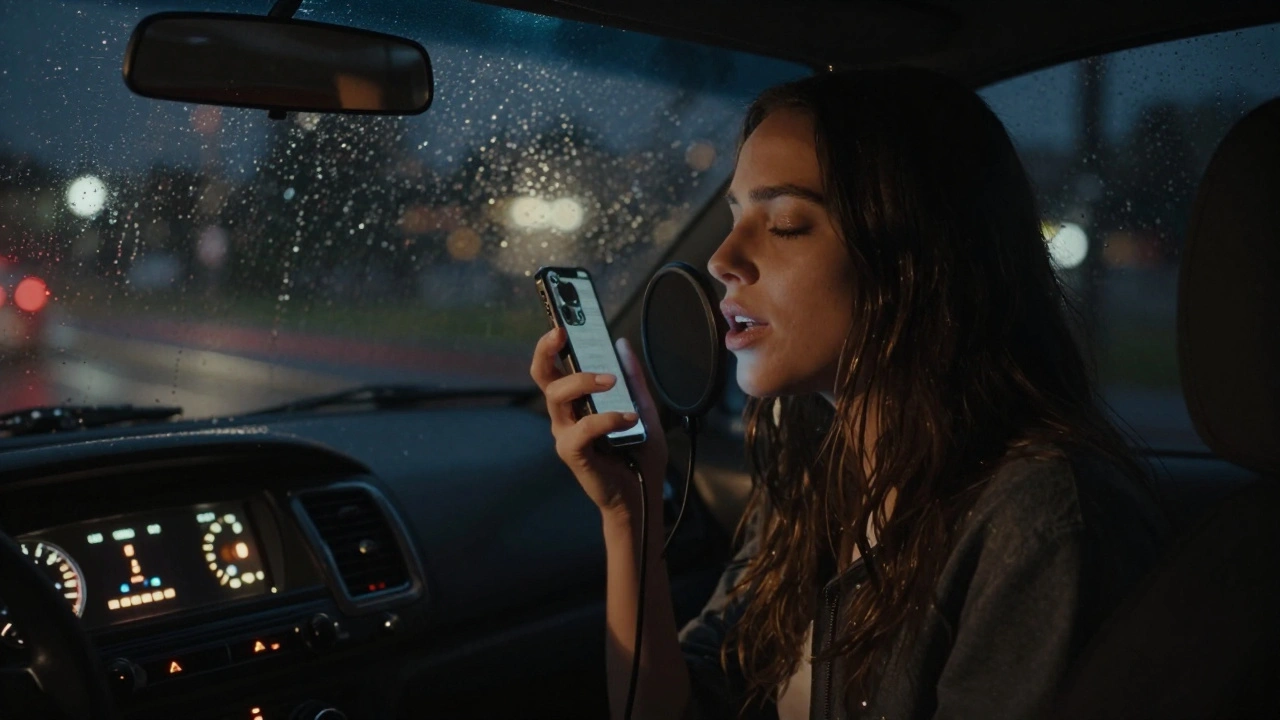
Alli Starr doesn’t start with a beat. She starts with a feeling. Every song begins as a voice memo on her phone-recorded in her car, in the middle of the night, or while walking her dog through Forest Park. She’s said in interviews that if she can’t sing it without any instrumentation, it doesn’t belong on the record. That’s her rule. No matter how cool the synth line is, no matter how viral the trap beat sounds, if it doesn’t serve the raw emotion she wrote, it gets scrapped.This isn’t just a creative preference. It’s a survival tactic. The music industry in 2026 is flooded with tracks built around trending sounds-chopped vocal samples, hyperpop drums, AI-assisted harmonies. But Alli’s songs still feel human. Why? Because the core of every track was written before anyone touched a DAW. Her songwriting is the anchor. The production? That’s the decoration.
She Chooses Producers Like Friends, Not Vendors
Alli doesn’t hire producers based on chart stats. She hires them based on whether they’ve ever cried while listening to a demo. She’s worked with the same three producers for over five years-people who know her voice, her pauses, her weird habit of humming before the chorus. One of them, Marco Ruiz, remembers the first time she played him a song called "Broken Clocks". He said, "It sounded like a diary entry someone accidentally left on a subway seat." That’s the vibe she wants.When labels pushed her to work with a producer who had three #1 hits in six months, she said no. Not because she didn’t respect his work. But because his style is all about compression, punch, and perfection. Alli’s songs need space. They need air. They need the sound of her breath before the final note. She’s not afraid to say, "I need this to sound like a 3 a.m. confession, not a TikTok ad."
She Keeps Her Lyrics Raw-Even When the Beat Goes Pop
In 2025, her song "Dresser Drawer" went viral. It had a bassline that sounded like a heartbeat, a shimmering synth that felt like morning light, and lyrics about finding her mother’s old lipstick in a drawer and crying because it still smelled like her. The production was sleek, radio-ready. But the words? Unedited. Real.That’s her signature. She doesn’t polish pain into something palatable. She doesn’t turn heartbreak into a catchy hook. She lets the ache stay. And that’s what makes her songs stick. Listeners don’t just hear them-they feel them. In a world where AI-generated lyrics are being used to fill slots on playlists, Alli’s refusal to let anyone rewrite her truth is radical.
She Says No to the "Trendy" Sound When It Feels Like a Costume
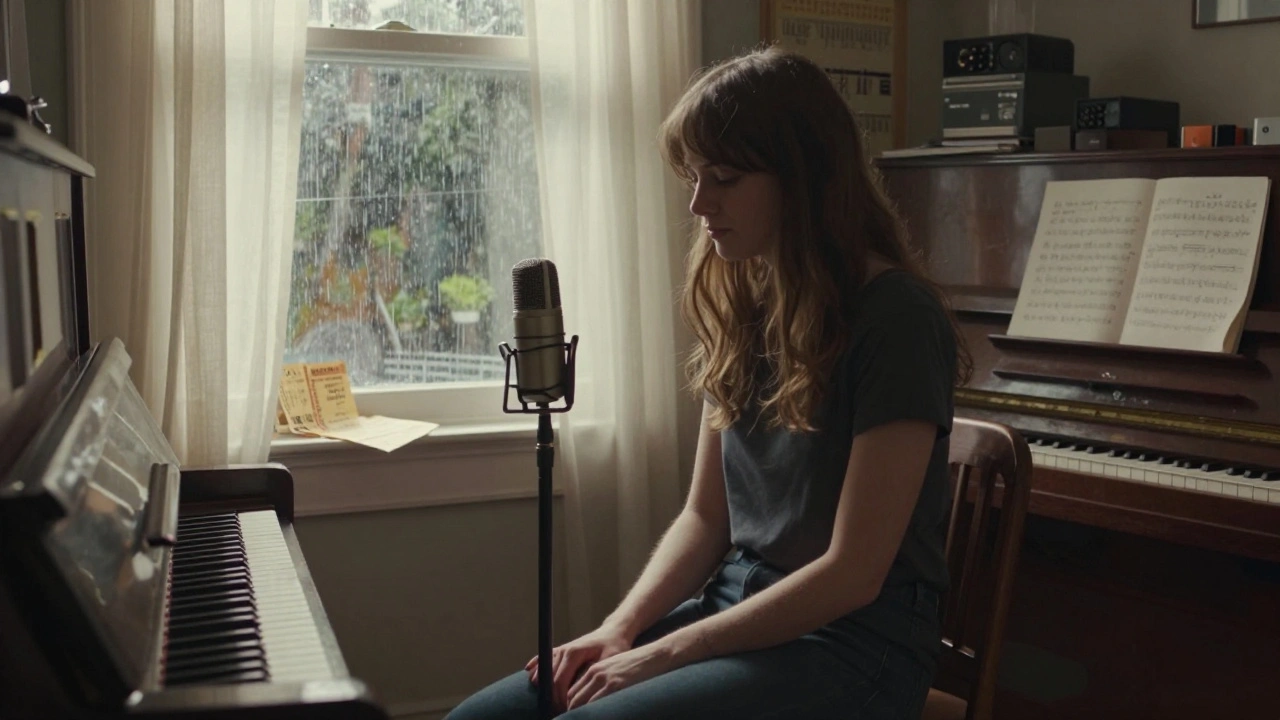
Last year, a major label wanted her to drop a song with a "vaporwave trap" beat-something they claimed was "the next big thing." They even had a marketing plan: TikTok challenges, influencer duets, a neon aesthetic. Alli listened. Then she went into the studio alone. She recorded a song with just her voice, a piano, and the sound of rain outside her window. She sent it to them. They didn’t release it. She didn’t care. It became a fan favorite on Bandcamp. Over 200,000 people downloaded it. No marketing. Just a quiet song that said, "I’m still me."She’s not anti-trend. She’s pro-identity. She’ll use a trendy vocal effect if it serves the emotion. But she won’t let the trend dictate the emotion. That’s the line.
She Records in the Same Room Every Time
Alli’s studio isn’t a fancy space with soundproof walls and neon lights. It’s a corner of her living room in Portland. The same corner she’s used since 2020. She has a mic she bought secondhand, a pair of headphones that barely work, and a chair that squeaks when she leans back. She refuses to upgrade. Why? Because that room holds every version of her. The scared version. The angry version. The hopeful version. The version that didn’t think she’d make it.When she sings, she’s not just singing to the mic. She’s singing to the person she was in that same chair, two years ago. The room remembers. And so does the listener.
She Lets Fans In-But Not Too Far
Alli doesn’t hide behind a brand. She posts unedited clips of herself messing up takes. She shares lyrics that didn’t make the cut. She answers DMs from fans who say, "This song saved me." But she doesn’t livestream her writing process. She doesn’t post studio sessions. She doesn’t do "day in the life" content.She believes authenticity isn’t about transparency-it’s about intention. She gives you the music. The rest? That’s hers. And that boundary? That’s what keeps her real.
She Doesn’t Chase Numbers
She doesn’t care about streaming counts. She cares about the people who replay her songs for weeks. She once got a letter from a woman in Ohio who said she played "Dresser Drawer" every morning before chemotherapy. The woman wrote, "It’s the only song that doesn’t make me feel alone."Alli keeps that letter in her wallet. Not for publicity. Just because she needs to remember why she does this.
Authenticity isn’t a vibe. It’s a practice. It’s showing up with your scars and your songs and saying, "This is me. Take it or leave it." Alli Starr doesn’t fight the trends. She just refuses to let them rewrite her story. And in a world that’s screaming for the next big thing, that’s the quietest-and most powerful-act of rebellion.