Most artists write the song first. Then, months later, they shoot a video that tries to match the mood. Alli Starr does it backward. She writes the video while writing the song. Not as an afterthought. Not as a marketing add-on. As the same creative act. The result? A sound that moves like a film, and a vision that hums like a melody.
How Alli Starr Builds Songs from Images
Alli Starr doesn’t start with chords or lyrics. She starts with a scene. Maybe it’s a flickering streetlamp outside her Brooklyn apartment at 3 a.m. Maybe it’s the way her mother’s hands moved while folding laundry, slow and deliberate, like a dance no one else noticed. She records these moments in a voice memo-not as poetry, but as visual notes. Then she asks: What does this feel like? The answer becomes the chorus.
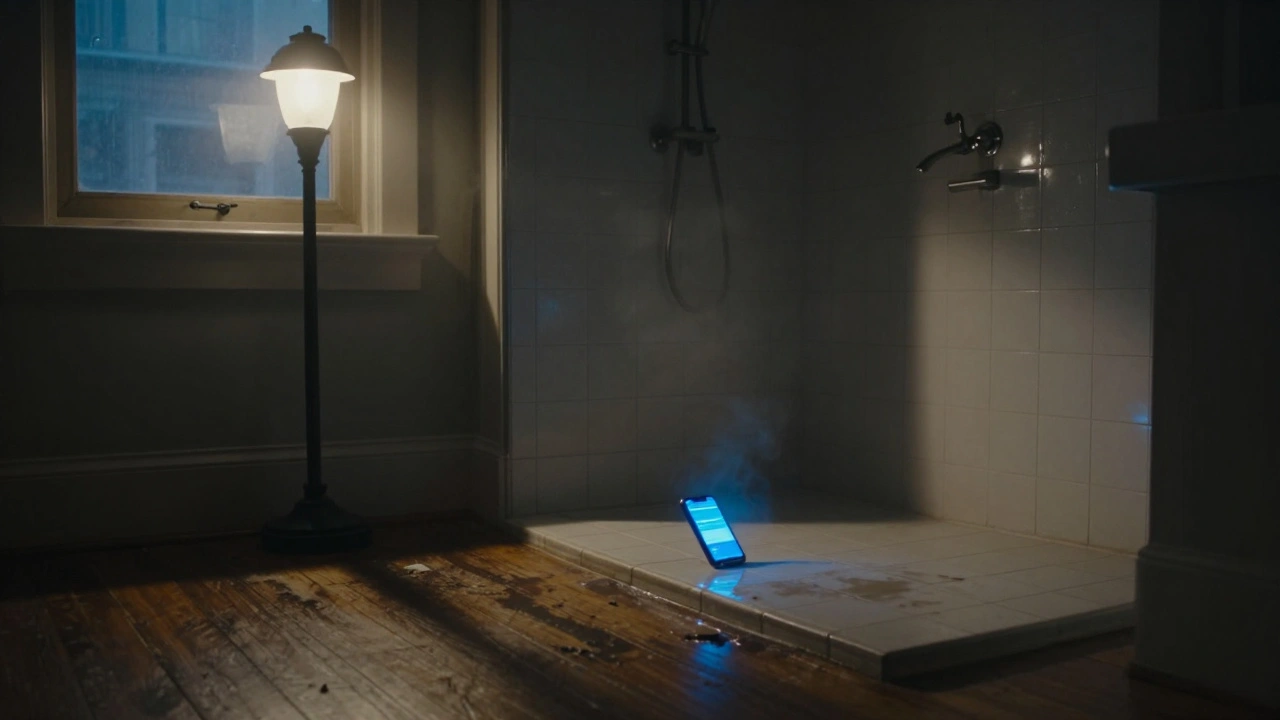
Her breakout track, "Late Night Calls," came from a single image: a phone screen glowing on a bathroom floor after a breakup. No one was talking. No one was crying. Just the blue light, the steam from the shower, and the silence between texts. She wrote the bassline to match that hum of static. The lyrics? A whispered countdown: three… two… one…-the exact seconds she waited before hitting send.
She doesn’t storyboard. She doesn’t script. She lets the video form in her head as the song takes shape. By the time she gets to the studio, she already sees the whole thing-the lighting, the camera angles, the way her shadow falls across the wall. The video isn’t made to go with the song. The song is made to live inside the video.
The Rhythm of Movement
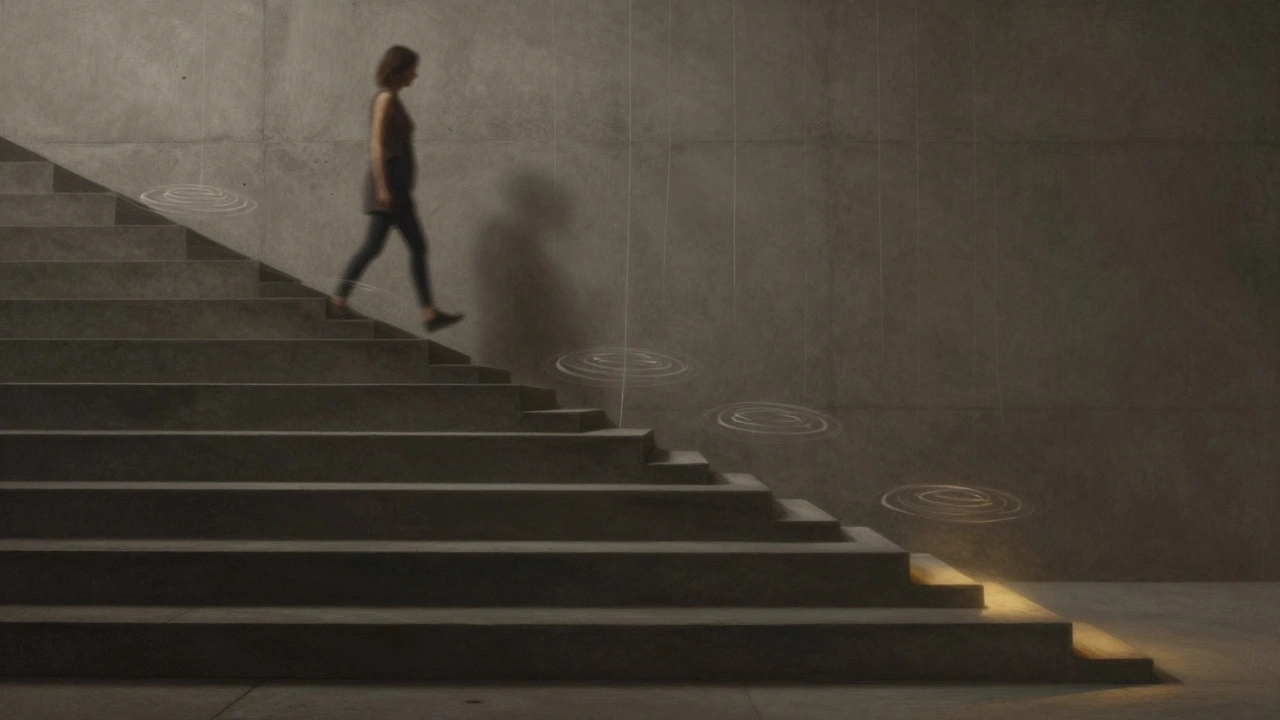
Traditional R&B leans on vocal runs, slow tempos, and emotional crescendos. Alli Starr’s version adds motion. Her songs have rhythm not just in the beat, but in the way the camera moves. In "Glass Ceiling," the video shows her walking up a never-ending staircase, each step heavier than the last. The song mirrors it: the kick drum drops on every third step. The strings rise as she nears the top. The moment she reaches the landing? The beat cuts. Silence. Then, a single note. Just like the sound of a door opening.
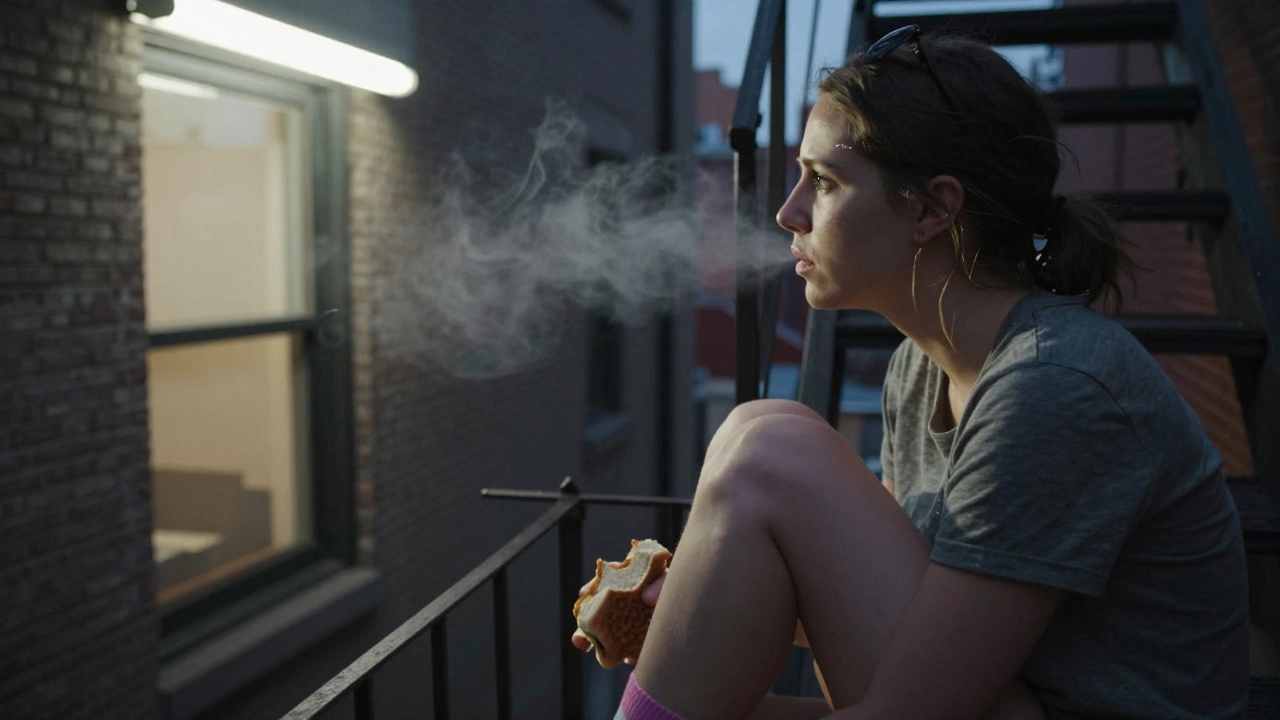
She works with directors who understand this. Not the ones who want flashy effects, but the ones who ask: What does this emotion look like when it’s moving? Her music video for "Weight of Quiet," shot in one take with a handheld camera, shows her sitting on a fire escape, staring at a neighbor’s window. The neighbor never appears. The camera never zooms. The whole video lasts 2 minutes and 47 seconds-the same length as the song. No cuts. No edits. Just breath.
Why This Works for Modern Listeners
People don’t just listen to music anymore. They watch it. Scroll through TikTok. Skip through YouTube. If a song doesn’t give them something to see, it gets lost. Alli Starr doesn’t chase trends. She builds worlds that feel personal, not performative.
Her fans say they feel like they’ve been inside her head. Not because she sings about love and pain-everyone does-but because they can see the peeling wallpaper in her childhood room, the way her socks never match, the way she tucks her hair behind her ear before singing the high note. These aren’t metaphors. They’re memories. And she makes them sonic.
There’s a reason her videos get 8x more replays than average R&B clips. It’s not the editing. It’s the truth. She doesn’t use lighting to hide her tired eyes. She doesn’t dress up to look like a star. She lets the video show the real person behind the voice. And that’s why people come back.
How to Try This Yourself
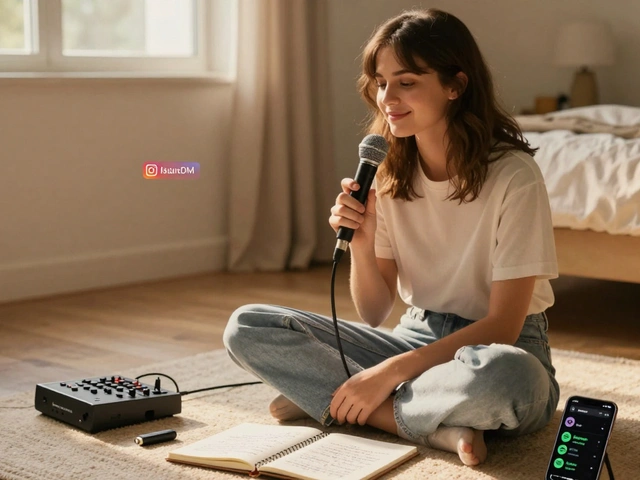
You don’t need a camera. You don’t need a budget. You just need to start seeing your song as a place, not just a sound.
- Write down one image that matches the feeling of your chorus. Not the whole song. Just the core emotion.
- Describe it in five senses. What does it smell like? What’s the temperature? Is there a sound in the background?
- Now, hum the melody. Does it move fast? Slow? Up? Down? Let the rhythm match the motion of that image.
- Record yourself speaking the lyrics as if you’re narrating a silent film. Don’t sing. Just talk. Listen to how your voice changes with the image.
- Try shooting a 30-second clip on your phone with no music. Just the scene. Then play your song over it. Does it fit? If not, go back. The video isn’t the decoration. It’s the blueprint.
One producer told her, "You’re not making music videos. You’re making music with a body." That stuck with her.
What Makes Her Different
Other artists use visuals to explain their lyrics. Alli Starr uses lyrics to explain her visuals. She doesn’t need captions. She doesn’t need dialogue. The song tells you what you’re seeing before you even see it.
Her process flips the industry norm. Record labels want videos to drive streams. She wants streams to come from the video. She’s not trying to get views. She’s trying to make people feel like they’ve lived the moment.
There’s a scene in her latest video where she’s sitting on a curb, eating a sandwich. No one else is there. The sun is low. Her shoes are muddy. The song is quiet. Just piano and breath. No drums. No hook. Just a single line: "I didn’t miss you. I missed the quiet we used to keep." It’s not dramatic. It’s not glamorous. But it’s real. And that’s why 12 million people watched it in the first week.
Where This Is Heading
She’s not alone. Artists like SZA, Fousheé, and even younger acts like Jazmine Sullivan are starting to treat visuals as part of the composition-not the promotion. But Alli Starr is the first to make it her core method. She calls it Visual R&B.
It’s not a genre. It’s a practice. A way of writing where the image isn’t optional. It’s required. If you can’t see it, you haven’t finished the song.
Her next project? A 12-track album where each song is tied to a real location in Portland-where she now lives. The video for track five? Shot inside a laundromat at 4 a.m. with no lights except the fluorescent bulbs. The song? A slow, looping hum that sounds like the dryer spinning. No chorus. Just the sound of fabric tumbling.
She says, "If you can’t picture the room, you haven’t heard the song yet."
What is Visual R&B?
Visual R&B is a method developed by Alli Starr where the music video is created simultaneously with the song-not as a separate project, but as an essential part of the composition. The visuals aren’t added to illustrate the lyrics; instead, the lyrics are shaped by the images, lighting, movement, and space the artist envisions. It turns the song into a sensory experience that lives in both sound and sight.
How is Alli Starr’s approach different from other artists?
Most artists write the song first and then make a video to match it. Alli Starr does the opposite: she builds the video in her mind while writing the music. The image determines the rhythm, the mood, even the structure of the song. Her songs have no hooks because they’re not meant to be catchy-they’re meant to be felt as scenes. This makes her work deeply immersive, almost cinematic, and harder to forget.
Do you need expensive equipment to try this method?
No. Alli Starr started with a phone and natural light. You don’t need a crew, a studio, or special effects. Start by picturing one clear scene that matches the emotion of your chorus. Describe it with your five senses. Then hum or speak the melody as if you’re narrating that scene. If the rhythm of your voice matches the movement in your mind, you’re on the right track. The video comes later. The vision comes first.
Can this method work for genres other than R&B?
Absolutely. While Alli Starr uses R&B as her foundation, the method works for any genre that relies on mood and emotion. A punk song could be shaped by the sound of a broken guitar amp in a basement. A folk song could be built around the way rain hits a window at night. The key isn’t the genre-it’s the discipline of letting the image drive the sound, not the other way around.
Why do her videos get so many replays?
Because they feel like private moments, not performances. She doesn’t perform for the camera-she lives inside it. Her videos show quiet, unglamorous details: muddy shoes, half-eaten food, flickering lights. These aren’t staged. They’re remembered. Listeners replay them because they recognize something real, something they’ve felt but never seen expressed in music.
She doesn’t chase algorithms. She doesn’t chase likes. She chases the feeling of being alone in a room with a song you can’t shake. And if you’ve ever sat in silence after a song ends, staring at the wall-waiting for it to play again-you already know what she’s making.