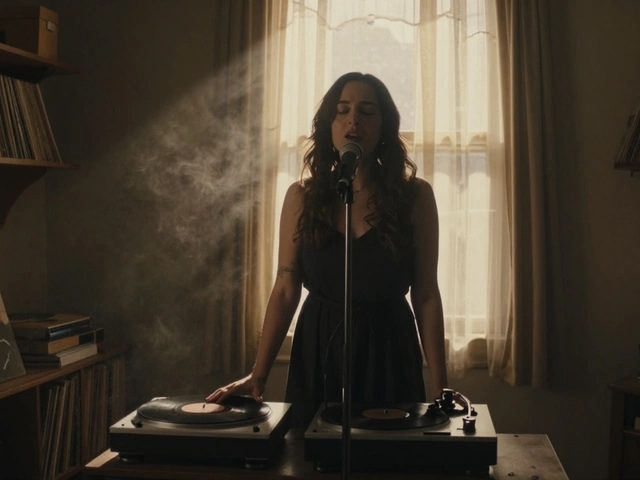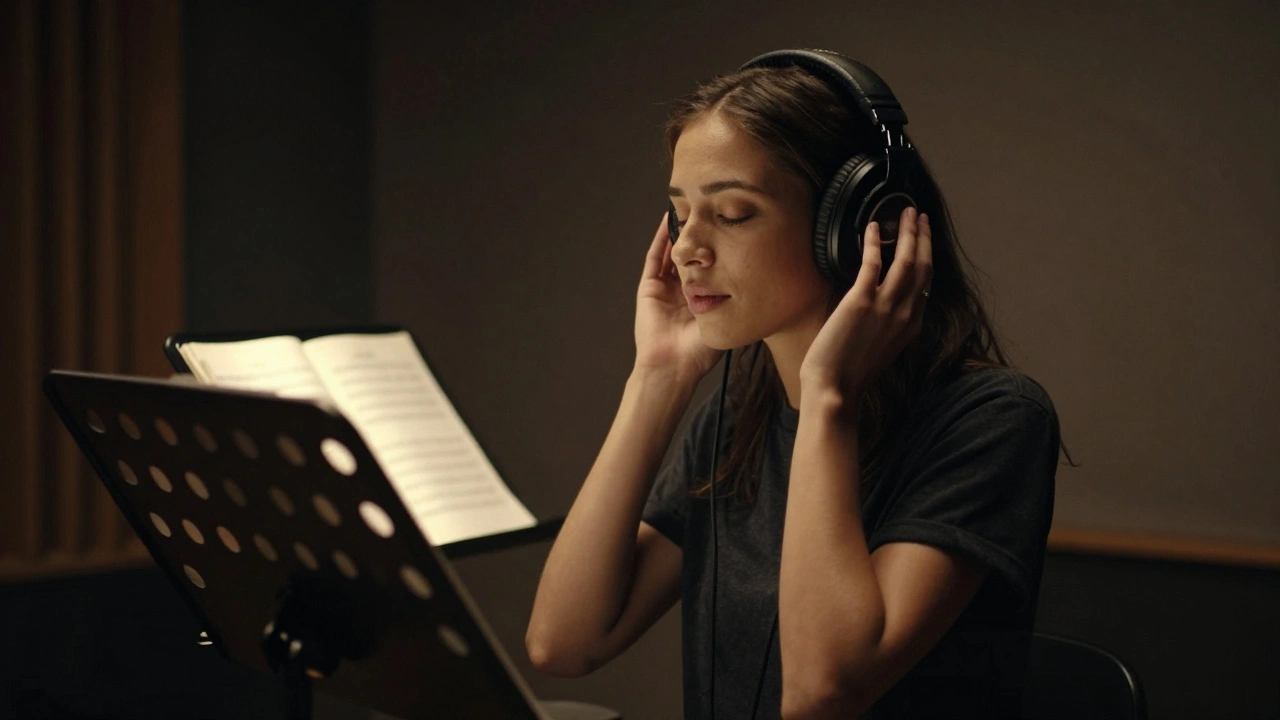
Backing vocals don’t get the spotlight, but they’re the glue that holds a song together. Ask any lead singer-they’ll tell you the difference between a good live show and a great one often comes down to one thing: the backup vocalists. Alli Starr has spent over a decade perfecting that role. She’s sung behind pop stars, soul legends, and indie acts, never once taking a bow. But if you listen closely to her work, you’ll hear why she’s one of the most sought-after backup singers in the industry.
It Starts With Listening, Not Singing
Alli doesn’t walk into a rehearsal room to show off. She walks in to listen. Before she even opens her mouth, she spends hours with the lead track-sometimes days. She’ll isolate the vocal line, slow it down, and map out every breath, every inflection, every tiny crack in the tone. That’s not just practice. That’s forensic listening.
Most backup singers learn their parts by rote. Alli learns the intent behind each note. Why did the lead singer hold that note two beats longer? Was it hesitation? Emotion? A stylistic choice? She matches not just the pitch, but the feeling. She once told an interviewer, “I’m not here to sing harmony. I’m here to make the lead sound like they meant it.”
The Science of Harmony
Harmony isn’t just singing the third or fifth above the melody. Real backup work is about texture, spacing, and timing. Alli uses a simple rule: leave space for air. Too many voices on the same note? It sounds muddy. Too much variation? It distracts.
She breaks down harmonies into three layers:
- Foundation - the lowest voice, often doubling the melody an octave down. This gives the track weight.
- Fill - the middle voice, usually a third or sixth above. This adds color.
- Highlight - the highest voice, sometimes just a single note at the end of a phrase. This lifts the emotion.
She’s recorded with producers who use eight vocal tracks. Alli’s job? Know which ones to blend into and which ones to let breathe. In one session with a major pop act, she sang only three notes across a 4-minute song. The producer said, “That’s the most powerful thing you’ve ever done.”
Live Performance: No Room for Error
Studio work lets you fix mistakes. Live? One wrong note, and the whole crowd feels it. Alli’s live prep is brutal. She rehearses with a metronome, a click track, and a mirror. Why the mirror? To watch her mouth. If her jaw tightens, her tone changes. If her breath drops, the pitch wobbles.
She also trains her ears to hear the crowd. Not the cheers. The silence. When the audience stops talking, she adjusts her volume. When they lean in, she leans in too. She’s learned that backup vocals aren’t just heard-they’re felt. In 2024, she performed at the Bonnaroo Festival. The lead singer missed a cue. Alli held the harmony for 11 seconds while the lead found their place. No one noticed. The song didn’t break. That’s the job.

Studio Secrets: The Unseen Work
Most people think studio vocals are just about hitting the right notes. Alli knows better. She’s worked with engineers who cut 27 takes of a single line. Her secret? She sings the same line 12 different ways-each with a different emotional color. One take is breathy. One is sharp. One is almost whispering. Then she lets the producer choose.
She also records her own harmonies in isolation. That means singing each layer separately, then blending them later. It’s time-consuming, but it gives the producer control. She once recorded 14 individual vocal tracks for a single chorus. The final mix used three. The rest? They’re backups for the backups.
Physical and Mental Discipline
Backing vocals are physically harder than you think. You’re not the focus, so you don’t get to rest. You sing while the lead takes a breath. You hold notes while the band shifts key. You stay in tune while the stage shakes from bass. Alli does daily vocal warm-ups that take 45 minutes. She avoids dairy before shows. She drinks warm water with lemon and honey. She doesn’t talk on tour buses. She meditates for 10 minutes before every performance.
And mentally? She’s trained herself to be invisible. Not in a passive way. In a powerful way. She knows her role isn’t to be noticed-it’s to make the lead unforgettable. She calls it “the art of self-effacement.”

What Makes a Great Backup Singer?
It’s not range. It’s not fame. It’s not even perfect pitch.
It’s reliability. Consistency. Emotional intelligence. The ability to disappear into the music and still make it better.
Alli doesn’t have a solo album. She doesn’t have a TikTok following. She doesn’t headline festivals. But she’s on over 30 platinum records. She’s been called “the secret weapon” by three Grammy-winning producers. And when you listen to those tracks, you hear what she’s done-not because she’s loud, but because you can’t imagine the song without her.
How to Start as a Backup Singer
If you want to walk in Alli’s shoes, here’s what you need:
- Learn to transpose on the fly. You’ll be asked to sing in any key.
- Record yourself singing harmony over popular songs. Compare your tone to the original. Fix the mismatches.
- Join local choirs or gospel groups. That’s where you learn to blend.
- Volunteer for open mic nights. Offer to sing backup. No pay. Just experience.
- Build a demo reel with 3-5 different styles-pop, R&B, country. No vocals alone. Only harmonies.
- Send it to local producers, not stars. They’re the ones hiring.
It takes years. No shortcuts. But if you’re quiet, patient, and precise-you’ll be the one they call when the show’s on the line.