When Alli Starr drops a new music video, it’s not just about the visuals or the beat. It’s about what happens after the upload. Did people watch? Did they share? Did they care enough to comment, like, or even dance along in their living rooms? Measuring that impact isn’t guesswork-it’s science. And the right KPIs turn noise into strategy.
What KPIs Actually Matter for Music Videos?
Not all views are created equal. A video with 5 million views but zero shares might look great on paper-but it’s a ghost town in terms of real momentum. Alli Starr’s team tracks five core KPIs that reveal whether a video is truly connecting.
- Watch time (not just views): A 10-second skip doesn’t count. They track how long people stay. If 60% of viewers watch past the 30-second mark, that’s a sign the hook works.
- Engagement rate: Likes, comments, shares, and saves. For Alli’s videos, a rate above 8% on YouTube and 12% on TikTok signals strong audience resonance.
- Click-through rate (CTR) to streaming platforms: If the video drives people to Spotify or Apple Music, that’s the real win. Her team targets a CTR of 5% or higher from video to stream.
- Share rate: Videos that get shared are organic amplifiers. Her top-performing videos have a share rate of 3.5% or more on YouTube and 7% on TikTok.
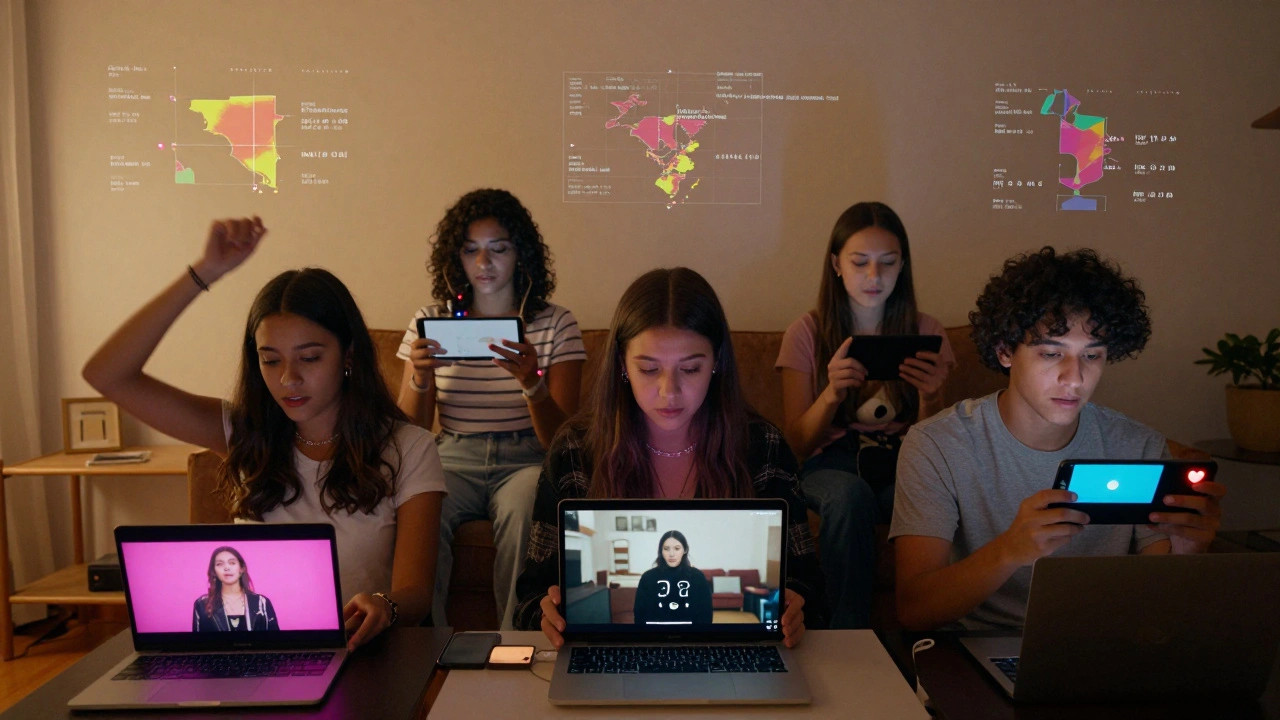
- Retention by segment: They break down who’s watching-age, location, device. If Gen Z in Mexico watches 80% of the video but viewers in Germany drop off at 15 seconds, that’s a clue for future targeting.
Why Views Alone Are Useless
Everyone talks about views. But in 2025, a music video hitting 10 million views could still be a flop. Why? Because if no one engages, it doesn’t move the needle on streams, fan growth, or tour ticket sales.
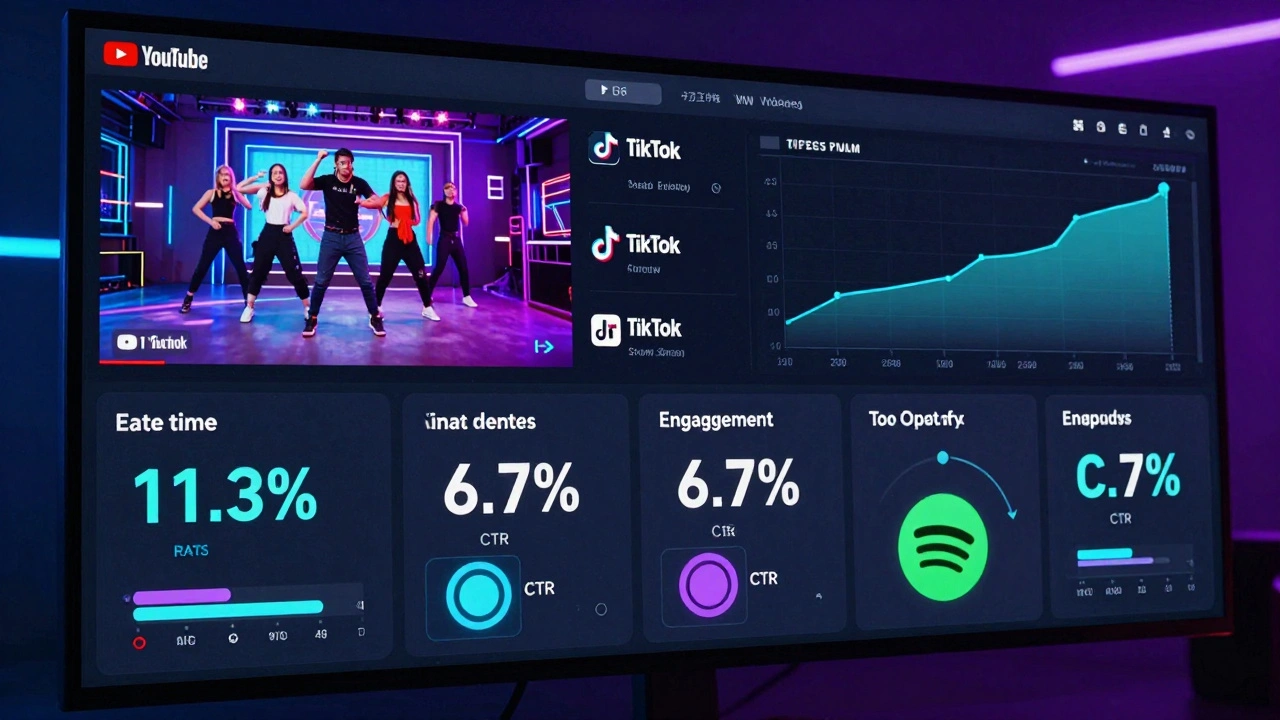
Alli’s 2024 video "Electric Pulse" hit 14.2 million views. At first glance, that’s huge. But here’s what the data showed: only 1.8% engagement rate, 1.1% CTR to Spotify, and 0.9% share rate. The video looked popular-but it didn’t convert. The team dug deeper. Turns out, the video was being pushed hard by paid ads to older demographics who didn’t connect with the sound. They adjusted the next campaign: targeted younger audiences with TikTok challenges, used influencers who actually listened to her music, and saw engagement jump to 11.3% and CTR to 6.7%.
Views are a vanity metric. Engagement is the currency.
How Alli Starr’s Team Tracks Data
They don’t rely on YouTube Analytics alone. They use a custom dashboard that pulls data from:
- YouTube (watch time, retention, demographics)
- TikTok (shares, saves, comment sentiment)
- Spotify for Artists (stream spikes tied to video release dates)
- Twitter/X and Instagram (mentions, hashtag usage)
- Google Trends (search spikes for "Alli Starr" and song title)
They also tag each video with a campaign ID. That way, they can compare "Electric Pulse" to "Neon Ghost" to "Midnight Echo" and see patterns. For example, videos with choreography in the first 10 seconds have 40% higher retention. Videos with lyrics on-screen get 2x more saves. These aren’t guesses-they’re patterns found in 18 months of data.
Real Results from Real KPIs
After refining their KPI tracking in late 2024, Alli’s team saw dramatic shifts:
- Spotify streams from music video viewers increased by 68% in three months.
- New followers on Instagram jumped 142% after a TikTok challenge tied to "Neon Ghost".
- Her YouTube subscriber growth rate went from 2,000/month to 18,000/month.
- Tour ticket sales for her 2025 North American tour were 31% higher than the previous cycle-directly tied to video-driven fan engagement.
The numbers don’t lie. When you stop chasing views and start chasing behavior, you start building a real fanbase.

What Not to Track
Some metrics look impressive but add zero value. Alli’s team stopped tracking these:
- Subscriber count on YouTube alone (too laggy-doesn’t reflect real engagement)
- Total likes on TikTok without context (a video with 500K likes but 50K views is suspicious-likely bot-driven)
- Video completion rate without segmenting by region (a 90% completion rate in Brazil means nothing if it’s 15% in Canada)
- Number of comments without sentiment analysis (a video with 10K comments saying "this is trash" isn’t a win)
They replaced them with smarter proxies. Instead of "likes," they track "saves"-which indicate intent to revisit. Instead of "comments," they use AI tools to flag sentiment: positive, neutral, or negative. That way, they know if fans are excited… or annoyed.
How You Can Apply This to Your Own Work
You don’t need Alli Starr’s budget to use these KPIs. Here’s how to start:
- Set up YouTube and TikTok analytics for your channel.
- Track your next video’s watch time curve. Did people drop at 15 seconds? Then your intro needs work.
- Compare your engagement rate to industry benchmarks: 5-7% on YouTube, 8-15% on TikTok for emerging artists.
- Link your video to a Spotify track and monitor the spike. If there’s no bump, the video isn’t driving listens.
- Ask fans: "What part of the video made you want to share it?" Their answers will reveal what’s working better than any dashboard.
Success isn’t about going viral. It’s about going meaningful.
What’s a good engagement rate for a music video on YouTube?
For emerging artists, 5% to 7% is strong. For established acts like Alli Starr, 8% or higher is the target. Engagement rate = (likes + comments + shares + saves) / total views. Anything below 3% usually means the content isn’t connecting with the audience.
Do music video views translate to Spotify streams?
Not always. A video can get millions of views without driving streams if it doesn’t include a clear call to action, or if the audience isn’t the right demographic. Alli Starr’s team found that videos with lyrics on-screen and a direct "listen on Spotify" overlay at the end increased stream conversions by 40%. The link matters-but so does context.
Why are TikTok shares more important than YouTube likes?
Because shares on TikTok mean the viewer is actively promoting the content to their network. YouTube likes are passive. TikTok shares = organic reach. Alli’s team found that every 100 TikTok shares generated an average of 320 additional views outside paid promotion. That’s free, targeted exposure.
How do you measure if a music video is helping tour sales?
Track regional spikes in Spotify plays and Google Trends searches for the artist’s name 7-14 days after the video drops. If a city like Austin or Seattle shows a 30%+ spike in searches and streams, and then ticket sales in that city jump 25%+, there’s a direct link. Alli’s team uses this to allocate tour marketing budgets more effectively.
Can you measure emotional impact from a music video?
Indirectly, yes. Look for high save rates, long watch times, and comments with personal stories ("This song got me through my breakup"). AI sentiment tools can flag emotional language. Videos that trigger deep emotional responses have higher retention and repeat views-two signs of lasting connection, not just a passing trend.