Most brands think they know their audience. They run surveys, track clicks, and chase demographics. But here’s the truth: if your brand doesn’t connect with real people-not just data points-you’re not building a community. You’re just broadcasting.
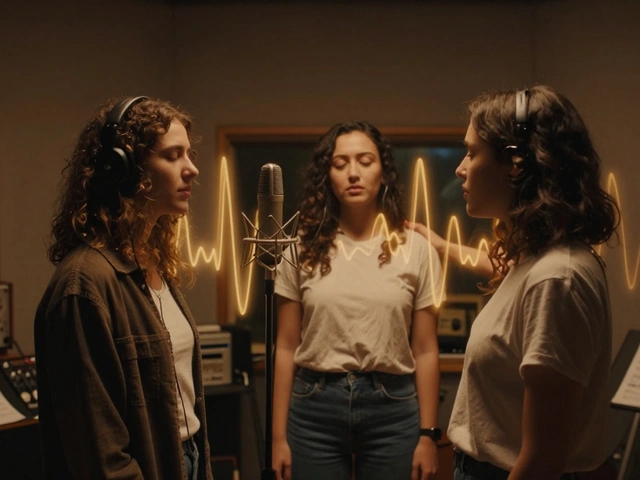
Alli Starr didn’t start with metrics. She started with stories. As a music producer and community builder in Portland, she noticed something strange. Two people could both love indie folk music, but one bought vinyl every month and showed up at every local show. The other scrolled playlists on mute while working. Same genre. Totally different relationship with the brand.
That’s when she built her first community persona.
What Is a Community Persona?
A community persona isn’t a customer profile. It’s not a list of age, income, or location. It’s a living, breathing person shaped by behavior, values, and emotional triggers. Think of it as a character in a novel, but real. You know their habits, their fears, what makes them light up, and what makes them walk away.
Alli’s first persona, "Lena the Listener," wasn’t created from a survey. She sat in coffee shops, listened to concert goers, and watched how people interacted with local artists. Lena wasn’t the biggest buyer. She didn’t follow brands on Instagram. But she told five friends about every show she loved. She remembered the name of the sound tech. She brought her sister to every outdoor gig. Lena wasn’t a segment. She was a connector.
Community personas answer: Who shows up? Who stays? Who speaks up? Who leaves quietly?
Why Traditional Segmentation Fails
Most brands still use demographics: "Women 25-34, urban, college-educated." That’s like describing a person by their ZIP code. It tells you nothing about why they care.
Alli worked with a small record label that spent $20,000 on Facebook ads targeting "music lovers." Sales flatlined. Then they tested three community personas:
- "Riley the Collector" - Buys limited vinyl, attends album release parties, writes handwritten reviews.
- "Jasmine the Curator" - Shares music on playlists, hosts listening nights, never buys merch but brings 10 friends to shows.
- "Marcus the Newbie" - Just discovered indie music, confused by subgenres, needs guidance, watches YouTube tutorials.
The results? Sales from Riley’s group jumped 147% in six weeks. Jasmine’s group didn’t buy more, but they brought in 83 new customers through word of mouth. Marcus’s group became the most loyal over time. The brand stopped chasing "music lovers" and started talking to three real people.
How Alli Starr Builds Community Personas
Alli’s method is simple. It takes time. It doesn’t need fancy tools.
- Find the quiet ones. Don’t just talk to your top 10% of customers. Go to the people who show up but never comment. Watch them. What do they do? Where do they stand? What do they say to their friends?
- Track behavior, not clicks. Did they show up to three events this year? Did they send a DM to the artist? Did they bring someone new? Those are the signals.
- Give them a name and a face. "Lena" wasn’t a demographic. She had a favorite jacket, a dog named Wren, and always sat in the back row. Naming her made her real.
- Map their journey. How did they find the brand? What made them stay? What almost made them leave? Write it like a story.
- Test one thing per persona. Don’t overhaul your whole strategy. Try one message, one event, one product for each persona. See who responds.
Alli’s team once sent a handwritten postcard to 50 people who’d been to shows but never bought anything. One of them, "Lena," replied with a photo of her vinyl collection and a note: "I didn’t buy because I didn’t know you cared if I showed up. Now I do."

Real Impact: When Personas Become Advocates
The biggest mistake brands make is treating community as a marketing channel. It’s not. Community is the product.
When Alli’s label launched a limited-edition vinyl with a handwritten liner note from the artist, they didn’t market it. They sent it to Lena, Riley, and Jasmine first. Riley posted a photo of the record with a story about his dad’s old turntable. Jasmine shared it in her monthly playlist. Lena mailed a copy to her sister in Seattle.
The label didn’t spend a dollar on ads. The vinyl sold out in 72 hours. And 89% of buyers said they heard about it from someone they trusted.
That’s the power of community personas. They don’t just help you sell. They help you become part of someone’s life.
Common Pitfalls (And How to Avoid Them)
Not everyone gets it right. Here’s what goes wrong:
- Too many personas. Three is enough. Five is chaos. If you have seven, you’re still using demographics.
- Making them too perfect. Personas aren’t ideal customers. They’re real. Lena forgot to pay for tickets once. Riley once traded a record for a sandwich. That’s okay. Authenticity builds trust.
- Ignoring the quiet ones. The loudest fans aren’t always the most valuable. The ones who show up, bring friends, and don’t post about it? They’re your hidden engine.
- Forgetting to update them. People change. So do their relationships with brands. Revisit your personas every six months. Ask: "Who are they now?"

What Happens When You Stop Using Personas
A Portland indie bookstore tried to copy Alli’s method. They made three personas. Then they stopped. Six months later, their email open rate dropped 62%. Event attendance fell. They blamed "the algorithm."
The real problem? They stopped talking to people.
When you stop building personas, you stop listening. And when you stop listening, your community leaves-not because they don’t like you, but because they don’t feel seen.
Start Small. Start Real.
You don’t need a team. You don’t need software. You need curiosity.
Next time you’re at a show, a pop-up, or a local market, watch one person. Don’t ask them questions. Just watch. Where do they stand? Who do they talk to? What do they smile about? What do they ignore?
Name them. Write down one thing they did that surprised you. Then, do one small thing that says: "We saw you."
That’s how community starts. Not with ads. Not with data. With a single, honest moment of recognition.
What’s the difference between a customer persona and a community persona?
A customer persona focuses on buying behavior-what they buy, how much, and when. A community persona focuses on belonging-how they connect with others, what they care about beyond transactions, and how they show up in real life. One tells you how to sell. The other tells you how to matter.
Do I need surveys to build community personas?
No. Surveys often miss the quiet behaviors that matter most. Alli Starr built her personas by watching, listening, and noticing patterns over time. The best signals come from real-life actions: who shows up, who brings friends, who remembers names, who leaves quietly. Watch first. Ask later-if at all.
Can small brands use community personas?
Yes-in fact, they’re more powerful for small brands. You don’t need millions of customers. You need a few dozen who feel seen. One community persona can turn 50 loyal people into a movement. That’s more valuable than 10,000 strangers who forget you exist after one purchase.
How often should I update my community personas?
Every six months. People change. So do their needs. A person who showed up to every show last year might now be a parent, working two jobs, or exploring a new genre. If you’re still talking to them like they were two years ago, you’re not building community-you’re stuck in the past.
What if my audience doesn’t seem to have clear personas?
That usually means you’re not looking closely enough. Start by watching one person. Don’t try to understand everyone. Pick one regular attendee, one silent follower, one person who always comments. Spend 30 days noticing them. You’ll start to see patterns. Community personas aren’t invented. They’re discovered.