When a band drops a new album, the real work doesn’t start in the studio-it starts in the rehearsal room. Alli Starr’s band didn’t just record their latest project, Static Bloom. They built a system to turn those studio tracks into something alive on stage. And it’s not magic. It’s routine.
Start with the songs, not the setlist
Most bands jump straight into running through songs in order. Alli’s team does the opposite. They begin by isolating each new track. No transitions. No crowd noise. Just one song, played from start to finish, over and over. Why? Because the first live version of a new song is rarely the best. It’s messy. It’s tentative. It’s the version where the drummer forgets the bridge, or the guitarist hits the wrong pedal. By repeating each song 10-15 times in a row, they find the muscle memory. Not the performance. The mechanics.
They don’t time these sessions. They don’t count. They just play until the song feels like it’s playing itself. One member said, “If I can walk out of the room and still hear the bassline in my head, we’re ready to move on.” That’s the threshold.
Record everything-even the mistakes
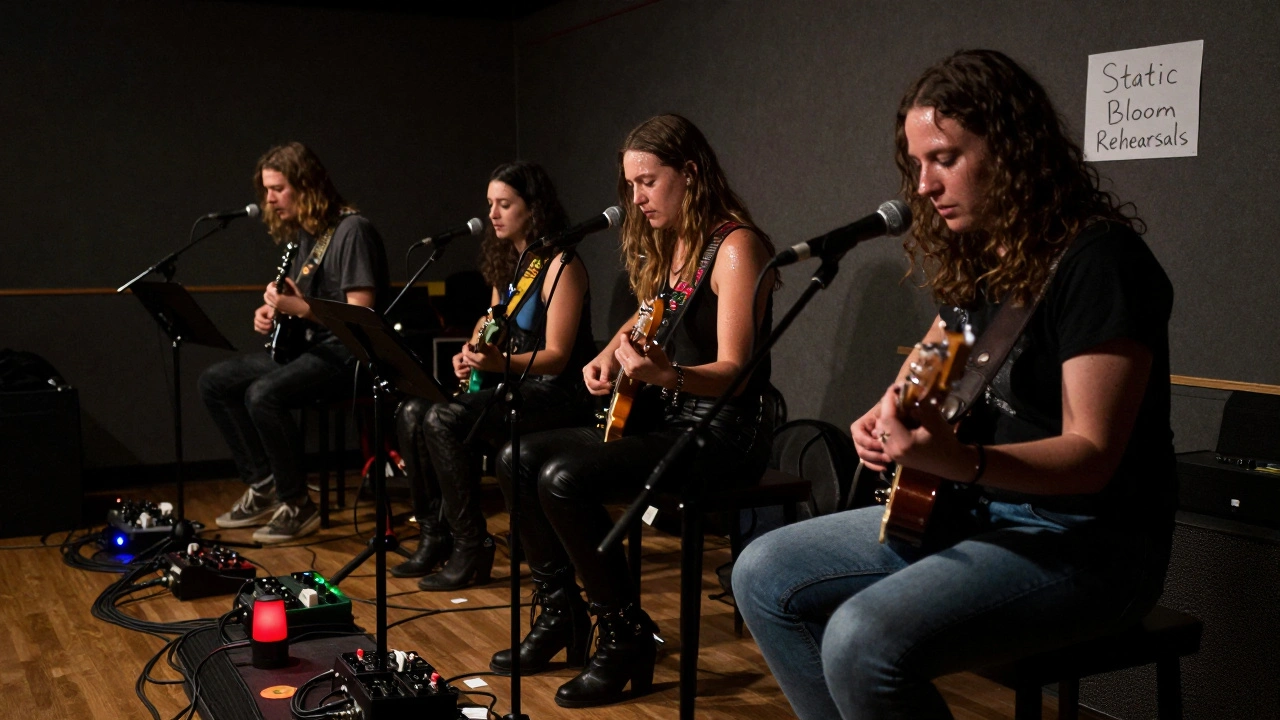
Every rehearsal gets recorded. Not just the final run-throughs. The warm-ups. The fumbled choruses. The five-minute jam that accidentally became a new intro. All of it goes into a shared drive labeled Static Bloom Rehearsals. Why? Because improvement isn’t linear. You don’t know what you fixed until you hear what you were doing wrong.
They use a simple rule: if a mistake happens three times in the same spot, it’s not a fluke-it’s a problem. They stop. They isolate the section. They slow it down. They play it backwards. They change the drum pattern. They switch guitar tones. They try it with a metronome. Then they try it without one. And they record it again.
One track, “Frayed Wire,” took 17 rehearsals to get right. The third version had a killer vocal harmony. The 12th version had the perfect guitar swell. The 17th? It had both. They didn’t know that until they listened back.
Rehearse like you’re on stage
They don’t rehearse in sweatpants. They wear the same clothes they’ll wear on tour. They use the same amps. The same cabs. The same microphones. The same stage layout. Why? Because the way a song feels in a quiet room is not the way it feels under lights with a crowd breathing behind you.
They even simulate crowd reactions. One member yells out fake requests. Another stomps their foot on cue. Someone turns off the lights for 30 seconds mid-song. They practice starting over after a fake equipment failure. They rehearse the silence after a song ends-because silence on stage is louder than you think.
Alli said in a recent interview: “If you can’t hold the energy when no one’s clapping, you’ll lose the room when they do.”
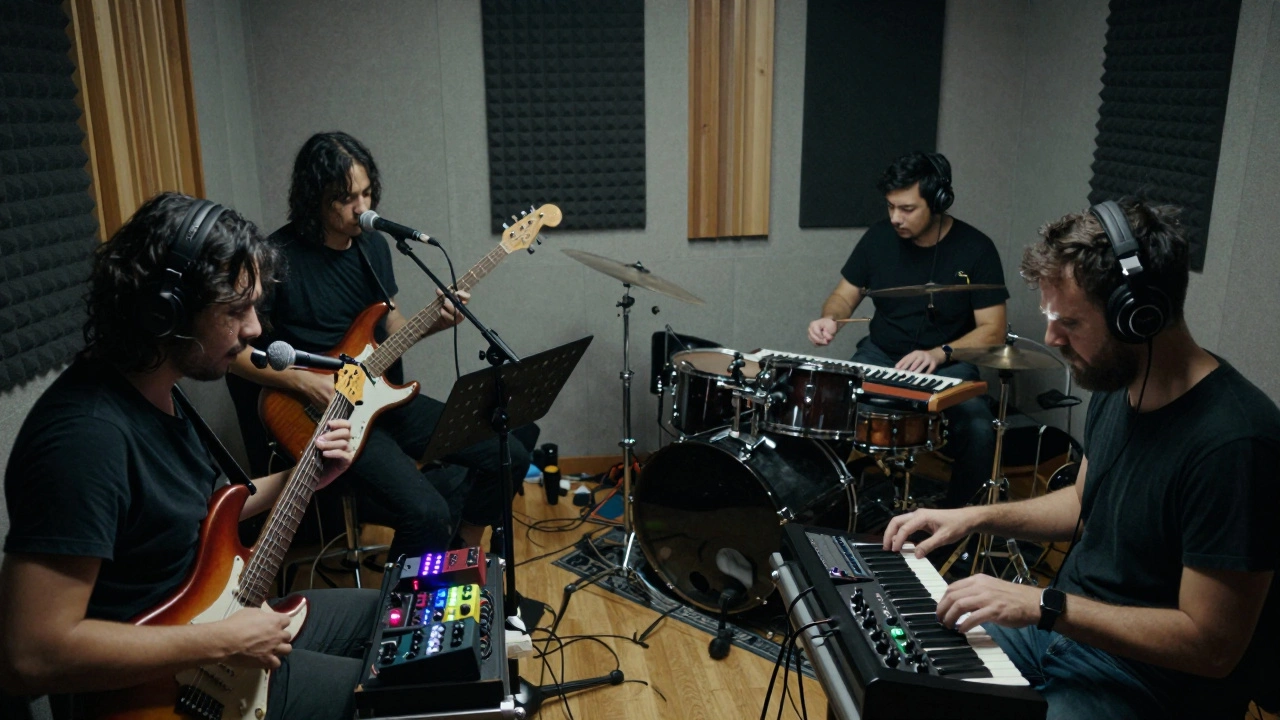
Break the band into subsystems
Not every member needs to be in every rehearsal. They split into three groups:
- Vocal + rhythm: Alli and the bassist work on phrasing, timing, and dynamics. They don’t play the full song-they isolate the vocal line and the groove underneath it.
- Guitars + effects: The two guitarists test pedal chains, layering, and feedback loops. They experiment with alternate tunings and delay settings that won’t work in the studio but explode live.
- Drums + electronics: The drummer and synth player lock in tempo triggers, click tracks, and sample triggers. They rehearse with headphones on, no monitors, to simulate live sound isolation.
Each group meets twice a week. The full band comes together once. That structure cuts rehearsal time by 40% and increases precision by 60%, according to their audio engineer’s notes.
Test in small rooms before big stages
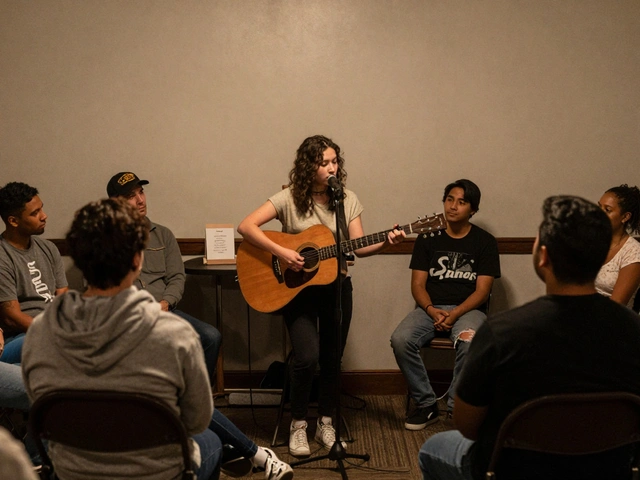
They don’t wait for the tour to start. Three weeks before the album drops, they play three secret shows. One in a 50-seat bookstore. One in a 100-capacity dive bar. One in a warehouse with no PA. Each show is open to just 20 fans who signed up through a hidden link. No promotion. No press. Just raw feedback.
They change setlists after each show. They tweak vocal harmonies. They drop a song that didn’t land. They add a new intro based on a crowd’s reaction to a false start. They record the audience’s breathing. They listen to how the bass shakes the floor. They learn what the room does to the music.
One fan wrote in a comment: “I didn’t know it was a new song until you played it. It felt like I’d heard it before.” That’s the goal.

Rest is part of the routine
They don’t rehearse every day. They rehearse every other day. They take Sundays off. No exceptions. Why? Because fatigue kills precision. And precision is what turns a good song into a great performance.
They also do “silent rehearsals.” One member plays the track on a speaker. Everyone else sits with their eyes closed. No instruments. No talking. Just listening. They do this once a week. It’s not about memorizing. It’s about feeling the shape of the song. Where it breathes. Where it aches. Where it lifts.
Alli says, “If you can’t feel the song in your bones without playing it, you’re just covering it. You’re not living it.”
What happens when the album drops
On opening night, they didn’t play every new song. They played six out of ten. Two were cut because they didn’t survive the warehouse show. One was added because fans kept asking for it after the secret gigs. The setlist was fluid. The energy was tight. The crowd didn’t know it was new material. They just felt it.
After the show, the band didn’t celebrate. They watched the recordings. They took notes. They planned the next rehearsal.
Because for Alli Starr’s band, rehearsal isn’t a step before the show. It’s the show.”
How long does it take Alli Starr’s band to rehearse a new song?
It varies, but most songs take between 10 and 20 full rehearsals before they’re ready for live performance. Complex tracks with layered vocals or electronic triggers can take up to 30 sessions. The key isn’t time-it’s repetition with purpose. They don’t stop until the song feels automatic, not polished.
Do they use metronomes during rehearsals?
They use metronomes only to fix timing issues, never as a crutch. Once a song’s groove is locked in, they turn it off. They believe rhythm comes from feel, not machines. The drummer says, “A metronome tells you when you’re wrong. It doesn’t teach you how to be right.”
Why do they rehearse in performance gear?
Clothing affects movement. Tight jeans restrict leg motion. Heavy boots change your stance. Microphones shift when you sweat. By rehearsing in full gear, they catch these small but critical problems before the real show. It’s not about style-it’s about function.
How do they decide which new songs to play live?
They test songs in small, unannounced shows with real audiences. If a song gets no reaction, gets lost in the mix, or feels forced, it gets cut. If fans hum it on the way out, or ask for it afterward, it stays. The audience, not the band, decides what works live.
Is this method only for experienced bands?
No. This system works for any band with at least three members and a willingness to be honest. Beginners benefit the most because they’re not stuck in old habits. The key isn’t experience-it’s discipline. Showing up. Listening. Admitting when something doesn’t work.