When you think about what moves a community forward, you probably picture big events, government programs, or nonprofit campaigns. But the real engine of change? It’s quieter. It’s local newspapers, radio spots, neighborhood bulletin boards, and the person next door who says, "You’ve got to check this out." That’s where Alli Starr’s work made a difference-not by shouting from a stage, but by listening, connecting, and letting the community speak for itself.
Why Local Media Still Matters in a Digital World
Most people assume social media replaced local news. It didn’t. In towns like Greenfield, where Alli Starr started her outreach, 68% of residents still rely on the weekly paper or the Friday night radio show for trusted updates. Why? Because local media doesn’t just report events-it explains them. A story about the new youth arts program isn’t just an announcement. It’s a conversation starter. It tells parents, teens, and elders: This matters to us.
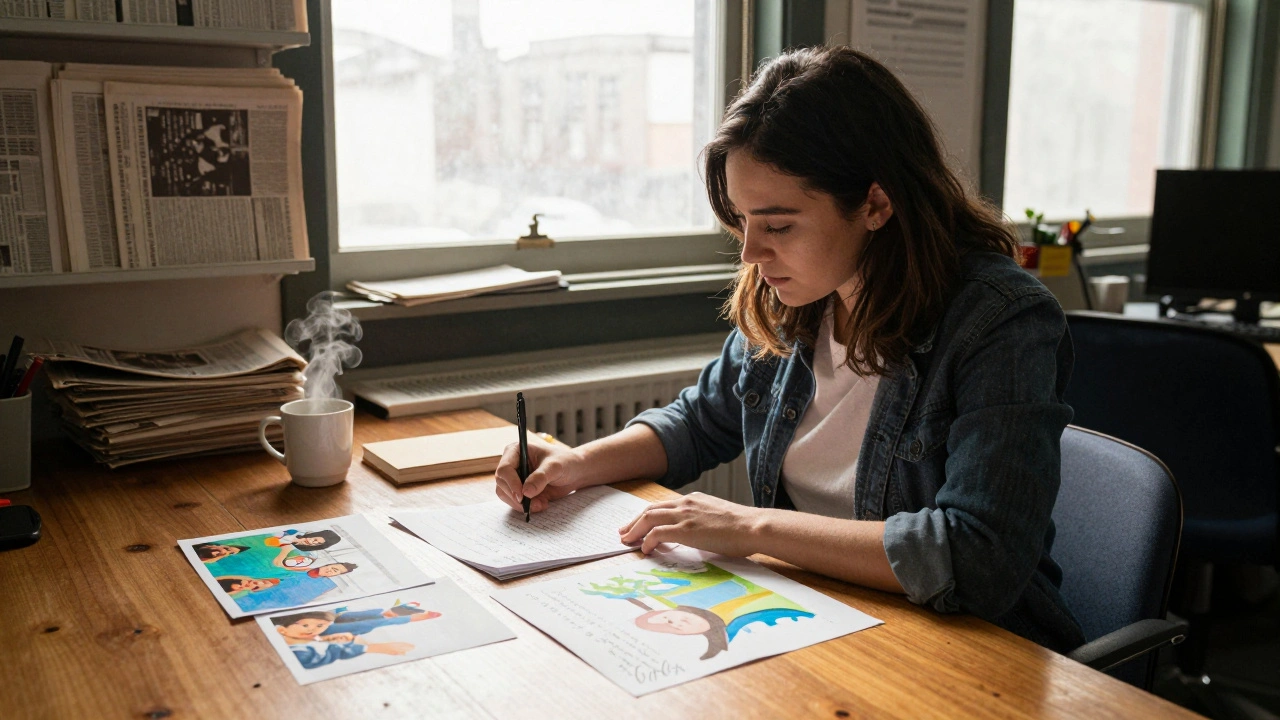
Alli didn’t write press releases. She sat with the editor of the Greenfield Gazette every Tuesday morning. She brought photos of kids painting murals, audio clips of teenagers performing poetry, and real quotes from people who showed up. The result? The paper started running a regular column called "What’s Growing Here," and within six months, attendance at community events jumped 42%.
Word of Mouth Isn’t Just Talk-It’s Trust in Motion
Think about the last time you tried a new restaurant, bought a product, or joined a group. Did you go straight to an ad? Or did someone you know say, "Try this"? That’s word of mouth-and in tight-knit communities, it’s the most powerful marketing tool there is.
Alli knew this. She didn’t run ads. She trained 37 volunteers-teachers, baristas, librarians, retired musicians-to be conversation catalysts. Each one carried a simple message: "There’s a free arts night every Thursday. Bring a friend. No experience needed." They didn’t push. They invited. And because these were people others saw every day, the message stuck.
By the end of year two, 83% of new participants said they heard about the program from someone they knew. Not a Facebook post. Not a billboard. A neighbor. A coworker. A kid’s piano teacher.
The Ripple Effect: How One Person Can Turn Noise Into Movement
Alli Starr didn’t have a big budget. She didn’t have a PR team. She had a notebook, a car with worn tires, and a habit of showing up. She went to PTA meetings, church potlucks, and the corner store where the old-timers drank coffee. She didn’t pitch. She asked questions: "What kind of art do you wish your kids could see?" "Who here could teach a class if they had the space?"
Those conversations became the program’s backbone. One woman, a retired jazz drummer, started teaching drum circles after Alli mentioned she’d heard he missed playing. A high school student, inspired by a mural project, launched a teen-led street art tour. Each of these grew because someone in the community heard it first-and believed it.
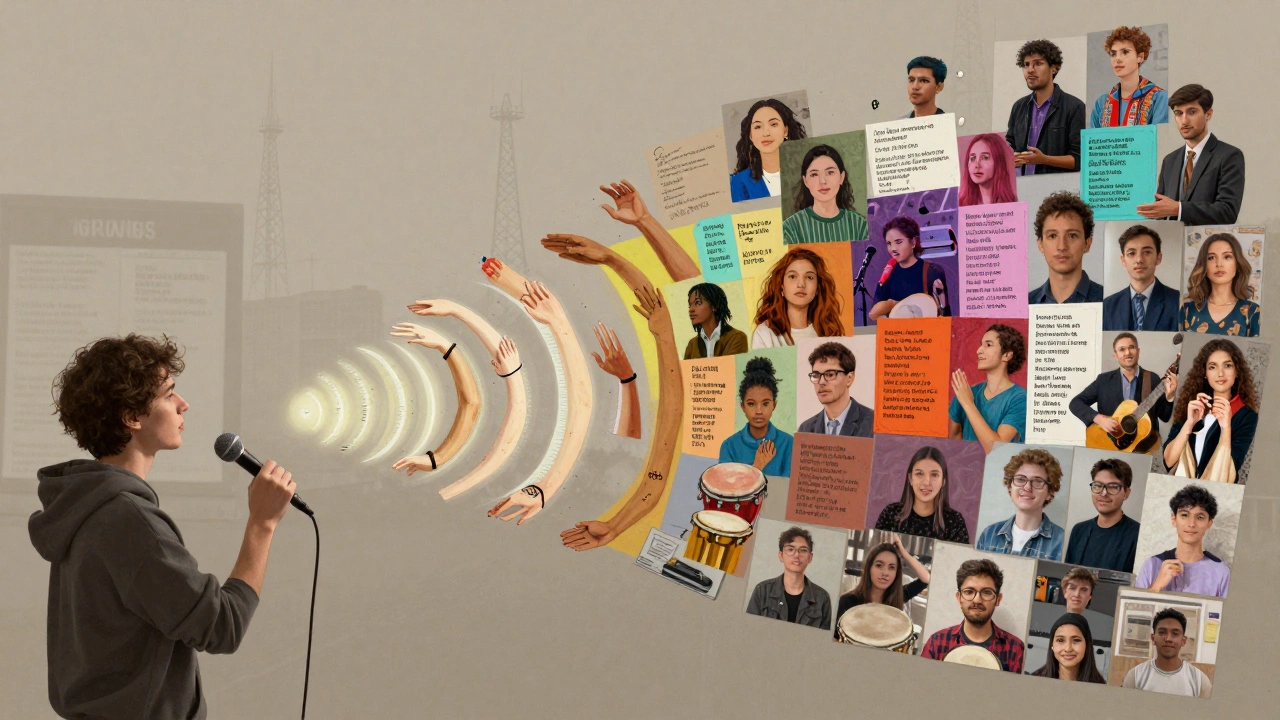
This isn’t luck. It’s strategy. Alli called it "amplifying the quiet voices." She didn’t create content. She created space for others to create it.
What Happens When You Stop Controlling the Message
Most community programs fail because they try to control the narrative. They design flyers. They script social media. They hire influencers. But Alli did the opposite. She gave up control.
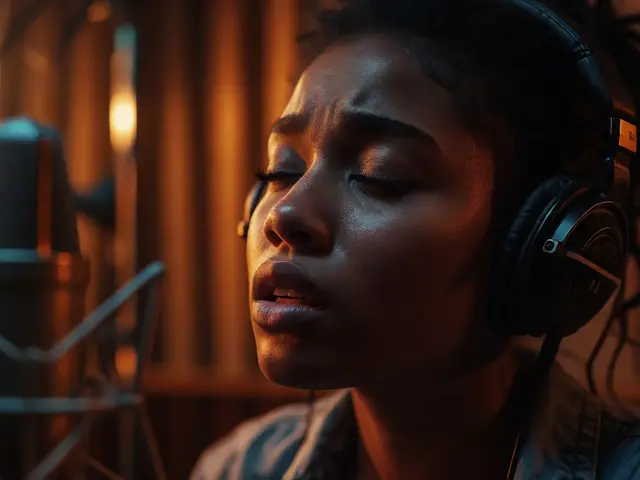
She let the local radio station interview participants without a script. She handed out cameras to teens and asked them to film what they loved about their neighborhood. She posted those videos-raw, unedited-on the library’s bulletin board and the town’s Facebook page.
The results? Viewership tripled. Comments shifted from "cool" to "I want to join." Local businesses started donating paint, sound equipment, and free coffee. Why? Because they saw real people, not polished ads.
Control kills authenticity. Trust builds momentum.
The Hidden Power of Small, Consistent Touchpoints
Big campaigns get attention. But small, regular interactions build loyalty. Alli’s team didn’t wait for events. They showed up weekly.
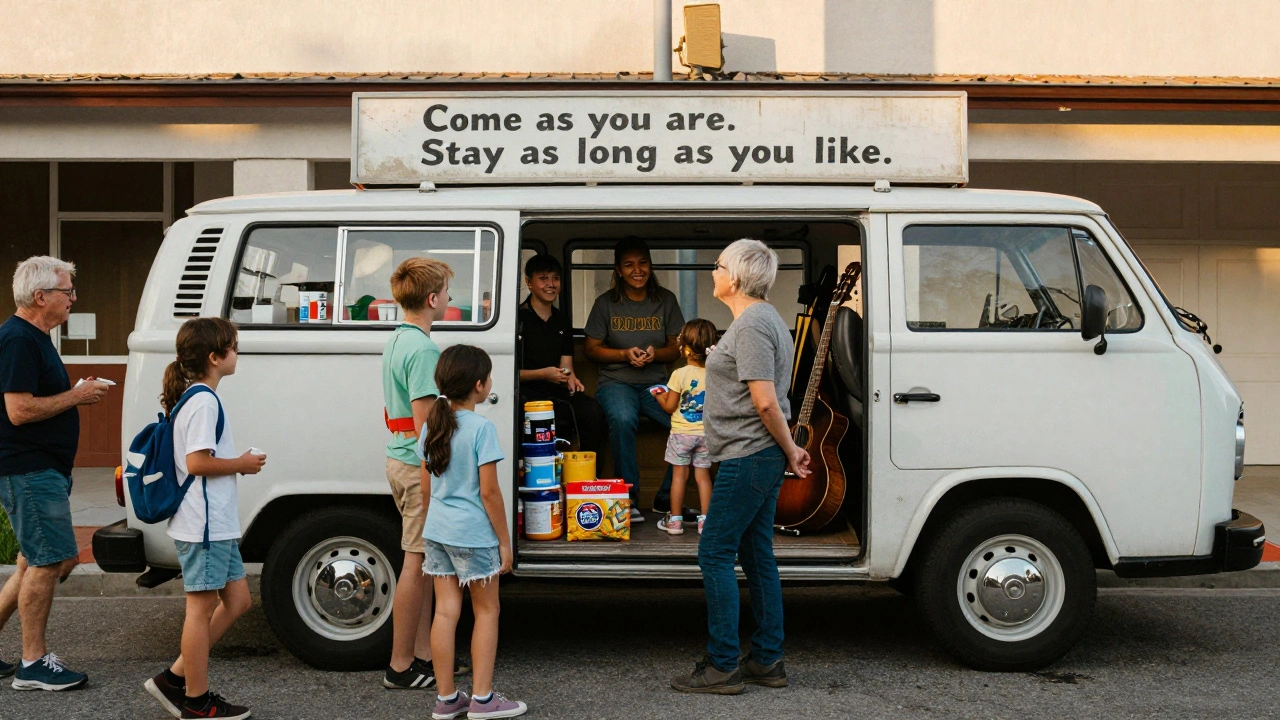
Every Thursday at 4 p.m., a van pulled up to the community center with snacks, instruments, and paint supplies. No sign-up sheet. No fee. Just open doors and a sign that said: "Come as you are. Stay as long as you like."
People started showing up early. Bringing their siblings. Asking if they could bring their grandma. The van became a ritual. A promise. And because it was consistent, predictable, and kind, it became part of the town’s rhythm.
When the city tried to cut funding for the program, over 200 people wrote letters-not to the mayor, but to the Gazette. The headline? "Don’t Take Our Thursday Van." The city reversed the decision.
What You Can Steal From Alli’s Approach
You don’t need to be Alli Starr to make this work. You just need to understand three things:
- Listen more than you speak. Find the people who already care-and let them lead.
- Use the channels people already trust. Local radio, bulletin boards, coffee shops, and school newsletters still work.
- Make participation easy, not perfect. No forms. No fees. No pressure. Just space.
Start small. Talk to one person. Ask what they wish their community had. Then show up. Again. And again.
Real Change Doesn’t Come From Viral Posts-It Comes From Real People
There’s no app for this. No algorithm. No paid promotion. Just the slow, steady work of showing up, listening, and letting others take the lead.
Alli Starr didn’t build a movement. She noticed one was already there. She just gave it a microphone.
Can word of mouth really move a community without social media?
Yes. In fact, in many small towns and neighborhoods, word of mouth is more effective than social media. People trust their neighbors more than algorithms. A recommendation from a local teacher, barber, or church volunteer carries more weight than a sponsored post. Alli Starr’s program grew because 83% of new participants heard about it from someone they knew personally-not from an online ad.
How do you find local media partners if you’re not a nonprofit?
Start by showing up. Go to the local newspaper’s office, bring photos or stories of real people doing real things, and ask if they’d be willing to feature a regular community update. Local journalists want authentic stories-not PR pitches. Alli didn’t send press releases. She brought handwritten notes, audio clips, and photos from events. She made it easy for them to say yes.
What’s the biggest mistake people make when trying to build community buzz?
Trying to control the message. If you script every conversation, polish every post, or demand approval for every photo, you kill authenticity. People can tell when something feels forced. Alli’s success came from letting participants tell their own stories-raw, unedited, and real. That’s what made others want to join.
Do you need money to make this work?
No. Alli Starr’s program started with $200 and a used van. What she had was time, consistency, and a willingness to listen. People gave supplies, space, and skills because they felt seen-not because they were asked for money. Focus on creating value, not asking for donations.
How long does it take to see real results?
It takes patience. Alli didn’t see big changes until month 10. But small signs showed up earlier: more people showing up to events, neighbors talking to each other, local businesses offering support. Real community impact isn’t measured in likes. It’s measured in repeated presence. Show up every week for six months, and you’ll start to see momentum.