When Alli Starr first stepped onto a stage in Tokyo’s Liquid Room, she didn’t just hear the crowd-she felt the acoustics change beneath her feet. The room, built with reclaimed oak and angled concrete walls, didn’t just reflect sound-it sculpted it. That night, she realized her studio recordings, polished and precise, weren’t translating. The crowd wanted warmth, not clarity. They wanted breath. And that moment changed everything about how she builds her live R&B shows.
Japan: The Silence Between Notes
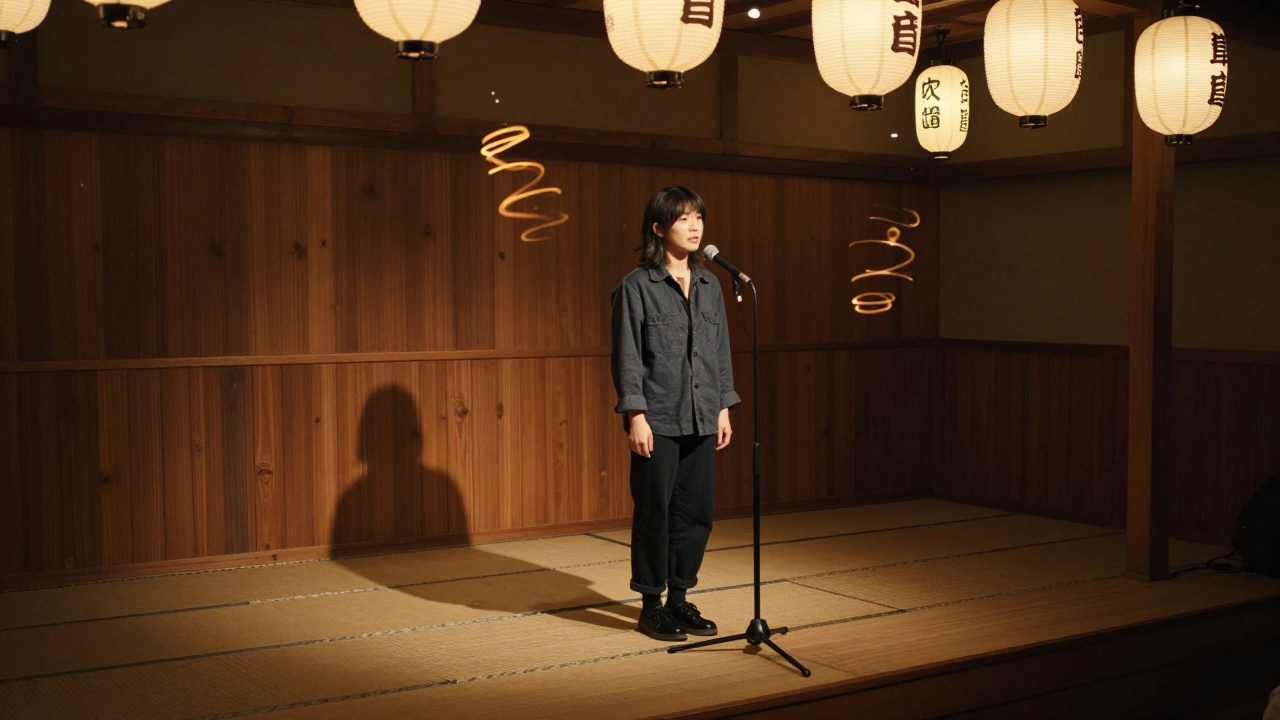
In Japan, silence isn’t empty. It’s a space you earn. Alli remembers playing a small venue in Kyoto where the audience didn’t clap between songs. Not out of politeness-out of respect. They waited. Let the reverb die. Let the echo settle. That’s when she started stripping back her backing tracks. She cut the layered harmonies, removed the sidechain compression, and let the space between her vocals breathe. What she lost in punch, she gained in intimacy. Her microphone became a conversation tool, not a megaphone. She started recording live takes in hotel rooms before tours, just to hear how her voice sounded in quiet, wooden spaces. The result? Her 2024 album Still Water has tracks that sound like they were recorded in a temple, even though they were made in a Brooklyn studio.
South Africa: Bass That Moves Your Chest
At a rooftop show in Cape Town, the bass from a neighboring speaker system bled into her set. Not a glitch-a gift. The low-end from a local kwaito act vibrated through the concrete floor, syncing with her kick drum. The crowd didn’t just listen-they leaned in, hands on stomachs, eyes closed. She realized then that R&B doesn’t always need high fidelity. Sometimes, it needs physicality. After that night, she redesigned her monitor system. Instead of aiming for studio-flat response, she tuned her subwoofers to 65Hz-the frequency that makes your sternum hum. She stopped using compression on the kick and let it punch through naturally. Touring in Johannesburg, she learned to leave room for the crowd’s own rhythm. People there don’t just dance-they groove in sync with the architecture. A venue with high ceilings? She’d drop the bass lower. A narrow alley stage? She’d tighten the low-mids. Her live mix now has a heartbeat, not just a beat.
Paris: The Art of the Unplugged Moment
In Paris, at a converted 19th-century theater, the acoustics were so live that even a whisper carried to the back row. Alli’s usual setup-four backing vocalists, two drum machines, a live bassist-felt overwhelming. The room didn’t need noise. It needed texture. So she did something radical: she unplugged everything except her voice and a single nylon-string guitar. No in-ear monitors. No click track. Just her, the space, and 800 people holding their breath. That show became her template for the Unplugged Interlude segment in every tour now. She picks one song per show to strip down, and she lets the venue decide how. In Paris, it was a ballad. In Berlin, it was a slow-burn duet with a local sax player. In Lisbon, it was just her voice echoing off tiled walls. The audience doesn’t know it’s coming. And that’s the point. The venue becomes her co-producer.

Mexico City: The Power of the Crowd’s Voice
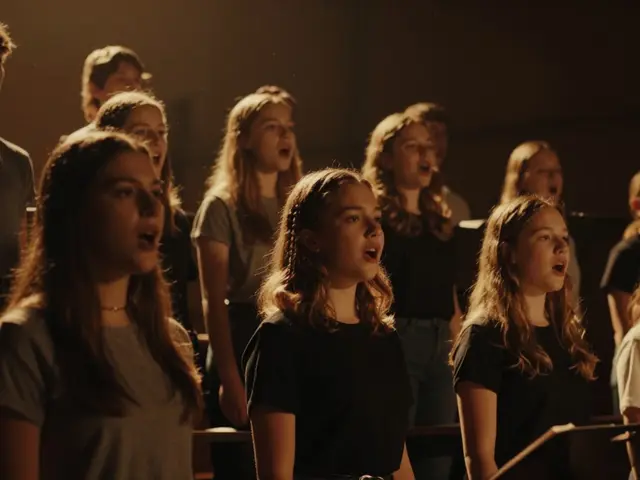
At a festival in Mexico City, the crowd started singing along to a bridge she hadn’t released yet. She didn’t expect it. She didn’t even have the lyrics memorized. But they knew them. They sang louder than her. That’s when she realized her live production didn’t need to control the audience-it needed to invite them in. She started writing call-and-response hooks into every new song. Not as an afterthought, but as the backbone. She began using handheld mics for crowd participation, not just for solos. Her sound engineer now has a dedicated channel labeled “Crowd FX”-a live feed of audience vocals, processed with subtle delay and reverb to blend into the mix. She doesn’t just play songs anymore. She builds sonic spaces where the audience becomes part of the instrumentation. Her 2025 tour setlist now includes three songs that were born from crowd harmonies in Mexico City.
London: The Science of the Small Room
London’s underground R&B scene runs in tiny basements with 200-person capacity. No VIP sections. No lighting rigs. Just sweat, speakers, and a single spotlight. Alli played one of these rooms in Peckham and realized the difference between a good sound and a perfect one wasn’t in the gear-it was in the physics. In a small room, sound waves bounce fast. Too much high-end? It turns into a buzz. Too much low-end? It turns into mud. She started using room EQ presets based on square footage. She mapped out how her voice interacted with brick, metal, and carpeted floors. She began tuning her vocal effects to the room’s natural reverb time-not the studio’s. Now, she carries a small device that measures the room’s RT60 (reverb decay time) before every show. It’s not fancy. It’s just a mic, a clap, and an app. But it tells her whether to add 0.3 seconds of delay or cut the midrange entirely. In London, she learned that production isn’t about power. It’s about precision.

Why This Matters Beyond the Stage
Alli Starr doesn’t tour to sell albums. She tours to learn. Each venue teaches her something her studio can’t: how sound behaves when it’s not isolated. How emotion travels through concrete. How a single note can echo differently in a mosque-turned-club in Istanbul than in a warehouse in Detroit. Her production choices aren’t based on trends. They’re based on experience. Every time she plays a new city, she records a 30-second ambient clip. Not of her music. Of the space. The hum of the AC. The creak of the floor. The distant train. She layers those into her next studio session. Her albums now have ghosts of places she’s been. Listeners don’t just hear her voice-they feel the weight of Tokyo’s silence, the pulse of Cape Town’s bass, the breath of Mexico City’s crowd.
What You Can Learn From Her Approach
You don’t need to be an international artist to use this method. If you perform live, ask yourself: What does this room want? Is it a cathedral with stone walls? A basement with carpet? A festival tent with wind humming through the fabric? Your gear doesn’t define your sound. The space does. Try this: before your next show, walk the venue alone. Clap your hands. Whisper. Hum a note. Listen. Not to the echo-but to what the echo reveals. That’s where your real production choices begin.
How did Alli Starr’s live sound change after touring internationally?
Before touring, Alli Starr relied on polished studio mixes with heavy compression and layered harmonies. After playing venues in Japan, South Africa, Paris, Mexico City, and London, she shifted toward space-aware production. She stripped back effects, tuned bass to physical resonance, let crowd vocals become part of the mix, and used room acoustics to guide EQ choices. Her live sound became more organic, responsive, and emotionally connected to each venue’s unique environment.
What role does venue acoustics play in live R&B performance?
Venue acoustics determine how sound moves and decays. In a reverberant space like a Parisian theater, too much reverb on vocals creates muddiness. In a small, dry room like a London basement, high frequencies can become harsh. Alli Starr adjusts her vocal processing, bass levels, and effects in real time based on how sound behaves in each space. This means her live sound isn’t fixed-it evolves with the room, making each show unique and more emotionally resonant.
Why did Alli Starr start recording ambient sounds from venues?
She records ambient sounds-like the hum of an AC unit or the creak of floorboards-to capture the emotional texture of a place. These sounds aren’t meant to be heard clearly; they’re layered subtly into her studio recordings as sonic memory. They help her recreate the feeling of a live show in a studio setting, making her albums feel more grounded and alive. It’s not about authenticity-it’s about emotional continuity between performance and recording.
How does crowd participation influence Alli Starr’s music production?
In Mexico City, the crowd sang along to a song she hadn’t released yet. That inspired her to write call-and-response sections into new tracks and use live crowd vocals as part of her mix. She now has a dedicated audio channel for audience input, processed with light delay and reverb. This turns the crowd into an instrument, not just an audience. It makes performances more interactive and gives each show a unique sonic fingerprint.
Can other artists apply Alli Starr’s methods without touring internationally?
Absolutely. You don’t need to travel the world to learn from space. Try playing the same song in different rooms-a gym, a living room, a concrete parking garage. Listen to how the sound changes. Record the ambient reverb of each space. Adjust your EQ, effects, and dynamics based on what the room demands. The key is listening more than playing. Alli’s method isn’t about gear-it’s about curiosity. Ask: What does this room want to hear? Then give it to them.