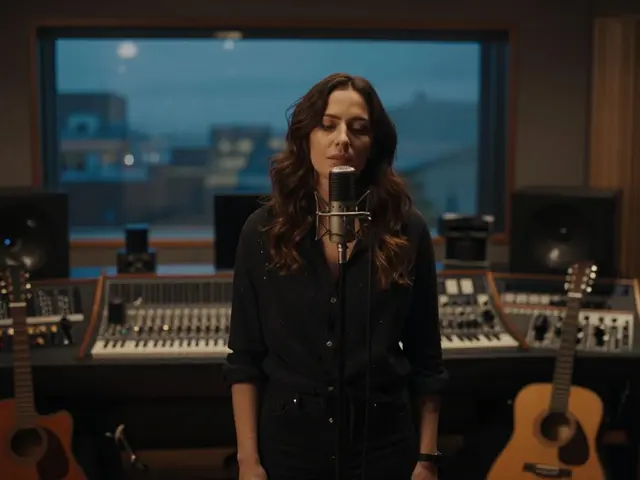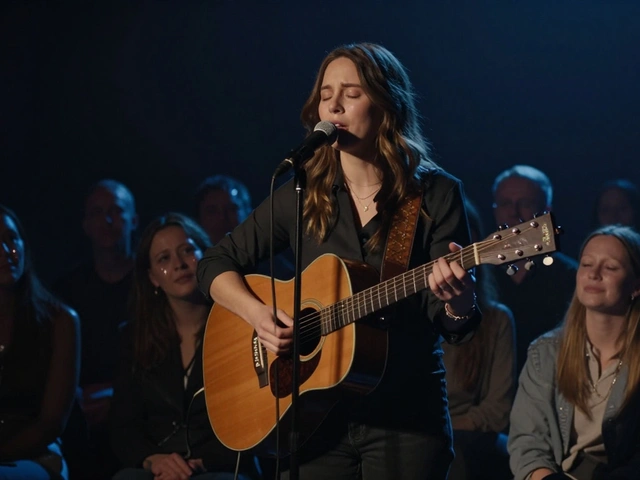
When you hear Alli Starr’s voice on a late-night playlist, it doesn’t sound like a polished radio hit. It sounds like someone singing just for you - in a living room, on a porch, or after a long shift at the diner. That’s not an accident. It’s the result of something deeper than production deals or streaming algorithms: community loyalty. While most artists chase viral moments, Alli Starr built her career one real connection at a time.
She Didn’t Start with a Label - She Started with a Block Party
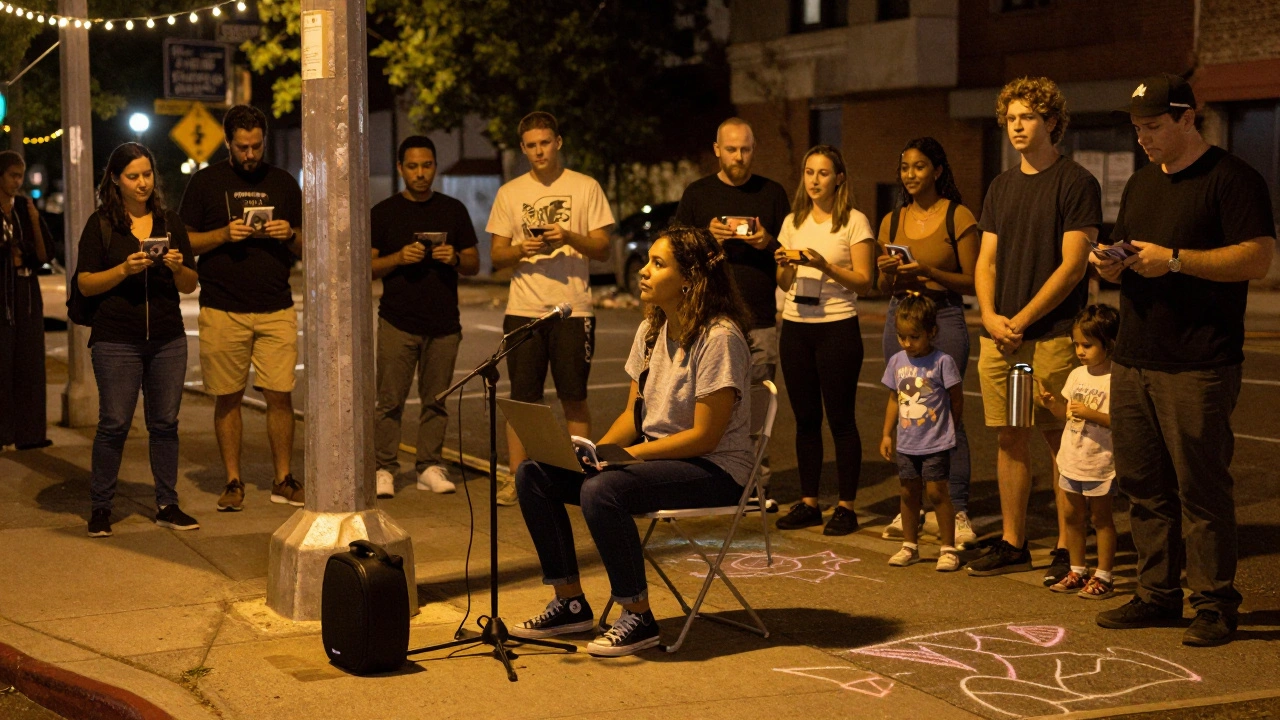
Alli didn’t land her first gig at a major venue. She started in 2019, playing free shows outside a small grocery store in Portland’s Montavilla neighborhood. No stage, no lights, just a mic, a Bluetooth speaker, and a folding chair. People stopped. A few bought her $5 homemade CDs. Others just listened. Within six months, the same faces kept showing up - same kids with their parents, same elderly couple with their thermos of tea. They didn’t just come for the music. They came because they felt seen.
By 2021, that block party had grown into a monthly event called Starr Sessions. Locals brought food, kids painted murals on the sidewalk, and neighbors volunteered to handle sound checks. Alli didn’t hire a manager. She didn’t need one. The community became her team.
Why Fans Stay When Labels Can’t Keep Them
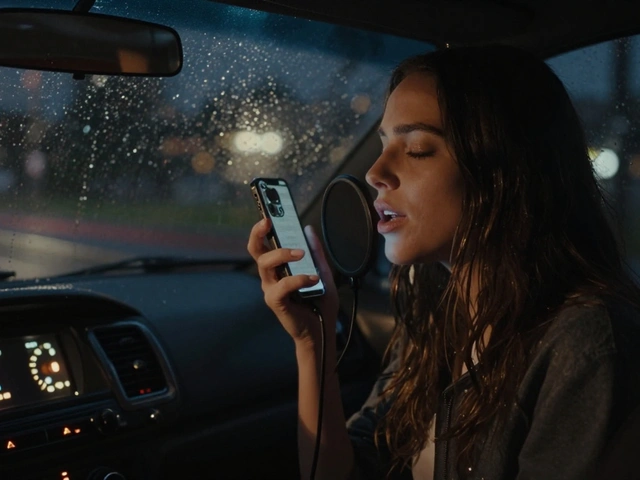
Most independent artists burn out trying to compete with major-label marketing. They post daily, chase trends, and exhaust themselves trying to look like someone they’re not. Alli did the opposite. She showed up as herself - messy hair, off-key notes, real stories about working two jobs to pay rent, about losing her grandmother last winter, about the nights she cried in her car after a show where only three people showed up.
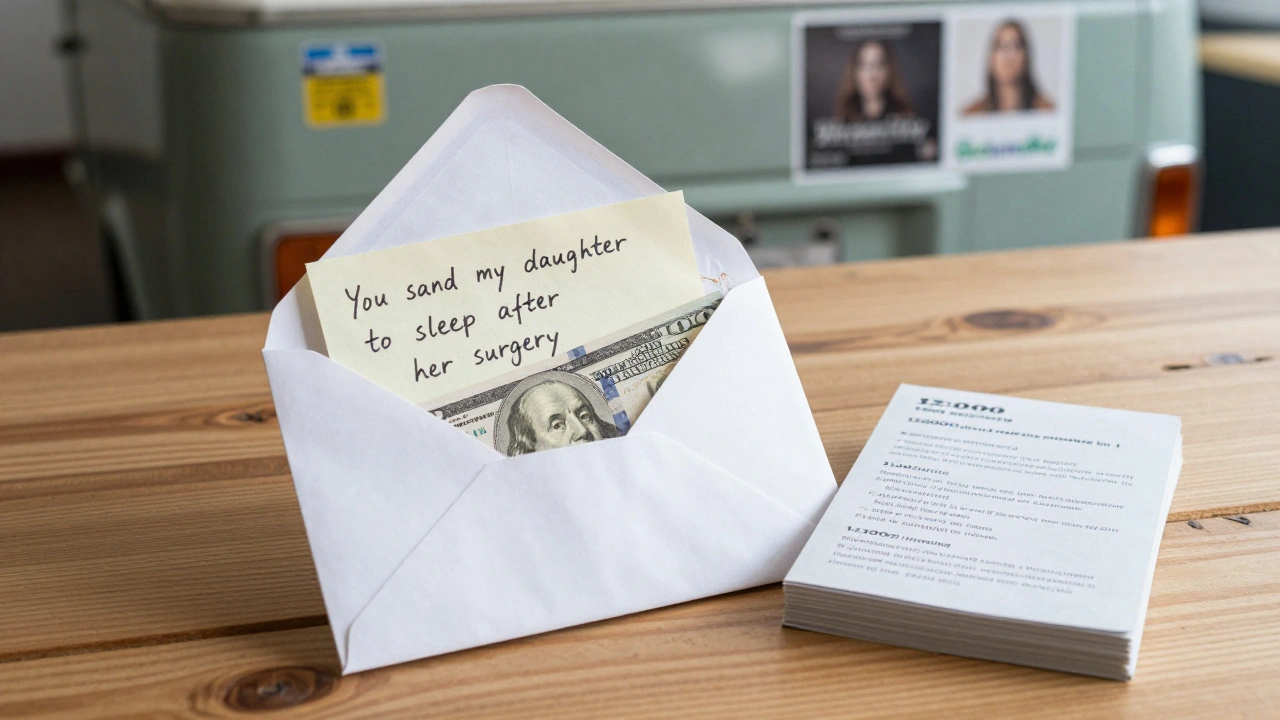
That honesty built trust. When she released her 2023 EP Still Here, it wasn’t promoted with ads. It was shared in Facebook groups, whispered about in Reddit threads, passed along in text messages: You gotta hear this. The EP hit 800,000 streams - not because of playlists, but because 12,000 people bought it directly from her website. Many paid $15 instead of the $8 suggested price. One woman mailed her a handwritten letter with a $100 bill and wrote: You sang my daughter to sleep after her surgery. I don’t have much, but this is for you.
The Ripple Effect of Small Acts
Community loyalty isn’t about big donations. It’s about consistency. When Alli’s van broke down in 2022, three fans pooled money to fix it. One was a mechanic who did the work for free. Another sent a $500 gift card so she could afford gas for her next tour. A third started a GoFundMe - not for her, but for her next album’s recording studio. She didn’t ask for it. They just knew she needed it.
When she launched her first vinyl pressing in 2024, 400 pre-orders came in before the announcement even went live. Not because of influencers. Because a grandmother in Seattle told her book club. Because a teacher in Spokane played her song for her 8th-grade class. Because a barista in Eugene started playing it during her shift and customers asked for the name.
What Labels Don’t Understand About Real Fans
Major labels talk about "building a fanbase." Alli’s community talks about "being family." There’s a difference. Labels want metrics: streams, shares, followers. Her people want presence: a text back, a shoutout at a show, a note in the liner notes that says Thanks for showing up, even when no one else did.
She doesn’t have 1 million followers. She has 12,000 people who show up when she needs them. And they don’t just support her - they defend her. When a music blog called her "too raw for mainstream," fans flooded the comments with stories of how her music helped them through divorce, depression, and grief. The backlash didn’t just stop the article - it made Alli’s next single, They Said I Wasn’t Ready, go viral organically.
How Community Turns Strangers Into Supporters
Alli’s secret? She doesn’t treat fans like customers. She treats them like neighbors. She texts birthday wishes. She posts behind-the-scenes videos of her cooking dinner after a show. She answers DMs - even the ones that just say Thank you. She lets people name their favorite songs on her website. One fan named a track For My Sister Who Left - and Alli added it to the official tracklist.
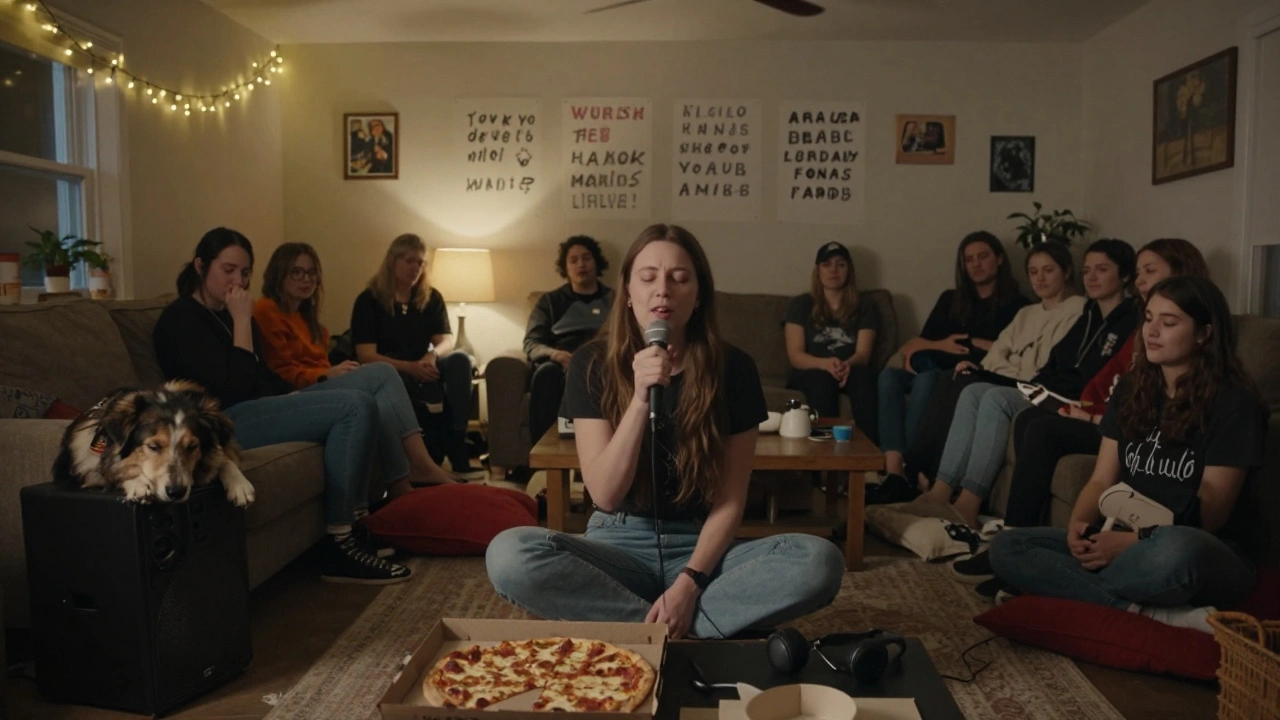
She doesn’t use analytics to guess what people want. She asks. In 2023, she sent out a simple survey: What do you need from me right now? The top answer: More live shows. Even if they’re small. So she started doing house concerts. Not in fancy venues. In basements, garages, and backyards. One in Missoula had 17 people. Another in Little Rock had a dog sleeping on the amp. She posted the video. It got 200,000 views. Not because it was perfect. Because it was real.
Why This Model Works - And Why It’s Hard to Copy
Other indie artists try to copy this. They start "community events." They post "personal" stories. But it’s performative. Alli’s community isn’t a marketing tactic. It’s a lifeline. She’s been broke. She’s been lonely. She’s been told she’d never make it. And the people who stuck with her? They’ve been there too.
This isn’t about loyalty to a brand. It’s about loyalty to a person who never stopped showing up - even when no one was watching. That’s why, in 2025, Alli Starr is still independent. Not because she couldn’t get a deal. But because she didn’t want one. A label would’ve told her to change her sound, to stop playing small shows, to stop talking about her struggles. Her community told her: Keep going. We’re here.
What You Can Learn From Her Approach
You don’t need to be a musician to use this lesson. Whether you’re an artist, a small business owner, or just someone trying to build something meaningful - real loyalty doesn’t come from ads. It comes from consistency. From showing up when it’s hard. From being human when everyone else is polished.
Alli’s career proves that you don’t need millions to matter. You just need a few people who believe in you enough to show up - again and again - even when the world isn’t listening.
How did Alli Starr build her fanbase without a label?
Alli built her fanbase through consistent, authentic engagement. She started with free local shows, responded personally to fans, shared her real struggles, and turned listeners into active participants - hosting events, helping with logistics, and spreading her music through word of mouth. Her community became her support system, not just her audience.
Why do fans pay more than the suggested price for her music?
Fans pay more because they see their support as a direct way to help her continue making music. Many have personal stories of how her songs helped them through tough times. They don’t view it as a purchase - they view it as an act of care. One fan mailed her $100 with a note saying, "You sang my daughter to sleep after her surgery."
What’s the difference between a fanbase and a community in music?
A fanbase follows an artist for their content. A community connects with the person behind the music. Alli’s community doesn’t just stream her songs - they show up at her shows, help fix her van, host house concerts, and defend her when critics dismiss her. They feel seen by her, and they show up in return.
Can other independent artists replicate Alli’s success?
Yes - but not by copying tactics. Alli’s success comes from authenticity, not strategy. Other artists can replicate it by being vulnerable, showing up consistently, listening to their audience, and treating them as partners, not customers. It takes time. It’s not glamorous. But it’s sustainable.
Why hasn’t Alli signed with a major label?
Alli hasn’t signed with a label because she values creative freedom and real connection over commercial growth. Labels would have asked her to change her sound, stop playing small shows, and stop sharing personal stories. Her community, however, loves her exactly as she is - and she chose to stay with them.