Most people know the lead singer. They remember the voice that hits the high note, the one that makes the crowd stand up. But if you’ve ever stood backstage at an R&B show, you’ve seen the real magic: the backup singers. They don’t get the spotlight, but without them, the song falls apart. Alli Starr, a veteran session vocalist who’s sung with legends like H.E.R., D’Angelo, and Fantasia, says it plainly: backup singing isn’t just support-it’s the foundation.
It’s Not About Being the Star
Alli didn’t start out wanting to be the face of the album. She grew up in a church choir in Atlanta, where harmony was sacred. "Back then, no one cared who hit the lead note," she says. "What mattered was whether the whole thing felt like one voice." That mindset stuck. When she moved to Los Angeles in her early twenties, she auditioned for lead roles. She got rejected. Then she tried backup. Within six months, she was on tour with a Grammy-winning artist. "I didn’t realize it then, but I was better at blending than standing out," she recalls. Backup singing in R&B isn’t about volume. It’s about texture. It’s about knowing when to whisper a third above, when to layer a fifth underneath, and when to hold a note just a split second longer so the lead singer can breathe. Alli calls it "vocal architecture." You don’t build a house with one brick. You need the mortar, the studs, the insulation. Backup singers are the insulation.The Hidden Skills No One Talks About
Most people think backup singers just repeat the melody. That’s not even close. In R&B, harmonies are complex-sometimes four-part, sometimes shifting in real time as the lead improvises. Alli’s job? To track every micro-expression in the lead’s voice and adjust instantly. She once sang on a live performance where the lead singer dropped an octave mid-phrase. No cue. No rehearsal. Alli shifted her harmony down a half-step, kept the groove, and didn’t miss a beat. "That’s not talent," she says. "That’s listening. It’s muscle memory from singing 300 shows a year." Backup singers also need perfect pitch, but not just for notes. They need pitch memory. They remember how the lead’s voice cracks on a B-flat in humid weather. They know when the mic feedback is about to happen. They hear the bass player’s slight delay and adjust their timing to lock in. It’s like being a human tuner.Why R&B Demands More Than Other Genres
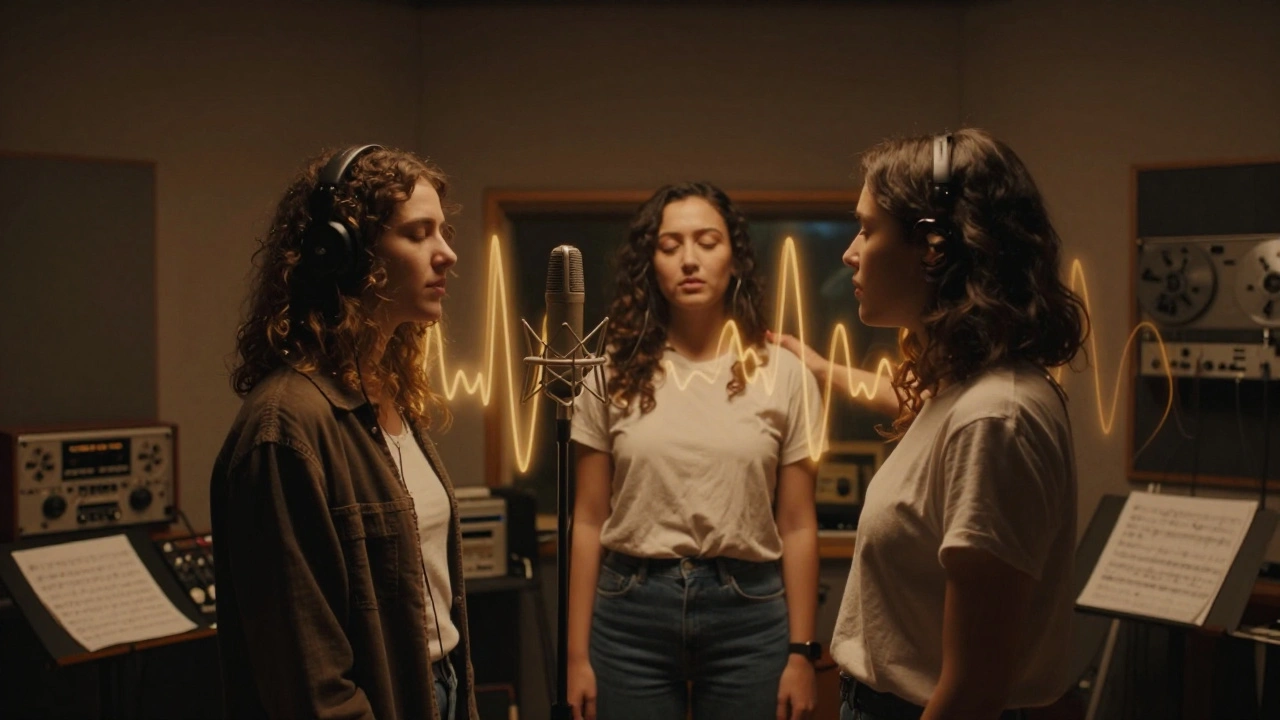
Pop? Rock? Country? They use backing tracks. R&B? Almost never. The genre thrives on human imperfection-the slight breath before a note, the way a voice wavers when it’s emotional. That’s why live R&B shows often have three to five backup singers. Each one covers a different range: soprano, alto, tenor, baritone, bass. Together, they create a wall of sound that no synth can replicate. Alli remembers recording with D’Angelo in 2022. The producer said, "I don’t want perfection. I want soul." They did 17 takes. On take 14, the lead singer started crying mid-line. Alli didn’t stop. She dropped her volume, leaned into the cry, and sang a harmony that sounded like a sigh. That take became the final version. "That’s the power of backup singing," she says. "You’re not just singing notes. You’re singing feeling."
The Career That Doesn’t Exist on Streaming
If you search "Alli Starr" on Spotify, you won’t find her name. Not as a lead. Not even as a featured artist. But if you dig into the credits of albums from 2018 to now, you’ll see her listed as "background vocals" dozens of times. She’s on three Grammy-nominated records. She’s been paid six-figure fees for studio sessions. Yet she’s never had a solo album. "People ask me if I’m frustrated," she says. "I’m not. I’m exactly where I need to be." She’s built a life on consistency. She works with producers who call her first. She has a waiting list of artists who want her on their next project. She teaches vocal harmony workshops in Portland, where she now lives. Her students? Mostly young singers who think they need to go solo to matter. She tells them: "Your voice isn’t meant to be heard alone. It’s meant to lift others."How Backup Singing Changed the Game for Her
Alli’s income? Stable. Her schedule? Flexible. Her creative freedom? High. She picks the projects she wants. She turns down tours that don’t feel right. She’s never had to beg for gigs. In an industry where lead singers fight for radio play, she’s got something better: trust. She’s been called back to the same studio for seven years. She’s the go-to for artists who want their music to feel human. "I’ve seen producers cry when they hear the final mix," she says. "They didn’t know what was missing until they heard the backups." And here’s the truth most don’t admit: the best R&B songs have backup vocals that sound like they’re part of the lead’s body. You don’t notice them. You just feel them. That’s the goal.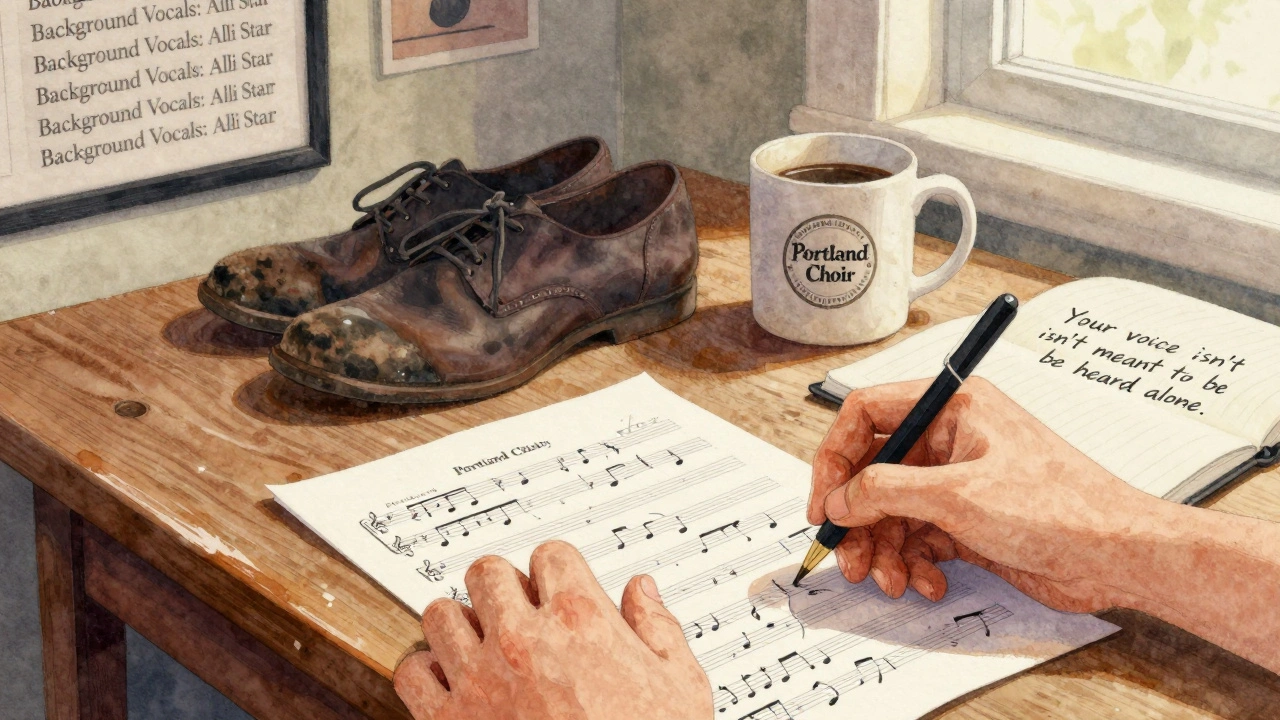
What You’re Missing If You Ignore Backup Singers
If you’ve ever thought backup singers are just background noise, you’ve been listening wrong. Listen again to "The Way You Move" by Earth, Wind & Fire. The harmonies on the chorus? Those weren’t auto-tuned. They were sung by three people in a room, breathing together, leaning into each other’s phrasing. That’s what Alli does. Or listen to Beyoncé’s "Love on Top." That final key change? The backup singers don’t just follow-they push. They carry the lead up. They make the note possible. Alli doesn’t need a solo career to matter. She already does. Every time a listener feels a song in their chest instead of just hearing it, that’s her work.How to Start as a Backup Singer
If you’re a singer and you’ve been told you’re "not lead material," don’t quit. You might be exactly what the industry needs. Here’s what Alli recommends:- Learn to sing in harmony-start with simple three-part songs like gospel or barbershop
- Practice singing with a metronome while listening to live R&B tracks. Try to match the timing of the backing vocals
- Record yourself singing harmonies over a lead vocal. Listen back. Are you blending? Or sticking out?
- Join a local choir or vocal group. Don’t audition for lead. Volunteer for harmony parts
- Study vocalists like The Clark Sisters, The Sweet Inspirations, and The Emotions
Final Thought: The Unsung Architects
Alli Starr doesn’t have a billboard. She doesn’t have a viral TikTok. She doesn’t have a solo album. But she’s shaped the sound of modern R&B. She’s the reason songs feel alive. She’s the reason listeners close their eyes and forget they’re even listening. The spotlight is loud. But the harmony? That’s where the soul lives.Do backup singers get paid well in R&B?
Yes-especially experienced ones. Session backup singers in top R&B studios can earn $500 to $1,500 per session, and top-tier singers like Alli Starr often work 20 to 30 sessions a year. Touring backup singers make $1,000 to $2,500 per week, plus travel and housing. Many also earn royalties if they’re credited on albums, which is common in R&B.
Can you make a full-time career as a backup singer?
Absolutely. Many backup singers work full-time, often with multiple clients. Alli Starr has been doing it for over 15 years. She doesn’t tour constantly-she picks high-profile studio work and occasional live gigs. Her income is steady, and she’s built a reputation that keeps the calls coming. It’s not flashy, but it’s sustainable.
Do backup singers need formal music training?
Not always, but they need strong aural skills. Alli Starr never went to music school. She learned by ear, singing in church and copying records. What matters most is pitch accuracy, timing, and the ability to blend. Many top backup singers are self-taught. Formal training helps, but real-world experience-especially in gospel, soul, and R&B-matters more.
How do backup singers get discovered?
Most get found through word of mouth. Producers and lead singers rely on trusted vocalists they’ve worked with before. Alli got her first big break when a producer heard her on a demo session and asked her to come back for the full album. Networking in studio sessions, joining vocal collectives, and performing live with local artists are the best ways to get noticed. Social media rarely helps-this industry runs on reputation, not views.
Are backup singers credited on albums?
Yes, especially in R&B. The Recording Academy requires proper credits for background vocalists on Grammy-nominated albums. Most major R&B labels list backup singers in liner notes and streaming credits. Alli Starr is credited on over 20 albums since 2018. While they rarely get solo billing, they’re recognized as essential contributors.