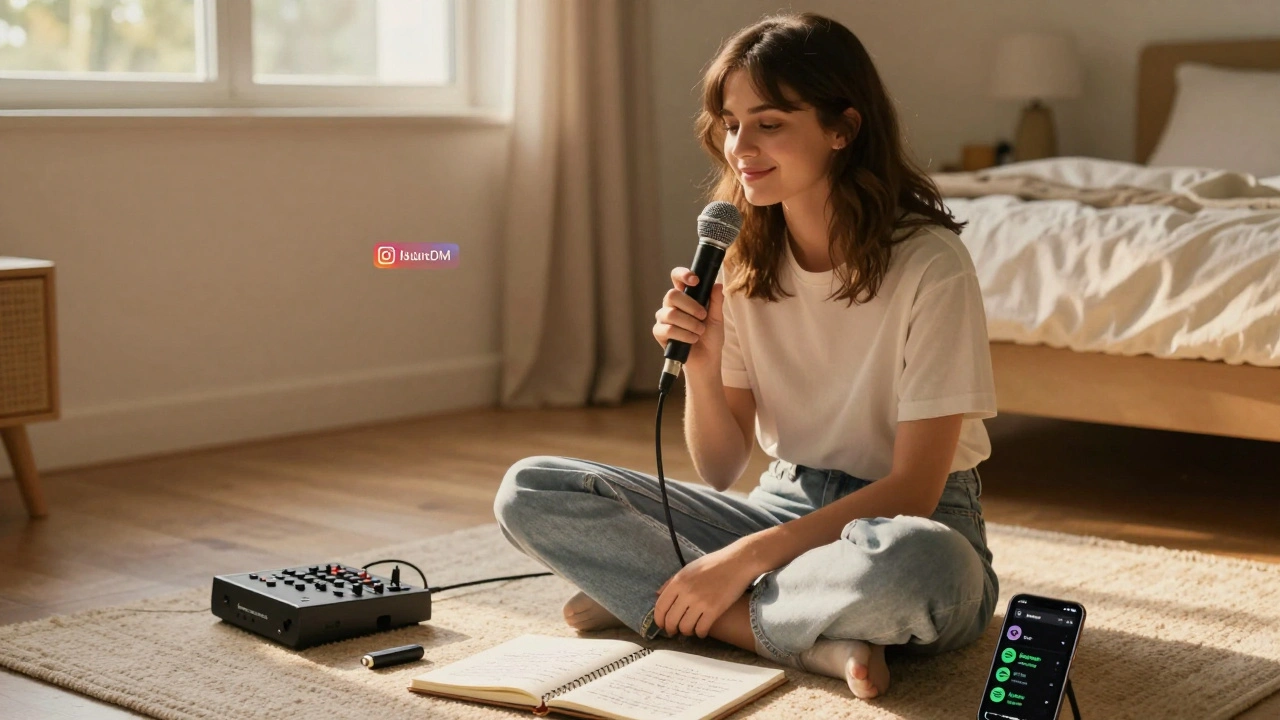
Most artists think getting a dream collab means waiting for a label to connect them-or hoping their song gets picked up by someone famous. But Alli Starr didn’t wait. She sent 87 DMs in six months. Six of them turned into studio sessions. Three became singles that charted. Here’s how she did it-and why your next collab isn’t as far away as you think.
Stop Sending Generic DMs
"Hey, love your work! Let’s collab!"-that’s the kind of message that gets buried. Alli used to send those too. Then she noticed something: the artists who replied weren’t the ones with the biggest followings. They were the ones who showed they’d actually listened.
She started by picking three tracks from each artist she wanted to reach. Not just their latest hit. Their deep cuts. Their live versions. Their demos. She’d write a short, specific note: "I loved how you layered the vocals in 'Midnight Pulse'-I’ve been trying to replicate that reverb chain. Would you be open to a 15-minute Zoom to swap ideas?"
That’s the difference. No flattery. No "you’re iconic." Just a real observation and a tiny ask. Her reply rate jumped from 2% to 23%.
Build Before You Ask
Alli didn’t just DM cold. She built a bridge first.
She’d comment on their Instagram stories. Not "cool!" but "This vocal take is insane-did you record it in your closet?" She’d tag them in a Reel where she covered a line from their song, with credit and a note: "Learning from the master." She didn’t do this to get noticed. She did it to show up as a peer.
One artist, Jax Rivera, saw her cover of his song and slid into her DMs: "You got the phrasing right. Let’s do something." That became "Flicker," her first top 50 hit.
You don’t need a million followers. You need to be the person who shows up consistently-not as a fan, but as someone who gets their sound.
The 15-Minute Studio Rule
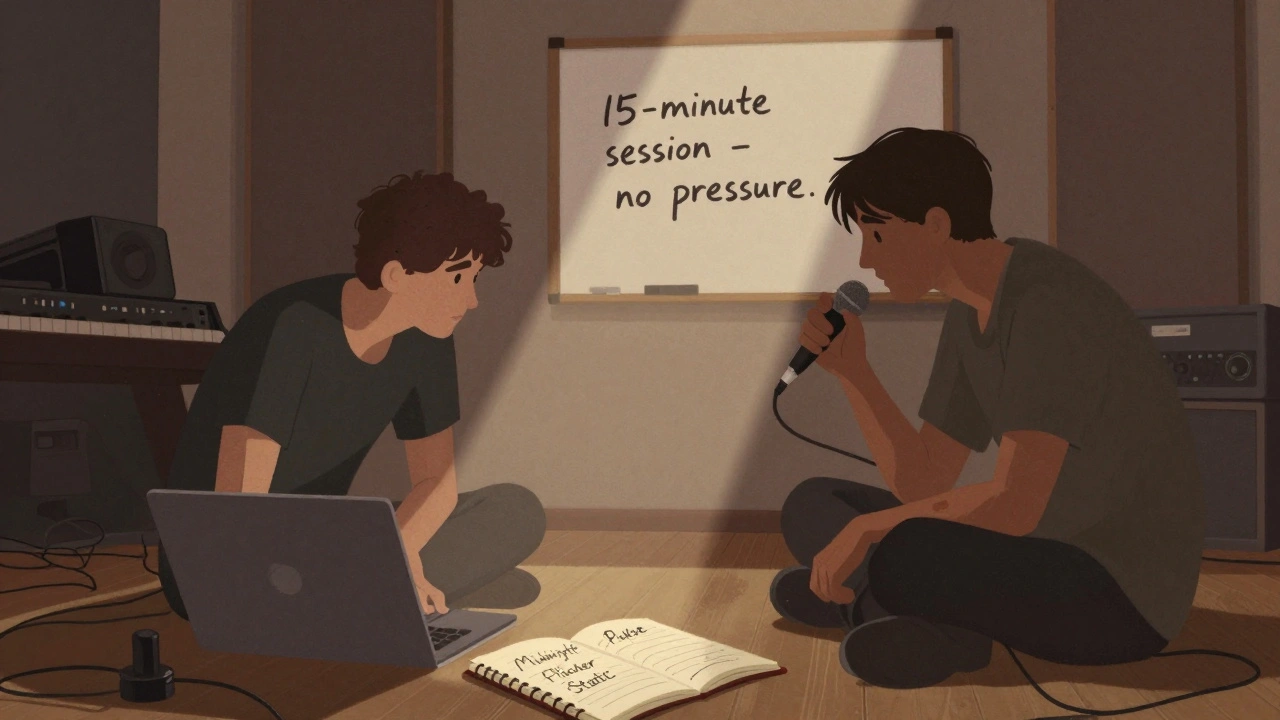
When someone says yes, Alli doesn’t ask for a full session. She asks for 15 minutes.
"I’ll bring my mic, my interface, and a playlist of three songs I think could spark something. No pressure. Just play around."
That’s the trick. She makes it feel low-stakes. No contract. No expectations. Just two people in a room, messing with sounds.
She’s done 17 of these 15-minute sessions. Nine led to full tracks. One became a viral TikTok. Why? Because artists hate feeling like they’re being "used" for clout. Alli makes it feel like a jam session, not a business meeting.
She never shows up empty-handed. Always brings:
- A portable mic (Shure MV7)
- A battery-powered audio interface (Focusrite Scarlett Solo)
- Three reference tracks (on a USB stick and a Spotify playlist)
- A notebook with one open-ended question: "What’s a sound you’ve been trying to capture but haven’t nailed yet?"
Track the Right Metrics
Most artists track likes, follows, streams. Alli tracks something else: studio access.
She keeps a simple spreadsheet:
| Artist | DM Sent | Response? | Session Held? | Track Started? | Release? |
|---|---|---|---|---|---|
| Jax Rivera | 12/15/2025 | Yes | Yes | Yes | Yes ("Flicker") |
| Luna Mora | 01/03/2026 | No | No | No | No |
| Marlon Cole | 01/28/2026 | Yes | Yes | Yes | Yes ("Static Heart") |
| Elise Tran | 02/10/2026 | Yes | Yes | Yes | In Progress |
She doesn’t care if 80% of DMs go unanswered. She cares that 60% of responses led to sessions. And 50% of sessions led to tracks. That’s a system. Not luck.
It’s Not About Fame-It’s About Fit
Alli doesn’t chase pop stars. She chases people whose sound she can learn from.
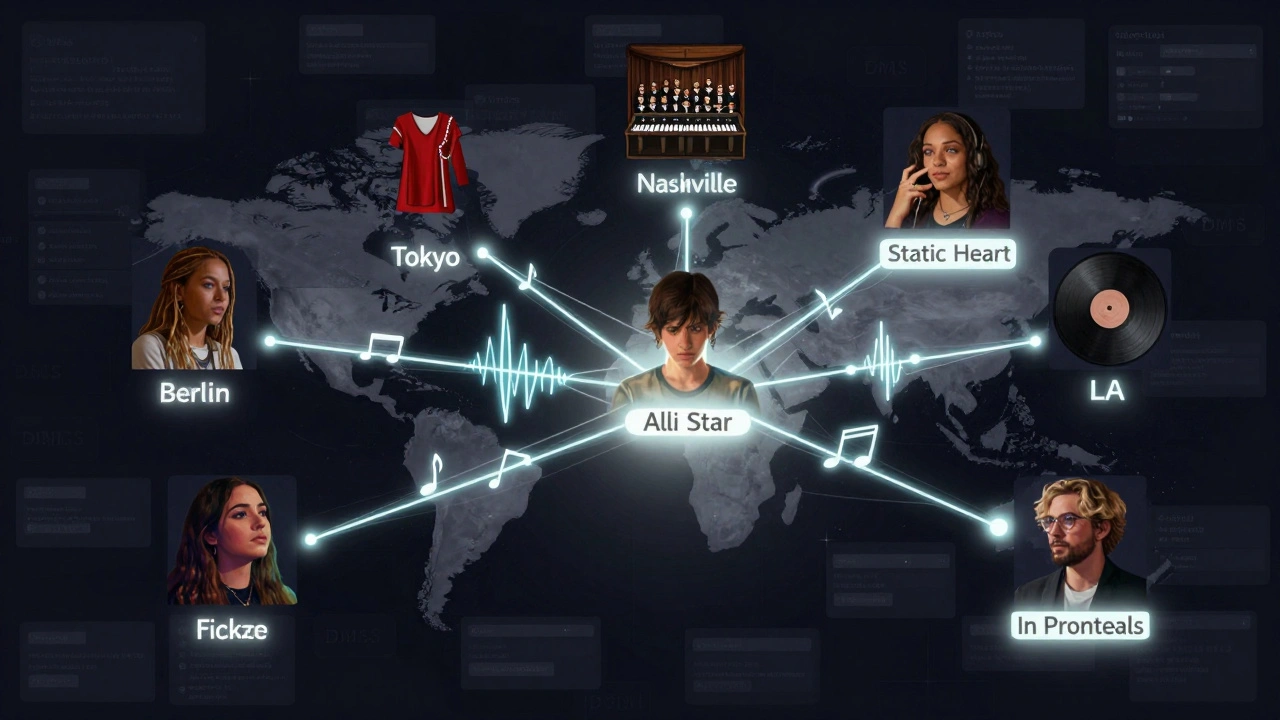
She reached out to a lo-fi producer in Tokyo, a gospel choir director in Nashville, and a synthwave artist in Berlin-all with under 50K followers. Each brought something she couldn’t find in her own studio.
Her breakout track, "Static Heart," blends Berlin-style arpeggiators with Nashville vocal harmonies. She didn’t get it from a label. She got it because she asked the right people, the right way.
You don’t need to collab with Drake. You need to collab with someone who fills a gap in your sound.
What Happens After the Session?
She never ghosts. After every session, she sends a thank-you note with:
- A voice memo of one line she loved from the session
- A link to the raw file (uploaded to Dropbox with a 7-day expiry)
- One idea for where they could take it next
That’s it. No pressure. No "let’s drop it next week." Just appreciation and a seed.
Three of the artists she’s worked with have since tagged her in their own collab posts. One sent her a beat. Another invited her to co-produce their EP.
It’s not about getting famous. It’s about building a network of people who want to work with you again.
What’s Holding You Back?
You think you need:
- A bigger following
- A manager
- A fancy studio
- Someone to introduce you
You don’t.
You need:
- A mic you can carry
- Three songs you truly admire
- One specific thing to say about each artist’s work
- The courage to send a message that’s human, not promotional
Alli didn’t start with a deal. She started with a DM. And so can you.
Do I need to be signed to a label to get dream collabs?
No. Alli Starr was independent when she started. Labels don’t create collabs-curiosity and consistency do. Most artists on major labels are still reaching out the same way: through DMs, voice notes, and small sessions. Being signed helps with exposure, but it doesn’t replace the need to build real connections.
What if I’m not a great singer or producer?
You don’t need to be the best. You need to be the one who brings something unique. Alli’s voice isn’t technically flawless, but she has a distinct tone and a knack for melody. Artists respond to authenticity, not perfection. Your sound doesn’t have to be polished-it just has to be yours.
How do I find artists to reach out to if I don’t know anyone in the scene?
Start where the music lives: Bandcamp, SoundCloud tags (#lofi, #indiepop, #experimental), and niche Subreddits like r/WeAreTheMusicMakers. Look for artists who’ve been releasing for 1-3 years-not the ones with millions of followers. They’re more likely to be open to collabs. Check their comments: if fans are asking "when’s the next one?" they’re building an audience. That’s your target.
Should I send voice notes instead of text?
Yes-if you can do it well. A 20-second voice note where you hum a melody you’re working on and say, "This reminds me of your track 'Echoes'-could we mess around with this?" feels more personal than any text. But if you’re uncomfortable, a short, well-written note works too. Authenticity beats production quality every time.
What if they don’t reply? Should I follow up?
One follow-up, 10 days later, is okay. Keep it light: "Hey, just wanted to say thanks for listening to my cover of 'Blue Hour.' No pressure at all, but if you ever want to experiment with a vocal layer, I’d love to send you something." If they still don’t reply, move on. Don’t chase. Your energy belongs with the people who match it.
Alli’s first collab didn’t make her famous. But it made her feel like a real artist. And that’s what kept her going. You don’t need a viral hit to start. You just need to send one DM that says: "I see you. And I want to make something with you."