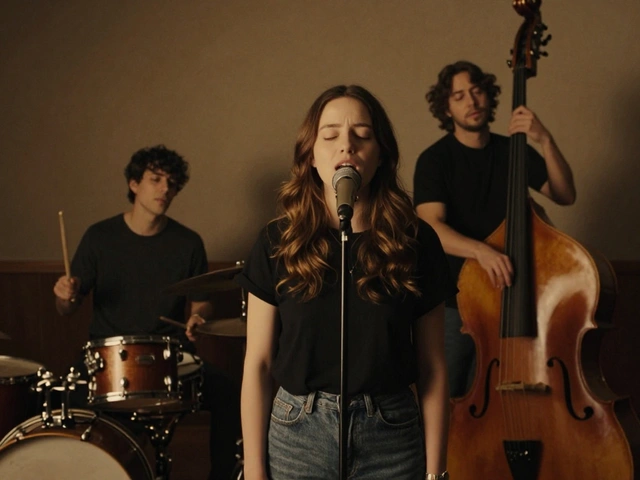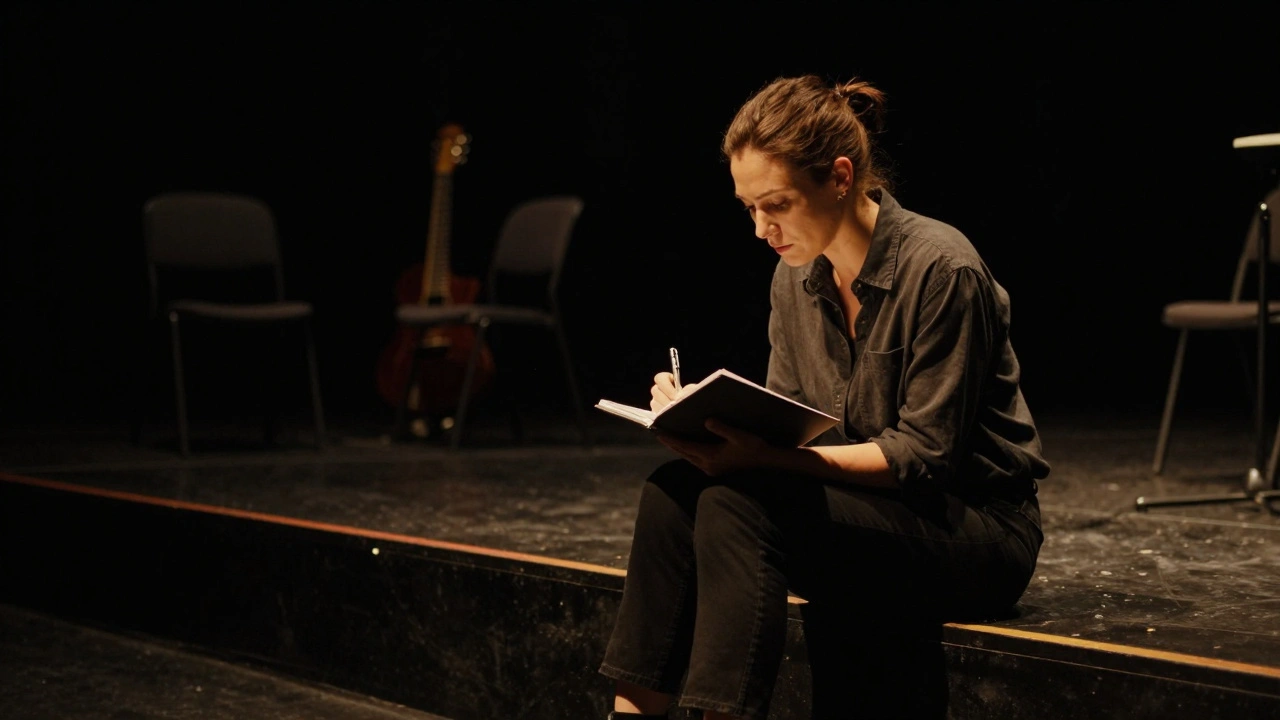
There is a moment after the final bow, when the adrenaline fades and the silence rushes back into the theater. For most performers, this is the end of the night. For Alli Starr, a performer known for her meticulous approach to live entertainment and stage presence, it is just the beginning. While others head straight to the bar or pack up their instruments, Alli stays behind with a notebook. She doesn’t write down what went right. She writes down what felt off. This habit-this relentless pursuit of continuous refinement through detailed show debriefs-is not just a quirk. It is the engine that drives her evolution as an artist.
We often think of talent as something innate, a gift you are born with. But in the world of professional stagecraft, talent is only the entry fee. The real work happens in the quiet hours after the lights go down. It happens when you have the courage to look at your own performance with brutal honesty. Alli’s method is simple in theory but difficult in practice: review every set, identify one thing that didn’t land, and fix it before the next gig. No excuses. No ego. Just improvement.
The Anatomy of a Post-Show Debrief
A good debrief isn’t a diary entry. It’s a forensic analysis of your performance. When Alli sits down to process a show, she breaks it down into three distinct layers: technical execution, audience connection, and emotional resonance. Most musicians stop at the first layer. They ask, "Did I hit the notes?" That’s important, sure. But if you hit every note perfectly and the audience checks out halfway through, did you really succeed?
To make this process concrete, Alli uses a specific framework. She asks herself three questions immediately after leaving the stage:
- The Technical Check: Were there any moments where the gear failed, or my timing drifted? This includes vocal strain, instrument tuning issues, or sync problems with backing tracks.
- The Energy Audit: Where did the room’s energy dip? Was it during the second song? Did the transition between high-energy anthems and ballads feel jarring?
- The Connection Metric: Did I make eye contact with the front row? Did I tell a story that made them lean in, or did I just recite lyrics?
This structure removes the vagueness from self-criticism. Instead of thinking, "That show was okay," you can pinpoint, "The transition into 'Midnight Blues' lost momentum because I didn’t acknowledge the crowd's applause." Specificity is the key to growth. Vague feelings lead to vague changes. Concrete observations lead to concrete improvements.
Why Most Performers Skip This Step
If this process is so effective, why don’t more artists do it? The answer lies in psychology. Performing is vulnerable. You put yourself out there, naked in front of strangers. Admitting that part of it wasn’t perfect feels like admitting you aren’t good enough. Ego gets in the way. We want to believe our best shows were flawless. We want to remember the standing ovations and forget the awkward silences.
But here’s the truth: perfection is static. If you think you’re perfect, you stop growing. In the fast-moving world of live entertainment, standing still is moving backward. Audiences change. Trends shift. Your own voice evolves. If you aren’t actively refining your craft, you become a museum piece-interesting to look at, but not alive.
Alli acknowledges this struggle. She admits that early in her career, she avoided looking at recordings of her sets. She couldn’t bear to hear the cracks in her voice or see the stiff body language. But once she forced herself to watch, she realized how much better she could be. The discomfort was temporary. The improvement was permanent.
Turning Feedback Into Actionable Changes
Identifying a problem is only half the battle. The other half is fixing it. This is where many performers get stuck. They know their pacing was off, but they don’t know how to fix it. Alli’s approach to stagecraft improvements is iterative. She doesn’t try to overhaul her entire act after one bad show. She picks one small element to tweak.
For example, if she notices that the audience disengages during a long instrumental solo, she might experiment with two changes for the next gig: adding a visual cue (like lighting changes) or shortening the solo by eight bars. She tests these changes like a scientist running an experiment. Then, at the next debrief, she evaluates the result. Did the audience stay engaged? If yes, keep it. If no, try something else.
This trial-and-error method reduces the pressure. You aren’t trying to reinvent the wheel; you’re just adjusting the spokes. Over time, these small adjustments compound. A better intro here, a smoother transition there, a stronger closing statement elsewhere. Six months later, your show feels completely different, even though you only changed one thing at a time.
| Aspect | Reactive Approach (Common) | Proactive Approach (Alli’s Method) |
|---|---|---|
| Timing | After a major failure or crisis | After every single performance |
| Focus | Blaming external factors (crowd, venue, tech) | Analyzing internal control points (timing, energy, content) |
| Outcome | Frustration and stagnation | Incremental, compounding growth |
| Mental Load | High stress due to unpredictability | Low stress due to systematic preparation |

The Role of Technology in Modern Debriefs
In the past, debriefing relied on memory, which is notoriously unreliable. You remember the hits, you forget the misses. Today, technology makes objective review possible. Alli uses simple tools to capture data she can’t see in the moment. A smartphone on a tripod records video. A laptop logs set times and transitions. Even social media comments provide real-time audience feedback.
Video is particularly powerful. Watching yourself perform is cringe-worthy, yes, but it reveals truths that memory hides. You might think you’re smiling, but the video shows you’re scowling. You might think you’re moving across the stage, but the video shows you’re planted in one spot. These visual cues are gold mines for improvement. They allow you to align your intention with your reality.
Audio recording is equally valuable. Listening back to your vocals or instrument without the distraction of the crowd helps you hear pitch issues, dynamics, and clarity problems. Many performers wear in-ear monitors now, which gives them a cleaner mix than the house sound. Recording that feed provides an accurate picture of what the audience actually hears.
Building a Culture of Continuous Improvement
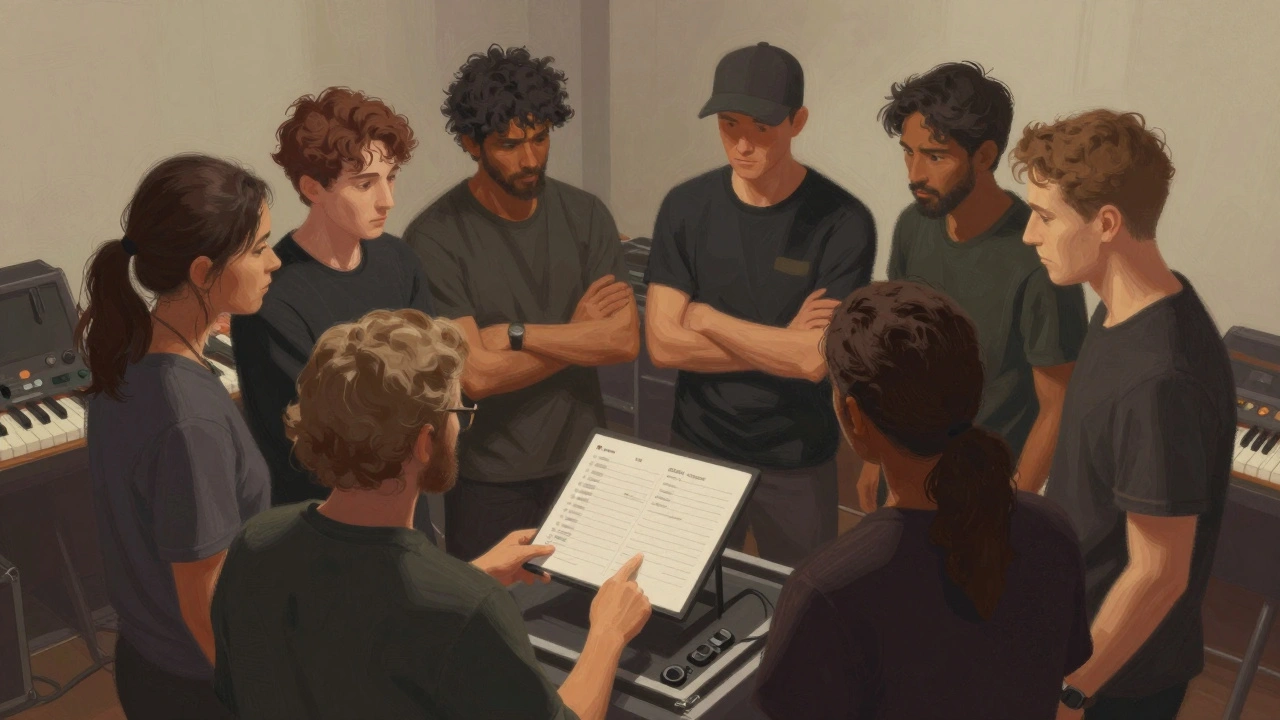
If you perform with a band or a production team, your debrief shouldn’t be a solo exercise. It should be a group activity. Alli encourages open dialogue with her crew. After a show, she gathers everyone for ten minutes. No blame, just facts. What worked? What didn’t? How can we fix it?
This creates a culture of shared responsibility. When the lighting technician knows that the dimmer switch during the chorus confused the audience, they can adjust it next time. When the drummer knows that the fill in the bridge was too loud, they can pull back. Everyone becomes invested in the quality of the show. The result is a tighter, more cohesive performance that feels effortless to the audience.
Communication is the glue that holds stagecraft together. Misunderstandings lead to mistakes. Mistakes break immersion. By debriefing together, you eliminate ambiguity. You create a shared mental model of what the show should look and sound like. This alignment is what separates amateur acts from professionals.
Overcoming the Fear of Criticism
Let’s address the elephant in the room: criticism hurts. Whether it comes from yourself or someone else, it triggers a defensive response. Your brain interprets critique as a threat to your identity. To overcome this, you need to reframe criticism. It’s not about who you are; it’s about what you do. And what you do can always be improved.
Alli practices detachment. She separates her self-worth from her performance quality. A bad set doesn’t mean she’s a bad person. It means she has work to do. This mindset shift is crucial. It allows you to receive feedback without crumbling. It turns pain into fuel. Instead of hiding from criticism, you seek it out. You ask trusted friends, "What was the weakest part of tonight’s show?" Their answers become your roadmap.
Remember, the goal isn’t to please everyone. It’s to be true to your artistic vision while delivering the highest quality experience possible. Continuous refinement is about honoring your art by treating it with respect. It’s about refusing to settle for "good enough" when "great" is within reach.
Practical Steps to Start Your Own Debrief Routine
You don’t need a fancy setup to start improving. Here’s how you can begin today:
- Capture the Data: Set up a phone or camera to record your next performance. Don’t overthink the angle. Just get it recorded.
- Schedule the Review: Block out 15 minutes within 24 hours of the show. Fresh memories make the review more accurate.
- Use a Template: Create a simple document with sections for Technical, Energy, and Connection. Fill it out honestly.
- Pick One Fix: Choose only one area to improve for the next show. Don’t overwhelm yourself.
- Test and Repeat: Implement the change, record the next show, and review again. Watch the progress accumulate.
Consistency beats intensity. Doing a quick debrief after every show is more valuable than doing a deep dive once a month. Small, regular adjustments lead to massive long-term gains. This is the power of continuous refinement. It’s not about dramatic transformations overnight. It’s about steady, reliable progress day after day.
The Long-Term Impact on Your Career
When you commit to this process, something remarkable happens. You stop fearing gigs. You start looking forward to them. Why? Because you know you’ll be better each time. You build confidence not from empty affirmations, but from evidence. You have proof that you are improving. This confidence translates to your stage presence. You stand taller. You speak clearer. You connect deeper.
Audiences sense this dedication. They may not know the word "debrief," but they feel the difference. They feel the polish. They feel the care. This builds loyalty. Fans return not just for the songs, but for the experience. They trust that every show will be worth their time. That trust is the foundation of a sustainable career in the arts.
Alli Starr’s journey reminds us that greatness is a habit. It’s built in the quiet moments, away from the spotlight. It’s forged in the willingness to look inward and say, "I can do better." If you embrace this mindset, you won’t just survive in the competitive world of performance. You’ll thrive. You’ll evolve. You’ll leave a legacy of excellence, one refined show at a time.
How soon after a show should I conduct a debrief?
Ideally, within 24 hours. Your memory of the details is freshest then, allowing for more accurate identification of technical issues and audience reactions. Waiting too long leads to fuzzy recall and biased self-assessment.
Do I need expensive equipment to record my performances for review?
No. A smartphone on a stable surface is sufficient for most purposes. The goal is to capture audio and video for self-analysis, not to produce a broadcast-quality film. Focus on consistency rather than production value.
How do I handle negative feedback from my bandmates during a group debrief?
Establish ground rules before starting. Emphasize that feedback is about the performance, not the person. Use "I" statements and focus on observable behaviors. Listen without defending yourself. The goal is collective improvement, not winning an argument.
Can continuous refinement lead to burnout?
It can if you take it too far. Balance is key. Limit your debrief sessions to 15-20 minutes. Focus on one or two actionable items per show. Celebrate wins alongside identifying areas for improvement. Remember that rest is also part of the creative process.
Is this method applicable to non-musical performances?
Absolutely. Actors, comedians, speakers, and dancers all benefit from post-performance reviews. The core principles of analyzing technical execution, audience engagement, and emotional impact apply universally to any live art form.