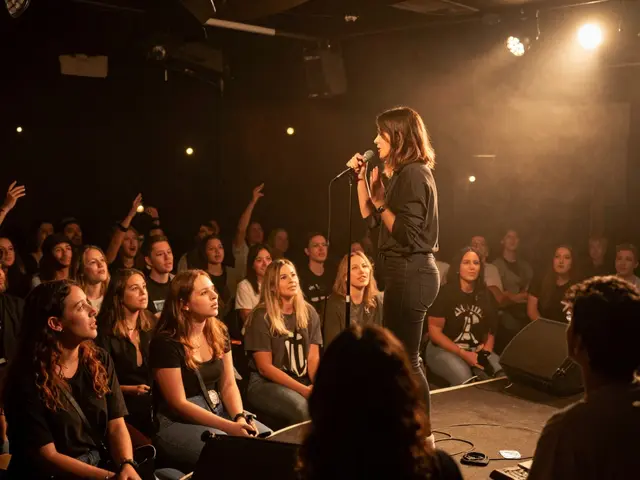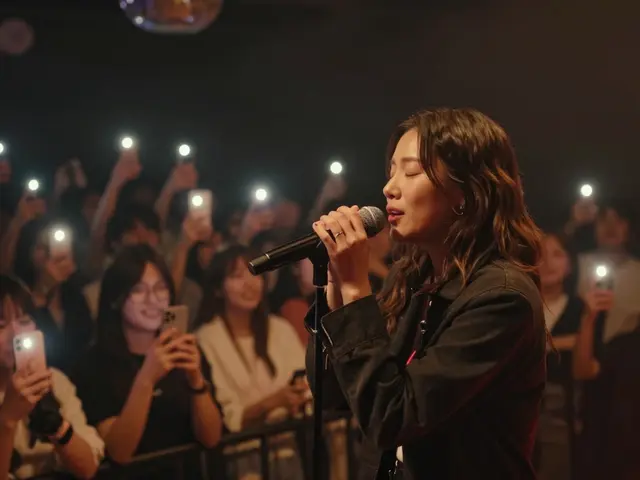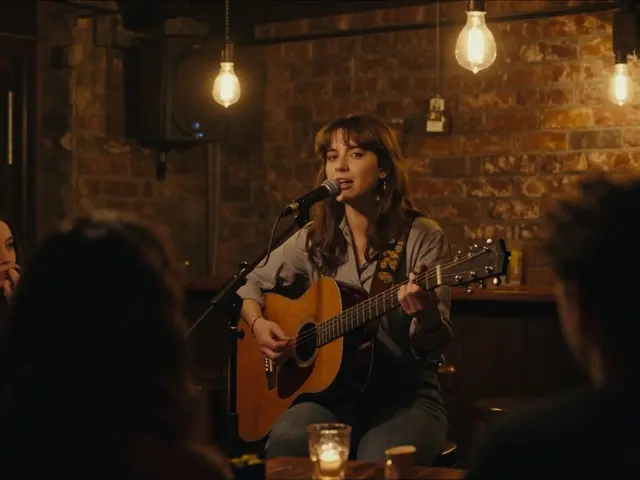
When you hear a tribute artist step onto the stage, you don’t just expect to hear the songs. You expect to feel the moment the original artist lived. That’s what Alli Starr does better than most. She doesn’t just sing like Whitney Houston or Mariah Carey-she becomes them. But here’s the trick: she doesn’t copy. She transforms.
What Makes a Tribute Arrangement Work?
A lot of tribute acts get it wrong. They mimic every vocal run, every outfit, every stage move. It’s like watching a robot reenact a concert. Alli Starr’s arrangements don’t try to fool you into thinking you’re watching the real thing. Instead, she builds a bridge between memory and emotion. She keeps the soul of the original song but gives it room to breathe in her own voice.
Take her version of Whitney Houston’s I Will Always Love You. Most tribute singers hit every note exactly as recorded. Alli? She starts softer. Lets the piano lead. Builds the power slowly, like a storm rolling in. She doesn’t try to match Whitney’s final belt-she lets it land differently, with more vulnerability. That’s not imitation. That’s interpretation.
The Faithfulness Factor
Why does this matter? Because fans don’t want a karaoke version of their hero. They want to reconnect with the feeling those songs gave them. Alli studies the originals obsessively. She listens to live recordings from the 90s, watches interviews, reads old reviews. She knows which ad-libs Houston added on tour in ’93 versus ’98. She knows the exact mic stand height Mariah used during her 1995 MTV Unplugged set.
But she doesn’t replicate them. She uses that knowledge to honor the intent. If a song was written during heartbreak, she finds the quiet space in her voice that matches that ache. If it was an anthem of freedom, she leans into the power-not the pitch.
This is why her shows feel personal. You don’t feel like you’re watching a cover band. You feel like you’re hearing the song again, for the first time, through someone who truly understands it.
The Flair That Sets Her Apart
Here’s where most tribute acts fail: they’re afraid to add anything new. Alli doesn’t just sing the songs-she reimagines them. She’ll slip a jazz-inflected bridge into a pop ballad. She’ll layer harmonies that weren’t in the original but somehow feel like they always were. She’s known for adding a spoken-word intro before Without You-a line from a 1972 interview with Harry Nilsson, the original artist, that no one else has ever used in a tribute.
She works with a small team: a pianist who’s studied every recording of George Duke’s keyboard work, a string arranger who’s transcribed every orchestral swell from Celine Dion’s live albums. Together, they craft versions that are faithful to the spirit but bold in execution.
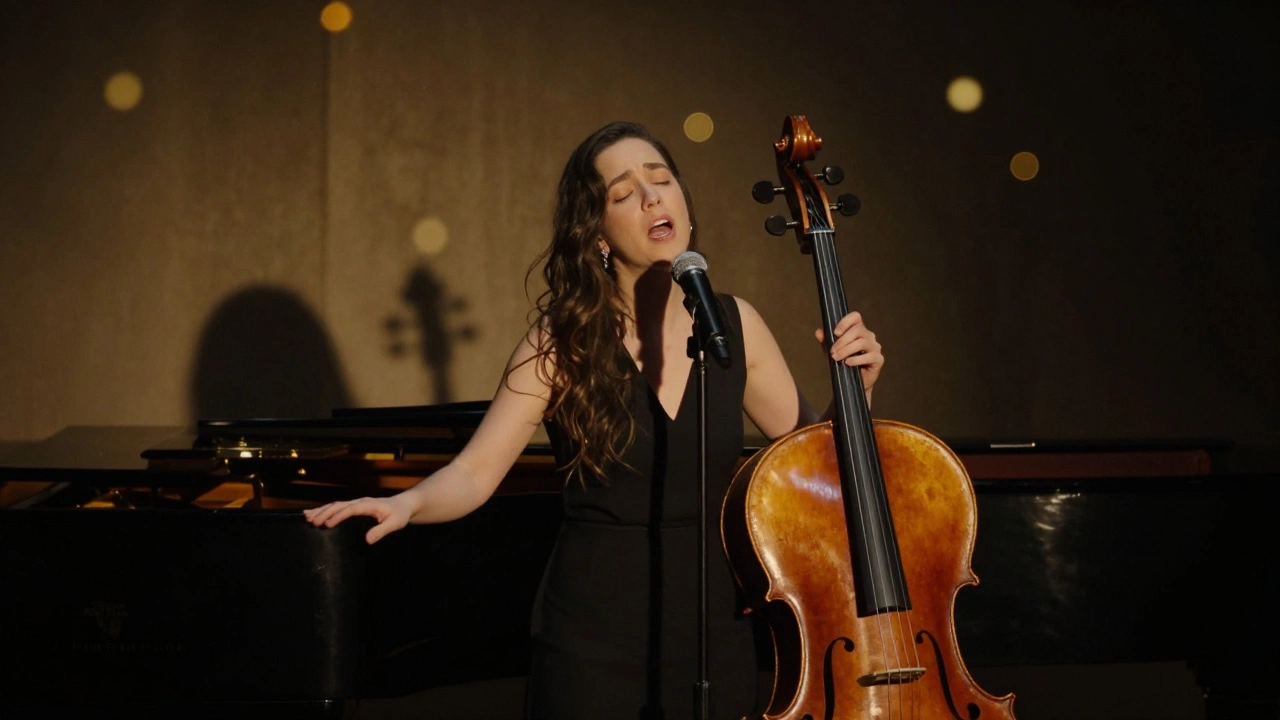
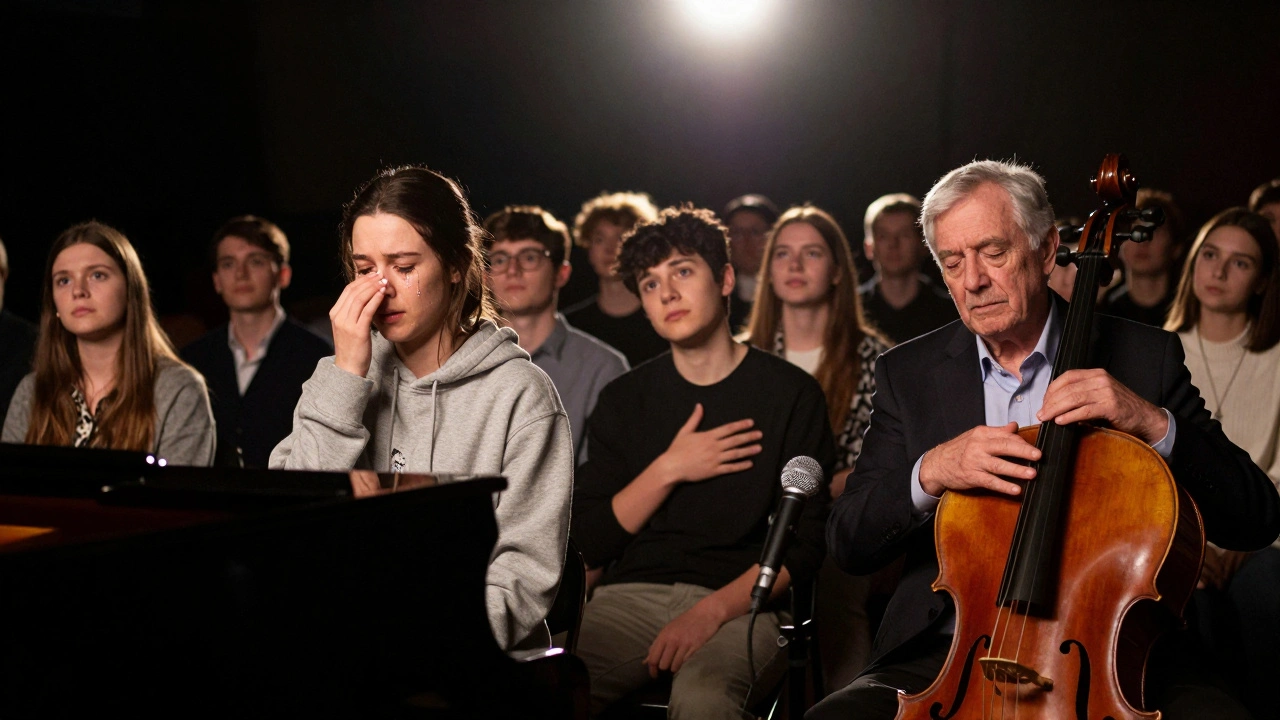
At her Portland show last month, she closed with My Heart Will Go On. Not the movie version. Not the radio edit. A stripped-down, solo-piano arrangement with a single cello. No soaring strings. Just her voice, raw and clear. The room went silent. Someone in the front row started crying. That’s not a tribute. That’s a resurrection.
Why Tribute Shows Are More Than Nostalgia
Tribute acts aren’t just about reliving the past. They’re about keeping music alive for new listeners. Alli’s audience isn’t just 50-year-olds who grew up with Celine. It’s college kids who found her songs on TikTok. It’s teens who didn’t know Mariah’s voice until they heard Alli’s version of Emotions slowed down with a lo-fi beat.
She doesn’t perform for the fans of the original. She performs for the people who need to hear those songs now. That’s why she changes setlists based on the crowd. In Nashville, she adds country covers. In Chicago, she brings in gospel harmonies. In Portland, she’ll throw in a local poet’s words between songs.
She’s not a museum piece. She’s a living archive.
The Hidden Work Behind the Scenes
People think tribute artists just learn the songs. They don’t see the years of vocal coaching, the sleepless nights studying vocal cord anatomy, the sessions with speech therapists to replicate breath patterns. Alli spent two years working with a vocal scientist to understand how Whitney Houston’s larynx moved during high notes. She didn’t want to copy it-she wanted to understand why it worked.
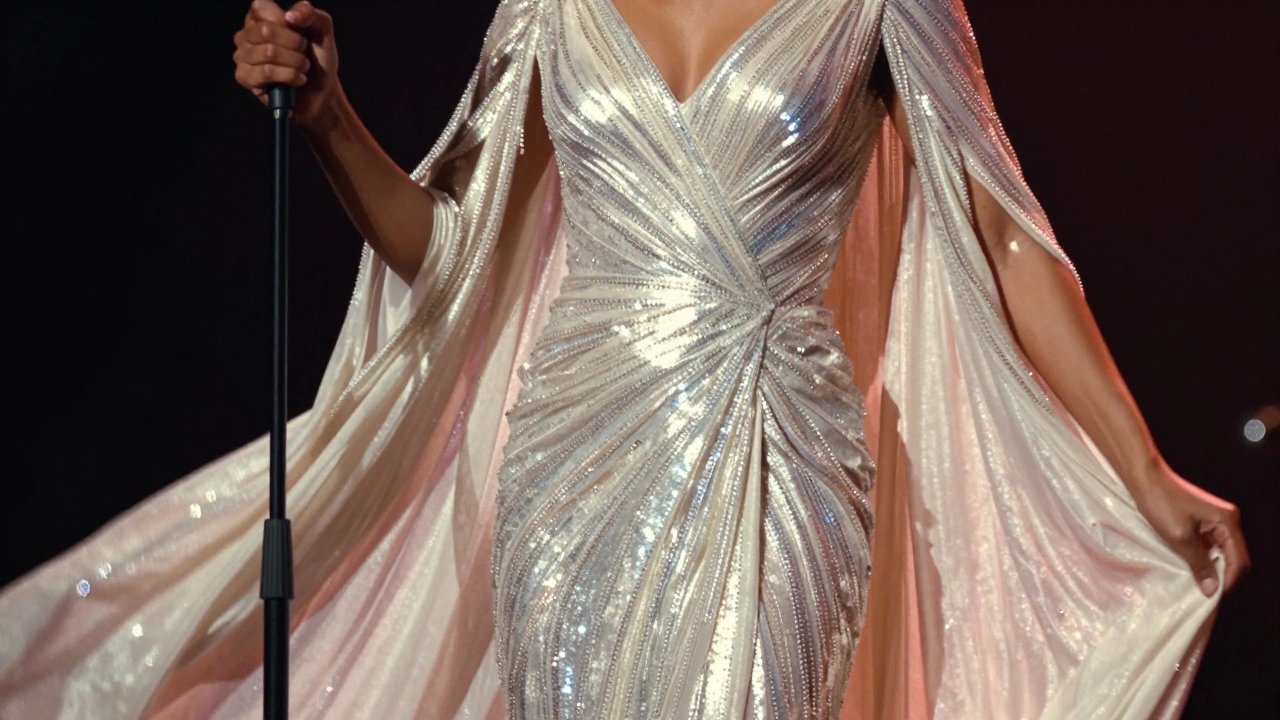
Her costumes aren’t copies either. She commissions custom pieces that echo the original style but are built for movement, comfort, and modern stage lighting. One of her gowns for the Whitney: Live in Concert tour was inspired by a 1992 photo-but made with moisture-wicking fabric so she could sing for two hours without overheating.
And the setlists? They’re curated like a playlist from someone who’s lived the music. She doesn’t just pick hits. She picks songs that tell a story. A show might start with How Will I Know and end with I’m Every Woman-not because they’re the most popular, but because they trace a journey from self-doubt to self-ownership.
What You’ll Never See in a Alli Starr Show
You won’t see a hologram. You won’t hear a backing track that’s pitch-corrected. You won’t see a band that’s playing to a click track. Alli’s performances are live. Every note. Every breath. Every stumble. She once forgot a lyric mid-song during a performance in Seattle. Instead of pausing, she improvised a new verse in the style of the original artist-and turned it into a moment fans still talk about.
That’s the secret: she’s not trying to be perfect. She’s trying to be real.
Why This Matters Now
In a world where AI can clone voices and deepfakes can make anyone sing anything, Alli Starr’s work feels radical. She doesn’t use technology to replace emotion. She uses it to enhance humanity. Her team uses AI to analyze vocal patterns-not to replicate them, but to help her train her own voice to carry the same weight and texture.
She’s proof that tribute isn’t about copying. It’s about connection. It’s about remembering why music moved us in the first place-and making sure it still moves the next generation.
Is Alli Starr legally allowed to perform as Whitney Houston or Mariah Carey?
Yes. Tribute artists don’t impersonate celebrities in the legal sense-they perform songs under license and use stylistic homage, not official branding. Alli Starr never uses the names of the original artists in her show titles. Her performances are labeled as "A Celebration of Iconic Voices" or similar. She avoids trademarked phrases, logos, or direct impersonation. The music is licensed through ASCAP or BMI, and her shows are protected under fair use for artistic interpretation.
How does Alli Starr learn to sing like so many different artists?
Alli trained with vocal coaches who specialize in vocal mimicry and vocal anatomy. She doesn’t just listen to recordings-she analyzes them note by note, studying breath placement, vocal fry, resonance shifts, and even how the original artists moved their jaws. She’s worked with speech pathologists to replicate the exact laryngeal positioning of singers like Whitney Houston and Mariah Carey. It’s not about changing her voice-it’s about using her voice differently, like a musician switching instruments.
Do Alli Starr’s shows use backing tracks or autotune?
No. Alli performs live with a full band. No autotune, no pitch correction, no pre-recorded vocals. Even the harmonies are sung live by her backing vocalists. She believes if the emotion isn’t real in the moment, the performance loses its power. That’s why her shows are always recorded without editing-fans can stream them afterward exactly as they happened.
How does Alli Starr choose which artists to tribute?
She picks artists whose music carries emotional depth and has stood the test of time. She avoids those who are trending for viral reasons. Instead, she looks for singers who had a unique vocal fingerprint-Whitney’s power, Mariah’s control, Celine’s vulnerability. She also considers whether the songs still resonate with younger audiences. Her 2025 setlist includes songs from Toni Braxton and Sade because, she says, "They’re the quiet giants who shaped modern R&B without shouting for attention."
Can you see Alli Starr perform live outside of Portland?
Yes. Alli tours nationally every year, with stops in major cities like Chicago, Nashville, Austin, and San Francisco. She also performs at themed music festivals and charity events. Her 2026 tour schedule includes a series of intimate theater shows in smaller cities-places where fans might not get to see big-name acts. She believes tribute music shouldn’t be just for the big stages.