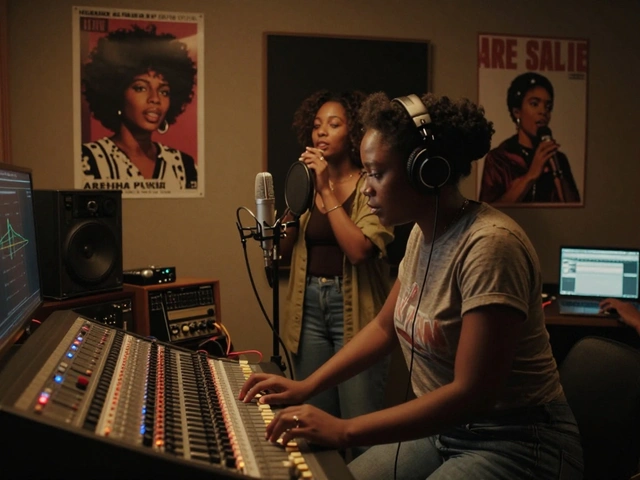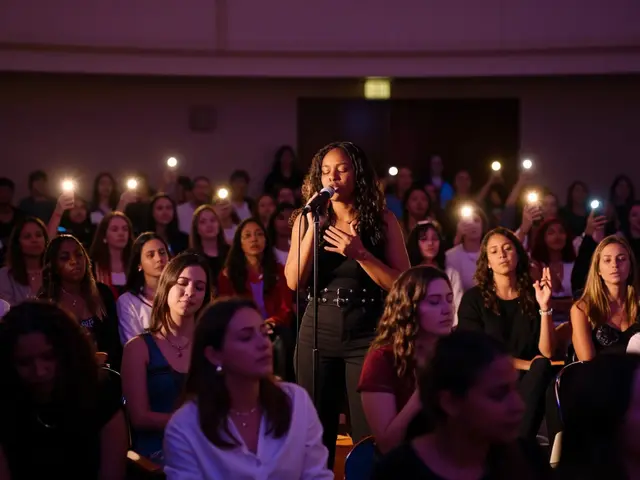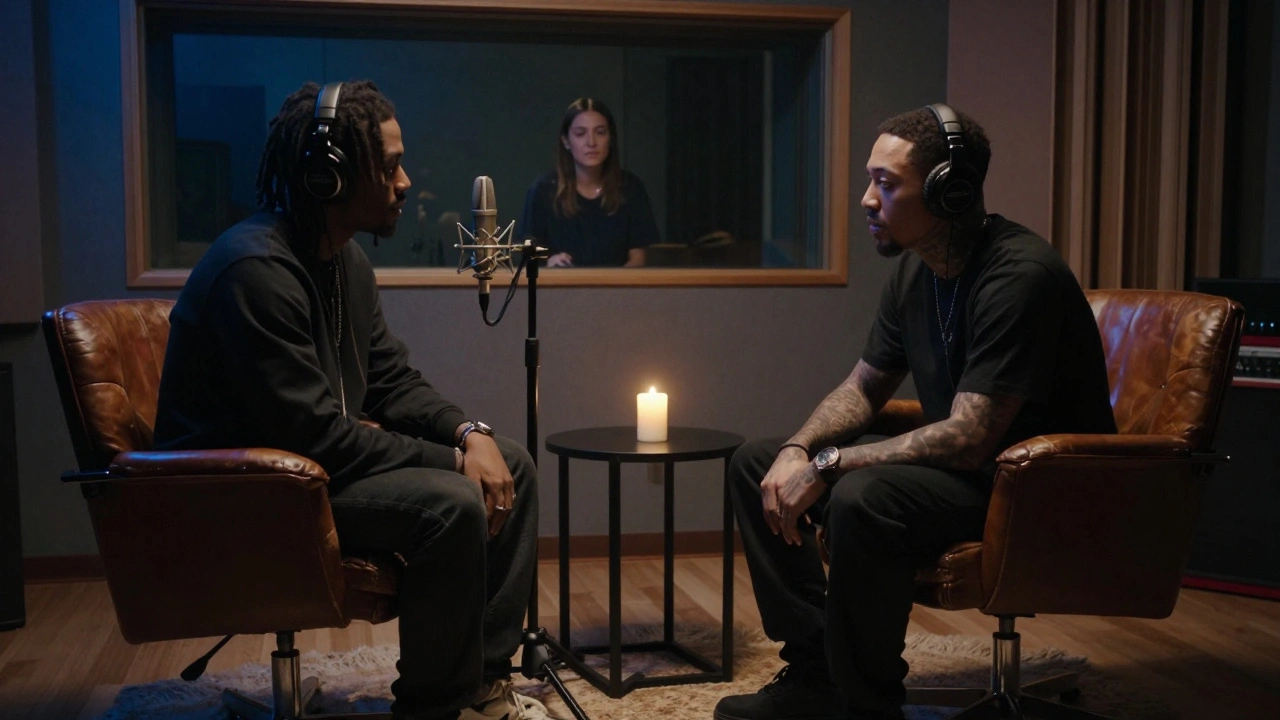
When two artists step into the studio together, it’s not just about combining voices. It’s about chemistry. The kind you can’t force. The kind that turns a good track into a hit because the energy between them clicks-like a spark in wet wood. Alli Starr, a producer and songwriter who’s worked with over 40 featured artists across hip-hop, R&B, and indie pop, has spent years decoding what makes those moments happen. She doesn’t just record vocals. She builds bridges.
It Starts Before the Mic
Alli’s process doesn’t begin when the recording light turns on. It starts with a single question: What does this artist need to feel safe? She’s learned that feature verses don’t fail because the lyrics are weak. They fail because the artist didn’t feel heard. One time, she had a rapper come in who’d been ghosted by three producers in a row. He didn’t say much. Just sat in the corner, headphones on, staring at the floor. Alli didn’t push him to spit bars. She made tea. Asked him about his dog. Then played him a demo of the track-slowed down, stripped to just piano and a heartbeat kick. No beat. No ad-libs. Just space. Two hours later, he walked up, said, “I got something,” and recorded a verse in one take. That verse became the hook of the song.The Hook Isn’t the Chorus
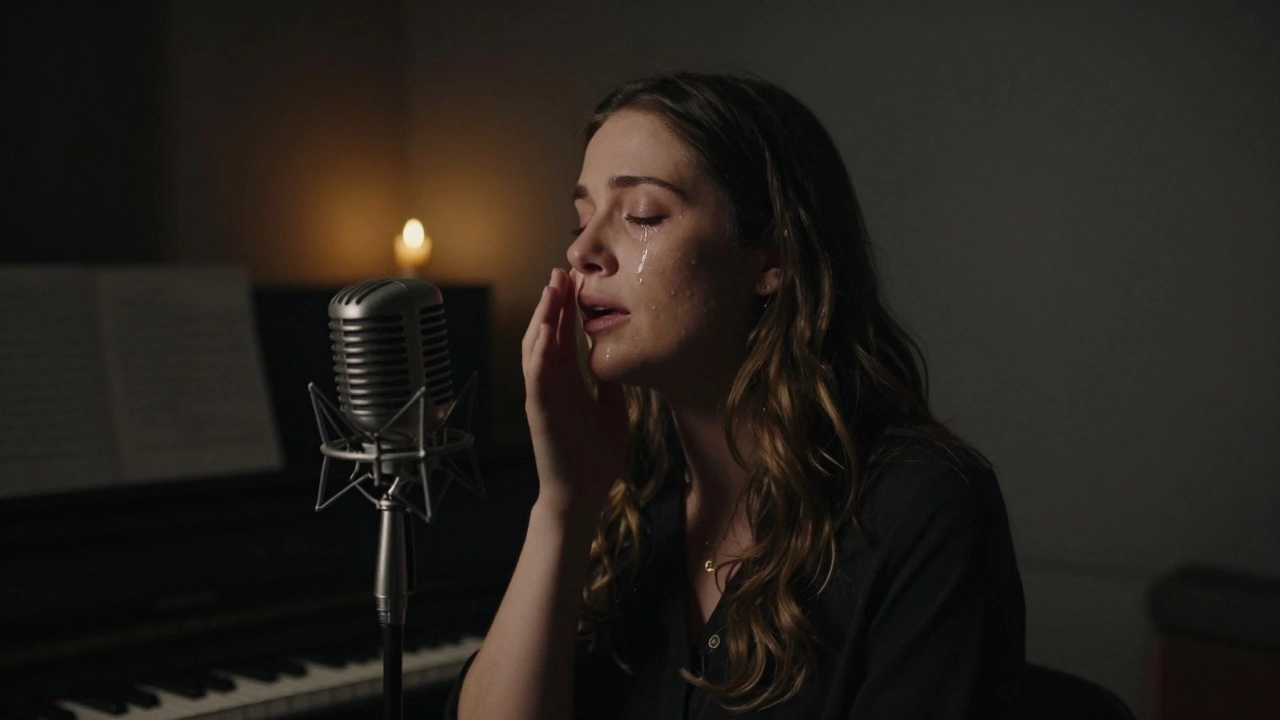
Most people think the hook is the catchy part you sing along to. Alli says that’s wrong. The real hook is the emotional pivot-the moment the listener feels something shift. It might be a single line. A breath between phrases. A vocal crack that wasn’t planned. She once worked with a singer who kept trying to belt out a chorus like a pop star. Every take sounded forced. So Alli asked her to whisper the last line: “You left the light on, but you forgot the key.” The singer did it. Quiet. Like she was talking to herself. The producer in the booth started crying. That whisper became the hook. It was streamed over 80 million times. Not because it was loud. Because it was honest.Feature Verses Are Not Guest Spots
Too many tracks treat feature verses like afterthoughts. A name on the credits. A quick drop-in. Alli refuses to do that. She treats every feature like a co-author. Before any session, she sends the artist three things: the song’s emotional core (written as a short paragraph), the tempo of the story (not just BPM), and a list of three words that describe the vibe she’s chasing. Not “hip-hop,” not “chill,” but words like “lonely,” “forgiven,” “unseen.” One artist told her, “I’ve never been asked what I’m feeling before I rap.” That’s the difference.She also blocks out time for the feature artist to just listen-not to the track, but to the silence between beats. She’ll say, “Sit with it. What’s the story underneath?” Sometimes they don’t write anything. Sometimes they write five verses. She never edits based on length. She edits based on truth.
How She Chooses Who to Feature
Alli doesn’t pick artists based on streams or followers. She picks based on resonance. She has a list of 12 criteria, but only two matter: Do they show up when it’s hard? And Do they leave something behind? She once brought in a bedroom producer with 3,000 SoundCloud followers. He showed up two hours early. Brought his own mic. Sat through five takes of someone else’s verse just to understand the mood. When it was his turn, he didn’t rap. He hummed. Then whispered a melody that became the bridge. That track hit No. 1 on Billboard’s Heatseekers chart. He’s never been on a major label since. But he’s been asked to feature on three more albums.She avoids artists who treat features as a “boost.” If someone says, “I just need to get on this track to grow my audience,” she says no. Not because they’re bad. Because chemistry can’t be manufactured. It’s not a transaction. It’s a conversation.
The Studio Ritual
Alli has a ritual before every feature session. She turns off the studio lights. Leaves one lamp on. Puts a candle in the center of the room. Says nothing. Just waits. The artist is free to do whatever they want-pace, sit, cry, laugh. She doesn’t ask why. She doesn’t rush. After 10 minutes, she says, “You ready?” That’s it. No warm-ups. No “let’s do a run-through.”She says the candle isn’t for luck. It’s for presence. “If you’re not here, fully, we’re wasting time. The mic picks up everything. Your doubt. Your fear. Your silence. It doesn’t care if you’re famous.”
What Happens When It Works
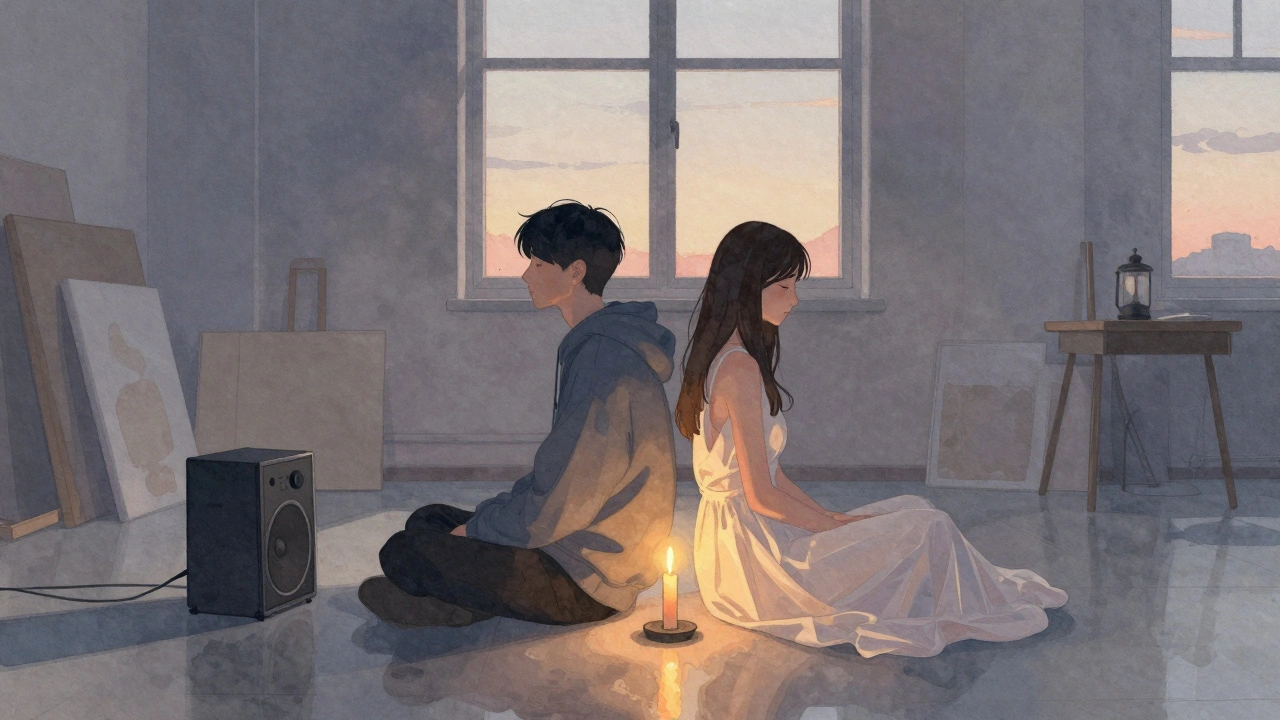
There’s a track she produced with a jazz vocalist and a trap artist. They hated each other on paper. Different scenes. Different audiences. But Alli noticed something: both of them had lost someone close the year before. She didn’t mention it. Just played them the track. The vocalist started crying. The rapper said, “I’ve been trying to write about this for a year.” They recorded the whole thing in one 47-minute session. No edits. No overdubs. Just raw. The song has no beat drop. No catchy hook. Just two voices, a piano, and a single snare hit at the end. It went viral on TikTok because people kept saying, “It sounds like someone finally said what I couldn’t.”Common Mistakes (And How to Avoid Them)
- Trying to force a style - If the artist doesn’t naturally do ad-libs, don’t make them do them. Find the truth in their voice.
- Overproducing the feature - Too many effects, too much autotune, too many layers. It buries the humanity.
- Not giving space - If you’re editing while they’re recording, you’re telling them they’re not good enough.
- Assuming the feature is just a “guest” - They’re not here to be a guest. They’re here to be a mirror.
Alli’s rule: If you can’t explain why this artist needs to be on this track, don’t put them on it.
What You Can Steal From Her Process
- Before you ask someone to feature, ask them: What do you need to feel safe?
- Play the track without any beat. Just the melody. See what they respond to.
- Let them sit in silence for five minutes before recording.
- Don’t ask for a verse. Ask for a feeling.
- Record the first take. No matter how messy. It’s often the truest.
There’s no formula. No magic plugin. No secret algorithm. Just presence. And the courage to let someone else’s truth change your song.
What makes a feature verse work better than a solo track?
A feature verse works when it adds a new emotional layer-not just a new voice. It’s not about showing off skill. It’s about revealing something the original artist couldn’t say alone. The magic happens when the featured artist brings a perspective that deepens the story, not just the sound.
Can you force chemistry between artists?
No. Chemistry isn’t a skill you can learn. It’s a resonance that happens when two people are emotionally aligned, even if they come from different worlds. You can create conditions for it-safety, space, honesty-but you can’t force it. Trying to force it usually makes the track feel hollow. Listeners know when something’s manufactured.
How do you know if a feature artist is right for your song?
Listen to how they respond to the silence. If they lean in when you play the track without drums, if they pause before speaking, if they ask questions about the mood-not the beat-they’re likely the right fit. It’s not about their follower count. It’s about whether their voice fits the unspoken part of your song.
Should feature verses always be written before recording?
Not at all. Many of Alli’s best features were improvised. She gives artists the emotional context, then lets them respond in the moment. Writing too much ahead can lock them into a performance that feels rehearsed. The rawest moments come when they’re reacting, not reciting.
Do feature verses need to rhyme or follow a structure?
No. Structure is a tool, not a rule. Alli’s most powerful features have broken every rhyme scheme. One artist delivered a verse as a single paragraph-no lines, no pauses. Another sang in a whisper with no rhythm. What matters is whether it moves the listener. If it lands emotionally, it doesn’t need to fit a grid.