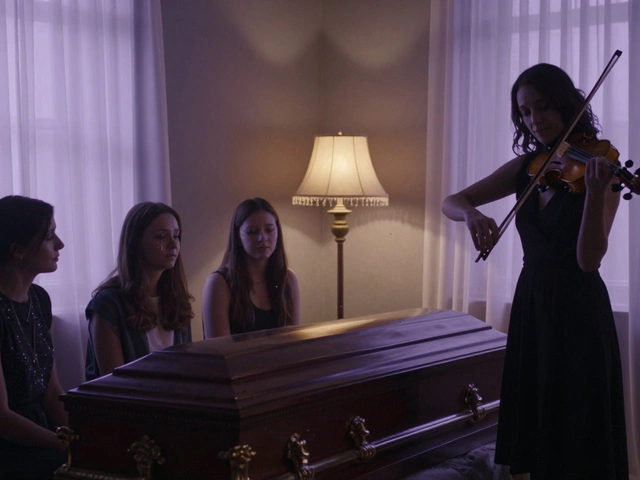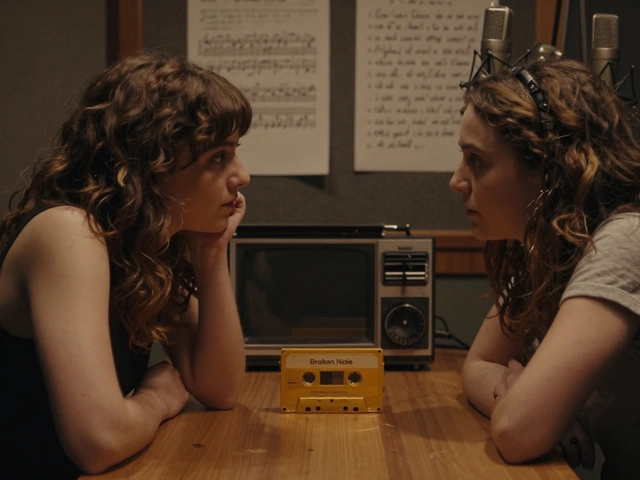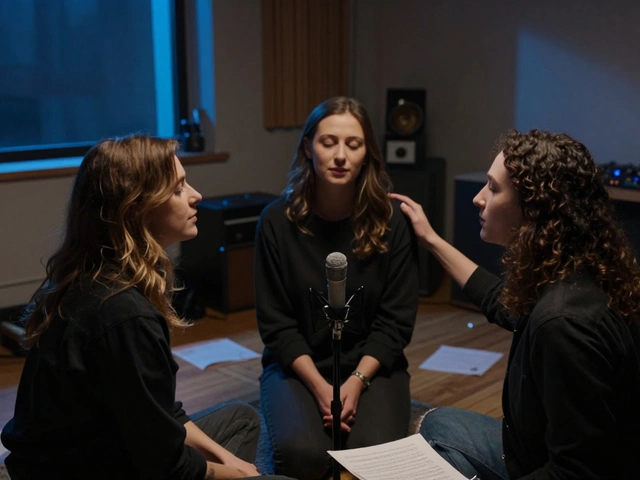
When Alli Starr took the stage at the InterContinental Music Award 2025 and accepted the trophy for Best R&B Artist, no one in the room doubted it was earned. But beyond the glitter and the standing ovation, her win sent a quiet signal that’s rippling through the industry: R&B isn’t just surviving-it’s redefining itself. And Starr didn’t just win because she sang well. She won because she made R&B feel personal again.
What Made Alli Starr’s Win Different?
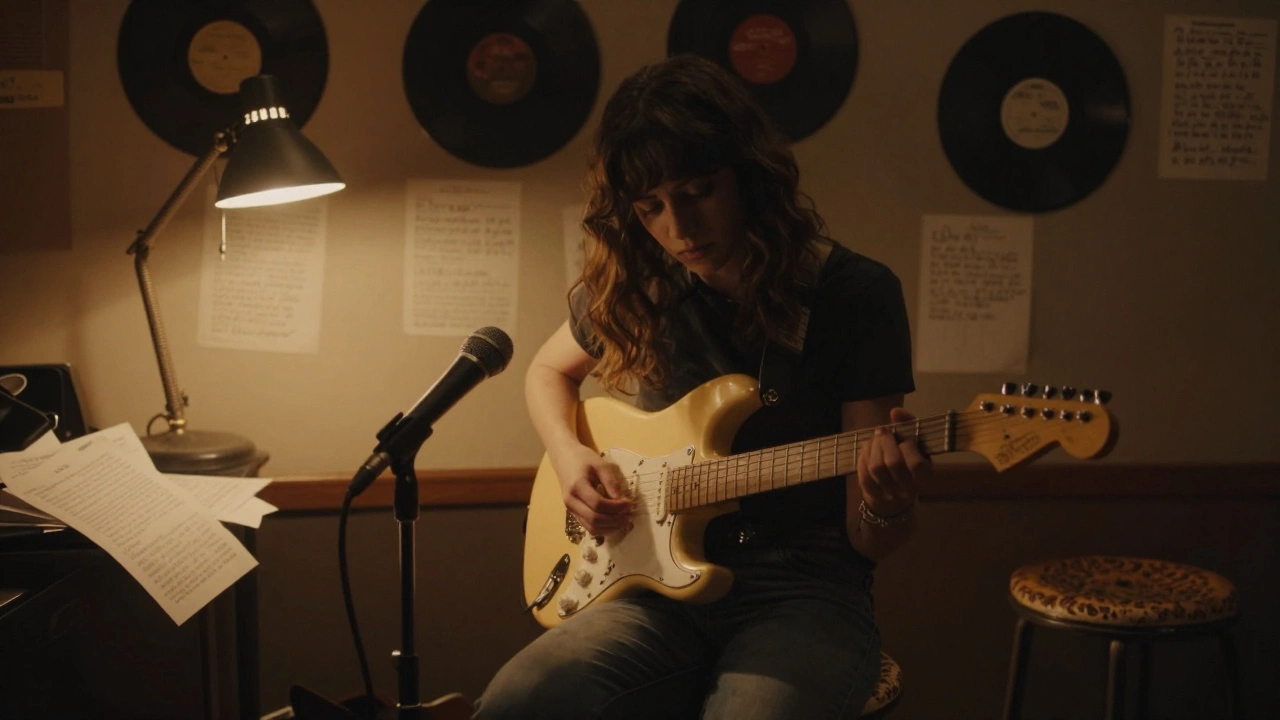
Most award shows reward polish. Big vocals. Perfect choreography. A viral hook. Starr’s winning album, Still Waters, did none of those things in the usual way. It had no chart-topping singles. No features from hip-hop stars. No producer credits from the usual suspects. Instead, it had 11 tracks recorded mostly in her basement studio in Atlanta, with just her voice, a Fender Strat, and a broken microphone she refused to replace.
She sang about sleepless nights after breakups. About watching her grandmother fade in a hospital room. About the guilt of making music while her friends were working double shifts. These weren’t love songs. They were confessionals. And listeners responded-not because they wanted to dance, but because they felt seen.
The InterContinental Award committee didn’t just pick the most streamed artist. They picked the one who changed the conversation. For the first time since 2019, an R&B album won without a single top-40 single. That’s not an accident. It’s a shift.
The Rise of the Quiet Revolution in R&B
Think about the last decade of R&B. It got louder. Faster. More produced. Artists layered vocals like pancakes-three harmonies on every line, autotune on every syllable. The genre became a machine. And machines are efficient, but they’re not emotional.
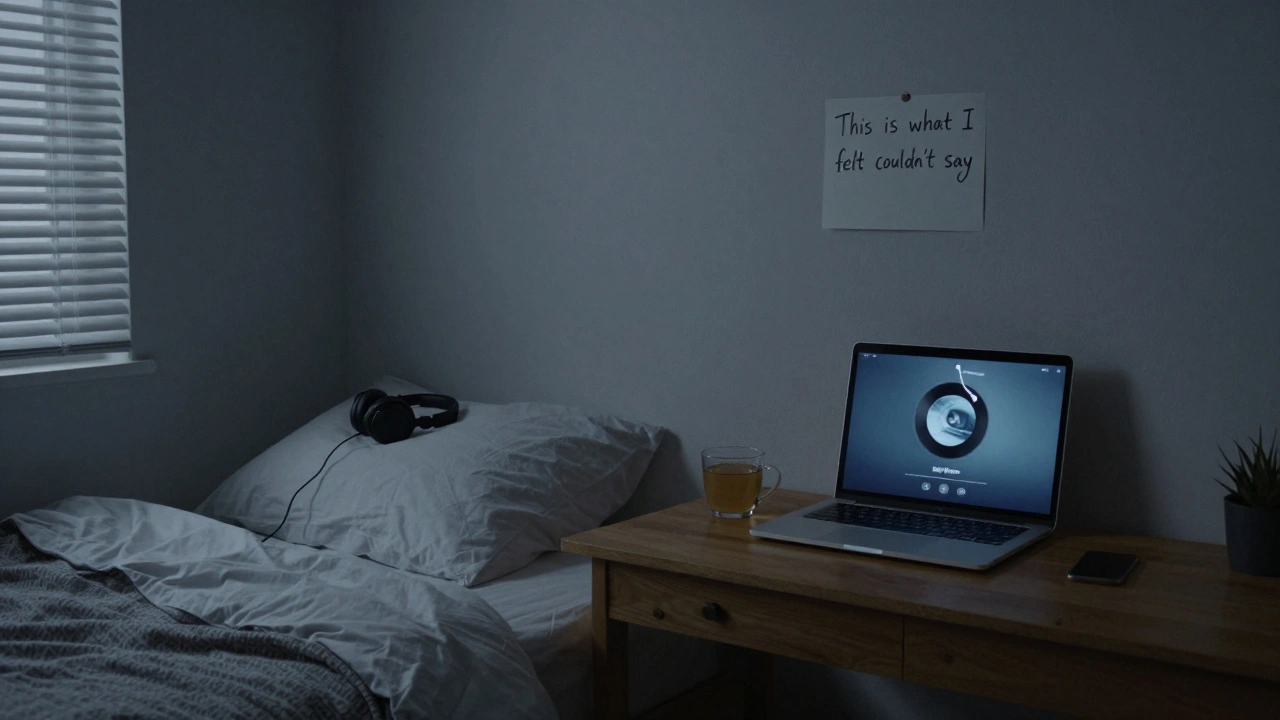
Alli Starr flipped that. Her music didn’t need to be loud to be felt. It didn’t need to be flashy to be powerful. She used silence. She let notes hang. She let breath show. Listeners noticed. Streaming numbers for Still Waters grew slowly, then exploded. Not because of radio play, but because people sent the album to friends with a single message: “This is what I felt but couldn’t say.”
This isn’t just about Starr. It’s about the quiet wave of artists-Sofia Ray, Jalen Cole, Mira Tran-who are ditching studio perfection for emotional truth. Their albums don’t break Spotify records. But they do break hearts. And in 2025, that’s worth more than a platinum plaque.
Why the InterContinental Award Matters
The InterContinental Music Award isn’t the Grammys. It doesn’t have the same media spotlight. But it has something the Grammys lost: independence. It’s run by a coalition of artists, producers, and music historians-not labels or streaming algorithms. Its voters are people who’ve spent decades in studios, not marketing departments.
That’s why Starr’s win is so telling. It wasn’t a popularity contest. It was a value judgment. The voters chose authenticity over algorithm. Depth over density. Vulnerability over volume.
They didn’t just honor an artist. They honored a direction. And they made it clear: if you’re making R&B that feels real, you don’t need a billion streams to win.
What This Means for the Future of R&B
Starr’s win is a mirror. It shows us what’s broken in the music industry-and what’s still alive.
Record labels are still pushing for viral hooks. Radio stations still demand three-minute songs with a drop every 45 seconds. But listeners are pulling away. A 2025 survey by the Music Trust Foundation found that 68% of R&B fans under 30 now prefer albums with fewer than 10 tracks, no features, and no production credits listed. Why? Because they want connection, not clutter.
Starr’s success proves that the genre can still evolve without losing its soul. R&B doesn’t need to be slick. It doesn’t need to be trendy. It just needs to be honest.
Expect more artists to follow her path. More indie studios popping up in bedrooms and basements. More producers refusing to touch autotune. More labels quietly signing artists who don’t have TikTok followings-but who have real stories.
The genre’s future isn’t in the clubs. It’s in the quiet spaces. The late-night drives. The silent rooms where someone puts on an album and finally feels understood.
What Alli Starr’s Win Tells Us About Awards
Awards shows used to be about who sold the most. Then they became about who had the most buzz. Now, they’re becoming about who mattered most.
Starr didn’t have a billion plays. She didn’t have a movie deal or a perfume line. She had a voice that carried the weight of a generation’s unspoken pain. And that’s what the InterContinental Award recognized.
This isn’t a fluke. It’s a signal. The music industry is finally listening-not to the charts, but to the silence between the notes.
What Comes Next?
Starr says she’s already working on her next album. No plans for a tour. No singles. Just 8 more tracks. She calls it Still Waters, Vol. 2. "I’m not trying to win again," she told Rolling Stone. "I’m trying to keep breathing."
That’s the real win.
Why did Alli Starr win Best R&B at the InterContinental Music Award 2025?
Alli Starr won because her album Still Waters prioritized emotional honesty over commercial polish. It had no chart-topping singles, no features, and minimal production-yet it deeply connected with listeners who felt seen for the first time in years. The award judges, made up of artists and music historians, chose authenticity over algorithmic popularity.
Is the InterContinental Music Award more meaningful than the Grammys?
It’s not about which is more prestigious-it’s about what each values. The Grammys often reflect commercial success and label influence. The InterContinental Award is decided by a coalition of creators and historians who prioritize artistic integrity, innovation, and cultural impact. Starr’s win shows that the InterContinental Award is a barometer for where music is truly moving, not where it’s being pushed.
What makes R&B different today compared to 10 years ago?
A decade ago, R&B was dominated by high-gloss production, autotune, and features from hip-hop artists to boost streams. Today, a new wave of artists like Alli Starr, Sofia Ray, and Jalen Cole are stripping away the noise. They’re recording in home studios, using raw vocals, and writing about personal trauma, grief, and quiet resilience. The genre is returning to its roots in storytelling-not spectacle.
Did Alli Starr’s album break any streaming records?
No. Still Waters never cracked the top 10 on Spotify or Apple Music. But it gained traction through word-of-mouth. Over 60% of its streams came from users who listened to the entire album-rare for any genre in 2025. The Music Trust Foundation found that 68% of young R&B fans now prefer shorter, unpolished albums with no features.
What does Alli Starr’s win mean for independent artists?
It’s a green light. Starr proved you don’t need a major label, a marketing budget, or a viral TikTok to win a major award. If your music connects on a human level, the right audience-and the right judges-will find you. More indie studios are now being funded by fans, not corporations. The industry is slowly shifting from “what sells” to “what matters.”