When you hear a song that just feels right-like your body moves before your mind catches up-that’s not luck. That’s beat selection and BPM working together, quietly, perfectly. Alli Starr, a songwriter and producer from Portland, doesn’t just pick a tempo. She picks a heartbeat.
It’s Not About Speed, It’s About Motion
Most people think BPM means faster = more energy. Slower = more sad. That’s a myth. Alli’s 2023 track "Worn Out Shoes" sits at 98 BPM. It’s not slow. It’s not fast. It’s swaying. You can feel the space between the kick and the snare like a breath. That’s the secret: BPM alone doesn’t create groove. It’s how the beat sits inside that space.
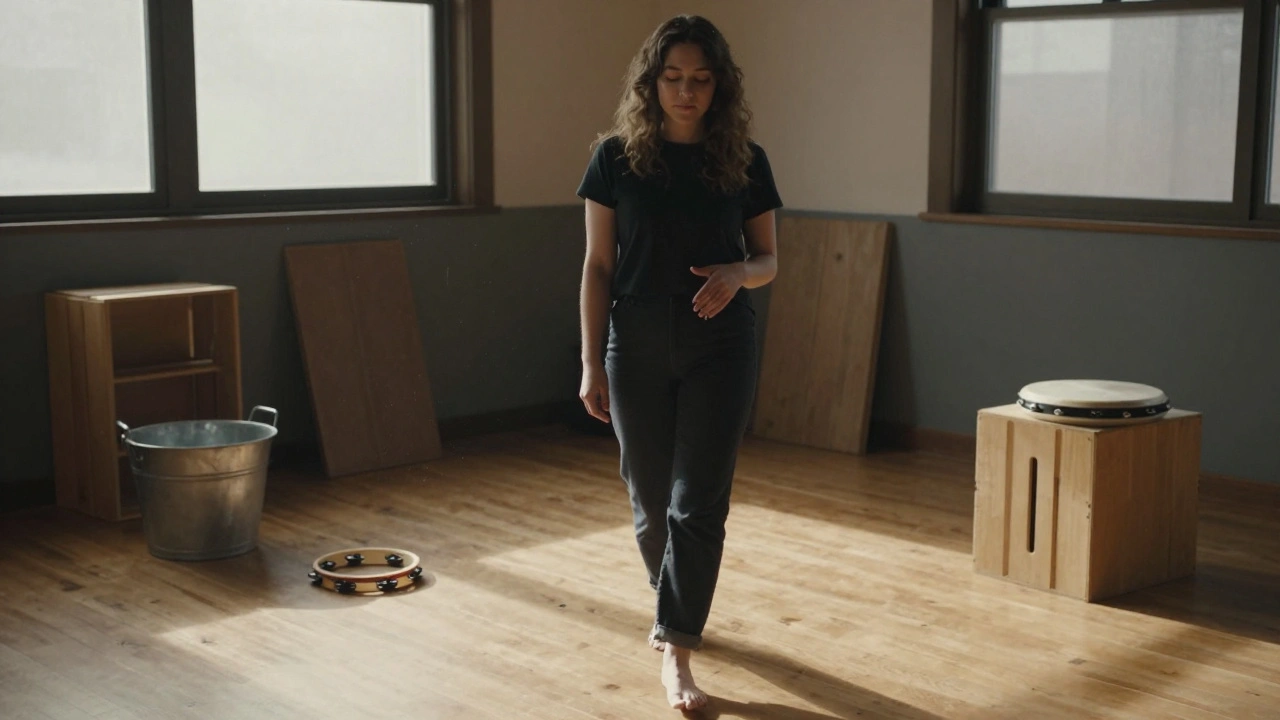
She tests every track by walking around her studio while it plays. If she can’t match her steps to the rhythm without thinking about it, she rewires the arrangement. "If I have to count, it’s wrong," she says. "Groove isn’t math. It’s muscle memory."
Why 120 BPM Isn’t the Default
Pop music pushes 120 BPM like it’s the law. But Alli’s breakout hit "Rust Belt Lullaby" hit at 86 BPM. It wasn’t an experiment. It was a necessity. The song was about a factory worker’s shift ending at dawn. A faster tempo would’ve felt like running away from the feeling, not sitting in it.
She uses a simple rule: match the BPM to the emotion’s physical weight. Grief? Think 72-80. Joy that’s quiet, not loud? 90-96. Rage? 110-118. Not because those are "right," but because those are the speeds your body naturally moves when you feel those things.
The Ghost Notes That Hold the Groove
Beat selection isn’t just about kick and snare. It’s about the tiny sounds you almost miss-the brush of a hi-hat, the creak of a snare wire, the slight delay on a hand clap. Alli calls these "ghost notes." They’re not counted in BPM, but they define the feel.
In "The Way You Said Goodnight," she recorded a single snare hit with a worn-out head. It didn’t ring cleanly. It thumped, then faded like a sigh. That one sound changed how the whole track moved. Listeners didn’t know why they felt comforted. They just did.
She doesn’t use quantization unless she’s trying to break the groove on purpose. "Perfect timing kills soul," she says. "I’ll nudge a beat 12 milliseconds off-grid if it makes the space breathe."

How She Tests Beats in Real Time
Alli doesn’t rely on software meters. She uses her body and her environment.
- She walks barefoot on hardwood floors while the track plays. If her feet slip or catch, the beat’s off.
- She plays the track through a single Bluetooth speaker in her kitchen while making coffee. If the rhythm pulls you toward the counter, it’s working.
- She records herself humming the beat without instruments. If the melody naturally lands on the off-beat, she builds around it.
She once spent three days tweaking a single hi-hat pattern in "Barefoot in the Rain" because it didn’t feel like rain. Not the sound of rain-the motion of it. The difference between a downpour and a drizzle isn’t volume. It’s timing.
What Happens When BPM and Beat Clash
She’s had songs die because the tempo matched the lyrics but not the mood. A song about freedom with 140 BPM felt frantic, not liberating. A ballad at 100 BPM felt like it was rushing to end. She learned: BPM can’t be chosen after the lyrics. It has to be chosen with them.
She writes the first draft of a song on acoustic guitar, no metronome. She records herself singing it raw. Then she listens for the natural pulse. That becomes the BPM anchor. If the guitar strum feels like a heartbeat, the beat follows. If it feels like a stumble, the beat stumbles too.
Tools She Uses (And Doesn’t Use)
Alli uses Ableton Live, but she avoids the tempo grid. She drags clips freely. She uses a Roland TR-08 for its analog imperfections. She doesn’t use drum loops. She layers real percussion: a metal bucket, a wooden crate, a tambourine taped to a door.
She doesn’t use plugins to "fix" timing. She doesn’t chase "perfect" swing. She doesn’t look up BPM charts. "If you’re looking for a number, you’re already lost," she says.
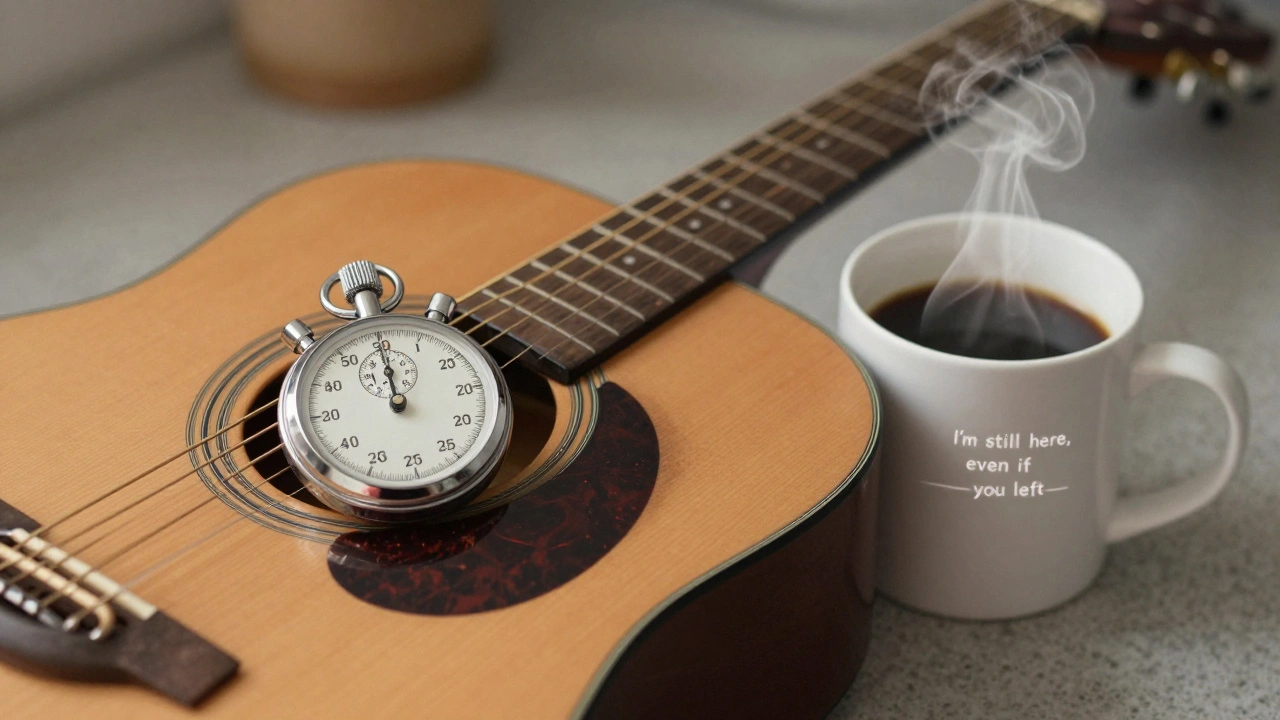
Her go-to tool? A stopwatch. She times how long it takes her to say a line out loud-"I’m still here, even if you left"-and matches the beat to that rhythm. Not the words. The pause between them.
What You Can Steal From Her Process
You don’t need a studio. You don’t need expensive gear. You need your body and your honesty.
- Write a line of lyrics. Say it out loud three times. Time how long it takes. That’s your BPM starting point.
- Tap your foot to the rhythm of your voice. Don’t force it. Let your body decide.
- Record yourself clapping along. Don’t edit it. If it’s uneven, keep it. That’s your groove.
- Play the track at 70% volume while you do chores. If you forget you’re listening, you’ve got it.
Don’t ask "Is this the right BPM?" Ask: "Does this make me move without thinking?" If the answer is yes, you’re not choosing a tempo. You’re choosing a feeling.
Final Thought: The Beat Is the Breath
Alli’s songs don’t have time signatures. They have breath patterns. A chorus isn’t built to hit hard-it’s built to inhale. A bridge isn’t a transition-it’s a held breath.
When you listen to "The Weight of Light," the last track on her 2025 album, you’ll notice the snare doesn’t land on beat two. It lands just after. Like a heartbeat that hesitates. That’s not a mistake. That’s the point. That’s how you make a song feel human. Not by being precise. By being alive.