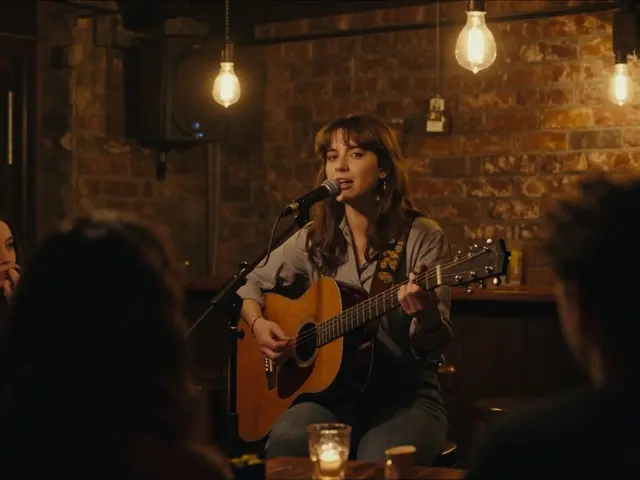
When you hear Whitney Houston sing I Will Always Love You, it doesn’t just sound like a song-it feels like a force of nature. The power, the control, the raw emotion in her voice? It’s almost impossible to replicate. Yet, every night in venues across the U.S., one performer does exactly that: Alli Starr. She doesn’t lip-sync. She doesn’t use backing tracks to hide imperfections. She sings every note, live, matching Whitney’s iconic runs, belts, and soulful pauses-and audiences leave stunned.
Why Whitney’s Voice Is a Mountain to Climb
Whitney Houston didn’t just sing well. She redefined what the human voice could do. Her vocal range spanned over three octaves, from a rich, grounded contralto to a soaring, crystal-clear soprano. She could hold a note for 12 seconds with perfect pitch, glide through melismas like they were nothing, and still sound like she was whispering in your ear. Her live performances in the late 80s and early 90s weren’t just concerts-they were vocal marathons.
Take her 1991 rendition of My Heart Is Calling at the American Music Awards. She sang it in one take, no edits, no studio tricks. The last chorus? She hit a high B-flat, held it for eight seconds, then slid down into a soft, breathy note-without losing tone. That’s not talent. That’s precision, endurance, and emotional control all at once.
Most singers train for years just to hit one of those notes cleanly. Alli Starr does it night after night.
Alli Starr’s Training: Not Just Singing, But Rebuilding
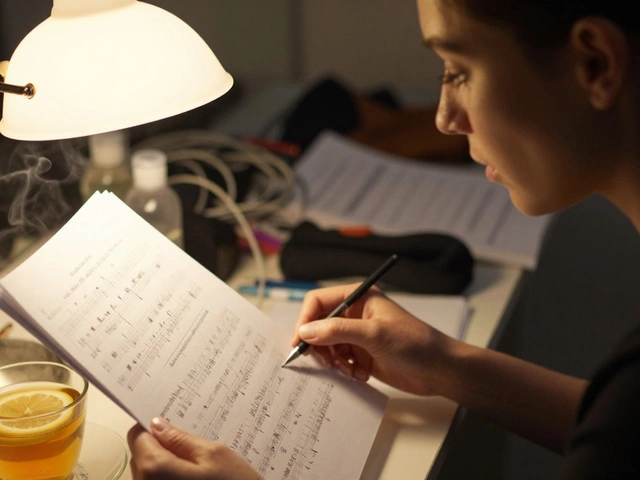
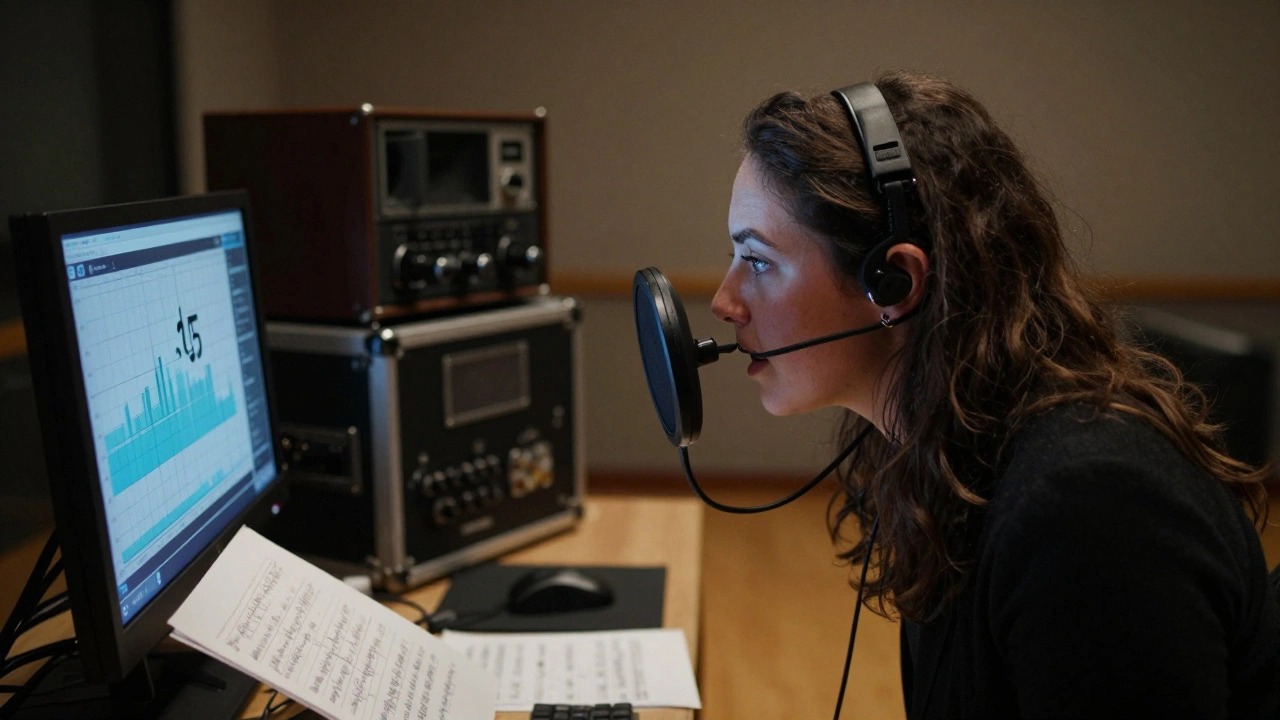
Alli didn’t wake up one day and suddenly sound like Whitney. She spent over five years studying every live recording she could find. She transcribed every run, every breath, every vibrato. She slowed down studio tracks to 50% speed to hear how Whitney shaped each syllable. She recorded herself singing the same phrases for hours, comparing pitch, timing, and resonance.
Her vocal coach, a former Broadway soprano who worked with Whitney’s backup singers, told her: "You’re not trying to copy her. You’re trying to understand how her body made those sounds." That changed everything. Alli started working on her diaphragm control, jaw relaxation, and nasal resonance-not to mimic, but to replicate the physical mechanics behind the sound.
She learned that Whitney’s signature belting wasn’t about volume. It was about placement. The sound came from the mask of the face, not the throat. That’s why it cut through orchestras without strain. Alli now trains daily with a vocal resonance device used by opera singers to map airflow. She can hit a sustained G5 (the note in I Will Always Love You’s climax) for 10 seconds without fatigue.
The Live Show: No Safety Nets
Most tribute acts use earpieces, pitch correction, or pre-recorded harmonies. Alli doesn’t. Her show is raw. No backing tracks. No autotune. Just her, a piano, a rhythm section, and a microphone.
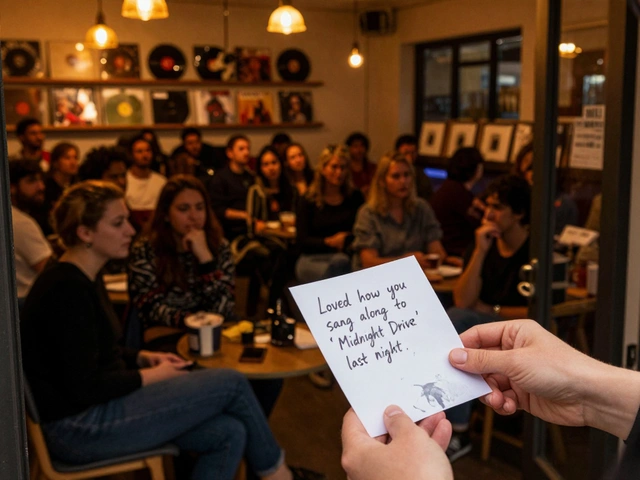
She sings How Will I Know in full key, no drop. She hits the whistle tones in One Moment in Time live-something even professional sopranos rarely attempt outside of recitals. When she sings Greatest Love of All, she holds the final note for 14 seconds. The crowd often falls silent. No one claps. No one breathes. They’re just listening.
She’s had moments where her throat was swollen from a cold, or she lost her voice mid-show. She once sang I Have Nothing with only half her range, using breath support and dynamics to carry the emotion. That night, a woman in the front row cried so hard she had to leave. She came back the next night and said, "That was more real than the original."
What Makes Her Different From Other Tribute Artists
There are dozens of Whitney Houston tribute acts. Most focus on the look-the wigs, the gowns, the dance moves. Alli doesn’t wear a wig. She doesn’t mimic Whitney’s posture. She doesn’t even try to sound like a carbon copy.
She focuses on three things: pitch accuracy, emotional truth, and vocal stamina. She doesn’t sing Whitney’s songs because she wants to be Whitney. She sings them because she believes those songs deserve to be heard the way they were meant to be heard-live, unfiltered, and full of heart.
She’s studied over 180 live performances of Whitney’s. She knows which concerts had the most dynamic range, which ones had the most vulnerability, and which ones had the most technical mastery. She doesn’t perform one version. She layers them. Sometimes she sings Saving All My Love with the 1986 studio tone. Other nights, she channels the rawness of her 1993 MTV Unplugged performance.
The Toll It Takes
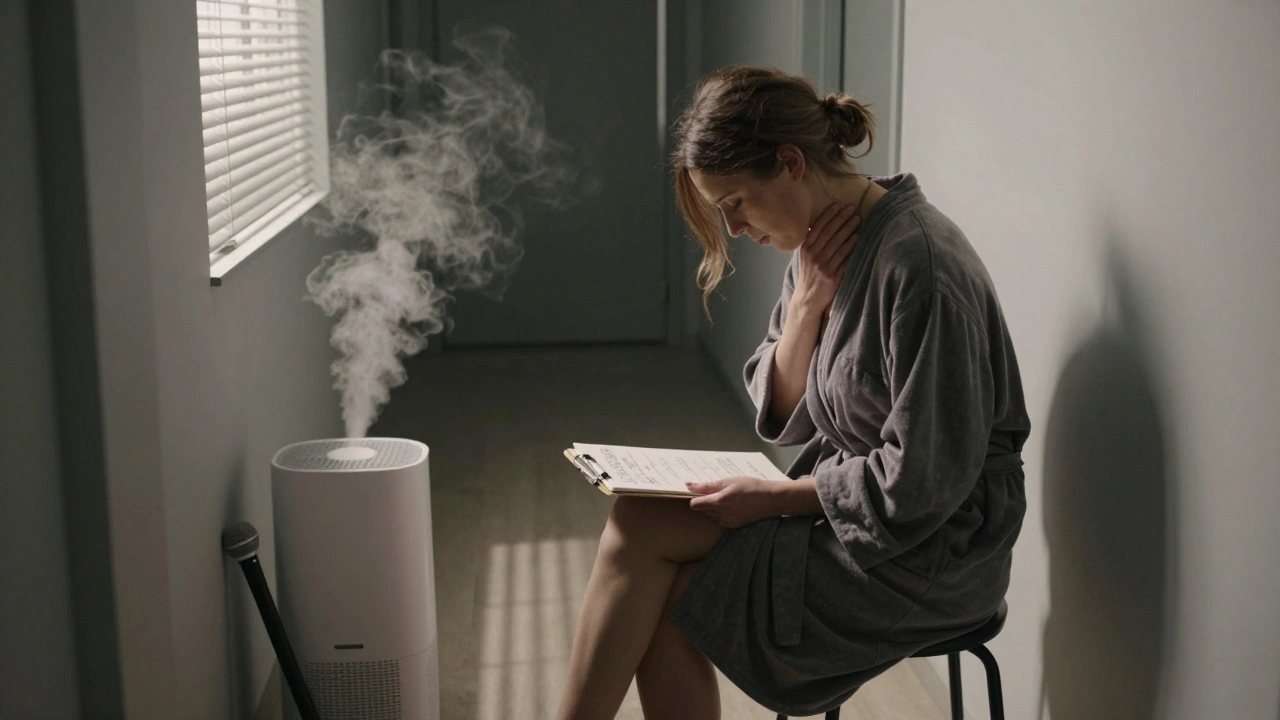
Doing this every night isn’t sustainable for most voices. Alli has had two vocal cord nodules removed. She takes daily steam treatments, avoids caffeine and dairy, and sleeps with a humidifier running. She doesn’t talk on tour days. She uses a notepad to communicate. She has a strict 7 p.m. vocal warm-up routine that takes 45 minutes.
Her doctor told her she’s one of the few singers he’s seen who can sustain this level of vocal demand without permanent damage. "You’re not singing like a pop star," he said. "You’re singing like a classical artist with pop intensity."
What Audiences Really Feel
People don’t come to Alli’s shows to see a lookalike. They come because they miss Whitney. They come because they want to feel what it was like to be in that room in 1987, when the world heard her voice for the first time.
A man in his late 50s once told her after a show: "I lost my wife last year. She used to sing I Will Always Love You to our daughter every night. Tonight, I heard it again. Not as a recording. As if she was still here."
That’s why Alli keeps doing it. It’s not about the applause. It’s about the silence after the last note. The tears. The people who walk up to her afterward, trembling, saying, "I thought I’d never hear that again."
Can Anyone Do This?
No. Not really.
Whitney Houston’s voice was a once-in-a-generation gift. But Alli Starr proves that with discipline, deep study, and emotional honesty, you can honor that gift without pretending to be someone else. You don’t need to have her range. You need to understand it. You need to respect it. And you need to be willing to break your voice to let it live again.
Alli doesn’t say she’s better than Whitney. She doesn’t need to. She just sings. And when she does, the room remembers.
Is Alli Starr the only tribute artist who sings live without backing tracks?
Most Whitney Houston tribute artists use backing tracks, earpieces, or pitch correction to ensure consistency. Alli Starr is one of the few who performs entirely live-no pre-recorded vocals, no autotune. She’s trained for over five years to match Whitney’s vocal techniques with her own voice, making her one of the most technically demanding tribute performers in the industry.
How does Alli Starr train her voice to match Whitney Houston’s range?
Alli studied over 180 live recordings of Whitney, transcribing every run, breath, and vibrato. She worked with a vocal coach who trained with Whitney’s backup singers to understand the physical mechanics behind the sound-like diaphragm control and vocal placement. She uses resonance devices, daily steam treatments, and a strict 45-minute warm-up routine to maintain the stamina and precision needed to hit notes like the sustained G5 in "I Will Always Love You."
Has Alli Starr ever lost her voice during a performance?
Yes. She’s had vocal cord nodules removed and once performed "I Have Nothing" with only half her range due to a severe cold. Instead of skipping songs, she adjusted her technique-using breath support, dynamics, and emotional delivery to carry the performance. That night, several audience members said it felt more authentic than any studio version they’d heard.
What makes Alli Starr’s tribute different from others?
While most tribute artists focus on costumes and appearance, Alli prioritizes vocal authenticity. She doesn’t wear a wig or mimic Whitney’s movements. She sings each song with the same emotional intensity and technical precision as the original, adapting her performance based on the live recording she’s channeling that night. Her goal isn’t to impersonate-it’s to resurrect the feeling of Whitney’s voice.
Can someone without Whitney’s natural range learn to sing her songs like Alli does?
You don’t need Whitney’s natural range to honor her music. Alli Starr doesn’t have the same vocal timbre as Whitney, but she’s mastered the technique behind the sound. With years of training in breath control, resonance, and emotional expression, singers can learn to deliver Whitney’s songs with power and truth-even if their voice is different. It’s not about copying. It’s about understanding.