When Alli Starr’s song "Midnight in Memphis" won Best R&B Song at the 2026 Grammys, it didn’t just land on a stage-it landed in the middle of a quiet revolution in how R&B is made today. No autotune stacks. No producer ghostwriting. No viral TikTok hooks. Just a voice, a piano, and a story that refused to be rushed.
It Started with a Broken Guitar
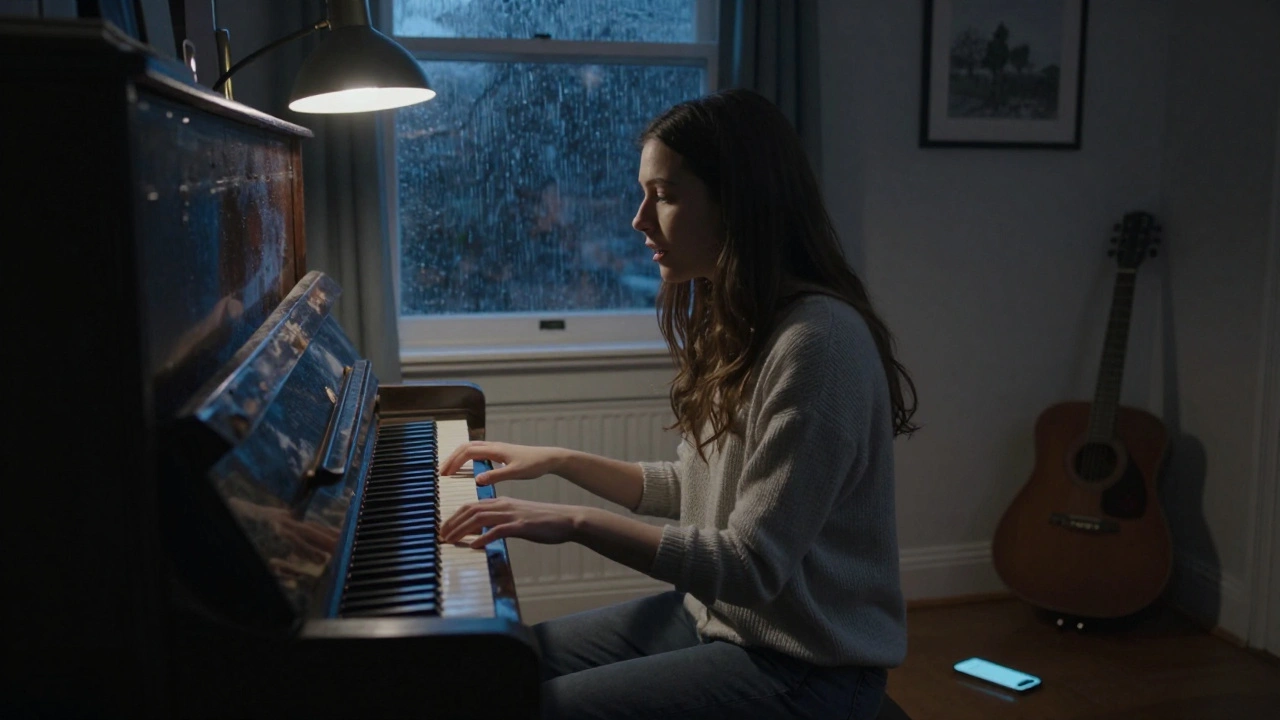
Alli Starr didn’t set out to win an award. She was working two jobs in Portland-teaching guitar lessons by day and bartending by night-when she broke the strings on her old 1998 Martin during a storm. The power went out. No lights. No phone signal. Just rain tapping the windows and the silence between beats. She sat down at the upright piano her grandmother left her and started playing chords she hadn’t touched since she was 16.
That night, she wrote the first verse of "Midnight in Memphis". No lyrics were planned. No structure. Just a memory: her father driving her to the hospital in 2012, humming a blues tune he learned from his own dad, the one he never taught anyone else. She recorded it on her phone. It was 3 minutes and 17 seconds long. She didn’t play it for anyone for six months.
The Unseen Process Behind the Win
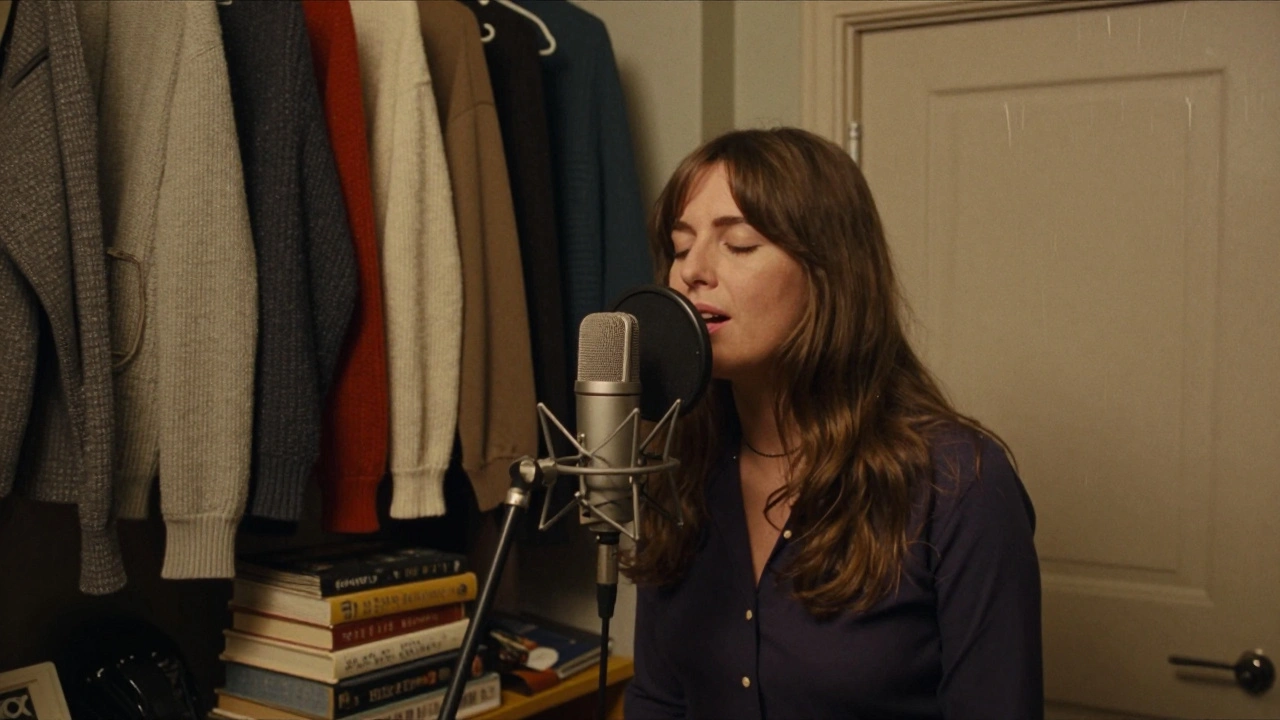
Most people think award-winning songs are crafted in studios with teams of writers, producers, and A&R execs. Alli’s process was the opposite. She worked alone. No collaborators. No label. No budget. She recorded the demo in her closet using a $120 Blue Yeti mic and a free DAW called Audacity. The backing track? A single take of her playing piano, layered with her voice singing harmonies in the same room-no overdubs.
She didn’t chase trends. She didn’t study what won last year. She studied her own silence. The gaps between notes. The way her breath caught before the chorus. She kept the raw takes-the ones with coughs, the ones where she missed a note, the ones where her voice cracked. Those became the heart of the song.
When she finally uploaded it to Bandcamp in late 2024, it was labeled "Demo #37". No cover art. No description. Just the track and a single line: "For the ones who still remember what love sounds like when it’s quiet."
How a Song Becomes a Movement
It took seven months for the song to catch fire. Not because of radio play or influencers. But because a nurse in Atlanta posted it on Reddit after playing it for her patient, an 82-year-old man who said it reminded him of his wedding day in 1959. The thread hit 200,000 views. Then a jazz podcast featured it. Then a YouTube channel called "Songs That Heal" did a 20-minute breakdown of the chord progression.
The chords? They weren’t fancy. Just a I-vi-IV-V progression in E minor. But Alli stretched each chord like taffy-letting the bass notes ring out longer than anyone would expect. She used a technique called "delayed resolution"-a method she learned from studying 1970s soul records at the Portland Public Library’s vinyl archive. It’s not common in modern R&B. Most producers want instant payoff. Alli wanted patience.
That’s what made it win. The Recording Academy noticed something rare: a song that didn’t need to be loud to be felt. A song that asked listeners to lean in, not scroll away.
What Makes a Song "Best R&B" in 2026?
This year’s nominees included tracks with beats built in AI, collaborations with global stars, and songs that trended in 14 countries. But Alli’s track stood out because it met three quiet criteria:
- Emotional honesty over polish-no studio tricks to hide vulnerability
- Rooted in personal history-not just "love" but a specific memory tied to a place, a person, a moment
- Space as a tool-silence, breath, and delay weren’t mistakes; they were intentional
Music critic Marcus Lee wrote in The Atlantic: "Alli didn’t make a hit. She made a mirror. And people saw themselves in it without needing to be told how to feel."
Why This Win Changes the Game
Before Alli, the last Best R&B Song winner to come from outside the major label system was in 2009-Lianne La Havas. Since then, the category has been dominated by tracks with six-figure budgets and producer credits from three different continents.
Her win signals something deeper: the industry is tired of manufactured emotion. Listeners are craving authenticity again. Not the kind that’s performative. The kind that’s messy, quiet, and real.
Her producer, a former jazz drummer named Eli Vance, said it best: "She didn’t write a song for the Grammys. She wrote one for her 17-year-old self, sitting alone in her room, wondering if anyone would ever understand her. And somehow, millions did."
What You Can Learn from Alli Starr’s Approach
You don’t need a studio to make something that lasts. Here’s what actually mattered:
- Write from memory, not mood-What’s a moment you’ve never told anyone? Dig there.
- Use what’s broken-A cracked voice, a cheap mic, a broken string-they’re not flaws. They’re texture.
- Don’t fix the silence-Let the pauses breathe. That’s where the emotion lives.
- Release without a plan-Alli didn’t pitch it. She didn’t ask for help. She just put it out. And that honesty attracted the right ears.
She didn’t chase the award. She chased the truth. And the award found her.
Behind the Scenes: The Recording Details
Here’s what actually went into the final version of "Midnight in Memphis":
| Component | Detail | Why It Mattered |
|---|---|---|
| Instrument | 1952 upright piano (grandmother’s) | Uneven tuning gave the chords a human wobble |
| Microphone | Blue Yeti (USB, $120) | Too sensitive-picked up room noise, breath, rain outside |
| Recording Space | Closet lined with old sweaters | Created natural reverb without digital effects |
| Tempo | 68 BPM | Slower than industry standard-allowed space for emotional weight |
| Harmonies | 3 vocal layers, all recorded in one take | Imperfections created depth-no pitch correction |
| Final Mix | Only 3 edits made | Left the original breaths, a cough, and a door slamming in the background |
What Comes Next for Alli Starr
She turned down offers from three major labels. Instead, she launched a small nonprofit called Quiet Notes-a program that gives free recording kits to teens in underserved neighborhoods. Each kit includes a used mic, a pair of headphones, and a notebook with one instruction: "Write the song you’re afraid to play out loud."
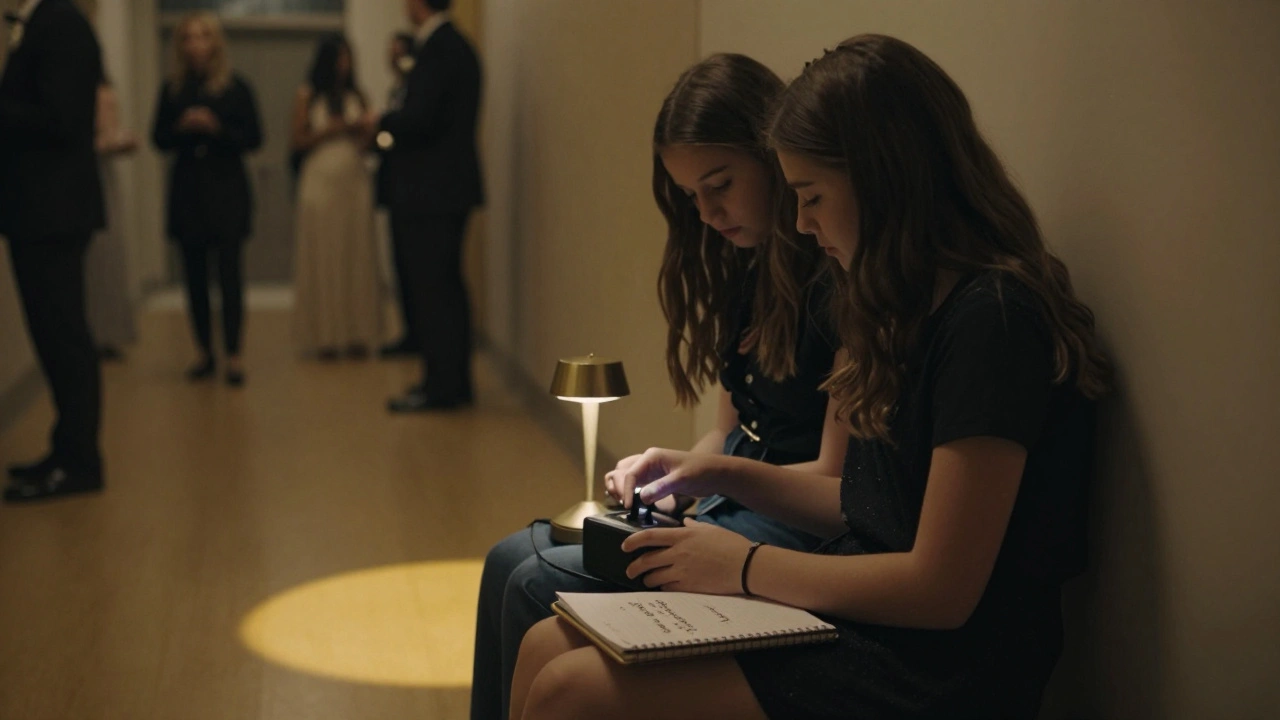
Her first grant recipient? A 14-year-old girl from East Portland who wrote a song about her mom’s chemotherapy schedule. Alli played it for her at the Grammy afterparty-not on a stage, but in a hallway, with just the two of them and a single lamp.
That’s the real win.
Did Alli Starr have a record deal before she won the Grammy?
No. Alli Starr had no record deal, no management team, and no label backing. She independently released "Midnight in Memphis" on Bandcamp under her own name. The song gained traction through organic listening, not marketing. Her win marked one of the first times in over a decade that a Grammy-winning R&B track came entirely from outside the major-label system.
What made "Midnight in Memphis" different from other R&B songs in 2025?
While most R&B songs in 2025 relied on heavy autotune, trap beats, and viral hooks, "Midnight in Memphis" used minimal production. It featured raw vocal harmonies, a slow tempo, and intentional silence. The lyrics were deeply personal, tied to a real memory of family and loss. It didn’t try to be catchy-it tried to be true. That’s what the Recording Academy rewarded.
Is Alli Starr’s song available on streaming platforms?
Yes. After winning the Grammy, Alli Starr made "Midnight in Memphis" available on Spotify, Apple Music, and YouTube. But she didn’t change the original recording. The version you hear now is identical to the one she recorded in her closet-the cough, the rain, the breaths-all still there.
Did Alli Starr write the song alone?
Yes. Alli Starr wrote every word, chord, and harmony herself. She didn’t collaborate with any producers or co-writers. The entire song-lyrics, melody, arrangement-came from her alone. Even the backing track was recorded in one sitting, with no overdubs.
What’s the significance of the 68 BPM tempo?
Most R&B songs today use tempos between 80-100 BPM to match danceable rhythms or streaming algorithms. Alli chose 68 BPM to create space-for emotion, for breath, for memory. Slower tempos allow listeners to sit with the lyrics instead of moving past them. It’s a technique rooted in classic soul and blues, and it’s rare in modern production. That choice alone made the song feel timeless.
The road to the best R&B song isn’t paved with studio time or social media buzz. It’s paved with quiet nights, broken strings, and the courage to play something no one asked you to.