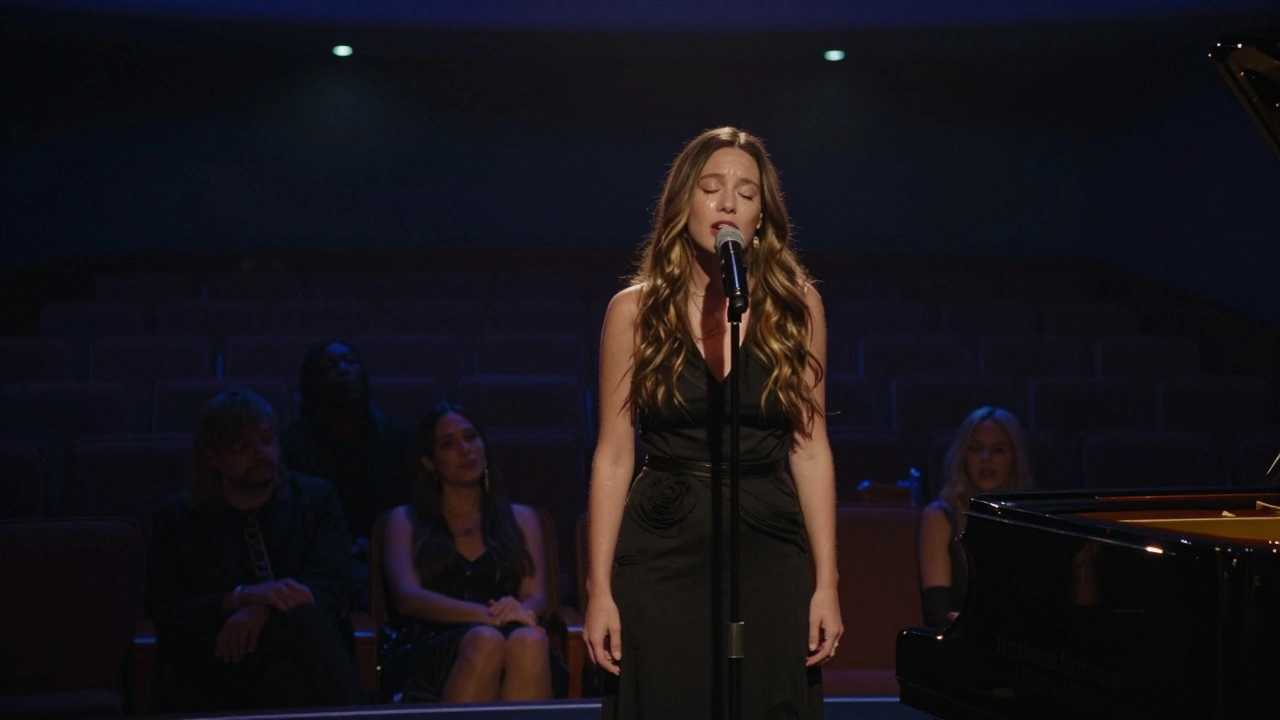
There’s a moment before the lights go down in a Vegas showroom - just a breath - when the room holds its silence. Not the quiet of an empty theater, but the stillness of a hundred people waiting, not for a show, but for a connection. Alli Starr knows this silence better than anyone. She doesn’t just sing on stage. She walks into that quiet like she’s walking into someone’s living room, and she doesn’t leave until she’s made sure everyone feels seen.
What Does It Mean to Respect the Room?
Alli Starr doesn’t talk about ‘audiences.’ She talks about ‘rooms.’ A room has walls, temperature, air, and energy. A room remembers. Walk into a room with a loud voice and no awareness, and you’ll feel it - the shift in body language, the glances toward the exit, the phones coming out. Walk in with presence, and the room leans in. That’s the difference between performing and respecting.
For Alli, respecting the room means three things: knowing the space, knowing the people, and knowing when to step back. It’s not about volume. It’s about alignment. Her shows aren’t built around pyrotechnics or costume changes. They’re built around eye contact, pauses, and the way she lets a note hang just long enough for someone in the back row to feel it in their chest.
Her First Vegas Gig Wasn’t on a Stage
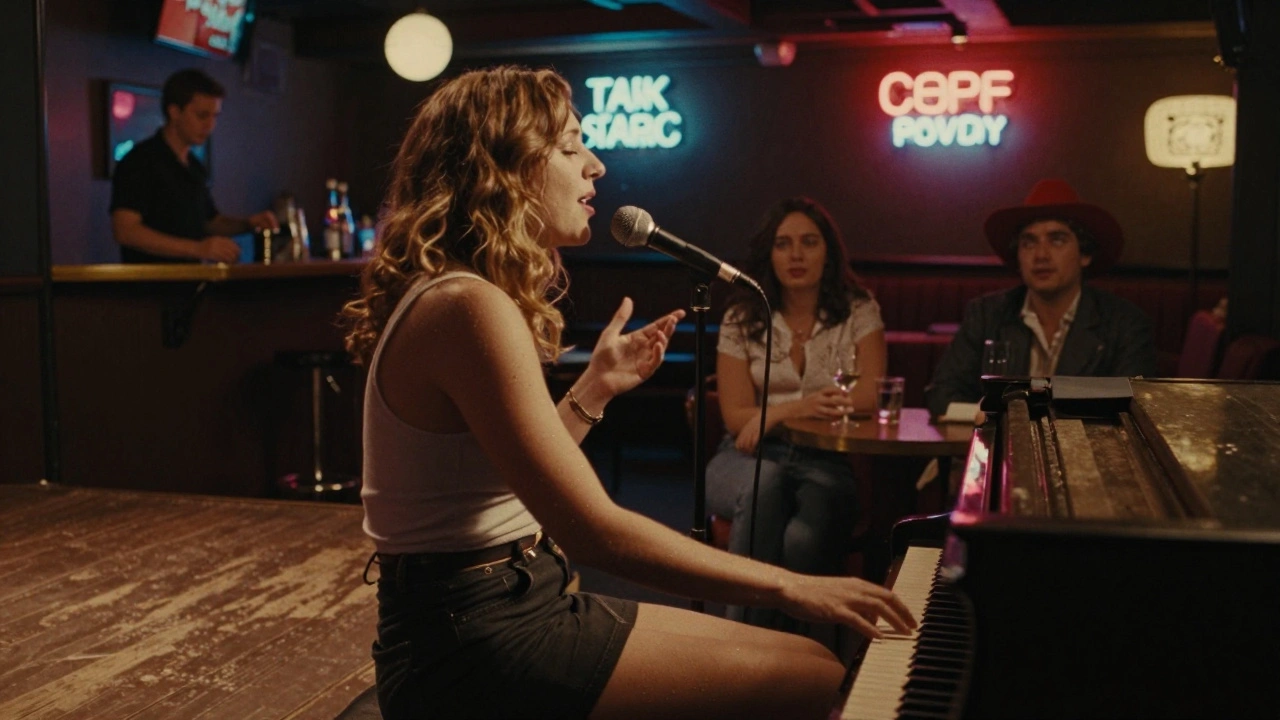
Alli didn’t start in a 2,000-seat theater. She started in a 30-seat lounge at the back of a casino in North Las Vegas. The room had sticky floors, a flickering neon sign, and a bartender who never looked up. The crowd? Tourists who wandered in for a drink and stayed because they couldn’t look away. She sang without a mic for six months. No monitors. No backing tracks. Just her voice, a piano, and the noise of slot machines in the distance.
She learned to read the room by how people moved. If someone shifted in their seat, she’d drop the tempo. If someone tapped their foot, she’d lean into the groove. If someone looked away, she’d stop singing - just for three seconds - and let the silence say something instead. That’s where her philosophy was born: the room tells you what it needs.
She Doesn’t Use a Setlist
Most Vegas performers have setlists locked down to the second. Alli has a playlist. A loose, fluid, ever-changing list of songs she knows by heart - 87 of them. She doesn’t pick the next song based on time or tradition. She picks it based on the room’s vibe.
One night, a man sat alone in the third row, staring at his wedding ring. She noticed. Halfway through the show, she walked over, sat on the edge of the stage, and sang “My Funny Valentine” - just her and the piano. No spotlight. No cue. Just a quiet, raw moment that lasted 3 minutes and 17 seconds. The man cried. The whole room held their breath. Later, he sent her a letter: “That was the first time I felt okay about losing her.”
She doesn’t plan those moments. She lets them happen. She calls it “listening with her whole body.”
The Tech Is There, But It Doesn’t Lead
Vegas is known for high-tech shows - holograms, automated lighting, autotune, pre-recorded harmonies. Alli uses all of it. But she never lets it lead. Her tech is a tool, not a crutch. The lights? They follow her movement, not the other way around. The backing tracks? They’re there to support her live voice, not replace it. She still sings off-key sometimes - and she’ll pause, smile, and say, “That one was for the guy in the red hat.” The room laughs. Then they sing along.
She’s had offers from major producers to turn her show into a “brand.” She turned them all down. “I’m not here to sell tickets,” she says. “I’m here to make sure people leave feeling less alone.”
How She Prepares - No Warm-Ups, Just Presence
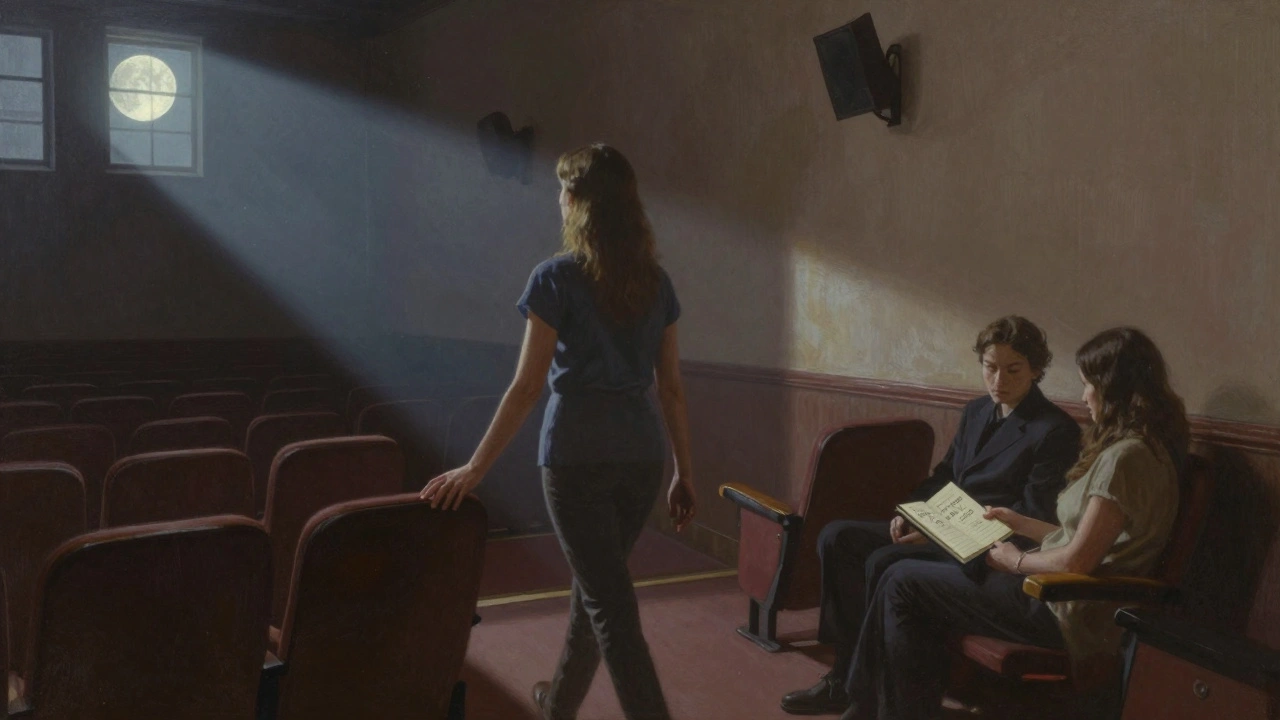
Most singers warm up for hours. Alli doesn’t. She arrives 20 minutes before showtime. She walks around the empty room. She touches the walls. She sits in the back row. She closes her eyes and listens. She doesn’t listen for acoustics. She listens for stories.
She asks the stage crew: “Who’s here tonight?” Not for names. For context. A nurse from Ohio? A retired teacher from Nebraska? A couple celebrating 50 years? She writes them down in a small notebook. Not to memorize. Just to carry. She says, “I don’t perform for strangers. I perform for the people who showed up.”
Her Most Powerful Song Isn’t on Streaming
There’s a song she sings only once a month. It’s not on Spotify. It’s not in her official catalog. It’s called “The Quiet Ones.” She wrote it after a woman came up to her after a show and said, “I’ve been silent my whole life. Tonight, I didn’t feel like I had to be.”
The song has no chorus. Just two verses. One about silence. One about being heard. She sings it in the dark, with only one small lamp on the piano. No mic. No visuals. Just her voice, trembling a little, and the room holding its breath. Some nights, no one claps afterward. They just sit. And that’s okay. She says, “If you’re not ready to speak, that’s fine. I’ll wait.”
Why Vegas Needs Her Now More Than Ever
Vegas has become a machine. Shows are scheduled down to the minute. Tickets are sold through algorithms. Performers are trained to hit marks, not emotions. But Alli’s room - the one she walks into every night - doesn’t care about perfection. It cares about truth.
She’s not trying to be the next diva. She’s trying to be the last person who remembers that a live performance is a shared human experience. Not a product. Not a spectacle. A moment.
She’s had offers from Broadway, from LA, from New York. She says no every time. “Vegas is the last place where people still come to feel something real. I’m not leaving.”
What You Can Learn From Her
You don’t need a stage to respect the room. Whether you’re giving a presentation, hosting a dinner, or even just talking to a friend - presence matters more than polish.
- Stop thinking about what you’re going to say next. Listen to the space.
- Don’t rush the silence. Let it breathe.
- Notice the people who aren’t clapping. They might need you the most.
- Technology can help, but it can’t replace human awareness.
- It’s okay to be imperfect. Imperfection invites connection.
Alli doesn’t have a TED Talk. She doesn’t have a book. She has 12 years of nights where she showed up - not to perform, but to be there. And that’s why people keep coming back.
She Doesn’t Want to Be Famous
She doesn’t post on Instagram. She doesn’t do interviews. She doesn’t chase trends. Her only goal? To make sure the next person who walks into that room feels like they belong.
She told me once, “I’m not here to be remembered. I’m here to help people remember themselves.”
What makes Alli Starr’s Vegas shows different from other performers?
Alli Starr doesn’t rely on lights, costumes, or special effects. Her shows are built on deep observation and emotional responsiveness. She reads the room - not the script - and adjusts her performance in real time. She sings off-key if it feels right. She pauses for silence. She connects with individuals, not just crowds. Her goal isn’t to entertain, but to create moments of shared humanity.
Does Alli Starr have any official recordings or albums?
She has one official live recording from her early lounge days, but most of her performances are unrecorded. She refuses to release songs like “The Quiet Ones” on streaming platforms because they’re meant to be experienced in person, with the room, the silence, and the shared emotion. She believes some moments shouldn’t be captured - only felt.
How does Alli Starr prepare for a show?
She doesn’t warm up vocally. Instead, she walks through the empty theater, sits in the back row, and listens. She asks the crew about the audience - not for names, but for context. She writes down small details: a nurse from Ohio, a couple celebrating 50 years. She carries those stories with her. Her preparation isn’t about technique - it’s about presence.
Why doesn’t Alli Starr leave Vegas for bigger stages?
She believes Vegas is one of the last places where people still come to feel something real - not just to be dazzled. Tourists, retirees, locals, and strangers all come together in those rooms, often carrying silent pain or longing. She says her job isn’t to become famous, but to be the person who helps someone remember they’re not alone. That’s why she stays.
Can you see Alli Starr’s show if you’re not in Vegas?
Not officially. She doesn’t tour, stream, or release recordings. Her performances are live-only, intimate, and designed for the specific room and night. If you want to experience her work, you have to be there - in person, in the moment, in the quiet before the song begins.