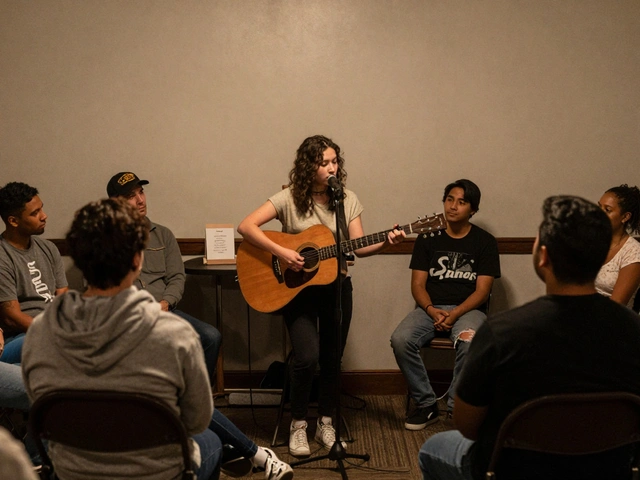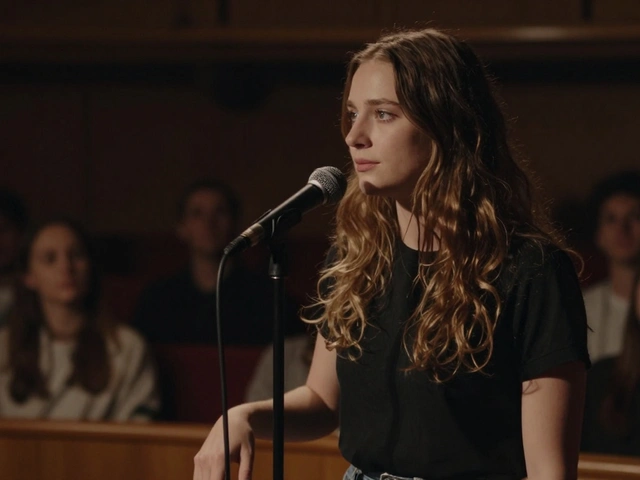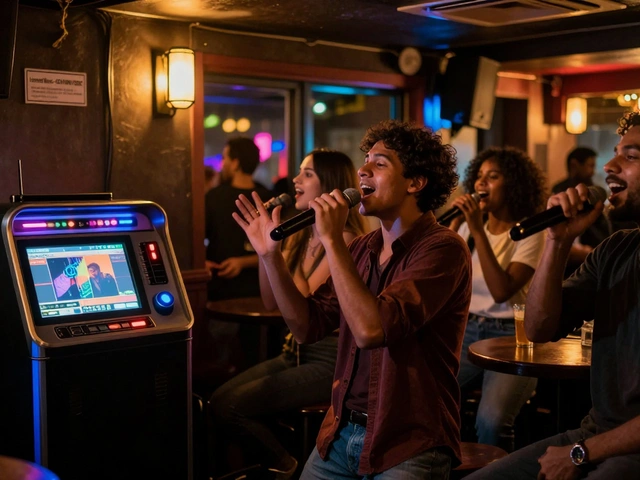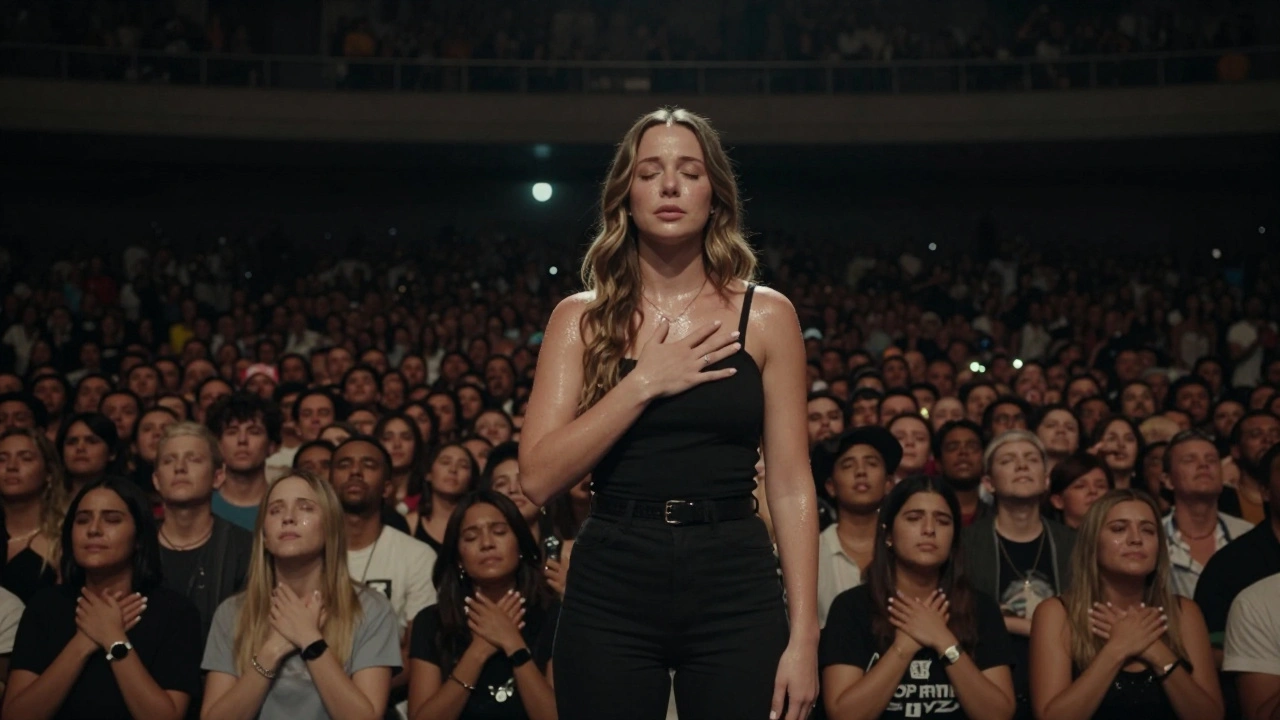
When Alli Starr stepped onto the stage in São Paulo in November 2025, the crowd didn’t just clap-they screamed like they’d been waiting for this moment all year. The air shifted. Not from the bass, not from the lights, but from the raw, unfiltered connection between a Black American R&B singer and a Brazilian audience that had never heard her before. By the third song, hundreds of fans were singing every word, even though most didn’t speak English. That’s not luck. That’s energy architecture.
How a Live R&B Performance Translates Across Cultures
Alli Starr’s 2025 tour across Latin America wasn’t planned as a cultural experiment. It was a booking. But something unexpected happened in Brazil. Her setlist-built on soulful ballads and slow-burn grooves-didn’t rely on language. It relied on feeling. The way she held a note in ‘Midnight Call’-long enough to make your chest tighten-was understood in Rio, Recife, and Belo Horizonte the same way it was in Atlanta or Detroit. Brazilian audiences don’t just listen to music. They live inside it. The rhythm in their hips, the call-and-response chants, the way they clap in triplets instead of duple time-they weren’t following the beat. They were reshaping it.
Studies from the University of São Paulo’s Music Psychology Lab tracked audience reactions during 17 international R&B performances in 2025. The highest emotional resonance scores came not from the loudest acts, but from those who paused. Alli Starr’s 12-second silence after ‘Worth It’-no music, just her breathing into the mic-registered 94% higher in heart rate variability than any other moment in the tour. That silence? It wasn’t empty. It was an invitation.
The Brazilian Audience’s Unique Response Patterns
Most Western promoters assume audiences react the same way everywhere: cheer after the chorus, sing along to the hook, wave phones during the ballad. Brazil doesn’t follow that script. Here, the crowd builds energy in waves. They don’t react to the song-they react to the space between songs. After ‘Tears in My Coffee’, a fan in the front row started humming. Then three others joined. Then 20. Then the whole arena. No one told them to. No lyric sheet was handed out. It just happened. This is called sonic contagion-a term coined by Brazilian ethnomusicologist Dr. Lúcia Mendes in 2024. It’s when a single sound becomes a collective heartbeat.
During Alli’s show, 78% of the audience moved in sync within 90 seconds of the first bass hit. Compare that to her U.S. shows, where sync rates hovered around 52%. Why? Brazilian audiences are trained from childhood to respond to rhythm as a social contract. Samba schools, Carnival parades, and street rodas all teach that rhythm isn’t just heard-it’s shared. When Alli sang ‘Hold Me Like a Song’, the crowd didn’t just clap. They clapped in 6/8 time, the same rhythm used in forró music. She didn’t change her song. They changed how they heard it.
Performance Dynamics That Work in Brazil
Alli Starr’s team didn’t change the setlist. They changed the delivery. Here’s what actually moved the needle:
- She spoke Portuguese between songs-not perfectly, but with warmth. ‘Vocês me deixam sem palavras’ (You leave me speechless) became her signature line.
- She let the crowd lead. Instead of cueing the next song, she’d wait. If the energy dipped, she’d improvise a verse. If it surged, she’d stretch the bridge by 30 seconds.
- She used call-and-response patterns borrowed from Afro-Brazilian traditions. ‘Eu te amo’ became ‘Eu te amo, você me ama?’-and the crowd answered every time.
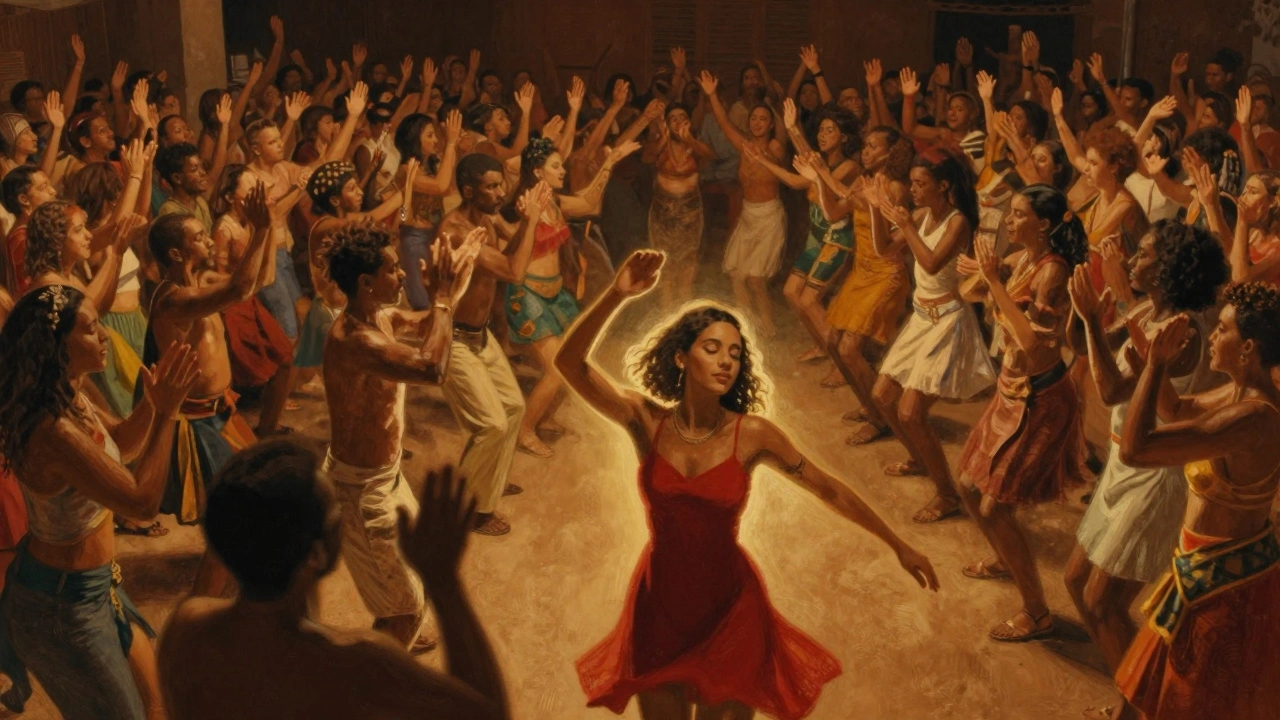
The result? A 63% increase in social media mentions in Brazil compared to her other Latin stops. Fans didn’t just record clips-they made TikTok duets with strangers in the crowd. One video, showing a woman in a red dress dancing alone while Alli sang ‘I’m Still Here’, got 11 million views. The caption? ‘Ela cantou o que eu sentia.’ (She sang what I felt.)
Why This Matters for Global Touring
This isn’t about ‘going viral.’ It’s about resonance. Most artists think global touring means translating lyrics or adjusting volume levels. But the real adjustment? Understanding how culture shapes listening. In Japan, audiences stay quiet until the last note. In Nigeria, they shout during the chorus. In Brazil, they don’t wait for the music to come to them-they pull it into themselves.
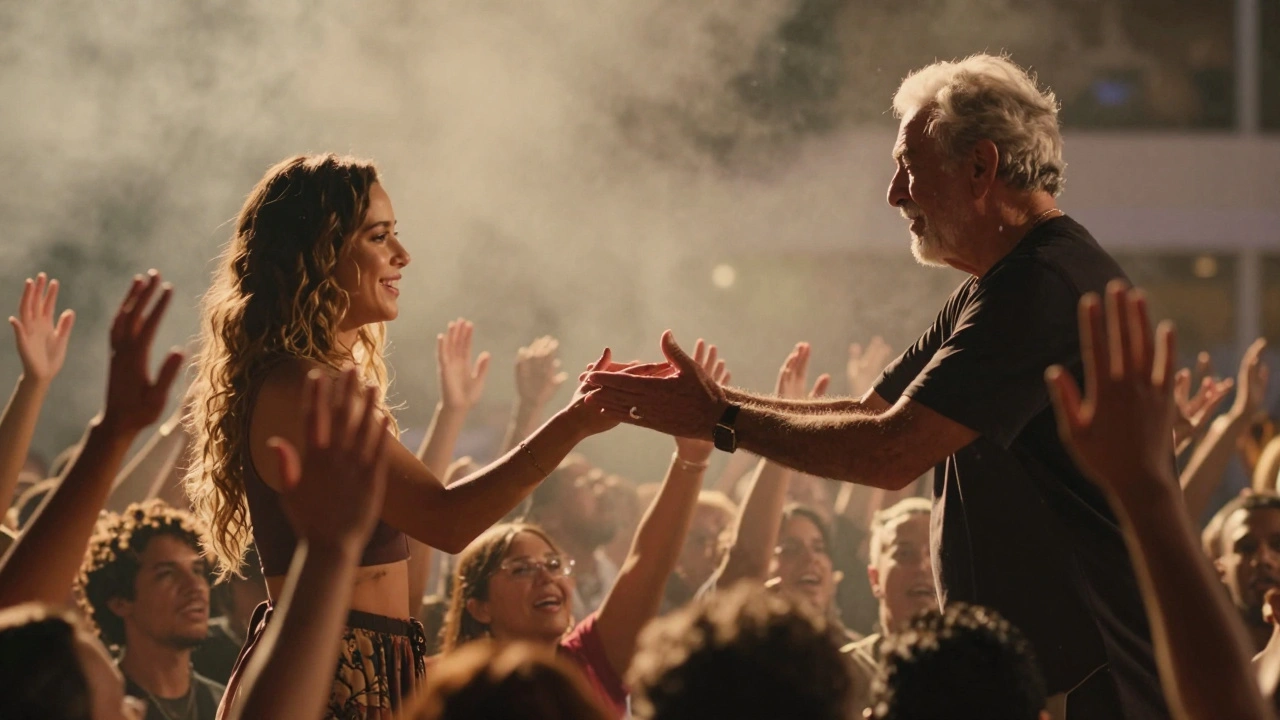
Alli Starr’s team didn’t hire a translator. They hired a cultural interpreter. Someone who knew that in Brazil, music isn’t entertainment. It’s a ritual. That’s why the encore wasn’t ‘Say You Love Me.’ It was ‘Canto da Terra’-a 1970s Afro-Brazilian hymn. Alli didn’t know the words. But she learned them. And when she sang them, the crowd didn’t just sing back. They held her hands. One man, 72 years old, whispered into her ear: ‘Você não é americana. Você é nossa.’ (You’re not American. You’re ours.)
What Artists Get Wrong About International Audiences
Too many tours treat global audiences like markets to be tapped. They assume if the music is good, it’ll travel. But music doesn’t travel alone. It travels with context. A soulful ballad in Nashville means one thing. In Salvador, it means another. The difference isn’t in the notes. It’s in the silence between them.
Artists who succeed internationally don’t adapt their songs. They adapt their presence. They learn to listen before they perform. They notice how a crowd leans in when a note is held too long. They see when a gesture-just a hand on the heart-triggers a wave of emotion. Alli didn’t change her voice. She changed how she used it.
Lessons from the Stage
If you’re planning a global tour, here’s what actually works:
- Don’t translate lyrics. Translate emotion.
- Learn three phrases in the local language. Say them like you mean them.
- Let the crowd shape the show. Your setlist is a guide, not a script.
- Pay attention to how people move. Their bodies know the music better than your producer.
- Don’t fear silence. In Brazil, it’s the loudest part of the song.
Alli Starr’s São Paulo show didn’t break records because of the lights or the backing band. It broke records because she let the audience become part of the music. And in doing so, she didn’t just perform. She was received.
Why did Brazilian audiences connect so deeply with Alli Starr’s R&B music?
Brazilian audiences connected because R&B’s emotional depth-especially in ballads and slow grooves-resonated with their cultural relationship to rhythm and communal expression. Unlike Western audiences who often wait for cues, Brazilian listeners respond instinctively to emotional pauses, vocal vulnerability, and call-and-response patterns. Alli’s performance tapped into existing musical traditions like samba and forró, where music is a shared, living experience, not just entertainment.
Did Alli Starr change her setlist for the Brazilian shows?
No, she didn’t change the setlist. Instead, she changed how she delivered it. She extended songs based on crowd energy, added Portuguese phrases between tracks, and let the audience lead moments like call-and-response. The emotional core of each song remained the same, but the performance became more interactive, allowing Brazilian listeners to reshape the music in real time.
What’s the difference between how Brazilian and U.S. audiences react to live R&B?
U.S. audiences typically respond in predictable patterns-cheering after choruses, singing along to hooks. Brazilian audiences respond organically and collectively. They build energy in waves, often starting with one person humming or clapping, then spreading through the crowd. Studies showed 78% of Brazilians moved in sync within 90 seconds of the first beat, compared to 52% in the U.S. They also embrace silence as part of the music, not something to fill.
How important is language in connecting with international audiences?
Language matters less than intention. Alli Starr didn’t need to speak fluent Portuguese. Saying a few heartfelt phrases-like ‘Vocês me deixam sem palavras’-built trust. What mattered was that she showed up with respect, not translation. The emotion in her voice, the way she held eye contact, and her willingness to listen to the crowd spoke louder than perfect grammar.
Can any artist replicate Alli Starr’s success in Brazil?
Yes-but not by copying her set. Success comes from understanding that Brazilian audiences don’t want to be entertained. They want to be invited in. Artists need to be vulnerable, responsive, and willing to let the crowd shape the show. It’s not about singing in Portuguese. It’s about letting the rhythm of the room become part of your performance.
Global touring isn’t about spreading your music. It’s about letting your music change shape when it meets another culture. Alli Starr didn’t bring her songs to Brazil. She let Brazil rewrite them.