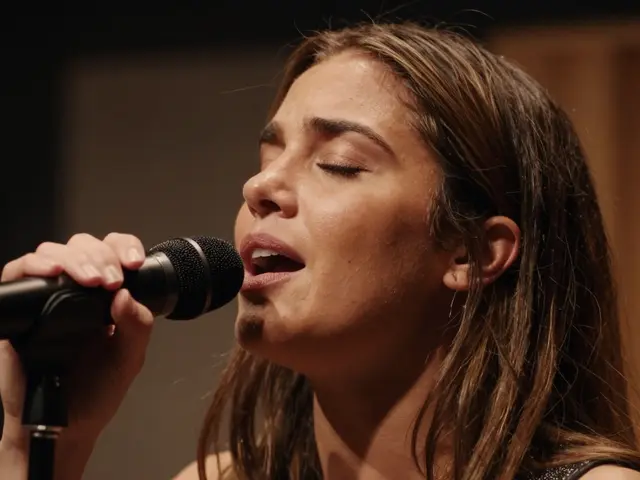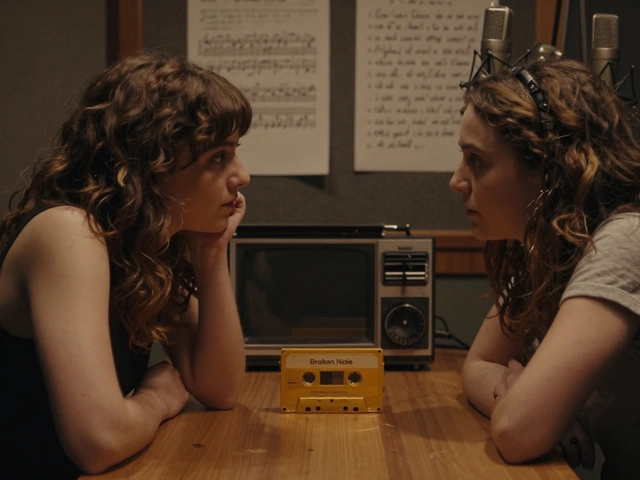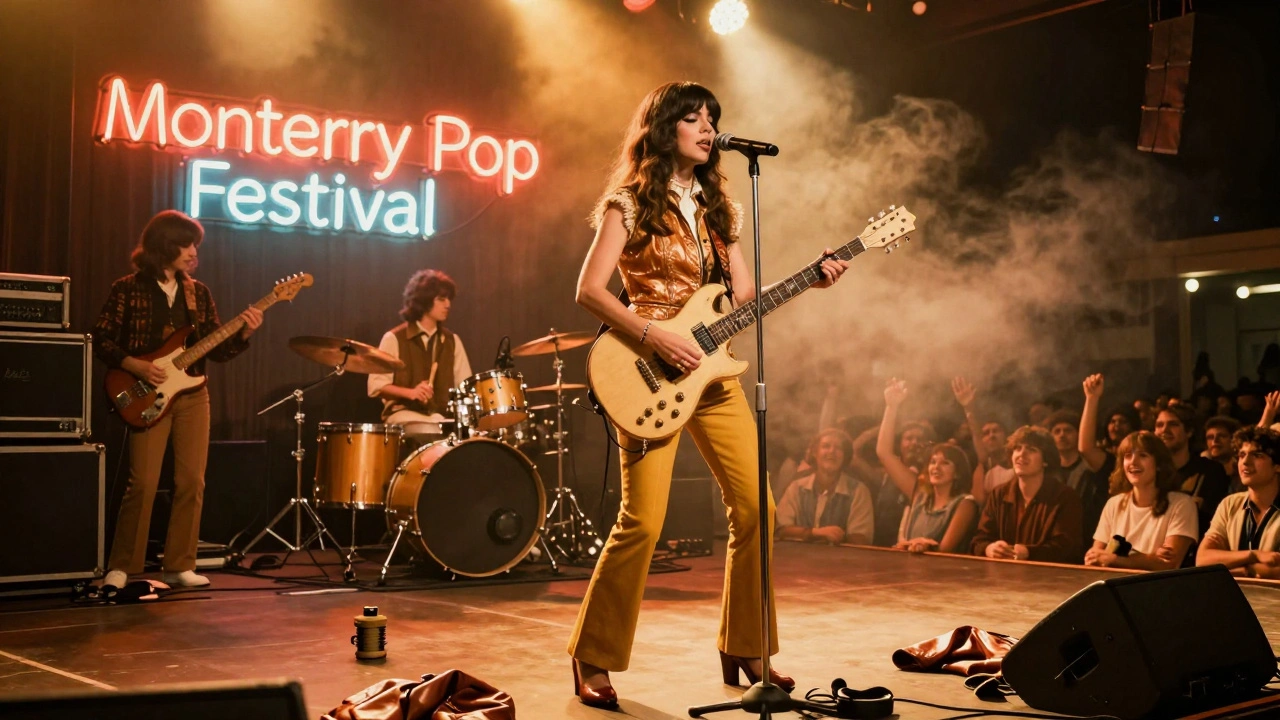
When you think of a tribute show, you probably picture someone singing like Freddie Mercury or dancing like Madonna. But behind that spotlight is a whole machine - booking agents, route planners, van drivers, and a lead performer who’s not just mimicking a legend, but running a business. Alli Starr doesn’t just sing Janis Joplin; she runs a touring tribute package that books 200+ shows a year across North America. Here’s how she does it.
Why Tribute Shows Are Bigger Than You Think
Tribute acts aren’t just novelty acts anymore. In 2025, the live music industry reported that tribute shows made up nearly 18% of all non-original artist bookings. Venues love them because they draw crowds without the risk of a headliner canceling. Fans love them because they get the experience without paying $300 for a ticket. And for performers like Alli Starr, it’s a full-time career - not a side gig.
Alli’s show, Janis Joplin: Full Strength, doesn’t just play songs. It recreates the 1969 Monterey Pop Festival setlist, complete with period-correct costumes, a 5-piece band that sounds like the Full Tilt Boogie Band, and even the same mic stand she used. That level of detail isn’t accidental. It’s engineered.
The Booking System: Not Just Calling Venues
Most tribute acts book shows the old way - cold-calling venues, hoping for a slot, waiting weeks for a reply. Alli doesn’t do that. She uses a proprietary booking system built around three pillars: timing, tiering, and territory.
- Timing: She books 10 months in advance. Her team targets festivals in January, county fairs in March, and corporate events in September. No last-minute scrambles.
- Tiering: She has three show tiers: premium (full production, 90-minute set), standard (75-minute, reduced lighting), and intimate (acoustic, 45-minute). Each has a different price point and venue type.
- Territory: She divides the U.S. into 12 regional zones. Each zone has a local rep who handles contracts, permits, and local promotions. No one flies in from out of state to book a show in rural Ohio.
This system lets her fill 87% of her tour dates before the calendar year even starts. Most tribute acts are lucky to hit 50%.
Routing: It’s Not About the Distance, It’s About the Flow
Routing a tribute tour isn’t like planning a road trip. You can’t just map the shortest path. You have to account for venue load-in times, border crossings, weather delays, and band rest days.
Alli’s routing team uses a custom algorithm that factors in:
- Drive times between venues (max 6 hours per day)
- Local traffic patterns (e.g., avoiding Chicago on Monday mornings)
- Weather windows (no driving through the Rockies in January)
- Band sleep cycles (they get 8 hours minimum between shows)
- Equipment turnaround (trucks must be unloaded and reloaded in under 4 hours)
Her vans are GPS-tracked. Her driver logs are audited weekly. If a show is scheduled for Friday night in Milwaukee and Saturday night in Green Bay, she’ll check if the drive is possible without violating labor laws. Spoiler: it usually isn’t. So she moves the Green Bay show to Sunday - and books a hotel in between.
In 2024, her team averaged 11.2 hours of downtime per day between shows. Most tribute bands clock under 7. That’s not luck. That’s math.
The Van Fleet: A Mobile Touring Hub
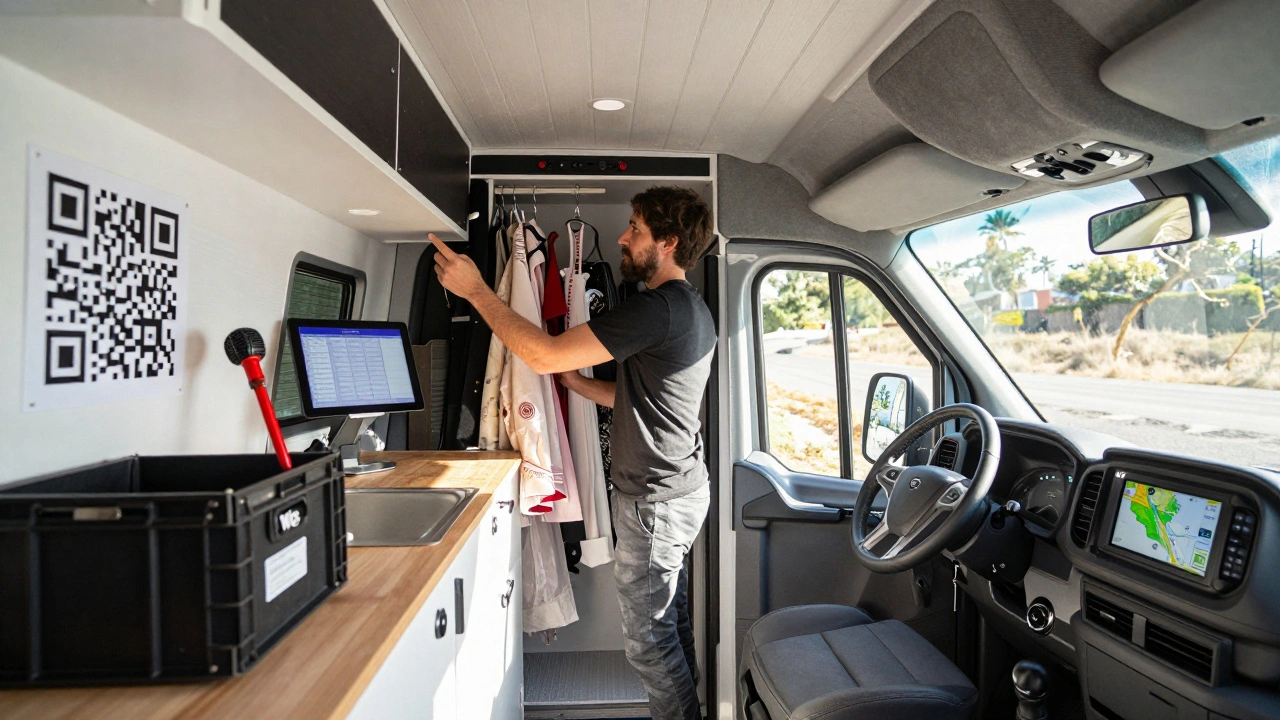
Alli doesn’t rent vans. She owns them. Right now, she runs five 2022 Freightliner Sprinters, each modified to carry:
- 2.5 tons of stage gear (speakers, amps, drums, lighting rigs)
- Costumes, wigs, and makeup stations
- A small kitchenette for meals on the road
- A 100-gallon water tank (for washing out Joplin’s signature sweat-soaked dresses)
Each van has a QR code that links to a digital checklist. Before every departure, the crew scans the code. Missing a mic stand? The system flags it. Overweight? It reroutes the load. This system cut equipment loss by 92% in two years.
Why This Works: The Human Element
Technology helps, but it’s not everything. Alli’s team has a 94% retention rate. Why? Because she treats her crew like family.
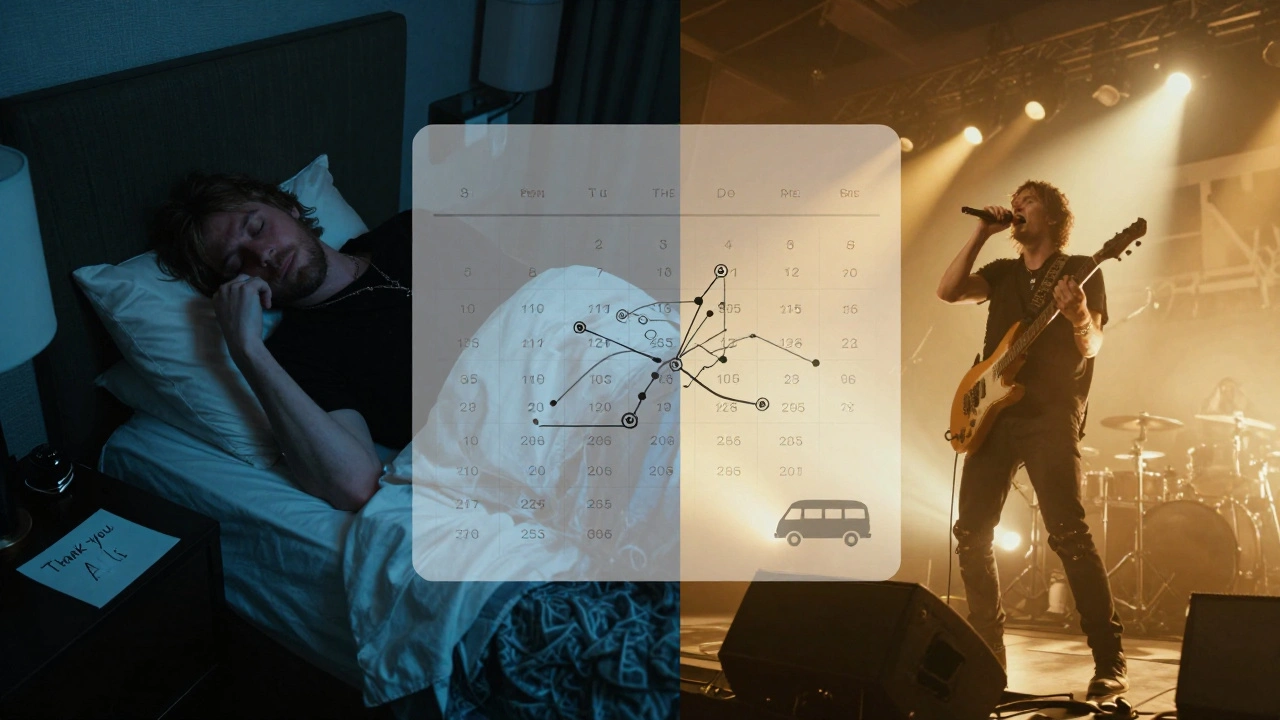
She pays above-market wages. She gives bonuses for perfect attendance. She flies the drummer’s parents to see him play in Nashville every year. She has a mental health counselor on retainer. And every show, she hands out handwritten thank-you notes - not to fans, but to the venue staff who clean up after them.
That’s what keeps people coming back. Not the wigs. Not the sound system. It’s knowing you’re part of something that runs like a well-oiled machine - and cares who’s operating it.
What Most Tribute Acts Get Wrong
Too many tribute bands think success is about nailing the voice. It’s not. It’s about consistency. It’s about showing up, on time, with everything you need, every single night.
Alli’s rule: “If you can’t book it, route it, and pack it without crying, you’re not ready.”
She doesn’t hire people who say, “I love Janis.” She hires people who say, “I can load a 300-pound speaker in 12 minutes and not break a sweat.”
How to Start Your Own Tribute Tour
Want to build something like this? Start small, but think big.
- Choose one artist you can authentically replicate - not 10.
- Build a 45-minute set with 8 songs and one encore. No filler.
- Book 5 local shows. Track every cost: gas, lodging, permits, meals.
- Once you’re profitable, buy one van. Don’t rent.
- Use Google Sheets to map your routes. Then upgrade to a logistics tool like Route4Me.
- Don’t chase fame. Chase reliability.
There’s no magic. Just discipline. And a lot of laundry.
What Comes Next
Alli’s next move? Expanding into Canada. She’s already partnered with two Canadian festivals and has a contract with a Toronto venue that’s been wanting her for three years. She’s also testing a “Janis Joplin Experience” - a 2-hour immersive show with a 1960s-themed bar, vintage posters, and a live DJ spinning original records before the set.
It’s not just a tribute anymore. It’s a time machine.
How do tribute shows make money if they’re not the original artist?
Tribute shows earn money through ticket sales, merchandise, corporate bookings, and festival fees. They often charge 30-50% less than the original artist’s touring rate, making them attractive to mid-sized venues. Alli Starr’s show, for example, charges $12,000-$22,000 per gig depending on the tier - far below what Janis Joplin’s estate would demand, but profitable due to volume and low overhead.
Do tribute bands need permission from the original artist’s estate?
No, tribute bands don’t need permission to perform songs, as long as the venue has a blanket license from ASCAP, BMI, or SESAC. However, they can’t use the original artist’s name in their official branding (e.g., “The Rolling Stones”) without risking a trademark lawsuit. Alli Starr’s show is officially named “Janis Joplin: Full Strength,” which avoids legal issues by not implying endorsement.
How do tribute artists train to sound like the original?
Most spend 2-5 years studying recordings, live footage, and vocal techniques. Alli Starr worked with a vocal coach who specialized in blues and rock screaming techniques. She recorded every Joplin performance from 1967-1970, then broke them down note by note. She also studied Joplin’s stage movement, breathing patterns, and even how she held the mic. It’s less about imitation and more about embodying the energy.
Why do venues prefer tribute acts over original bands?
Original bands often demand high guarantees, travel expenses, and technical riders. Tribute acts are cheaper, more reliable, and easier to book. They come with their own sound crew, lighting, and even stage setup. For venues with limited budgets - like small theaters, fairgrounds, and community centers - tribute shows are the only way to book a “big name” without going broke.
Can a tribute show survive without touring?
It’s possible, but not profitable. Most tribute acts rely on touring for 80% of their income. Static gigs - like one-off shows at casinos or hotels - pay less and don’t build momentum. Alli Starr’s team does 200+ shows a year because touring creates word-of-mouth, repeat bookings, and media exposure. Without the road, you’re just a local cover band.