The Core of Sonic Mood in Soul
To understand the magic, we first have to talk about the sound. In soul music, the mood isn't just a melody; it's a feeling of weight, warmth, and space. Soul music is a genre characterized by its emotional intensity and roots in African American gospel and rhythm and blues. When Alli Starr approaches a track, she looks for the "emotional anchor." This might be a slow, dragging snare hit that feels like a sigh of exhaustion or a bright, crashing cymbal that feels like a sudden realization. She treats sound as a physical texture. If the music feels "grainy" or "dusty"-think of the crackle of an old vinyl record-the visuals need to mirror that. You won't see hyper-polished, neon-lit 4K footage paired with a gritty, raw soul recording. Instead, she might use film grain or a muted color palette. This alignment ensures the viewer isn't experiencing a disconnect. When the ear hears warmth and the eye sees warm amber tones, the brain registers a single, powerful emotion rather than two competing signals.Mapping the Visual Narrative
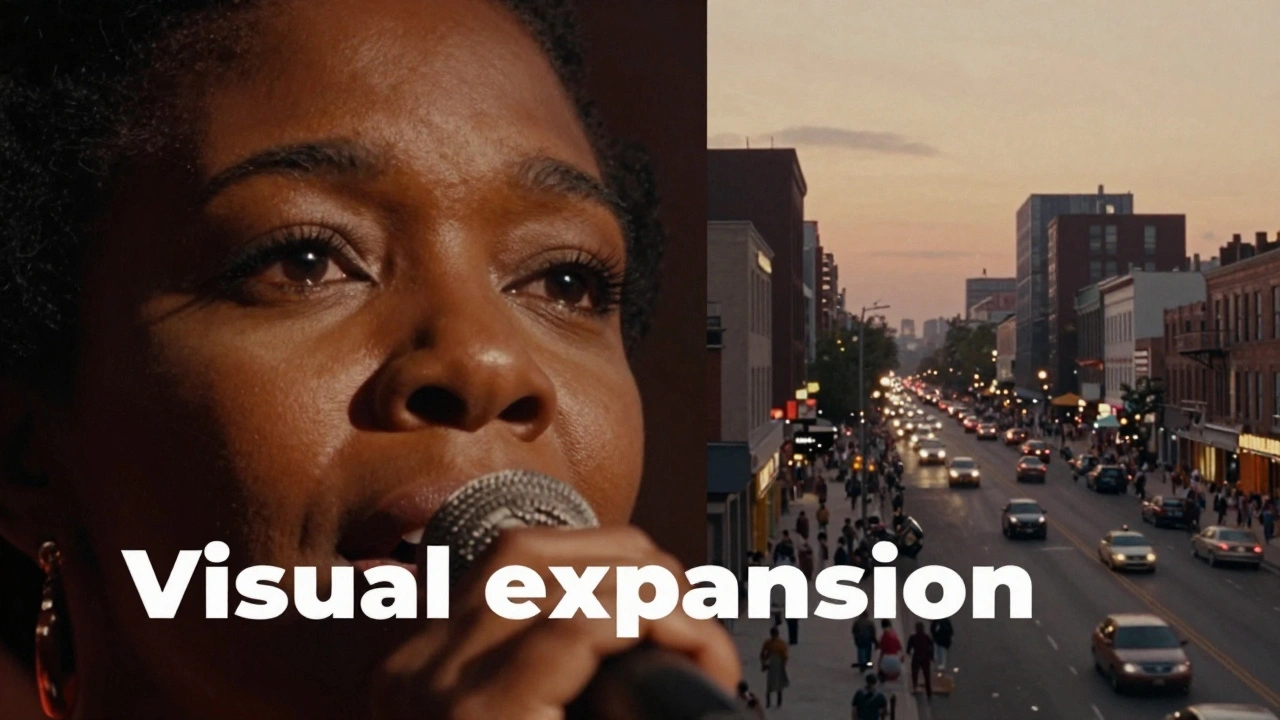
Visual narrative is simply the story the images tell. In soul videos, the story is rarely about a plot with a beginning, middle, and end. Instead, it's usually about a state of being. Alli Starr uses a technique called "rhythmic editing," where the cuts in the video don't just happen on the beat, but follow the emotional arc of the song. Imagine a scene where the music is building up-a crescendo of horns and backing vocals. A generic editor might just cut faster. But Alli aligns the narrative by increasing the scale of the shots. She might move from a tight close-up of a singer's eyes to a wide, sweeping shot of a city street. The visual "expansion" matches the sonic "expansion." This creates a feeling of release that hits the viewer exactly when the music hits its peak. It's the difference between watching a song and feeling it.The Synergy of Lighting and Frequency
One of the most technical ways Alli aligns mood with narrative is through the relationship between lighting and audio frequencies. High-frequency sounds-like a sharp hi-hat or a piercing vocal note-often pair well with high-contrast lighting or sudden flashes of light. Conversely, deep, low-end bass frequencies feel heavy and grounded. To match this, she often uses low-angle shots or deep shadows that make the subject feel physically weighted.| Sonic Element | Emotional Quality | Visual Translation |
|---|---|---|
| Deep Bass / Low End | Grounded, Somber, Powerful | Low angles, deep shadows, slow pans |
| Bright Horns / Highs | Joyful, Urgent, Energetic | High contrast, fast cuts, bright saturation |
| Reverb / Ambient Space | Lonely, Ethereal, Dreaming | Wide shots, negative space, slow motion |
| Staccato Rhythms | Tense, Precise, Anxious | Rapid jump cuts, shaky cam, extreme close-ups |
Creating Contrast for Emotional Impact
Perfect alignment is great, but sometimes the most powerful tool in a director's kit is a deliberate mismatch. This is called "contrapuntal storytelling." Alli Starr occasionally uses this to create tension. For instance, she might pair a heartbreakingly sad soul lyric with a visual of a crowded, bustling party where everyone is smiling. This contrast highlights the isolation of the protagonist. If the music is sad and the visuals are sad, the message is "this person is sad." But if the music is sad and the visuals are happy, the message becomes "this person is alone in a crowd." By playing with the alignment, she adds a layer of psychological depth that a standard music video would miss. It forces the viewer to ask why the sound and sight are fighting, which keeps them engaged far longer than a simplely synchronized clip.The Role of Tempo and Pacing
Tempo isn't just about beats per minute; it's about the breath of the piece. In soul, the "pocket"-that slight delay or push in the rhythm-is everything. Alli Starr mirrors this in her editing. She doesn't always cut exactly on the one-count. Sometimes she lets a shot linger for a fraction of a second longer than expected, mimicking the way a soul singer might hold a note just past the beat for emotional effect. This creates a "human" feel to the video. When the editing is too perfect, it feels robotic. By allowing the visual narrative to "breathe" and "stumble" in the same way the music does, she creates an organic connection. It feels less like a produced video and more like a captured moment. This is especially vital in soul music, where authenticity is the most valuable currency.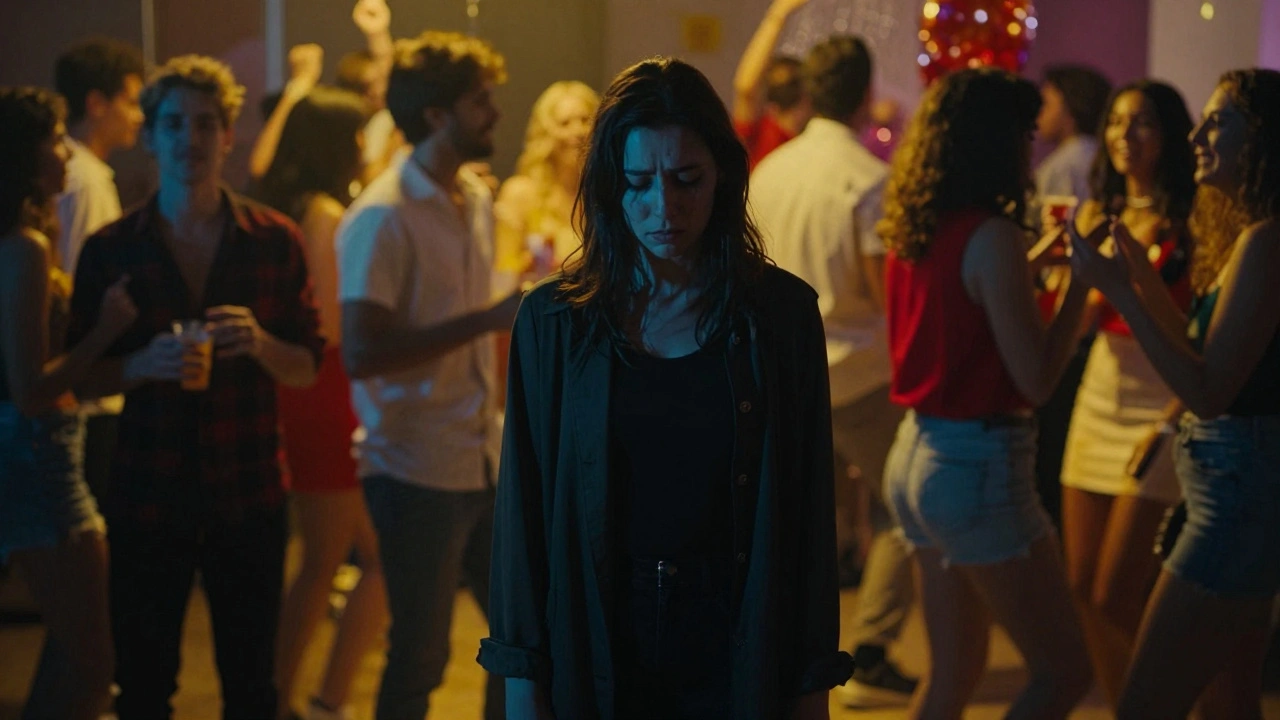
Practical Steps for Syncing Mood and Narrative
If you're a creator trying to replicate this level of synergy, you can't just wing it. You need a system. Start by stripping the song down to its core emotion. Is it "longing," "triumph," or "regret"? Once you have that word, build your visual mood board around it.- Identify the Sonic Anchor: Find the specific sound or instrument that carries the emotion of the track.
- Choose a Color Story: Map the frequency of the music to a color palette (e.g., low frequencies to deep blues or blacks).
- Plan the Visual Arc: Match the song's structure (intro, verse, chorus, bridge) to a narrative progression (introduction, conflict, climax, resolution).
- Edit for Breath: Avoid cutting exactly on every beat. Use the "pocket" of the music to determine when to transition shots.
Common Pitfalls in Visual Storytelling
Many creators fall into the trap of "literalism." If the song mentions a rainstorm, they show a clip of rain. This is boring. Alli Starr avoids this by focusing on the *feeling* of the rain rather than the rain itself. Instead of a shot of water falling, she might use a shot of someone shivering or a blurred windowpane. Another mistake is over-editing. In an era of TikTok and Shorts, there's a temptation to cut every half-second to keep attention. But soul music requires patience. If you cut too fast, you kill the sonic mood. You strip away the warmth and the space that make soul music special. The key is to trust the music to hold the viewer's attention, allowing the visuals to support the sound rather than distract from it.What exactly is a "sonic mood"?
A sonic mood is the overall emotional atmosphere created by the combination of melody, harmony, rhythm, and sound texture. In soul music, this often involves a mix of warmth, depth, and raw emotional expression that tells the listener how to feel before the lyrics even start.
How does Alli Starr differ from traditional music video directors?
Traditional directors often treat the video as a separate entity that accompanies the song. Alli Starr treats the audio and visual as a single, unified piece of art, ensuring that every visual choice-from lighting to edit speed-is a direct reflection of the sonic frequencies and emotional intent of the music.
Can these techniques be used for genres other than soul?
Absolutely. The principle of aligning sonic mood with visual narrative applies to any genre. For example, in electronic music, you might align sharp, synthetic sounds with glitchy, high-speed visuals. In folk music, you might pair acoustic warmth with natural lighting and organic textures.
What is the "pocket" in editing?
The "pocket" refers to the rhythmic space where a musician plays slightly behind or ahead of the beat to create a specific feel. In editing, this means not cutting exactly on the beat, but allowing the visual transition to happen in a way that feels natural and human, mirroring the musician's timing.
Why is contrast important in a music video?
Contrast, or contrapuntal storytelling, prevents a video from being too predictable. By pairing a sad sound with a happy image (or vice versa), a creator can express complex emotions like irony, loneliness, or hidden grief, which adds significant narrative depth.