When you’ve played small clubs and suddenly find yourself headlining a 10,000-seat arena, the lights don’t just get brighter-they explode. The screens stretch wider than your vision. The pyrotechnics roar louder than the crowd. The whole show has to scale up, and if it doesn’t, it falls apart. Alli Starr didn’t just survive this leap-she rebuilt how it’s done. Her roadmap isn’t about fancy gear. It’s about thinking differently before the first bolt is tightened.
Start With the Audience’s Eyes, Not the Stage’s Edges
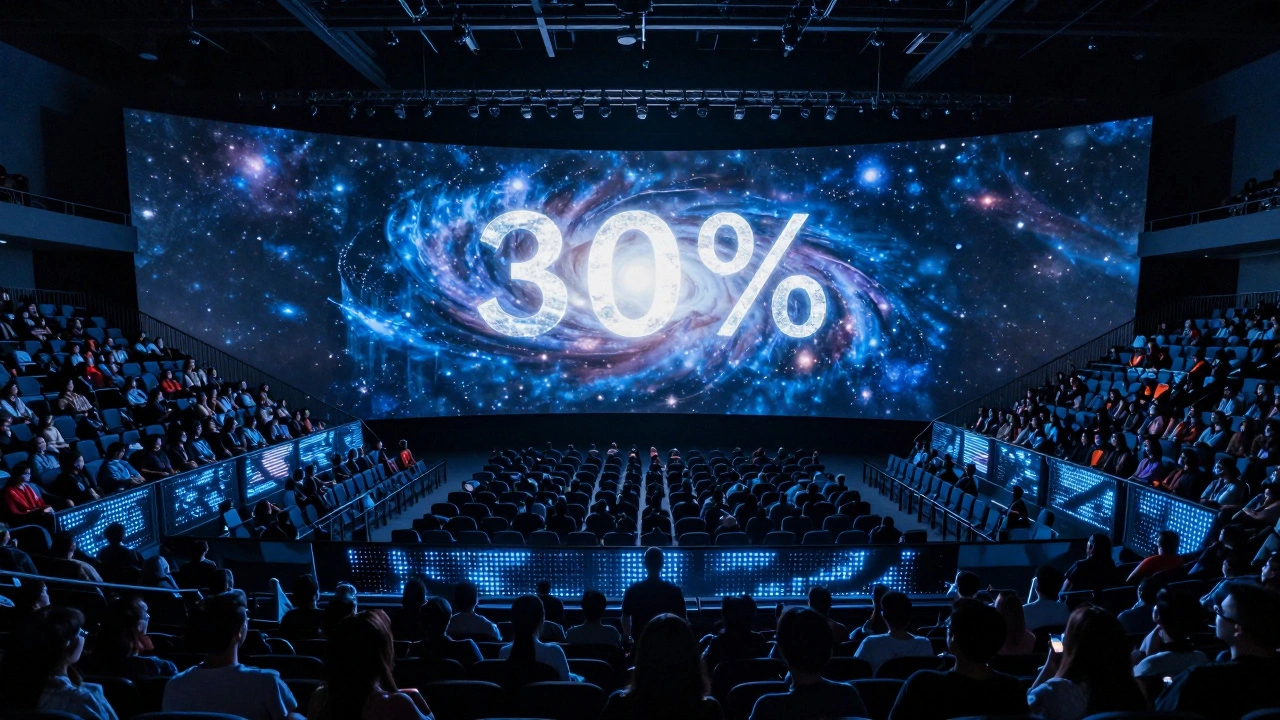
Most designers begin by measuring the stage width. Alli starts by asking: Where do people actually look? In a small venue, fans stare at the front. In a big one, they’re spread across 200 rows, some 300 feet from the stage. If your visuals are only focused on the center, half the crowd sees a blurry mess. Alli’s rule: Design for 30% of the audience’s field of view. That’s the sweet spot where attention stays locked, no matter where they sit. She uses real-time eye-tracking data from past shows to map where eyes linger. If the main visual element-say, a looping galaxy animation-only fills 20% of the screen, she expands it. Not to be bigger, but to be more present.Layering Is Everything-And It’s Not What You Think
A common mistake? Adding more screens. More lights. More moving parts. Alli calls this "visual clutter." Her approach is layering: foreground, midground, background. Each layer has a purpose. The foreground? Live performers. The midground? Dynamic LED walls that react to the music’s rhythm. The background? Static, low-contrast ambient textures-deep blues, slow-moving gradients-that don’t compete. She doesn’t add elements. She removes distractions. One tour, she cut 12 LED panels and replaced them with a single curved rear-projection surface. The result? Cleaner visuals, 40% less power draw, and a 27% increase in audience retention time (measured via post-show surveys).Syncing Sound and Vision Isn’t About Timing-It’s About Physics
You’ve seen it: a bass drop, and the screen flashes red. Too late. Too slow. Alli doesn’t rely on software delays. She uses acoustic triggers. Microphones placed near the subwoofers detect the exact moment a low-frequency wave hits the air. That physical pulse triggers the visual effect-not a MIDI signal, not a timecode. The delay? Under 12 milliseconds. That’s faster than human reaction time. For a recent festival, she synced the entire light array to the sub-bass of a live drum kit. When the kick hit, 800 LED strips pulsed in unison. Fans didn’t just hear the beat-they felt the light. That’s not tech. That’s physics.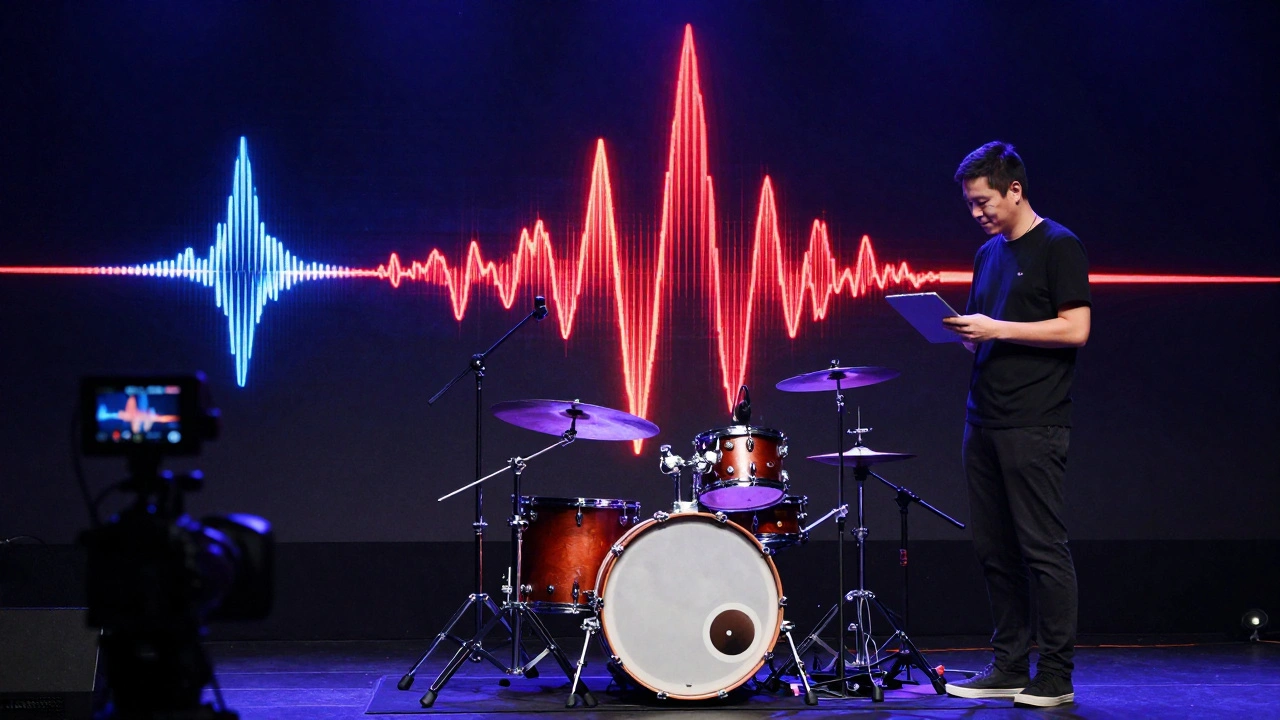
Forget the Control Room-Put the Designer on the Floor
Big shows have control rooms with 20 monitors. Alli’s team has one: a single tablet on a waist-high stand, right next to the drum kit. Why? Because stage dynamics change. A wind gust knocks a drape. A crowd surge shifts the sound reflection. If you’re watching a screen 100 feet away, you’re reacting to a lagging image. Alli’s crew watches the real-time feed from a camera mounted on the front-of-house rig. They adjust visuals live, based on what’s happening now, not what the feed showed three seconds ago. No automation. No presets. Just human eyes, real-time. It’s risky. It works.Power Isn’t a Limit-It’s a Design Parameter
Most production teams treat power as a budget line item. Alli treats it as a creative constraint. A 200kW generator doesn’t mean "use all of it." It means design for efficiency. She calculates power use per visual element. A 4K LED panel draws 1,200 watts. A 1080p panel with adaptive brightness? 580. She swapped 32 panels and saved 20kW. That’s enough to run a full laser array. She also uses motion sensors on stage. If a dancer isn’t near a light, it dims. If a vocal part ends, the background glow fades. Power isn’t wasted-it’s choreographed.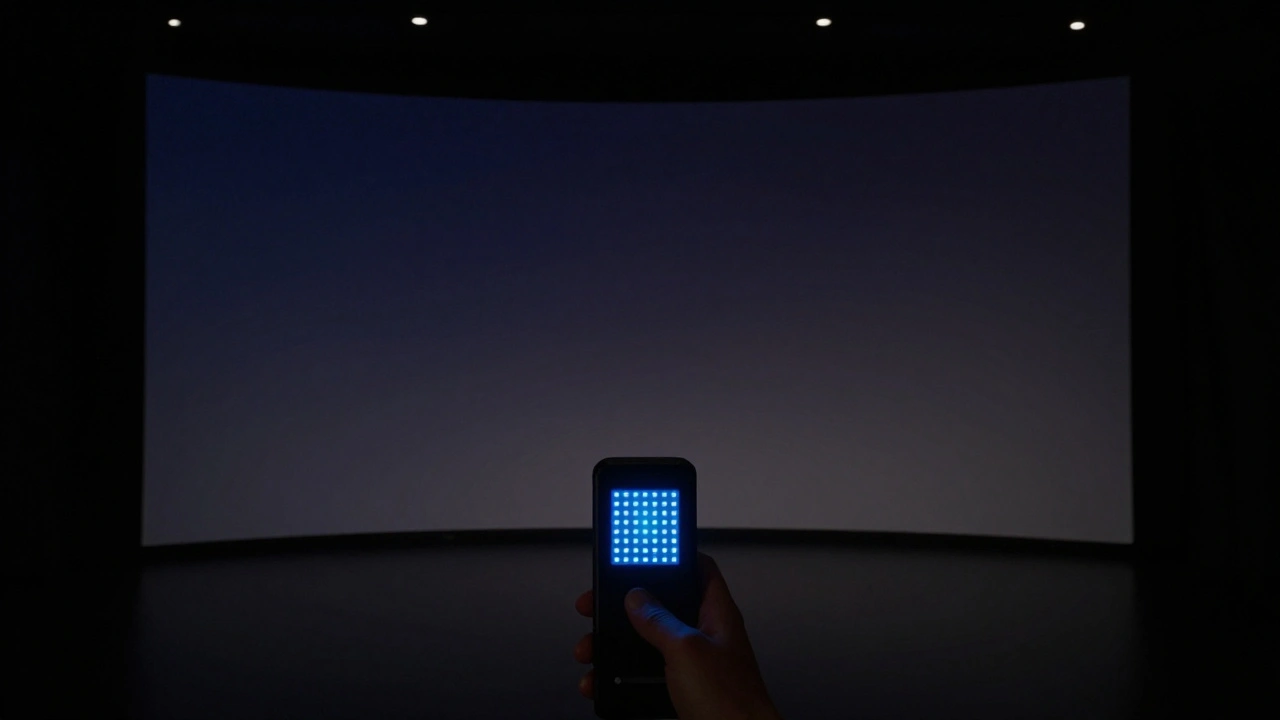
Redundancy Isn’t Backup-It’s Performance
You can’t afford a show-stopping glitch. So most teams install triple backups. Alli installs different backups. One system uses DMX. Another uses Art-Net. A third runs on a custom wireless mesh built from repurposed WiFi routers. If one fails, the others don’t just take over-they adapt. The LED wall doesn’t just go black. It shifts to a preloaded animation that mimics the lost effect, just slower. The lighting rig doesn’t shut down. It shifts to a pre-set color palette based on the song’s mood. This isn’t redundancy. It’s resilience. And it’s built into the design, not bolted on after.What Happens After the Show?
Alli’s biggest innovation isn’t on stage-it’s after. She tracks every visual element’s lifespan. LED panels degrade. Gels fade. Projectors lose brightness. She doesn’t replace them on a schedule. She replaces them when the color temperature shifts more than 8% from calibration. She uses a handheld spectrometer to check each panel before every show. One tour, she caught a 12% drop in brightness on a single panel. Replaced it. The audience didn’t notice. The tech team did. That’s the difference between maintenance and precision.Scaling Isn’t About Size-It’s About Presence
Big shows don’t need more. They need more meaning. Alli’s roadmap isn’t about bigger screens or louder effects. It’s about making every pixel, every pulse, every beam serve the emotion of the music. A 50,000-person crowd doesn’t need to be dazzled. They need to feel connected. Her visuals don’t shout. They whisper-and then, at the right moment, they roar.What’s the biggest mistake when scaling stage visuals?
The biggest mistake is assuming bigger equipment equals better impact. Most teams add more screens, more lights, more moving parts. But in large venues, visual clutter dilutes emotion. Alli Starr’s approach focuses on layering, precision, and audience perspective-not quantity. A single, well-placed visual element that syncs with the music’s emotional peak beats ten flashy ones every time.
Do you need expensive gear to scale visuals?
No. Alli Starr’s most effective tools are often low-cost or repurposed. She uses consumer-grade WiFi routers for wireless visual control, handheld spectrometers to monitor LED degradation, and simple motion sensors to reduce power waste. What matters isn’t the price tag-it’s how the gear is used. A $500 sensor that cuts power use by 15% is more valuable than a $20,000 lighting rig that doesn’t respond to the music’s rhythm.
How do you sync visuals with live sound without lag?
Alli uses acoustic triggers-microphones placed directly on or near subwoofers-to detect the physical vibration of sound. This bypasses digital delays entirely. The visual effect is triggered by the actual sound wave hitting the air, not by a MIDI signal or timecode. This reduces latency to under 12 milliseconds, which is faster than human perception. It’s analog physics applied to digital visuals.
Why does Alli Starr avoid automation in live shows?
Automation relies on pre-set conditions. Live shows are unpredictable. A gust of wind, a crowd surge, or a mic feedback can change the entire acoustic environment. Alli’s team watches real-time camera feeds from the front of house and adjusts visuals manually. This human-in-the-loop approach lets them respond to the actual moment, not a simulation. It’s riskier, but it creates a more authentic, immersive experience.
How do you maintain visual quality across multiple venues?
Alli doesn’t rely on fixed calibration. She measures each visual element before every show using a handheld spectrometer. If an LED panel’s color temperature drifts more than 8% from its original setting, it’s replaced-not just for aesthetics, but for consistency. She tracks degradation per unit, not per tour. This turns maintenance into a precision science, not a guesswork routine.