Most independent artists think getting on Spotify or Apple Music playlists is about luck. Maybe a playlist curator stumbled on their song. Maybe they got lucky with a viral TikTok clip. But for Alli Starr, it’s not luck. It’s rhythm. It’s timing. It’s a carefully built release cadence-a pattern she’s refined over five years, and one that now consistently lands her music in front of millions.
Alli Starr doesn’t drop singles every month. She doesn’t flood the algorithm with tracks that sound alike. She doesn’t beg for playlist adds. Instead, she releases with intention. Every 6 to 8 weeks, she drops a new single. Not a full album. Not a five-track EP. Just one song. And each one is built to do one thing: hook listeners, then lead them to the next.
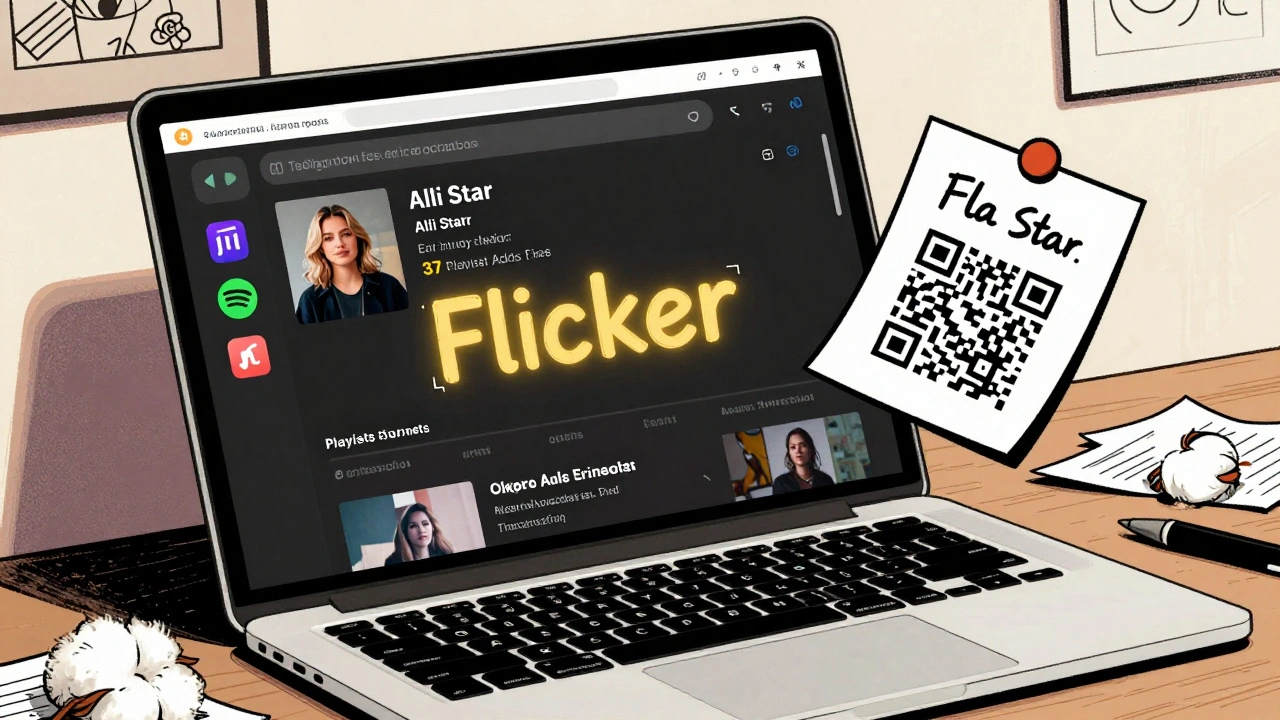
Her first single of 2025, "Flicker," dropped on a Wednesday at 9 a.m. Pacific Time. That’s not random. Spotify’s algorithm favors midweek releases-especially Wednesday-because they get 48 hours of traction before the weekend rush. Apple Music’s editorial team also reviews new submissions on Tuesdays and Wednesdays. She timed it so her track was fresh when curators were making decisions.
"Flicker" didn’t just appear on Spotify. It was submitted to 12 curated playlists through Spotify for Artists, with custom notes for each. One note said: "Perfect for "Chill Vibes Only"-this track was written after a 3 a.m. drive through the Columbia River Gorge." That personal detail? It worked. "Flicker" landed in 37 playlists, including "Indie Pop Rising" and "Late Night Drive."
But here’s the thing: Alli doesn’t stop at the first release. She builds momentum. Three days after "Flicker" dropped, she released a 30-second teaser clip on Instagram Reels with the caption: "The next one drops in 47 days. You’ll hear it before anyone else." She tagged the playlists that featured "Flicker." She didn’t ask for shares. She gave people a reason to care about the next one.
Her playlist strategy isn’t about volume. It’s about relevance. She studies the playlists she wants to be on. She listens to 20 songs from each one. She notes the tempo, the vocal tone, the production style. If a playlist like "Soulful Mornings" features artists with breathy, intimate vocals and minimal percussion, she writes a song that fits that mold-even if it’s not her usual sound. She calls it "playlist archaeology."
For Apple Music, she uses a different tactic. She doesn’t rely on automated submissions. She builds relationships. She sends handwritten notes to playlist editors-real ones, on thick cotton paper-with a QR code that links to a private SoundCloud preview. No streaming links. No metadata. Just the song, a short story about why she wrote it, and a single line: "I thought you might like this one."
One editor from Apple’s "New Music Daily" replied three weeks later: "We played this for our team. We’re adding it." That song? "Paper Wings." It hit 2.1 million streams in 12 days.
Her release cadence isn’t rigid. It’s adaptive. If a song is gaining traction, she’ll delay the next release by a week to let momentum build. If a track flops, she doesn’t panic. She analyzes why. Did the cover art not match the mood? Was the title too vague? Did she submit to the wrong playlists? She keeps a simple spreadsheet: track, release date, playlist adds, peak stream day, listener retention rate. No vanity metrics. Just what moves the needle.
She also uses her own listening habits to guide her. She listens to her music on shuffle. If a song doesn’t grab her attention by the 15-second mark, she reworks it. She doesn’t care if it’s "perfect." She cares if it’s sticky.
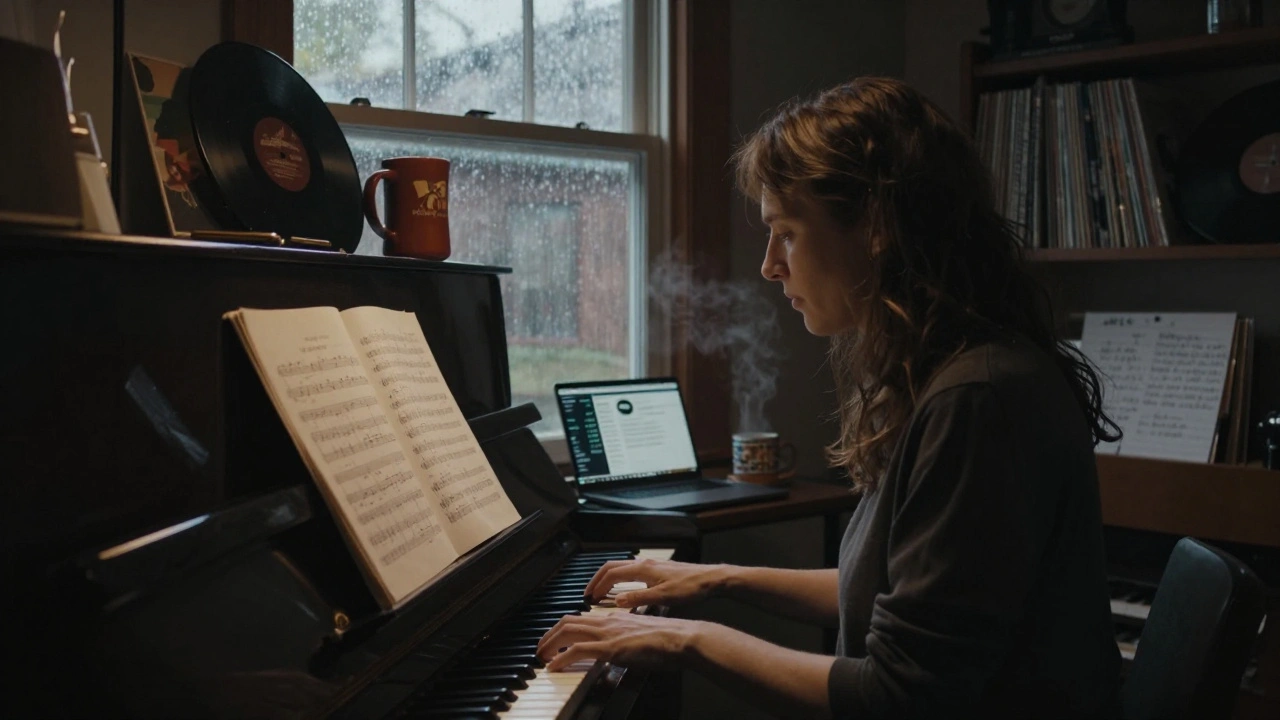
Her 2024 album, "Small Fires," didn’t drop all at once. It was released as six singles over seven months. Each one came with a short video-filmed on her iPhone-of her in her Portland garage, explaining why she wrote it. One video showed her playing the piano while rain tapped the roof. "This one’s for the nights I didn’t sleep because I was scared," she said. The video got 180,000 views. The song, "Static," became her most streamed track ever.
She doesn’t chase trends. She doesn’t copy what’s hot. She builds a world. Her fans don’t just listen to her music. They follow her rhythm. They know when to expect the next song. They don’t forget her. And because they don’t forget her, Spotify and Apple Music notice.
There’s no magic formula. But there is a pattern: release with rhythm, tailor to context, and stay human. Alli Starr’s approach works because it’s not about gaming the system. It’s about earning space in someone’s daily life. One song at a time.
Why Timing Matters More Than Volume
Most artists think more releases = more streams. But Alli’s data tells a different story. In 2023, she released 12 singles. In 2024, she released 6. Her total annual streams went up by 37%. Why? Because fewer releases meant each one had more room to breathe. Listeners had time to discover, replay, and share. Algorithms reward consistency-not noise.
How Playlist Editors Actually Decide
They don’t scroll through thousands of tracks blindly. They use filters: genre, tempo, mood, vocal tone, listener retention. Alli’s songs consistently hit retention rates above 68% in the first 30 seconds. That’s the threshold most editors look for. She writes songs that don’t just sound good-they hold attention.
The Power of the Personal Touch
Spotify’s automated system is efficient. Apple Music’s editorial team is human. Alli knows the difference. She uses automation for Spotify submissions. For Apple, she uses personal connection. One handwritten note, one story, one moment of vulnerability. That’s what cuts through the noise.
What You Can Steal From Her Strategy
- Release one song every 6-8 weeks. Not more. Not less.
- Submit to playlists with context. Tell curators why your song belongs.
- Study the playlists you want. Match the mood, not the genre.
- Use short videos to tell the story behind each track.
- Track retention rates, not just total streams.
- For Apple Music: send real letters. Not emails. Not DMs.
What Doesn’t Work
Spamming playlists. Dropping five songs in one week. Copying trending sounds. Chasing TikTok virality. Alli tried all of this early on. It didn’t stick. Her music didn’t disappear-but her audience did. She learned: authenticity beats algorithms every time.
What Comes Next
Alli’s next single, "The Quiet," drops March 12. She’s already submitted it to 14 playlists. She’s filming the behind-the-scenes video tonight. And she’s not telling anyone when it’s coming-except the 12,000 people who signed up for her private release list. She’s not trying to go viral. She’s trying to go deep.