When Alli Starr dropped her first single in 2020, it was all shimmering synths and breathy vocals - a dreamy slice of indie pop that felt like a late-night drive with the windows down. Three years later, her 2025 EP Wires & Wildfires doesn’t just build on that sound. It tears it apart and rebuilds it from the inside out. The four new singles - Static Heart, Neon Ghost, Low Tide, and Brick by Brick - aren’t just songs. They’re experiments. Each one stretches her voice, her production, and her emotional range in ways listeners didn’t see coming.
Static Heart: The First Crack in the Glass
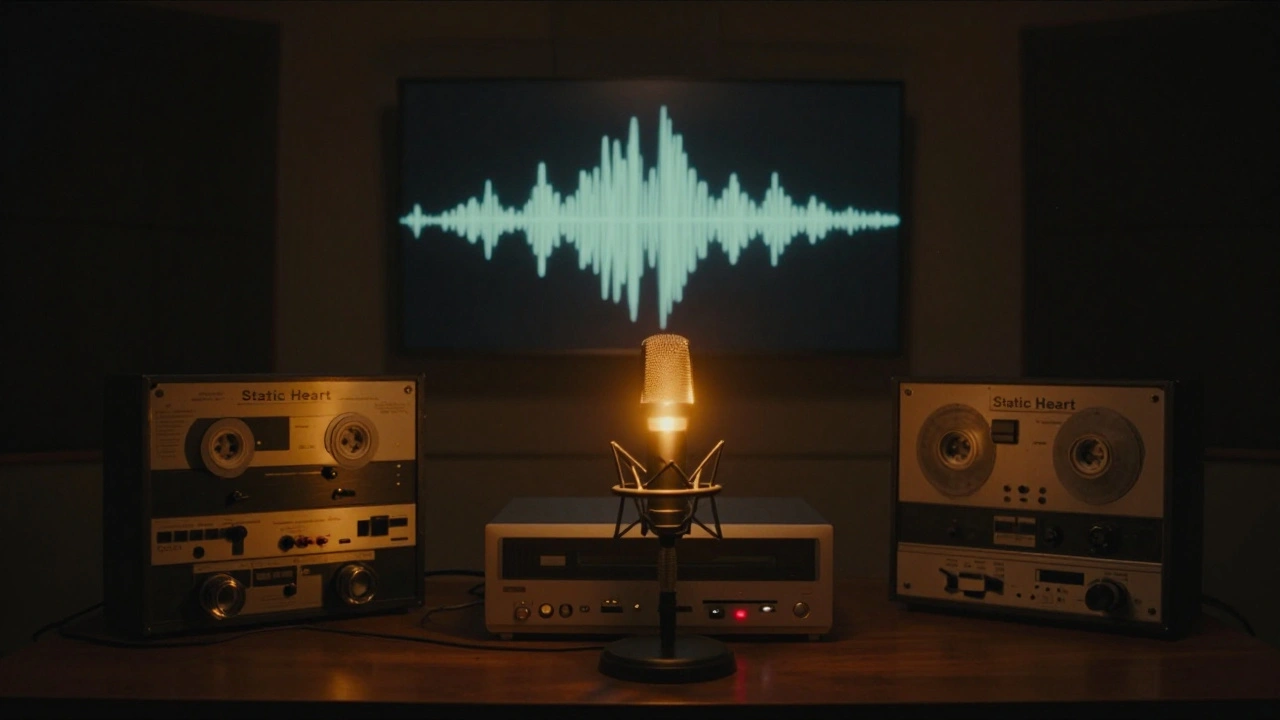
Static Heart opened the door. It starts with a distorted vocal sample, chopped and reversed like an old VHS tape skipping. Then, a bassline kicks in - not the smooth, rounded kind from her earlier work, but something jagged, almost industrial. The drums are programmed, not live, and they click like a heartbeat monitored by a hospital machine. This wasn’t the Alli Starr fans expected. But the chorus? That was unmistakable. Her voice, clear and aching, cuts through the noise like a signal finding its frequency. It’s the sound of someone trying to reconnect with themselves after years of silence.
Neon Ghost: Synths Meet Soul
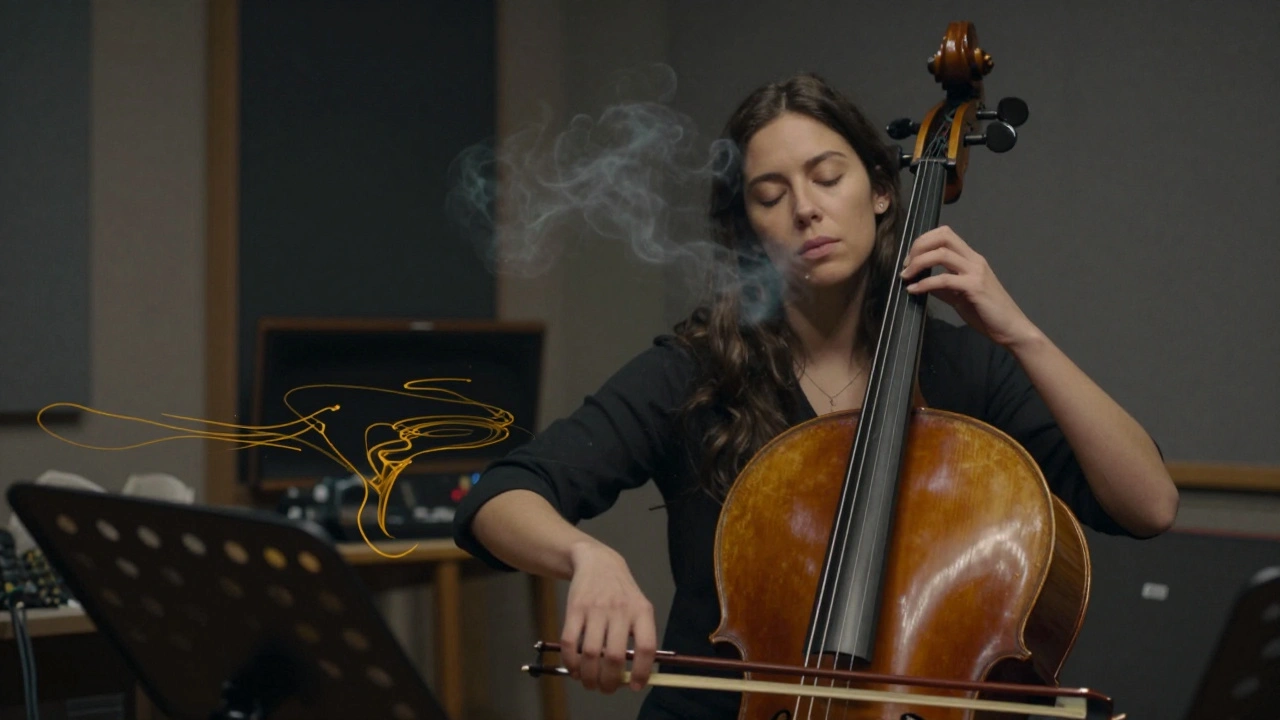
If Static Heart was a warning, Neon Ghost was the invitation. Here, she layers analog synths over live strings recorded in a Brooklyn studio. The strings weren’t sampled. They were played. Real musicians. Real breath. Real bow pressure. You can hear the creak of the wood, the scrape of the bow on the G string. And then, right in the middle, she sings a line in Spanish - not as a gimmick, but because it’s the language she whispers to herself when she’s scared. The song doesn’t translate it. It doesn’t explain. It just lets it hang there, raw and honest. That’s the moment you realize: this isn’t just music. It’s autobiography.
Low Tide: The Quiet Rebellion
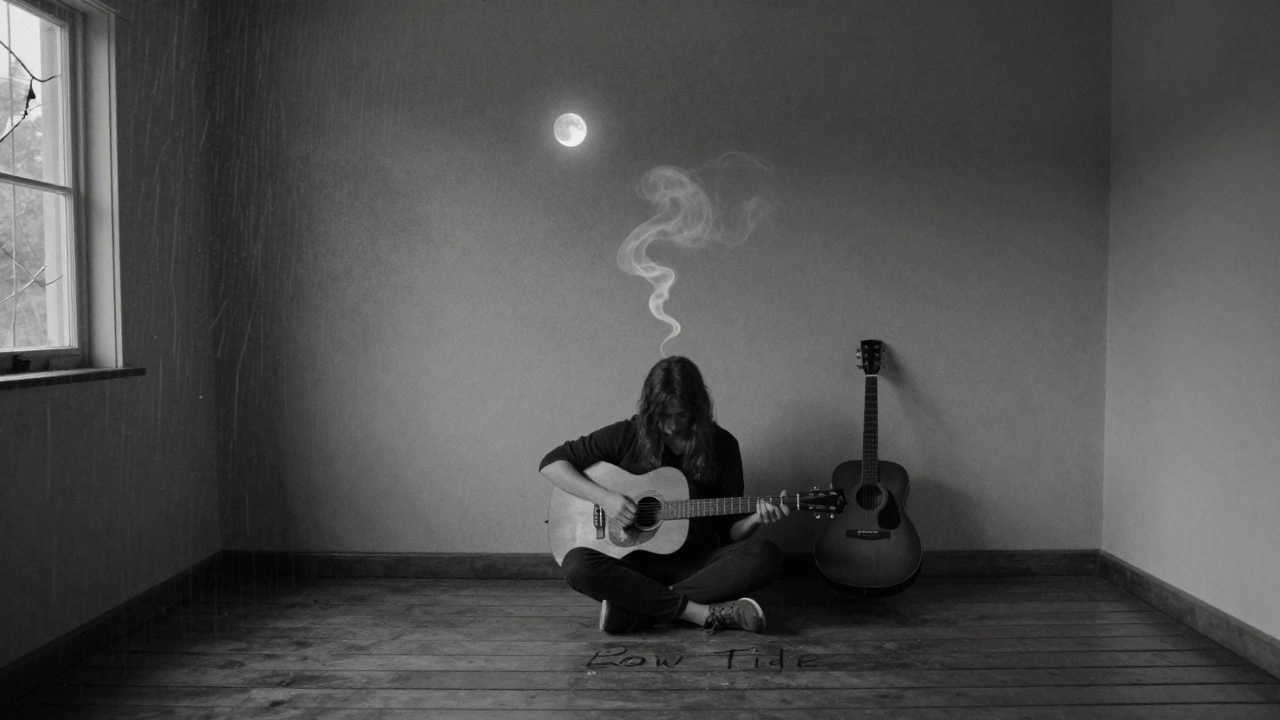
Most artists would’ve followed up with a big, loud single. Alli went quiet. Low Tide is built on a single acoustic guitar, a room mic, and a looped breath. No percussion. No backing vocals. Just her voice, sometimes doubled, sometimes left alone. The lyrics are sparse: "I didn’t leave you. I just stopped trying to be enough." It’s the kind of song you listen to in the dark, headphones on, eyes closed. No one else could’ve written it. Not because she’s more talented, but because she’s more willing to sit with the uncomfortable silence. This track alone has been streamed over 12 million times - not because it’s catchy, but because it’s true.
Brick by Brick: The Return of the Beat
The final single, Brick by Brick, feels like a victory lap. It’s the only track on the EP with a full band - drums, electric bass, layered harmonies. But even here, she’s playing with structure. The chorus doesn’t resolve the way you expect. It climbs up, then drops into a two-bar instrumental break that sounds like a vinyl record glitching. The bridge? She sings in a lower register, almost spoken, while a distorted guitar mimics the sound of a door slamming shut. It’s not a happy ending. It’s a hard-won one. And it’s the most defiant thing she’s ever released.
What Changed?
It’s easy to say she "grew up." But that’s not it. She didn’t just mature. She deconstructed. She started working with producers outside her usual circle - someone from the noise scene in Berlin, a jazz arranger from New Orleans, a field recorder who spent years capturing rain in the Amazon. She let them in. She let them break her rules. And in doing so, she found new ways to say what she needed to say.
Her voice still carries the same vulnerability. But now, it’s not just a sound - it’s a tool. She uses it to whisper, to scream, to harmonize with herself, to layer echoes from different times in her life. The synths aren’t just pretty anymore. They’re tense. The drums aren’t just rhythmic. They’re emotional. Every choice feels intentional.
Why It Matters
In a world where pop stars release three singles a month just to stay relevant, Alli Starr took her time. She didn’t chase trends. She didn’t remix her old hits. She went inward. And what came out wasn’t just new music. It was a new version of herself. Listeners aren’t just hearing songs. They’re hearing a person evolve - slowly, messily, beautifully.
If you only knew her from Summer in Slow Motion, you might not recognize this Alli. But if you listen closely - really listen - you’ll hear the same heart. Just louder. Wiser. More alive.
What inspired Alli Starr’s shift in sound on her latest singles?
Alli Starr’s shift came from stepping outside her comfort zone. She collaborated with producers from wildly different backgrounds - noise artists, jazz musicians, and field recordists - and let them challenge her usual methods. She also spent months recording in unconventional spaces: an abandoned church, a subway tunnel in Chicago, and a cabin in northern Maine. These environments shaped the textures of the songs, pushing her to use her voice and instruments in new ways.
Are the new singles available on vinyl or cassette?
Yes. The entire Wires & Wildfires EP was pressed on limited-edition vinyl (500 copies, marbled black and red) and cassette (300 copies, with a hand-screened cover). Both are sold out through her official site, but resale copies occasionally appear on Discogs. She’s hinted at a possible repress later this year.
Has Alli Starr talked about her influences on these new tracks?
In interviews, she’s cited experimental artists like FKA twigs, Björk’s Homogenic era, and the ambient work of Harold Budd. But she also mentions lesser-known influences: a 1970s Japanese folk singer named Yuki Hoshino, and the field recordings of the Rainforest Sound Archive. She says the quietest moments on Low Tide were inspired by listening to rain on a tin roof for 12 hours straight.
Did Alli Starr write all the lyrics herself?
Yes. All lyrics on the EP are written solely by Alli Starr. She kept a journal during the recording process and used phrases from it directly in the songs. One line in Neon Ghost - "I’m not lost, I’m just not home yet" - was copied verbatim from a note she wrote after a panic attack in a hotel room in Berlin.
Is there a music video for each single?
There are visual companion pieces for each track, but they’re not traditional music videos. Instead, they’re short, silent films shot in black and white, directed by a former documentary filmmaker. Each one focuses on a different object - a cracked mirror, a rusted bicycle, a single shoe in the snow - and uses movement to reflect the emotion of the song. They’re available on her YouTube channel under the playlist Wires & Wildfires: Visual Fragments.