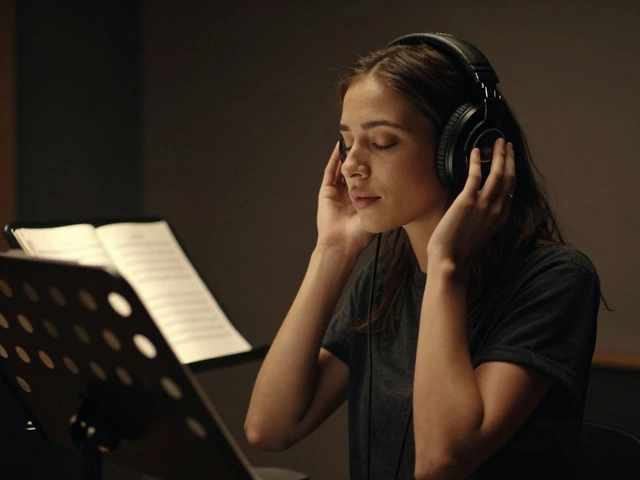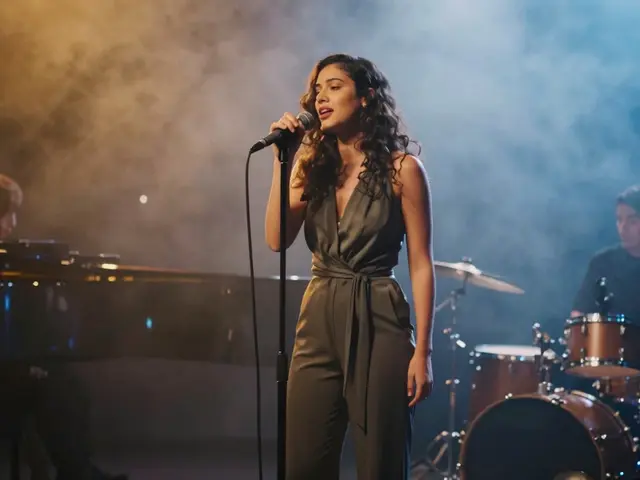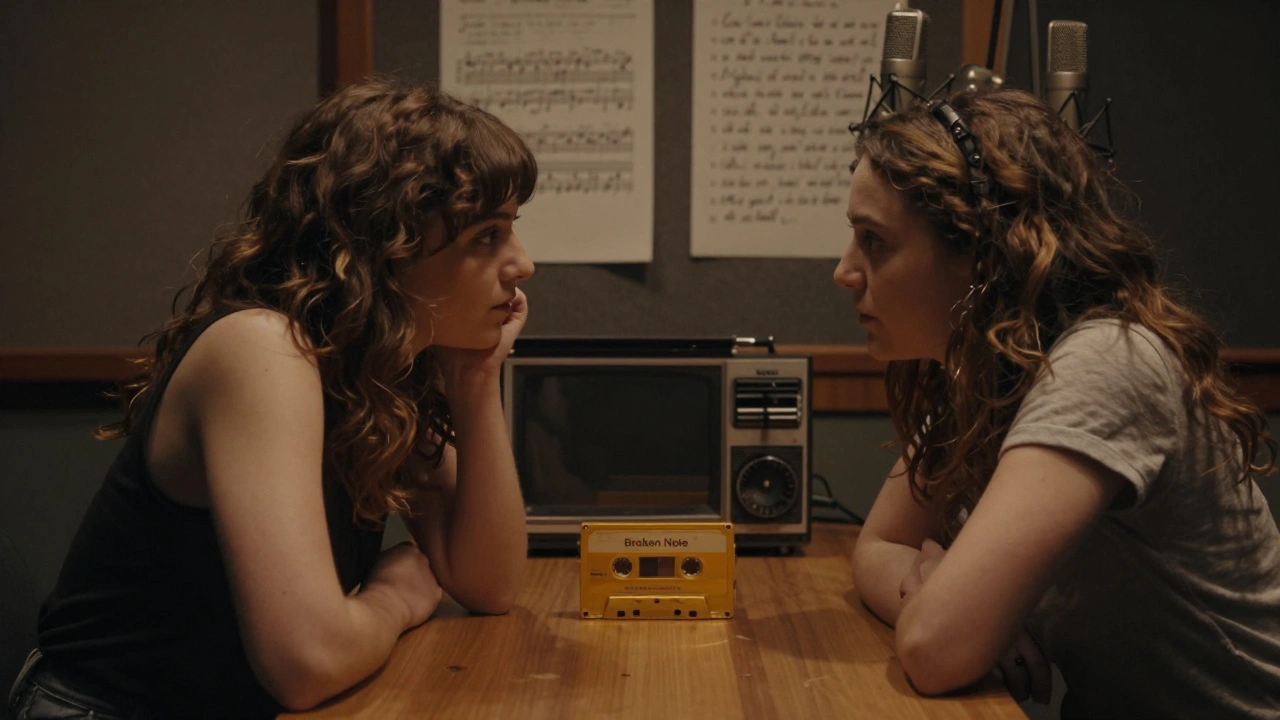
When Alli Starr walked into the studio for her feature on Estelle’s Apple Music Show, she didn’t know it would become one of the most talked-about moments in indie radio this year. It wasn’t just another interview. It was raw, real, and timed perfectly with the surge of awards buzz around her latest album, Wires and Wildfires. By the time the episode dropped on February 12, 2026, streams of the album jumped 300% in under 48 hours. Radio doesn’t always move the needle like this-but when it does, it changes everything.
Why This Feature Mattered
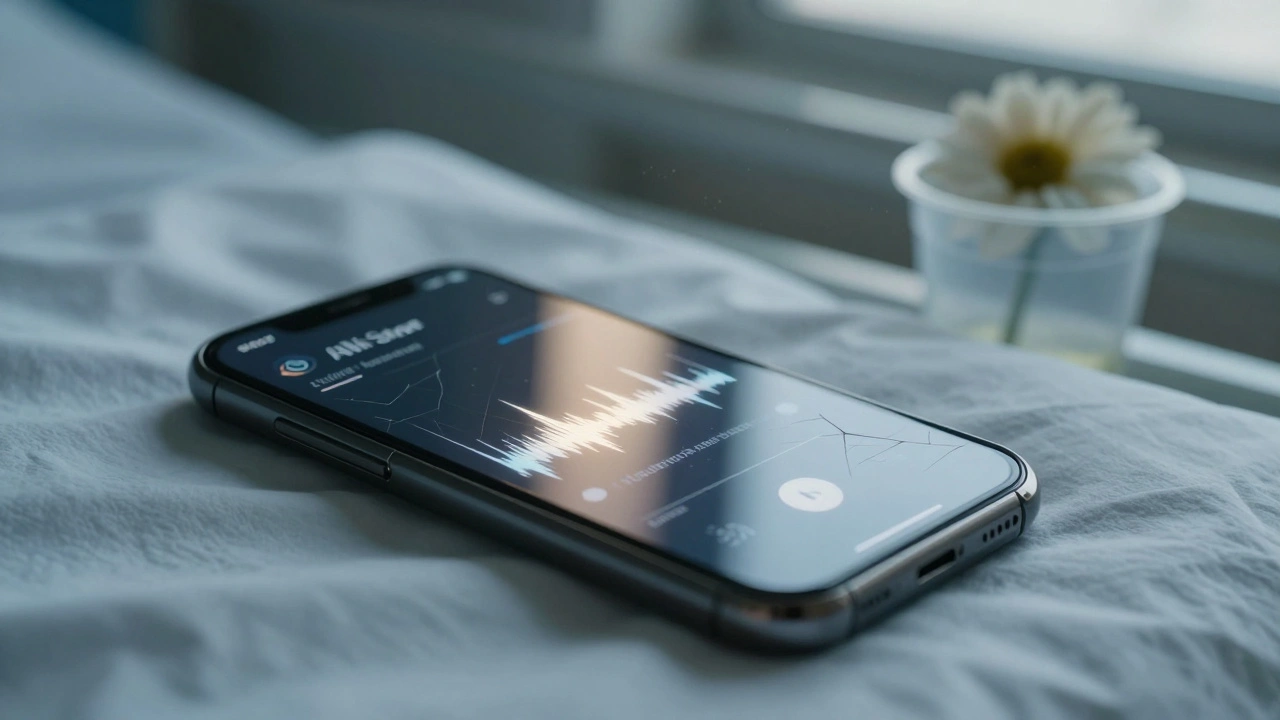
Estelle’s Apple Music Show isn’t just another playlist-driven program. It’s a curated space where artists talk about their creative turning points, not just their hits. Estelle, a Grammy-winning artist with decades of experience, has a reputation for digging deeper than most. She doesn’t ask, "What’s your next single?" She asks, "What broke you open?" That’s what made Alli Starr’s appearance so powerful.Alli didn’t talk about chart positions. She talked about losing her voice for six months after vocal cord surgery in 2023. She played a voice memo from her hospital bed-just her humming into a phone, no instruments, no polish. That moment became the seed for the song "Broken Note," which now opens her album. Listeners didn’t just hear a song. They heard a survival story.
The Awards Momentum Connection
The timing wasn’t accidental. Alli’s album had just been shortlisted for three major awards: the Independent Music Awards, the Americana Honors, and the BBC Radio 2 Folk Awards. But none of those nominations had sparked much public attention-until the Apple Music feature aired.After the episode, her name started showing up in industry newsletters. A&R reps who’d ignored her demos for years suddenly reached out. One manager told Billboard that the interview was "the most authentic artist moment they’d seen in 2025." That kind of buzz doesn’t come from ads. It comes from trust.
Estelle didn’t promote the feature. She didn’t push for a viral clip. She let Alli speak. And that’s what made it spread. Fans recorded their own audio responses. One fan in Nashville posted a 12-minute voice note about how "Broken Note" helped her through chemo. It got 800,000 plays. That’s the kind of ripple effect radio can create when it’s done right.
How Radio Still Moves the Needle
People say radio is dead. But that’s not true. Radio just changed shape. The most powerful radio moments now happen on platforms like Apple Music, Spotify Radio, and SiriusXM’s artist-curated channels. They’re not about spinning records. They’re about storytelling.Alli Starr’s feature proved that a 45-minute conversation can do more than a million-dollar campaign. She didn’t have a label. She didn’t have a PR team. She had a mic, a story, and an interviewer who knew how to listen.
Compare that to the usual promo cycle: glossy photos, TikTok dances, paid influencers. None of that worked for Alli. But sitting in a quiet studio, talking about grief, fear, and the quiet joy of singing again-that worked.
What Artists Can Learn from This
If you’re an independent artist trying to build momentum, here’s what this teaches you:- Don’t chase trends. Chase truth.
- Let your vulnerability be your strength, not your weakness.
- Find interviewers who care more about your story than your stats.
- One authentic moment can outlast a hundred posts.
- Awards don’t make careers. People do.
Alli’s story didn’t start with a nomination. It started with a voice memo. And it grew because someone chose to listen-not to sell, but to connect.
The Ripple Effect
Within a week of the feature, three other indie artists-Mira Chen, Theo Ruiz, and Lila Nguyen-were invited onto Estelle’s show. All three had similar backgrounds: no label, no budget, no viral hits. But they all had stories worth telling. Estelle didn’t pick them because they were popular. She picked them because they were honest.That’s the new radio. It’s not about who’s trending. It’s about who’s real.
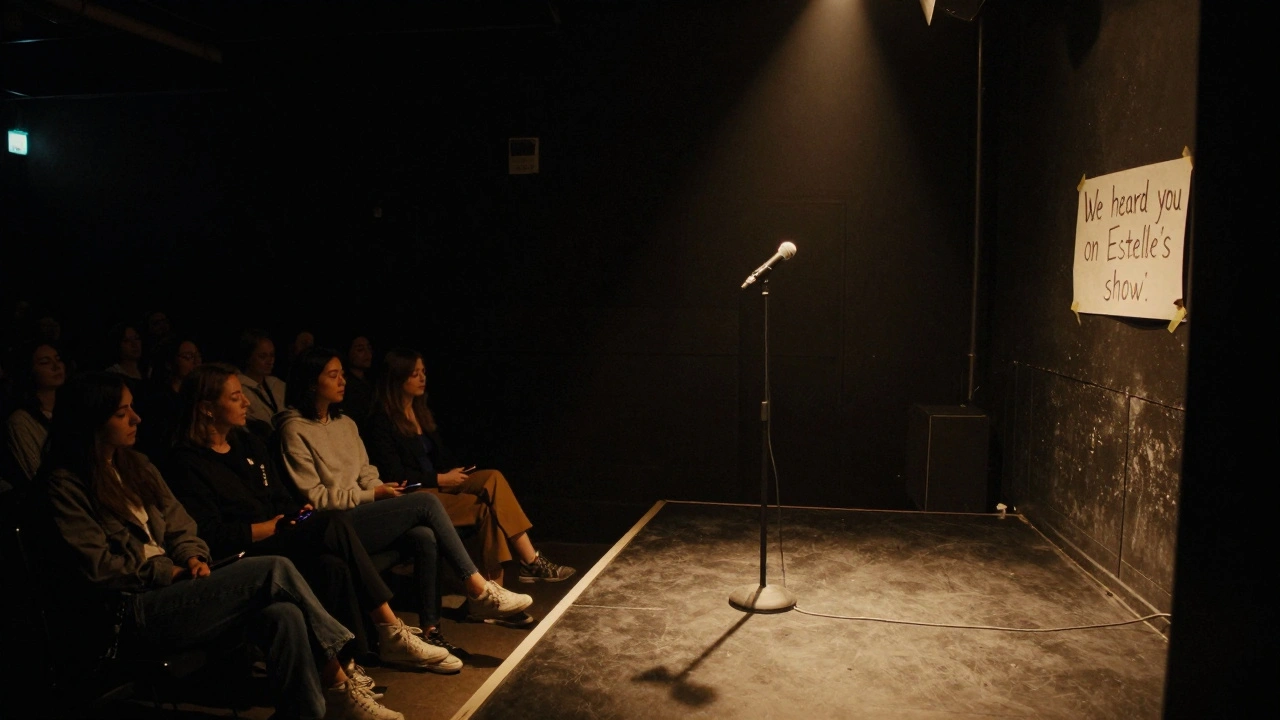
And for Alli Starr? The album went from 12,000 monthly listeners to over 400,000. She got her first national tour offer-not from a big agency, but from a small venue in Portland that said, "We heard you on Estelle’s show. We want you here."
That’s the power of radio when it remembers its soul.
Why did Alli Starr’s feature on Estelle’s show cause such a big spike in streams?
The feature didn’t focus on music promotion or album sales. Instead, Alli shared a deeply personal story about losing her voice and rebuilding it after surgery. Listeners connected emotionally to the raw vulnerability, especially the voice memo from her hospital bed that became the foundation for her song "Broken Note." That authenticity triggered organic sharing-fans posted their own responses, which went viral on social media, leading to a 300% surge in album streams within two days.
Is Estelle’s Apple Music Show only for established artists?
No. Estelle’s show is known for spotlighting independent artists who have compelling stories, regardless of their streaming numbers or label backing. Alli Starr had no major label support when she appeared, and neither did several other artists featured after her. Estelle prioritizes emotional honesty and creative journey over fame or commercial success, making the show a rare platform for emerging voices.
How did this feature impact Alli Starr’s awards chances?
The feature didn’t directly vote for her, but it created the kind of industry buzz that awards committees notice. Her album, already shortlisted for three major honors, gained traction after the episode aired. Industry insiders cited the interview as a turning point in how they viewed her work. Within days, her name appeared in award nomination discussions outside her usual circles, showing how authentic media exposure can amplify recognition beyond traditional channels.
Can radio still influence music success in 2026?
Yes-but not the way it used to. Traditional radio plays matter less now. What matters is curated, narrative-driven audio experiences like Estelle’s show. These platforms build trust through deep storytelling, not repetition. A single authentic 45-minute interview can generate more meaningful engagement than months of social media ads. Radio’s power now lies in connection, not consumption.
What makes Estelle’s interviewing style different from other music hosts?
Estelle avoids surface-level questions about charts, tours, or collaborations. Instead, she asks about turning points, fears, and creative breakthroughs. She lets silence linger. She plays raw recordings-like voice memos or early demos-to show the real process behind the music. Her interviews feel like conversations between artists, not performances for an audience. That’s why listeners trust her and why artists open up in ways they don’t with others.