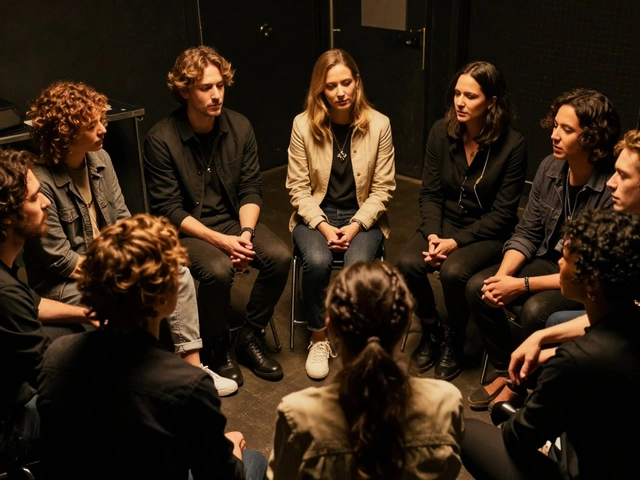
Most musicians live in a state of constant financial whiplash. One month you might clear five figures from a tour; the next, you’re scraping by on streaming royalties that barely cover your coffee habit. It’s exhausting, and it kills creativity. But Alli Starr, an independent country singer-songwriter based in Nashville, has cracked a code that many of her peers are still struggling with: she treats artist residencies not just as creative retreats, but as reliable revenue streams.
If you’ve followed Alli’s career, you know she doesn’t rely on a major label advance to keep the lights on. Instead, she leverages structured partnerships with venues, brands, and organizations to create predictable income. This approach shifts the power dynamic. You stop begging for gigs and start offering value that pays you upfront or guarantees steady returns. Here is how you can replicate this strategy to stabilize your own music business.
The Shift from Gig Hunting to Strategic Partnerships
The traditional model for working musicians is reactive. You see a gig posted, you apply, you hope you get it, and then you wait to get paid-often weeks later. Alli Starr flips this script by being proactive. She identifies venues and organizations that need consistent programming and offers herself as the solution.
This isn’t about playing open mics. It’s about securing exclusive residency deals. Think of a high-end hotel lobby, a boutique coffee chain, or a corporate event space. These places need atmosphere. They need talent that draws crowds without causing a rowdy night out. By becoming the "resident" artist, you become part of their brand identity. In exchange, they pay you a guaranteed fee, often weekly or monthly, regardless of how many people show up. That guarantee is the foundation of predictable revenue.
Alli’s success comes from packaging her performance as a service that solves a problem for the venue. She doesn’t just say, "I want to play here." She says, "I will bring a curated audience to your space every Thursday, enhancing your brand image while providing consistent entertainment." That changes the conversation from charity to commerce.
Structuring the Deal for Stability
To make a residency truly predictable, the contract needs to be ironclad. Many artists fail here because they accept vague verbal agreements. Alli insists on written contracts that specify payment terms, cancellation policies, and exclusivity clauses.
- Guaranteed Base Pay: The venue pays a fixed amount per appearance. This covers your baseline costs.
- Revenue Share Upside: If the residency drives sales (like bar tabs or merchandise), you take a percentage. This aligns your incentives with the venue’s success.
- Long-Term Commitment: Aim for six-month or one-year contracts. Short-term gigs don’t provide stability. A long-term deal allows you to plan your budget and schedule other work around this anchor income.
- Exclusivity Radius: Define where else you can play. If the venue wants you exclusively, they should pay a premium. If you can play nearby spots, ensure there’s no conflict of interest.
This structure removes the anxiety of "will I get paid?" You know exactly when money hits your account. For Alli, this predictability allows her to invest in recording and marketing without fearing a dry spell.

Diversifying Beyond Live Venues
While live venues are the obvious choice, Alli Starr expands the concept of residencies into digital and corporate spaces. This diversification protects against industry shocks, like pandemic lockdowns or local economic downturns.
Corporate entertainment is a massive untapped market for independent artists. Companies host client dinners, product launches, and holiday parties. They need background music that feels authentic but professional. By positioning yourself as a corporate residency partner, you secure high-paying gigs that often include travel accommodations and bonuses.
Digital residencies are another frontier. Brands sponsor content creators who produce regular videos, podcasts, or live streams. Alli partners with lifestyle brands to create exclusive content series. She gets a flat fee for producing ten episodes, plus backend royalties if the content goes viral. This mirrors the traditional record deal model but keeps the artist in control of the master recordings and data.
| Residency Type | Predictability | Income Potential | Effort Required |
|---|---|---|---|
| Live Venue Residency | High (Weekly/Monthly) | Medium | Low (Local travel) |
| Corporate Gigs | Medium (Event-based) | High | Medium (Travel/Prep) |
| Digital Brand Partnership | High (Contractual) | Variable | High (Content Creation) |
| Tour Support | Low (Seasonal) | Low | Very High |
Leveraging Data to Attract Partners
Venues and brands care about numbers. To command higher fees and secure longer contracts, you need to prove your value. Alli Starr uses simple analytics to demonstrate her impact. She tracks social media engagement during residency dates, measures foot traffic increases, and collects email sign-ups from attendees.
When negotiating a renewal, she presents a report showing: "During my three-month residency, your Instagram following grew by 15%, and Thursday night sales increased by 10%." This data transforms you from a cost center to a profit driver. It makes saying "no" to renewing your contract difficult for the venue owner.
You don’t need expensive software to do this. Use free tools like Google Analytics for website traffic, native social media insights, and simple spreadsheets to track ticket sales or merch purchases linked to specific events. Consistency in reporting builds trust and justifies rate increases year over year.

Building a Personal Brand Around Reliability
In the music industry, reliability is rare. Show up late, miss cues, or act difficult, and word spreads fast. Alli Starr has built a reputation for being easy to work with, professional, and consistent. This reputation opens doors that talent alone cannot.
When you are known as the artist who always delivers a great show, respects the venue’s rules, and promotes the event actively, venues prefer you over more famous but difficult acts. This preference allows you to negotiate better terms. You become the safe bet. In business, being the safe bet is incredibly lucrative.
Invest in your professionalism. Respond to emails promptly. Have a clean press kit ready. Treat stage managers and bartenders with respect. These small actions compound over time, creating a network of advocates who recommend you for new residencies. Word-of-mouth referrals are the most powerful tool for finding hidden opportunities.
Integrating Residencies with Your Broader Career
A residency shouldn’t isolate you from the rest of the music world. Use the stable income from residencies to fund riskier projects. Alli uses her residency earnings to finance album production, music video shoots, and targeted ad campaigns. This creates a flywheel effect: the residency pays for the marketing, which grows the fanbase, which leads to more touring opportunities, which reinforces the residency value.
Don’t view residencies as a ceiling. View them as a foundation. They provide the safety net that allows you to take creative risks. Without that safety net, many artists burn out trying to hustle for every dollar. With it, you can focus on making art that resonates, knowing your bills are covered.
The key is balance. Don’t let the residency consume all your energy. Schedule blocks of time for songwriting, networking, and exploring new markets. Keep your skills sharp and your network active. The goal is to build a diversified income portfolio where residencies are one strong pillar among many.
How much can an independent artist earn from a residency?
Earnings vary widely based on location and venue type. A local coffee shop might pay $100-$200 per session, while a high-end hotel or corporate event could offer $500-$1,500 per appearance. Monthly residencies at premium venues can generate $2,000-$5,000+ in guaranteed income. Corporate gigs often pay significantly more, ranging from $1,000 to $5,000 per event.
Do I need a manager to secure residency deals?
Not necessarily. Many independent artists handle their own bookings initially. However, as you scale, a manager or booking agent can help negotiate better terms and access larger networks. Start by pitching directly to venue owners and brand managers. As you gain traction, consider hiring representation to manage logistics and contracts.
What if the venue cancels my residency?
This is why written contracts are essential. Include a cancellation clause that requires the venue to pay a penalty fee if they cancel without sufficient notice. This protects your income and discourages last-minute cancellations. Always have a backup plan, such as alternative gigs or remote work opportunities, to mitigate financial impact.
Can I combine multiple residencies?
Yes, but be cautious of conflicts. Ensure your residencies don’t overlap geographically or temporally. Some venues may require exclusivity within a certain radius. Negotiate these terms carefully. Combining residencies can maximize income, but only if you can deliver consistently without burning out.
How do I pitch myself for a residency?
Create a professional one-sheet highlighting your genre, audience demographics, and past successes. Reach out to venue managers or brand marketing directors directly. Offer a trial period to showcase your value. Emphasize how your presence enhances their brand and drives customer engagement. Follow up politely but persistently.