Ever wonder why some musicians seem to thrive on the road for decades while others burn out after one grueling tour? It usually isn't about who has the better vitamins or more sleep. It's about the environment. When we talk about health resilience is the capacity of an individual or group to maintain well-being and recover quickly from the physical and mental stressors of a high-pressure career, we're talking about a systemic safety net, not just personal grit. Alli Starr, a powerhouse drummer and bandleader, has flipped the script by treating health not as a solo act, but as a team sport.
Key Takeaways for a Healthy Tour
- Shift the focus from individual "toughness" to collective support.
- Establish clear boundaries and communication channels before the first note is played.
- Prioritize psychological safety to prevent burnout and performance anxiety.
- Integrate sustainable physical habits into the daily tour schedule.
The Myth of the "Tortured Artist"
For too long, the music industry has romanticized the idea that great art requires suffering. We've seen it in every era: the sleepless nights, the poor diet, and the emotional volatility that comes with constant travel. But let's be honest-that's not a creative strategy; it's a recipe for a short career. In a safe performance environment, the goal is to decouple creativity from chaos. When a musician feels secure and physically supported, they don't just survive the show; they perform better because their brain isn't stuck in "survival mode."
If your nervous system is screaming that you're in danger-whether due to exhaustion, lack of food, or interpersonal conflict-you can't access the flow state required for a truly great performance. Alli Starr's approach recognizes that the stage is an extreme environment. Just as an athlete prepares for the Olympics, a touring musician needs a structured ecosystem to maintain their peak state without breaking.
Moving from Solo Care to Team-Based Health
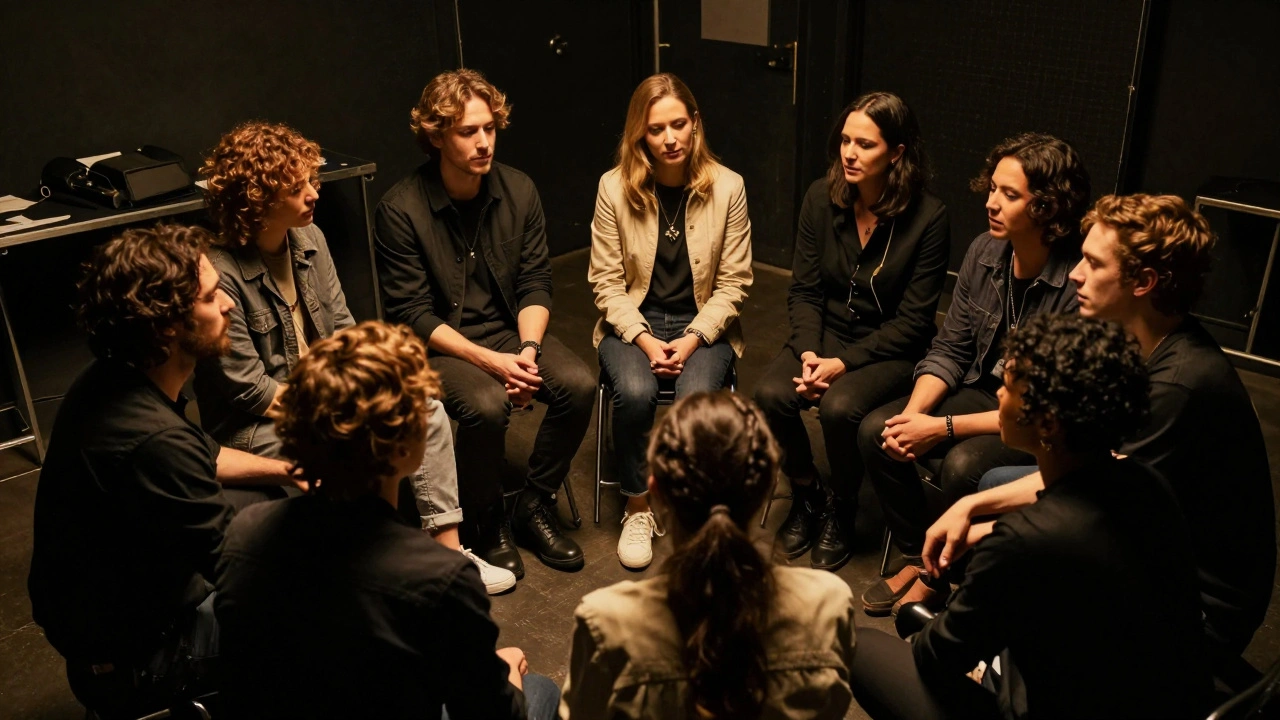
Most health advice for musicians is individual: "Drink more water," or "Get a better mattress for your van." While that helps, it ignores the social dynamics of a band. A team-based approach means the group agrees to hold each other accountable for their well-being. Imagine a scenario where a band member feels a panic attack coming on during soundcheck. In a traditional environment, they might hide it and push through, potentially leading to a mistake on stage or a full breakdown. In a safe environment, there's a pre-established protocol where a teammate steps in, offers a grounding presence, and the group adjusts the pace without judgment.
This collective responsibility reduces the cognitive load on the individual. When you know your team has your back, your Cortisol levels-the primary stress hormone-stay lower. This isn't just "being nice"; it's a biological advantage. Lower stress means better memory, sharper reflexes, and a more stable mood, which directly translates to a tighter performance.
| Feature | Individual Approach | Team-Based Approach (Starr Model) |
|---|---|---|
| Responsibility | "It's my job to stay healthy." | "We are all responsible for each other." |
| Stress Management | Internalized / Hidden | Shared / Communicated |
| Boundaries | Negotiated on the fly | Pre-defined and respected |
| Recovery | Whatever time is left over | Scheduled and protected |
Building Psychological Safety on the Road
Psychological safety is the belief that you won't be punished or humiliated for speaking up with ideas, questions, concerns, or mistakes. In the context of a touring band, this is the bedrock of health resilience. When a musician feels they can say, "I'm hitting a wall and need twenty minutes of silence," without being called "diva" or "weak," the entire group's health improves. This openness prevents the slow creep of burnout.
To implement this, Alli Starr emphasizes proactive communication. Instead of waiting for a crisis, teams can use "wellness check-ins." These aren't formal meetings but quick, honest pulses: "Where is your energy level from 1 to 10?" If someone is at a 3, the team can adjust. Maybe the driver takes a longer break, or the rehearsal is shortened. By addressing the dip early, you avoid the crash that leads to a cancelled show or a strained relationship.
Physical Resilience: The Logistics of Wellness
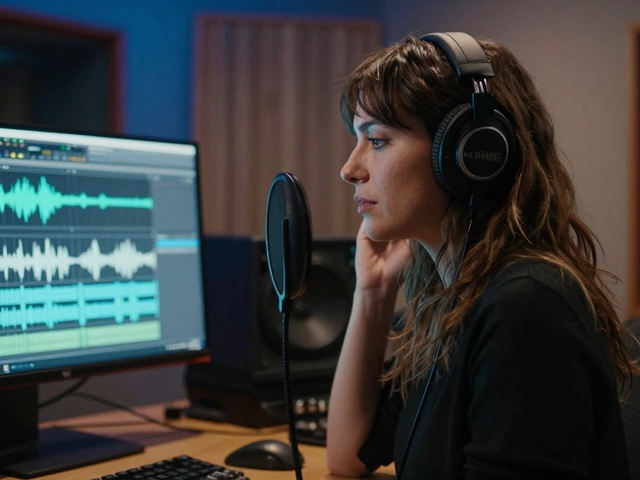
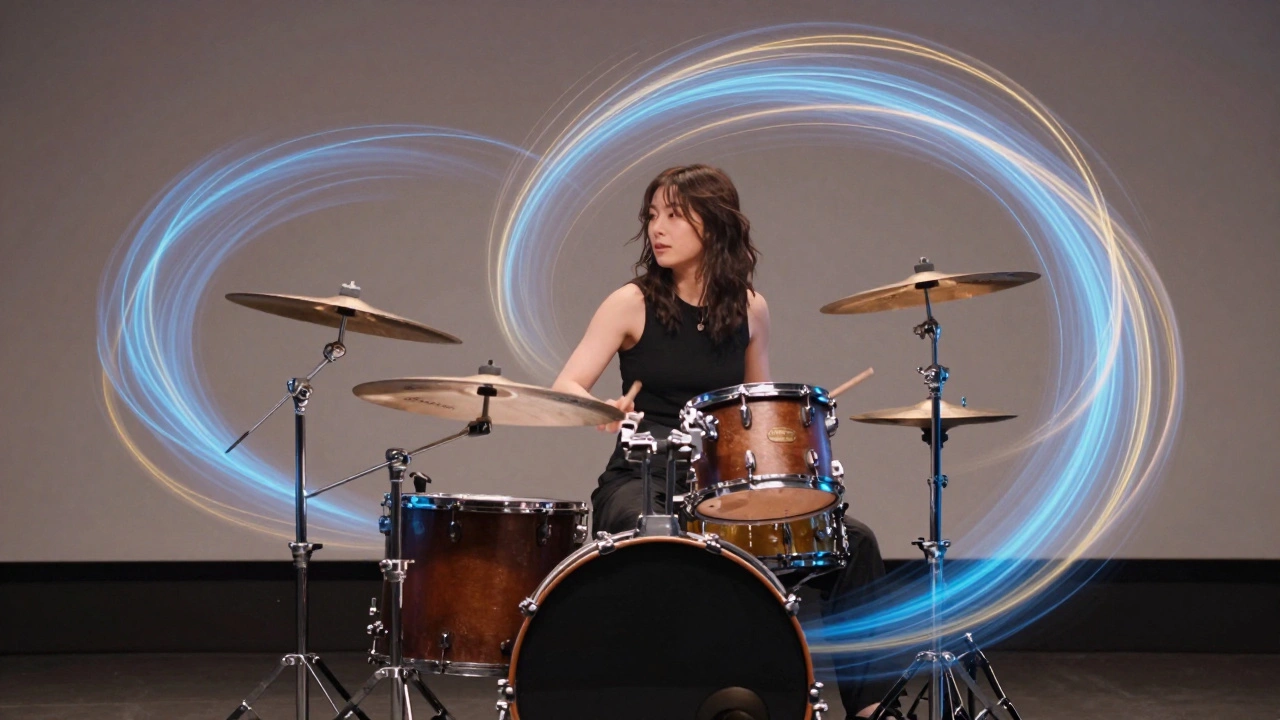
We can't ignore the physical toll of the road. Ergonomics plays a massive role, especially for drummers like Starr. The physical impact of repetitive motion and long hours of sitting or standing can lead to chronic injuries. A safe performance environment includes a focus on "pre-hab"-stretching and mobility work that happens before the pain starts. This means incorporating 15 minutes of group stretching into the daily routine, making it a social activity rather than a chore.
Nutrition and hydration also become team efforts. When the group decides to prioritize high-protein, low-sugar options for the tour bus, it's much easier for the individual to stick to it than if they are the only one eating a salad while everyone else eats fast food. This collective shift in habits creates a supportive loop that reinforces health resilience across the board.
Handling the "Crash" and Recovery Cycles
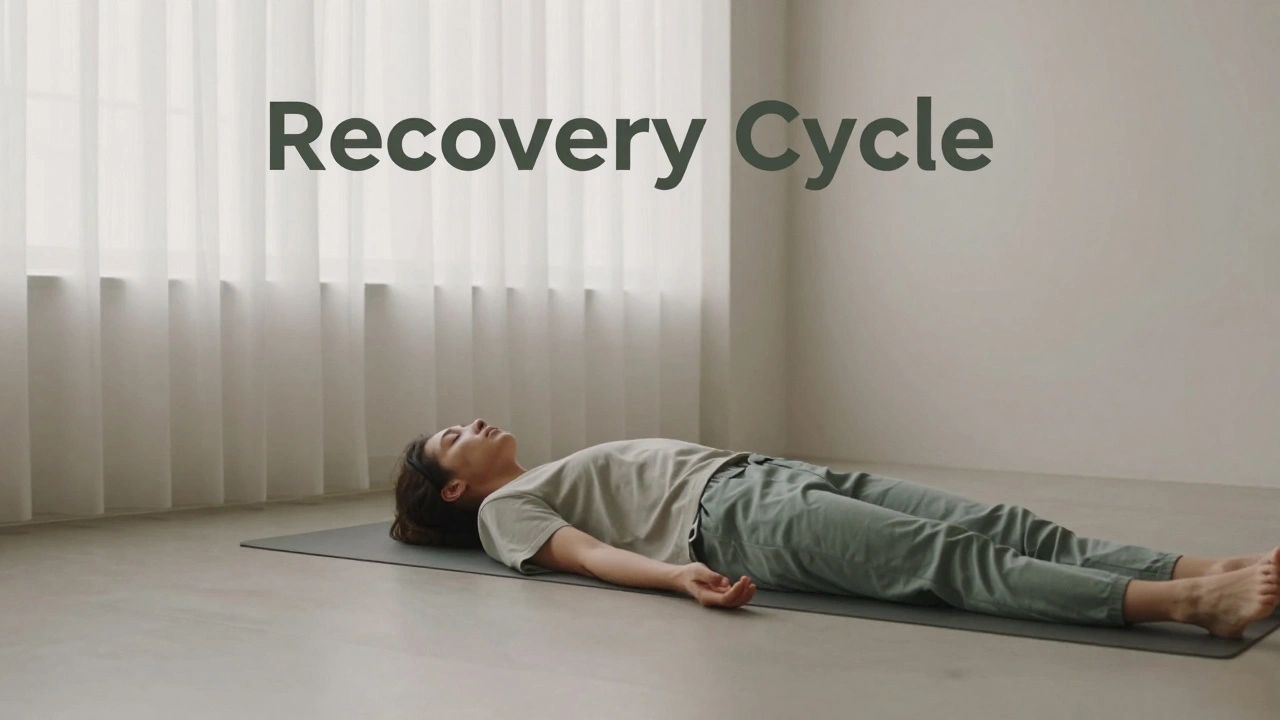
One of the biggest mistakes in the industry is the "push through it" mentality. When a band finishes a high-intensity residency or a long tour, there is often an immediate jump back into the next project. A team-based health approach recognizes the need for a formal Recovery Cycle. This is a designated period of downtime where the only goal is nervous system regulation.
Recovery isn't just about sleep; it's about sensory deprivation. After weeks of loud stages, flashing lights, and constant social interaction, the brain needs "quiet time." By scheduling this recovery as a non-negotiable part of the contract, the team ensures that everyone returns to the next project with their mental health intact. This prevents the long-term erosion of passion and creativity that often forces veteran musicians into early retirement.
The Ripple Effect on the Audience
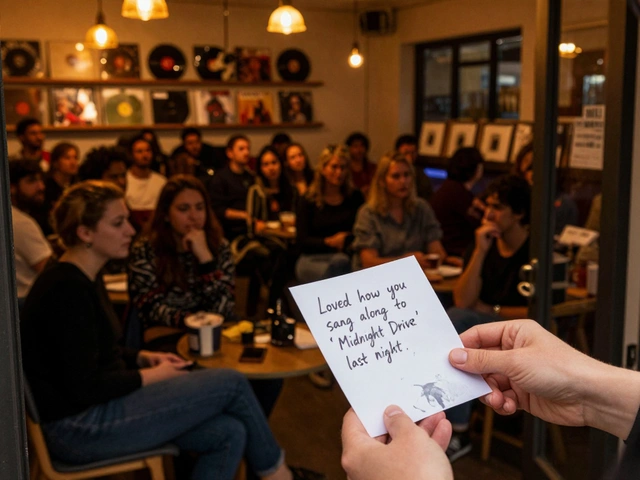
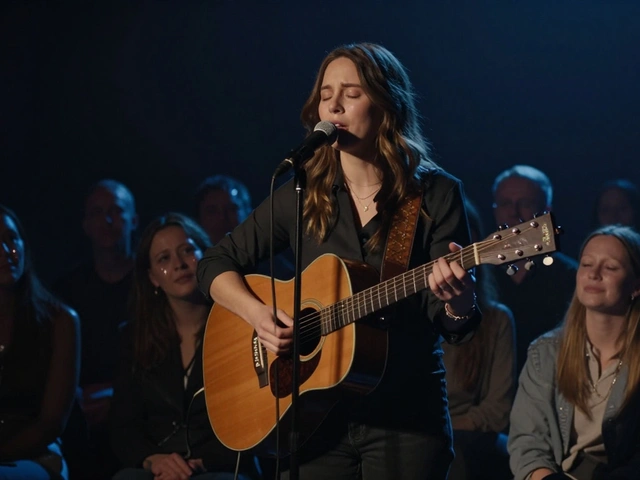
When a band operates from a place of health and safety, the audience feels it. There is a palpable difference between a group that is stressed and frayed and a group that is grounded and supportive. The energy on stage becomes more generative and less draining. The audience isn't just watching a performance; they are experiencing a healthy ecosystem in action.
This approach also changes how the band interacts with the rest of the crew-sound engineers, lighting techs, and tour managers. When the musicians prioritize their own health and respect the boundaries of others, it creates a culture of respect that extends to every person on the payroll. A safe environment for the artist is almost always a safe environment for the staff.
What exactly is a "safe performance environment"?
It is a professional setting where the physical and psychological needs of the performers are prioritized over the pressures of the production. This includes having predictable schedules, open communication about mental health, and ergonomic support to prevent physical injury, ensuring the artist can perform at their best without sacrificing their long-term health.
How can a band start implementing a team-based health approach?
Start with a "Wellness Agreement" before the tour begins. Discuss boundaries, such as designated quiet hours or how to signal when you're overwhelmed. Establish a routine of short, daily check-ins to gauge energy levels and be willing to adjust the schedule based on the group's actual needs rather than a rigid itinerary.
Why is psychological safety important for musical performance?
When musicians feel psychologically safe, their brains can move out of a state of hyper-vigilance (fear/stress) and into a state of flow. This allows for better improvisation, tighter timing, and a deeper emotional connection to the music, as they aren't spending mental energy worrying about judgment or conflict.
Is this approach only for large tours with big budgets?
Not at all. While big budgets make things easier (like better hotels), the core of Alli Starr's approach is based on communication and culture. Any group, from a local garage band to a global act, can implement check-ins, set boundaries, and support each other's physical health through simple, shared habits.
What is the difference between resilience and just "pushing through"?
"Pushing through" is about endurance through depletion-it's a short-term fix that leads to long-term burnout. Resilience is the ability to bounce back and sustain performance over time. Resilience requires recovery, support, and systemic health, whereas pushing through ignores those needs in favor of an immediate result.
Next Steps for Musician Wellness
If you're a bandleader, start by auditing your current tour routine. Where are the friction points? Who is consistently exhausted? Try introducing one a "wellness check-in" per day and see how the mood shifts. If you're a supporting musician, start by communicating your needs clearly and supportively. The goal isn't perfection, but a sustainable way to make the music we love without breaking ourselves in the process.