The Core Logic of Emotional Story Arcs
In a standard film, you have dialogue to move the plot. In a music video, your only tools are visual rhythm and the sonic energy of the track. To build a story arc, you have to identify the emotional "anchor points" of the music. Think of the intro as the setup, the first chorus as the first emotional peak, and the bridge as the moment of tension or reflection. If you cut every single clip to the snare drum, you create a rhythmic pattern, but not a story. To create an actual arc, you need to vary the length of your shots. Long, lingering takes during a melodic verse build intimacy and tension. When the beat drops and the chorus hits, rapid-fire cuts create a sense of urgency or chaos. This contrast is what tells the viewer how to feel. If the visuals are always fast, the audience goes numb. If they're always slow, they get bored. The secret is in the oscillation.Manipulating Time and Perception
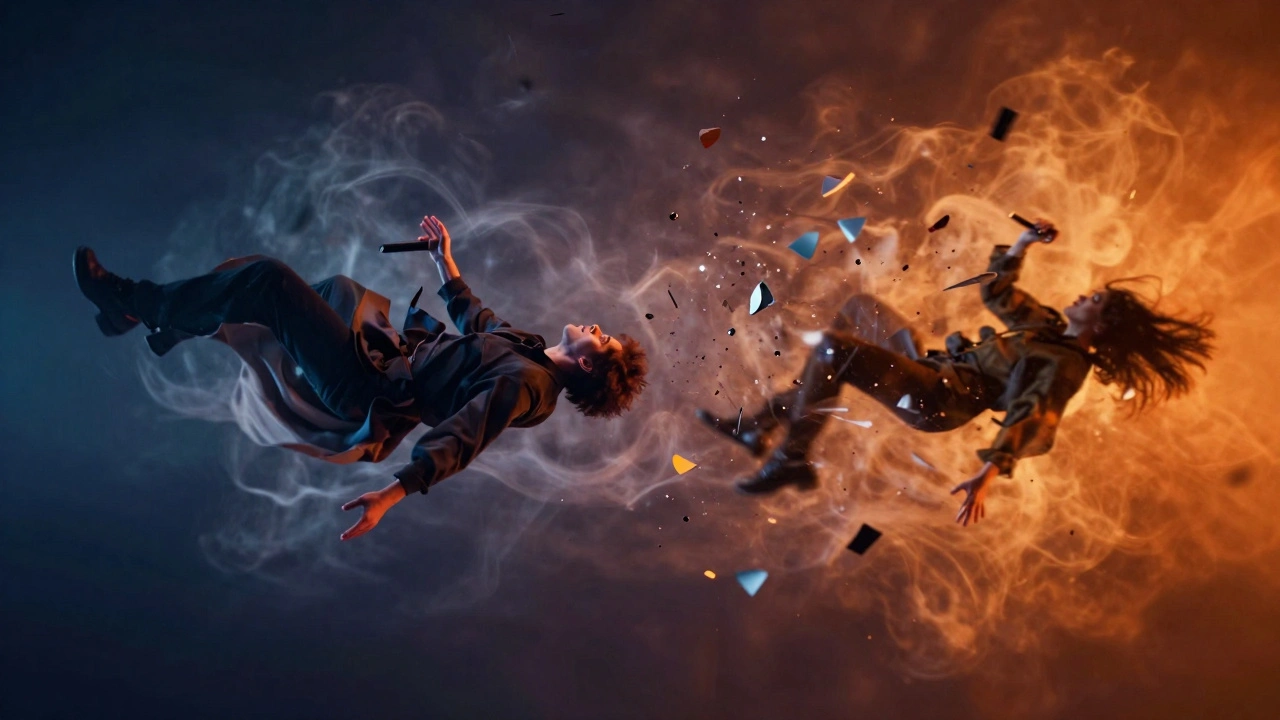
One of the most powerful ways to evoke emotion is by messing with the viewer's perception of time. Time Remapping is a technique where the speed of a clip is dynamically changed within a single shot to emphasize specific moments. Imagine a shot of a singer falling backward. If you play it in real-time, it's just a fall. But if you slow it down exactly as they lose balance, then snap it back to high speed just before they hit the ground, you create a feeling of suspended disbelief and sudden impact. This mimics how we remember traumatic or joyful moments-some parts stretch out, while others flash by in a blink. Another tool in the arsenal is the "match cut." This isn't just about matching a shape; it's about matching an emotion. Cutting from a close-up of a tear falling to a shot of rain hitting a window creates a semantic link between the character's internal grief and the external world. It tells the story without a single word of dialogue.The Psychology of the Cut
Where you place the cut determines the psychological response. A cut on the beat is satisfying, but a cut *slightly before* or *after* the beat creates a feeling of instability or anticipation. This is what professional editors call "playing with the ghost note." When you're editing for emotion, you have to ask: "What is the song trying to say that the lyrics aren't?" If the song is about loneliness but the lyrics are upbeat, the visuals should lean into that loneliness. This creates a "counterpoint" narrative. By showing a character isolated in a crowded room while the music is a dance track, you create a tension that feels more honest than a literal interpretation of the lyrics.| Song Section | Visual Pacing | Intended Emotion | Editing Technique |
|---|---|---|---|
| Intro / Verse | Slow, steady | Intimacy, Curiosity | L-cuts, Long takes |
| Pre-Chorus | Accelerating | Anticipation, Anxiety | Increasing cut frequency |
| Chorus | Fast, rhythmic | Euphoria, Energy | Hard cuts, Glitch effects |
| Bridge | Irregular, floating | Reflection, Loss | Slow motion, Dissolves |
Building Narrative Tension in Post
Story arcs aren't just about the order of shots; they're about the accumulation of information. In the first half of the video, you introduce your "visual motifs." Maybe it's a recurring object, like a cracked mirror, or a specific color palette. Color Grading is the process of altering and enhancing the color of a motion picture, video image, or still image to achieve a specific mood. If you start the video with muted, desaturated tones and gradually introduce warmth and saturation as the song progresses toward a resolution, the viewer feels that emotional shift subconsciously. They don't notice the color change, but they feel the "thaw" in the story. Furthermore, the use of B-Roll-supplemental footage that supports the main action-should be used to provide subtext. Instead of just showing the artist performing, insert fleeting images of a memory or a dream. These "interstitial" shots act as emotional breaths, giving the viewer a moment to process the intensity of the performance before diving back in.Technical Workflow for Emotional Impact
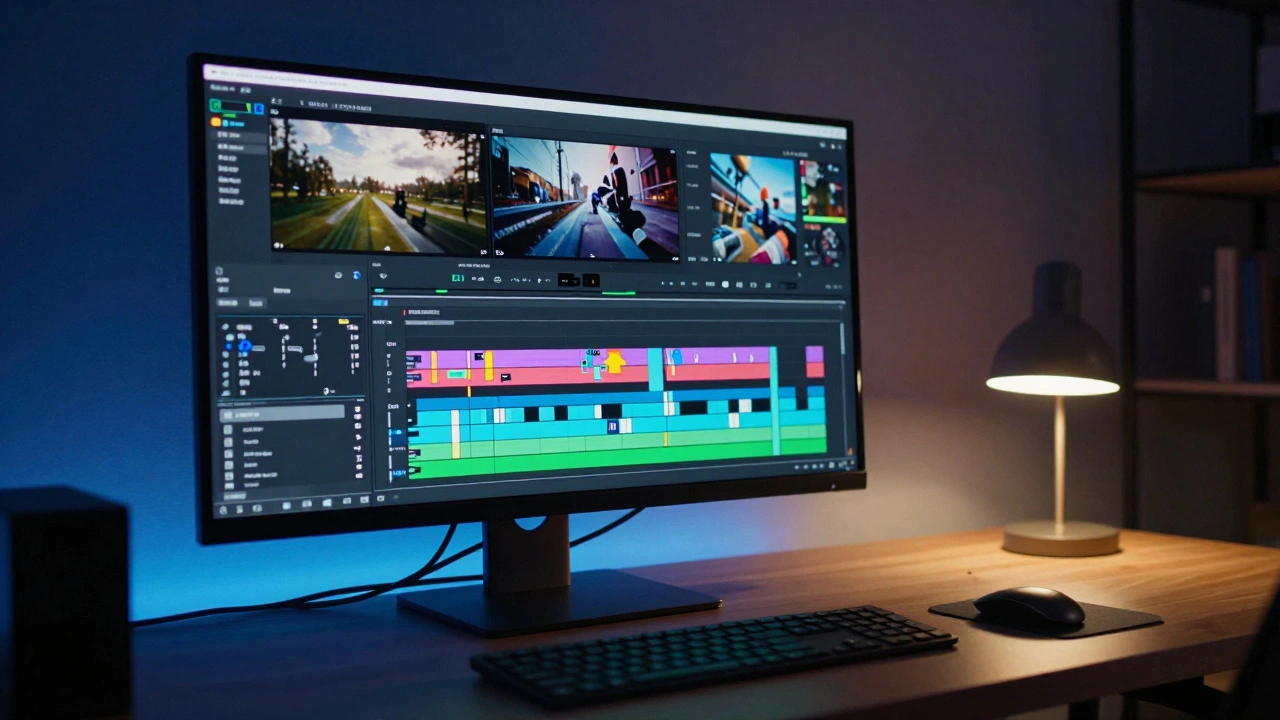
To execute these complex arcs, you need a workflow that allows for experimentation. Most pros use a "three-pass" editing system. First, the Rhythmic Pass. Here, you map out the basic structure. You place your performance shots and ensure the energy of the edit matches the song's BPM. This is the skeleton of the video. Second, the Narrative Pass. This is where you weave in your story elements. You move clips around to create a non-linear feel. You might decide that the ending of the song should actually visually start at the beginning of the video to create a circular narrative. Third, the Polish Pass. This is where you add the fine-tuned emotional triggers. You adjust the timing of a cut by a single frame to make it feel "snappier." You add Sound Design-non-musical sound effects like a door slamming or a distant whisper-that bridge the gap between the music and the visual reality.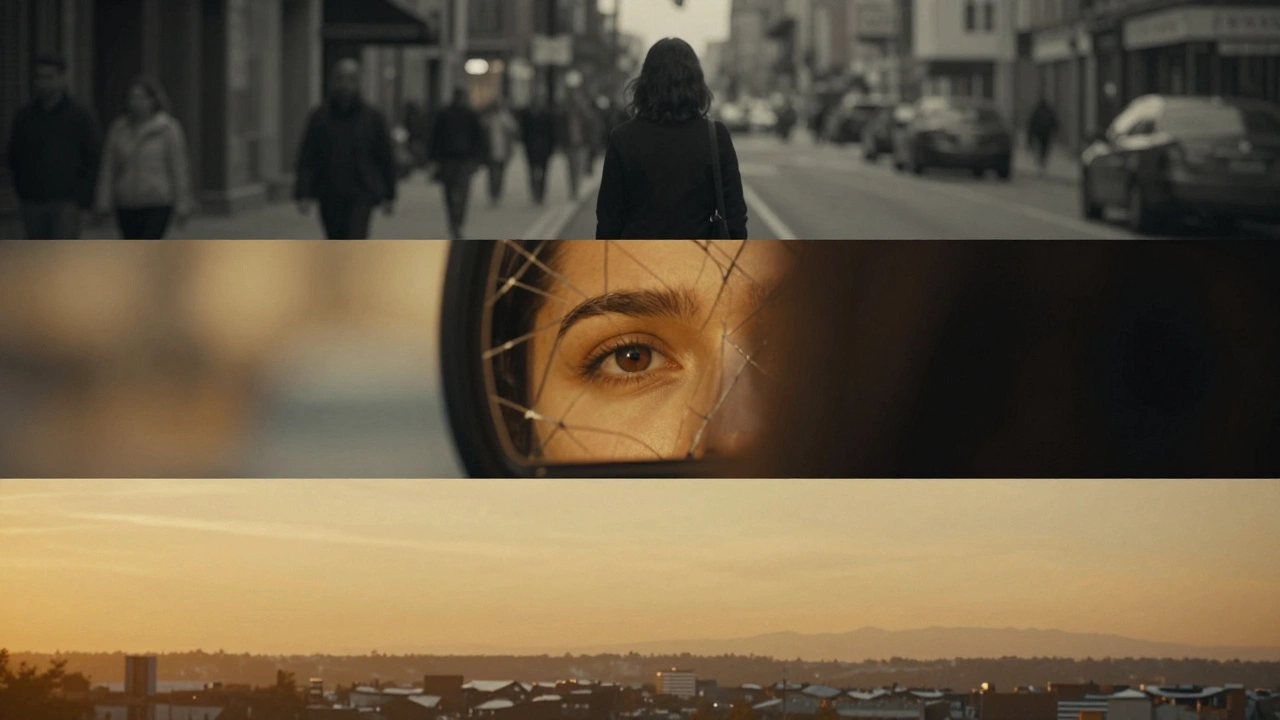
Avoiding Common Emotional Pitfalls
One of the biggest mistakes beginners make is over-editing. They think that more cuts equal more energy. In reality, too many cuts can lead to "visual noise," where the viewer becomes overwhelmed and stops feeling. The most emotional moments often happen in the silence *between* the cuts. Another trap is being too literal. If the lyrics say "I'm walking in the rain," showing a person walking in the rain is boring. It's a visual repetition of what the ear already knows. Instead, show the ripple of a puddle or the way the light hits a wet pavement. Trust your audience to make the connection. By being slightly abstract, you engage the viewer's imagination, which makes the emotional payoff much stronger.How do I know when a cut is "too fast" for an emotional scene?
If the viewer can't register the emotion on a character's face before the next shot appears, it's too fast. A good rule of thumb is to let the "emotional peak" of a shot linger for a fraction of a second longer than the beat suggests. This gives the brain time to process the feeling.
Can I create a story arc if I don't have a scripted plot?
Absolutely. In music videos, you can build a "vibe arc." This is based on the progression of energy rather than plot points. Focus on the transition from tension to release. Start with tight, claustrophobic shots and move toward wide, open vistas as the song opens up.
What software is best for this kind of emotional editing?
Most professionals use Adobe Premiere Pro for the initial cut due to its flexibility and DaVinci Resolve for the color grading phase, as the latter offers superior control over the mood and atmosphere of the image.
How do you integrate sound effects without clashing with the music?
The key is to use sounds that occupy a different frequency than the lead instruments. If the song is bass-heavy, use high-frequency sounds like glass breaking or wind whistling. This ensures the sound effect cuts through the mix without muddying the music.
Why is non-linear editing effective for emotion?
Non-linear editing mimics the way human memory works. We don't remember things in a straight line; we jump from a smell to a memory to a feeling. By jumping through time in a video, you create a dreamlike state that feels more psychologically authentic than a chronological story.