There is a myth in the music industry that you need a major label to survive. The idea is that without a $10 million advance, you are just a hobbyist waiting for a break that never comes. Alli Starr is an American singer-songwriter and multi-instrumentalist who has built a sustainable career entirely outside the traditional major label system. She proves this wrong every day.
Starr didn’t wait for permission. She didn’t sign away her masters to get on a playlist. Instead, she treated her name like a startup. She focused on direct-to-fan relationships, strategic collaborations, and relentless consistency. If you are an independent artist trying to figure out how to build a brand from scratch, looking at her playbook offers more value than reading another guide on viral TikTok trends. This is about building infrastructure, not just chasing moments.
The Foundation: Owning Your Masters and Identity
The first decision Starr made was also the hardest for many newcomers: keep everything. When most artists start, they are tempted by advances. An advance feels like validation. It feels like money. But it is often debt disguised as opportunity. By retaining ownership of her master recordings, Starr ensured that every stream, every sync license, and every vinyl sale contributed directly to her long-term equity.
This approach requires patience. You do not get a quick payout. You get slow growth. However, the compounding effect is real. Over time, owning your catalog means you can leverage it for future projects without needing a lender’s approval. For an indie artist, your catalog is your asset class. Treat it with the same respect you would treat a small business inventory.
Starr also invested heavily in her visual identity early on. She did not hire a generic photographer. She worked with specific artists who understood her aesthetic. This created a cohesive look across social media, album art, and merchandise. Consistency builds recognition. Recognition builds trust. Trust converts fans into buyers.
Strategic Collaborations Over Random Features
One of the biggest mistakes independent artists make is accepting every collaboration offer. They think exposure equals income. It rarely does. Exposure only matters if it reaches people who already care about your genre. Starr took a different route. She curated her collaborations carefully.
She partnered with artists who shared her audience but offered a slightly different sound. This allowed her to cross-pollinate fanbases without diluting her brand. For example, working with producers known for atmospheric electronic textures helped her reach listeners who might not have found her through standard folk or pop channels. These partnerships were mutual. Both parties gained new followers who were likely to engage with their content.
This strategy requires research. You must analyze who your potential collaborators follow. Do their fans overlap with yours? If yes, proceed. If no, pause. Quality over quantity applies here more than anywhere else in music marketing.
Direct-to-Fan Engagement: The Real Social Media Strategy
Social media algorithms change constantly. One day you are trending; the next, you are invisible. Relying solely on algorithmic discovery is risky. Starr built a community that exists beyond the feed. She focused on platforms where interaction was deeper, not just broader.
She used email newsletters not as a sales tool, but as a connection tool. Her emails contained behind-the-scenes stories, songwriting insights, and personal updates. This humanized her brand. Fans felt like they knew her. People buy from people they know. This simple shift increased her merchandise sales significantly because the purchase was tied to a relationship, not just a product.
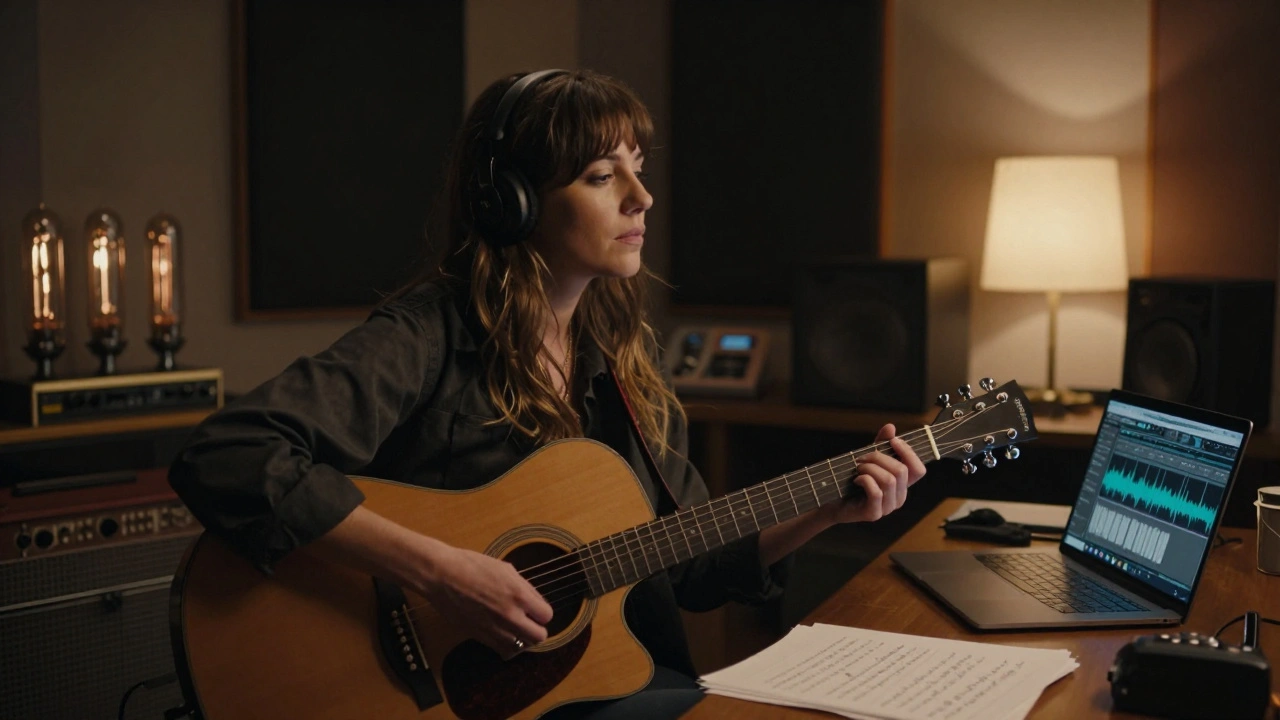
She also prioritized live streaming during the pandemic when tours were canceled. These streams were intimate. She played acoustic versions of songs, answered questions, and discussed the creative process. This kept her engaged with her core audience while others went silent. When live shows returned, her ticket sales were strong because the relationship had been maintained digitally.

Merchandise as More Than Just T-Shirts
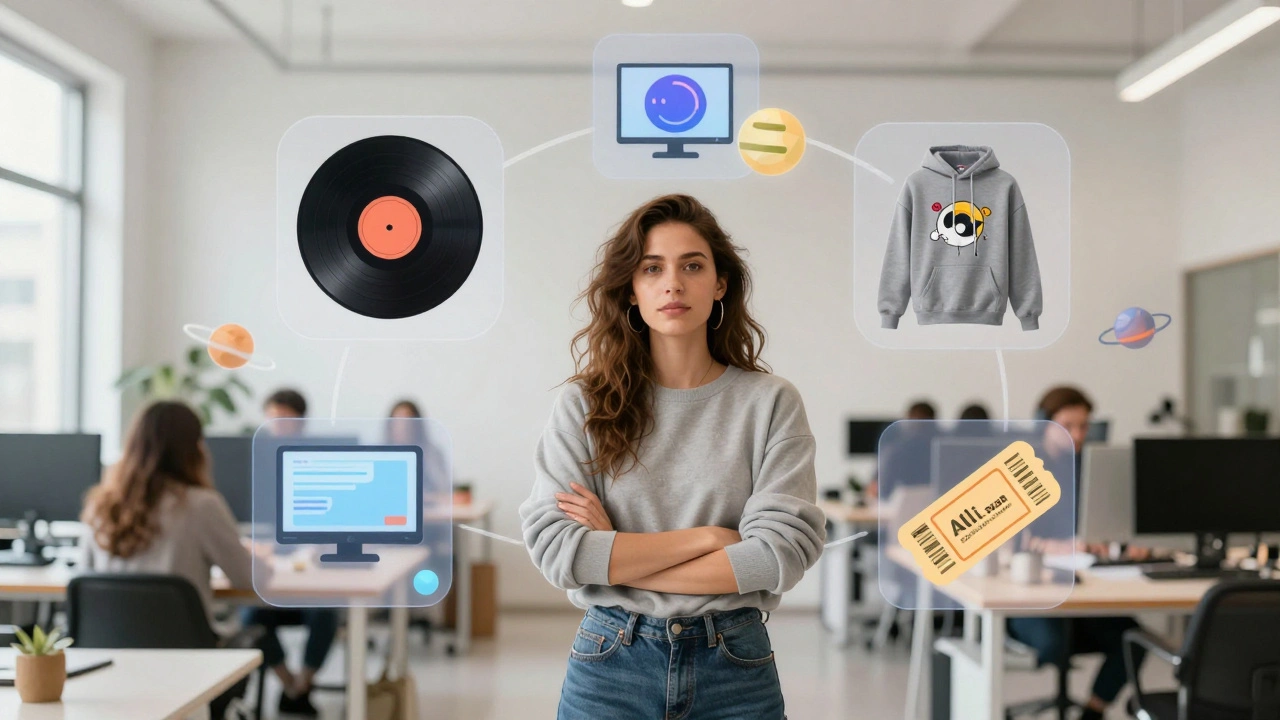
Merchandise is often an afterthought for indie artists. It is seen as a way to clear out old inventory. Starr viewed it differently. Merchandise is a walking billboard. It is a tangible extension of the brand. She designed items that fans actually wanted to wear, not just items with her logo on them.
She collaborated with local designers in Portland to create unique pieces. Limited runs created scarcity. Scarcity drove urgency. Fans bought these items because they were exclusive, not because they needed another t-shirt. This approach increased the perceived value of her brand. It signaled that her team cared about quality and design.
Furthermore, high-quality merchandise improves profit margins. Selling a $50 hoodie yields more revenue per unit than selling a $20 t-shirt. Even if fewer units sell, the total revenue can be higher. This efficiency allows indie artists to reinvest profits into recording or touring rather than spending them on low-margin goods.
Live Performance: Building Local Strength
You cannot build a national brand without a local foundation. Starr spent years dominating the Portland scene. She played every venue available. She opened for bigger acts. She performed at festivals. She made herself undeniable locally.
This local strength created a ripple effect. When she toured other cities, she brought energy and professionalism that impressed promoters. Promoters talk to each other. A reputation for being easy to work with and drawing a crowd opens doors. Starr’s ability to sell tickets in smaller markets proved she could handle larger ones.
She also leveraged data from her local shows. She tracked which songs resonated most. She noted which setlist arrangements kept the energy high. This data informed her studio recordings. The feedback loop between stage and studio strengthened her artistic output. Live performance is not just income; it is research.
Digital Distribution and Playlist Pitching
Distribution is easy now. Anyone can upload to Spotify. Standing out is hard. Starr approached playlist pitching with a professional mindset. She did not spam curators. She researched playlists that fit her sound precisely. She sent personalized pitches that highlighted why her track belonged on that specific list.
She also utilized digital distribution platforms effectively. She chose services that offered detailed analytics. Understanding where her listeners came from allowed her to target ads more efficiently. If she saw a spike in listeners from Austin, Texas, she could run localized Instagram ads there. This precision reduced waste and increased return on investment.
Playlist placement alone does not sustain a career. It drives spikes in streams, but retention comes from branding. Starr ensured her profile looked professional. Her bio was updated. Her images were high-quality. When a listener clicked through from a playlist, they encountered a polished brand, not a disjointed collection of links.
| Factor | Major Label Approach | Alli Starr's Indie Approach |
|---|---|---|
| Ownership | Label owns masters | Artist retains full rights |
| Funding | Large advances (debt) | Bootstrapped/reinvested profits |
| Pace | Fast release cycles | Strategic, quality-focused releases |
| Fan Connection | Often distant/corporate | Direct, personal engagement |
| Risk | High pressure to succeed quickly | Long-term sustainability focus |
The Role of Persistence and Adaptability
Success is not linear. There were periods where Starr saw little growth. There were months where streaming numbers dipped. The key was adaptability. She did not stick to a plan that stopped working. She pivoted. If a marketing channel dried up, she found another. If a song flopped, she analyzed why and adjusted.
This resilience is crucial for indie artists. You face rejection constantly. Booking agents say no. Labels pass. Curators ignore your pitch. The difference between those who quit and those who succeed is persistence. Starr treated rejection as data. Each "no" taught her something about her positioning or timing.
She also stayed true to her artistic vision. Compromising too much for commercial appeal can alienate your core fans. Finding the balance between accessibility and authenticity is delicate. Starr managed this by evolving her sound gradually. She experimented within her style rather than jumping genres abruptly. This kept existing fans engaged while attracting new ones.
Financial Sustainability for Independent Artists
Money management is part of the job. Many talented musicians fail because they cannot manage their finances. Starr treated her music career like a business. She kept records. She separated personal and business expenses. She reinvested profits strategically.
She diversified her income streams. Streaming provides some revenue, but it is small. Sync licensing placed her music in TV shows and commercials, providing larger lump sums. Merchandise provided steady cash flow. Live performances generated significant income. This diversification reduced reliance on any single source. If one stream dried up, others supported her.
She also hired help when necessary. She worked with a manager who understood the indie landscape. She consulted with lawyers for contracts. These investments protected her interests and allowed her to focus on creating music. Trying to do everything alone leads to burnout. Strategic delegation is essential for longevity.
Can you really make a living as an independent artist?
Yes, but it requires treating your career like a business. You must diversify income streams including streaming, sync licensing, merchandise, and live performances. Patience and financial discipline are critical. Success takes time, but ownership of your masters ensures long-term profitability.
What is the most important step for starting a solo music brand?
Define your unique identity and own your assets. Invest in professional visuals and retain control of your master recordings. Build a direct relationship with your fans through email lists and consistent social media engagement. Clarity in branding attracts loyal supporters.
How do I choose the right collaborators for my music?
Look for artists with overlapping but distinct audiences. Analyze their follower demographics to ensure alignment with your target market. Collaborations should feel natural and mutually beneficial. Avoid partners whose brand values conflict with yours.
Is it better to use a distributor or upload directly to platforms?
Using a reputable digital distributor is generally better. They handle technical requirements, royalty collection, and provide valuable analytics. Look for distributors that offer transparent reporting and reasonable fees. Direct uploads are possible but lack the support and data insights distributors provide.
How can I stand out on social media without going viral?
Focus on community building rather than vanity metrics. Engage genuinely with comments. Share behind-the-scenes content. Use email newsletters to deepen connections. Consistency and authenticity create lasting loyalty that viral moments cannot replicate.