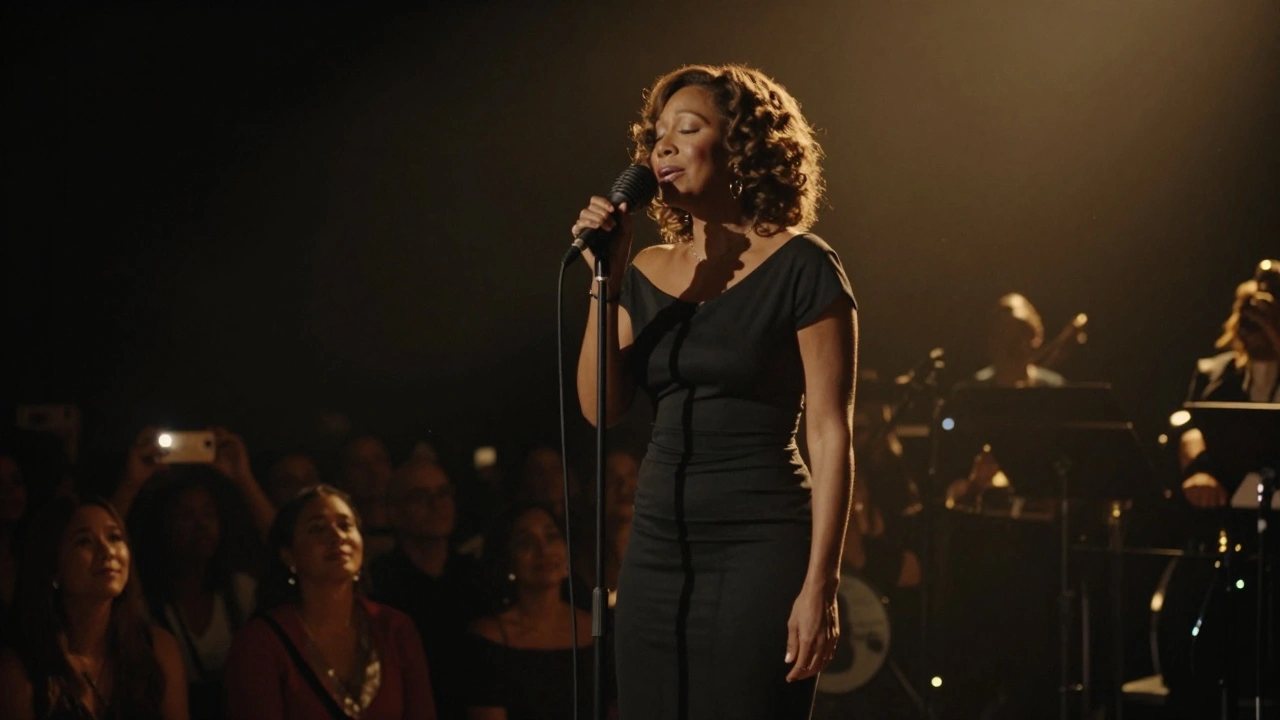
There’s a reason people still cry when they hear Whitney Houston sing I Will Always Love You. Not because of the high notes-though they’re legendary-but because of the feeling behind them. When Alli Starr steps on stage to honor Whitney, she doesn’t just sing the songs. She rebuilds the emotion. And it starts long before the lights come up: with the setlist.
Why Setlists Matter More Than You Think
A tribute show isn’t a karaoke night. It’s a time machine. The audience doesn’t want to hear a random playlist of Whitney’s hits. They want to relive the moments they lived through with her music. That means every song choice has to serve a story.
Alli Starr learned this the hard way. Her first tribute show in 2021 included eight ballads back-to-back. People left early. One woman in the front row whispered, “I came to feel her joy, not just her grief.” That night changed everything.
Now, Alli structures her setlists like a film: opening, rising tension, climax, release, and a quiet goodbye. She doesn’t just pick songs. She picks experiences.
The Anatomy of a Whitney Houston Tribute Setlist
Alli’s current setlist isn’t random. It’s built on three pillars: emotional arc, historical accuracy, and vocal pacing.
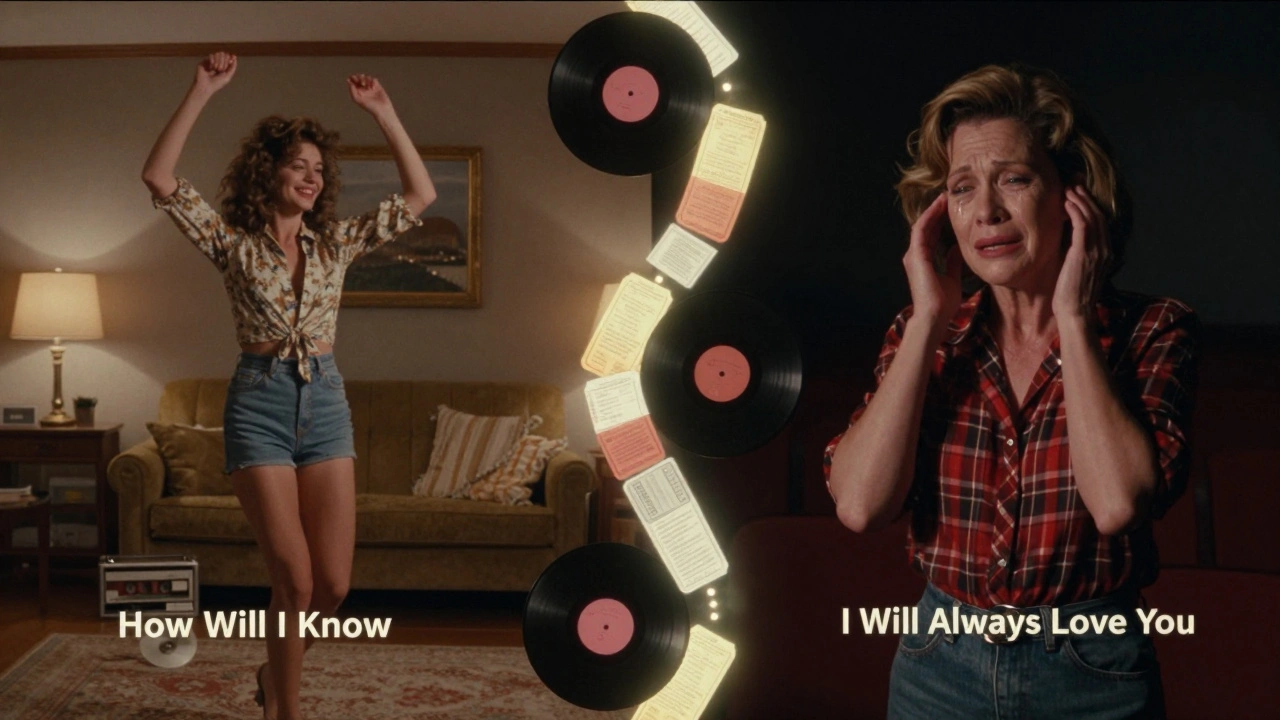
- Opening - She starts with How Will I Know. Not because it’s a hit, but because it’s the sound of Whitney at 22-bright, playful, full of possibility. It’s the first thing people remember from her early career.
- Build - Next comes Greatest Love of All, then So Emotional. The tempo rises. The crowd starts to move. This is where she connects with younger fans who know Whitney from TV performances.
- Climax - I Will Always Love You comes at the 40-minute mark. Not earlier. Not later. That’s when the room is fully engaged. She lets the audience sing the first verse alone. Then she enters on the second, not with a belted note, but with a whisper. The silence before her voice returns? That’s when people start crying.
- Release - After the ballad, she shifts to My Love Is Your Love and Exhale (Shoop Shoop). Upbeat. Funky. Real. She wants people to leave smiling, not drained.
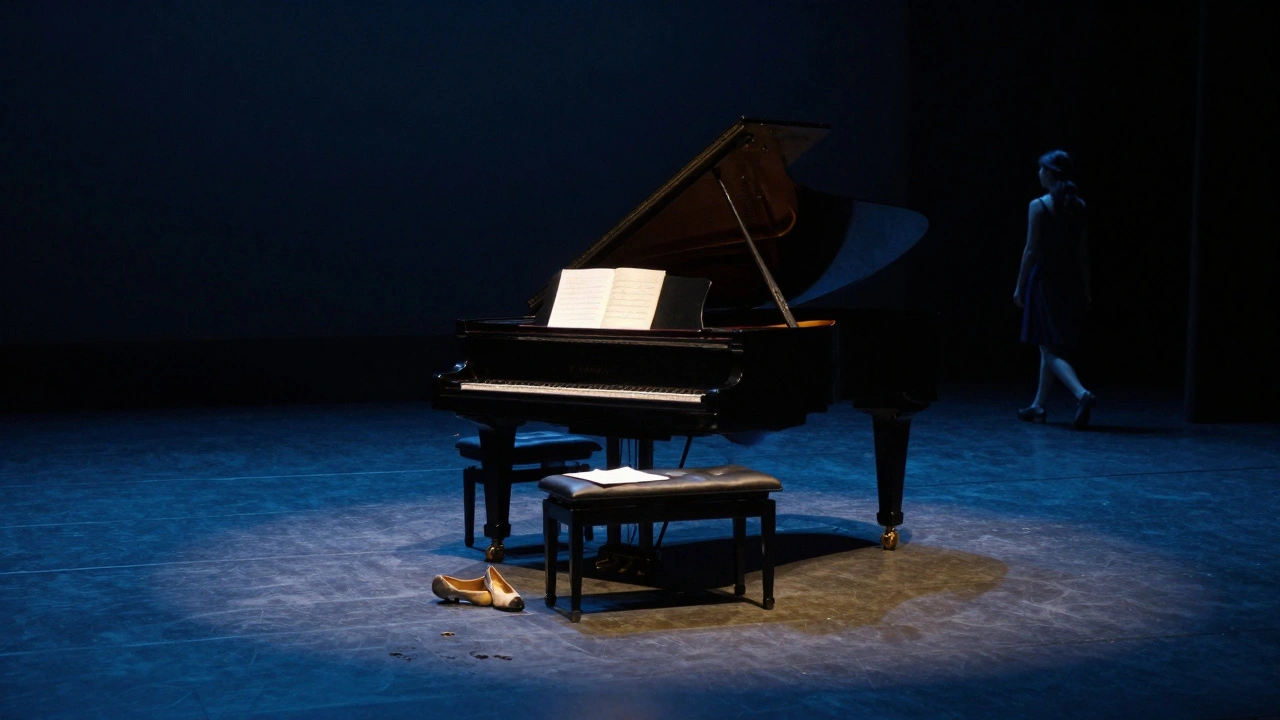
- Goodbye - The final song is always Home from The Preacher’s Wife. It’s quiet. No backing track. Just piano and voice. She doesn’t say anything. She just looks out, smiles, and walks off. No encore. No bow. Just the echo.
This structure isn’t magic. It’s tested. Alli has performed this version over 187 times since 2022. She tracks audience reactions: when people pull out phones, when they stand, when they leave early. She adjusts based on data, not instinct.
What Makes Her Setlist Different
Most tribute artists stick to the Top 10. Alli digs deeper. She includes:
- One Moment in Time - from the 1988 Olympics. A song Whitney never performed live, but one fans associate with her peak.
- Run to You - from Bodyguard. It’s not a single, but it’s the first song she ever sang in a movie. Fans who saw the film in theaters still know every lyric.
- Didn’t We Almost Have It All - often skipped by other performers. Alli knows this one hits hardest for women in their 40s and 50s. She’s heard people say, “This was my wedding song.”
She also avoids overplayed tracks like I Wanna Dance with Somebody until the very end. Why? Because if you play it too early, the crowd cheers, then checks out. Save it for the moment they’re ready to celebrate.
The Hidden Rules Alli Follows
There are unwritten laws in tribute performance. Alli sticks to five:
- Never change key - Whitney’s original recordings are sacred. Alli sings in the exact key, even if it’s two octaves above her natural range. She trains her voice for months to match the pitch, not to impress, but to honor.
- Use the original backing tracks - Not remixes. Not loops. The 1987 studio version of Saving All My Love for You. The crowd recognizes the strings. The tambourine. The breath before the chorus.
- Never say “I’m Whitney” - She never introduces herself as a replacement. She says, “I’m here to let her voice live again.”
- Never wear a wig - She styles her own hair. Matches the era, but keeps her identity. Fans say it makes her feel more real.
- Never perform on a stage with mirrors - Whitney hated seeing herself. Alli learned that from an interview. So her stage is always dark behind her. No reflections. Just the voice.
How She Rehearses
Alli doesn’t just practice the songs. She studies the interviews.
She watches every TV appearance from 1985 to 1992. She notes how Whitney paused before “I love you” in Where Do Broken Hearts Go. How she laughed after “I’m gonna be okay” in My Love Is Your Love. She doesn’t mimic. She internalizes.
She records herself singing each song. Then she plays Whitney’s version side by side. Not to copy, but to feel the difference in breath, timing, and silence. She says, “Whitney didn’t sing notes. She sang pauses.”
She works with a vocal coach who specializes in 80s R&B. They spend hours on vibrato control-how Whitney let hers waver just slightly on long notes, like she was holding back tears.
What Happens After the Show
After every performance, Alli walks out the back door and sits in her car for ten minutes. No phone. No music. Just silence.
She says, “I don’t take the applause. I take the silence.”
Some nights, fans wait outside. One woman gave her a handwritten letter once: “My mom died in 2003. I didn’t cry until I heard you sing ‘I Will Always Love You.’ I finally felt like I could let her go.” Alli keeps that letter in her wallet.
She doesn’t do this for fame. She does it because Whitney’s music still moves people. And if she can help someone feel that again-even for 90 minutes-then the setlist was worth every hour of rehearsal.
Can You Build a Tribute Setlist Like This?
You don’t need to be a professional singer. But you do need to ask:
- What does this song mean to the people who loved the artist?
- What moments in their life did this music accompany?
- What did the artist refuse to do-and why?
It’s not about how many notes you hit. It’s about how many hearts you reach.
What makes a Whitney Houston tribute different from other artist tributes?
Whitney’s music carries a unique emotional weight because she was one of the first Black female artists to dominate pop, soul, and gospel simultaneously. Her performances weren’t just singing-they were cultural moments. A tribute that works must honor not just her voice, but her role in music history. That means including songs from her gospel roots, her film soundtracks, and her live performances, not just the chart-toppers.
How long should a Whitney Houston tribute show last?
A full tribute show should run between 85 and 95 minutes. Anything shorter feels rushed. Anything longer loses momentum. Alli Starr’s setlist includes 12 songs and runs exactly 92 minutes, including two brief pauses for audience connection. That timing matches the average attention span of a live audience while leaving room for emotional breathing room.
Do tribute artists need to sound exactly like Whitney Houston?
No-and trying to sound exactly like her can backfire. What matters is capturing the emotional texture: the way she held notes, the slight catch in her voice before a big phrase, the warmth in her tone. Alli Starr doesn’t try to replicate Whitney’s vocal range. Instead, she matches the phrasing, the timing, and the silence between notes. Fans say they feel Whitney’s presence, not a cover.
Why does Alli Starr avoid using a backing band?
She uses original studio tracks because Whitney’s recordings are part of the memory. The strings in How Will I Know, the drum fill in So Emotional, the choir in Didn’t We Almost Have It All-these aren’t just instruments. They’re time markers. Audiences recognize them instantly. A live band might sound better technically, but it breaks the illusion. The goal isn’t perfection. It’s recognition.
What’s the most underrated song in a Whitney Houston tribute?
My Love Is Your Love is often overlooked, but it’s one of the most powerful choices. Released in 1998, it marked Whitney’s return to R&B after years of pop dominance. It’s raw, rhythmic, and real. Alli uses it as the emotional reset after I Will Always Love You. It reminds people she wasn’t just a ballad queen-she was a force in modern soul music too.
Can you do a Whitney Houston tribute without singing?
Yes-but only as a multimedia experience. Some tribute artists use video clips of Whitney’s performances paired with live narration. But Alli believes the voice must be present. Not to replace her, but to carry her. If you can’t sing, you’re not honoring her gift-you’re just showing it. The power of a tribute is in the live voice, not the screen.