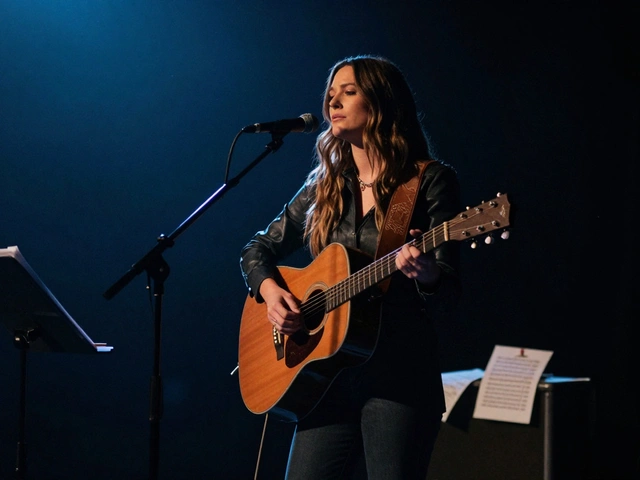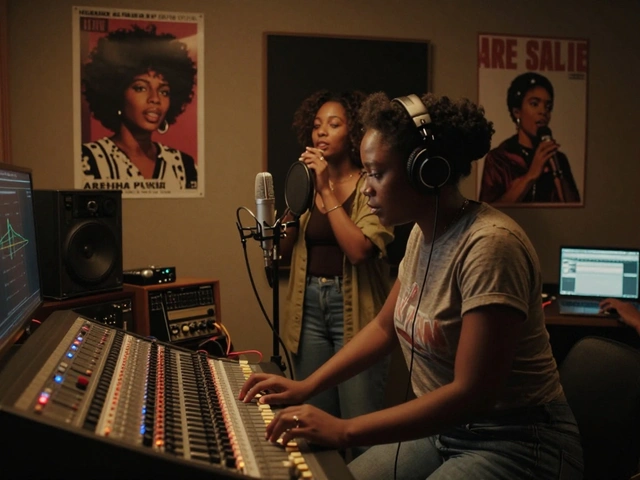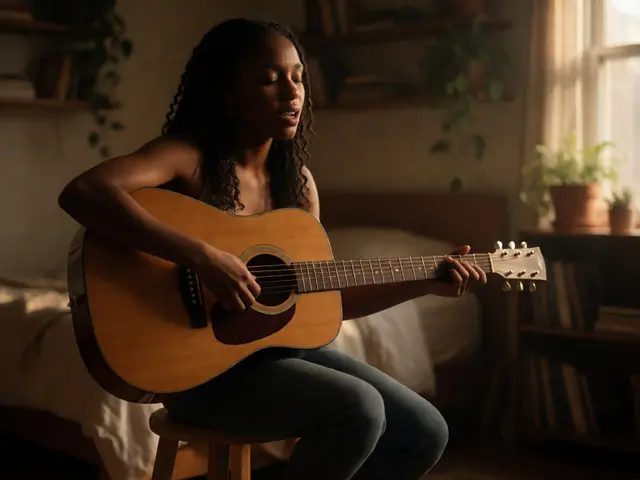
Most brands chase short clips, quick hooks, and 15-second attention spans. But Alli Starr is doing the opposite. She’s betting everything on long-form content-podcasts that stretch over hours, documentaries that unfold like novels, and brand stories that demand patience. And it’s working. In 2025, her company’s flagship podcast, Deep Dive With Alli Starr, hit 2.3 million monthly listeners. Her documentary series on independent makers, The Crafted Path, was streamed over 8 million times across platforms. This isn’t luck. It’s strategy.
Why Long-Form Content Works Now
People are tired of being sold to. They’re tired of ads disguised as content. What they want is depth. Real stories. Unfiltered journeys. In 2024, a study by the Media Insight Project found that 68% of consumers between 25 and 45 preferred content that took more than 20 minutes to consume-especially when it felt personal. Alli Starr didn’t invent this trend, but she perfected it.
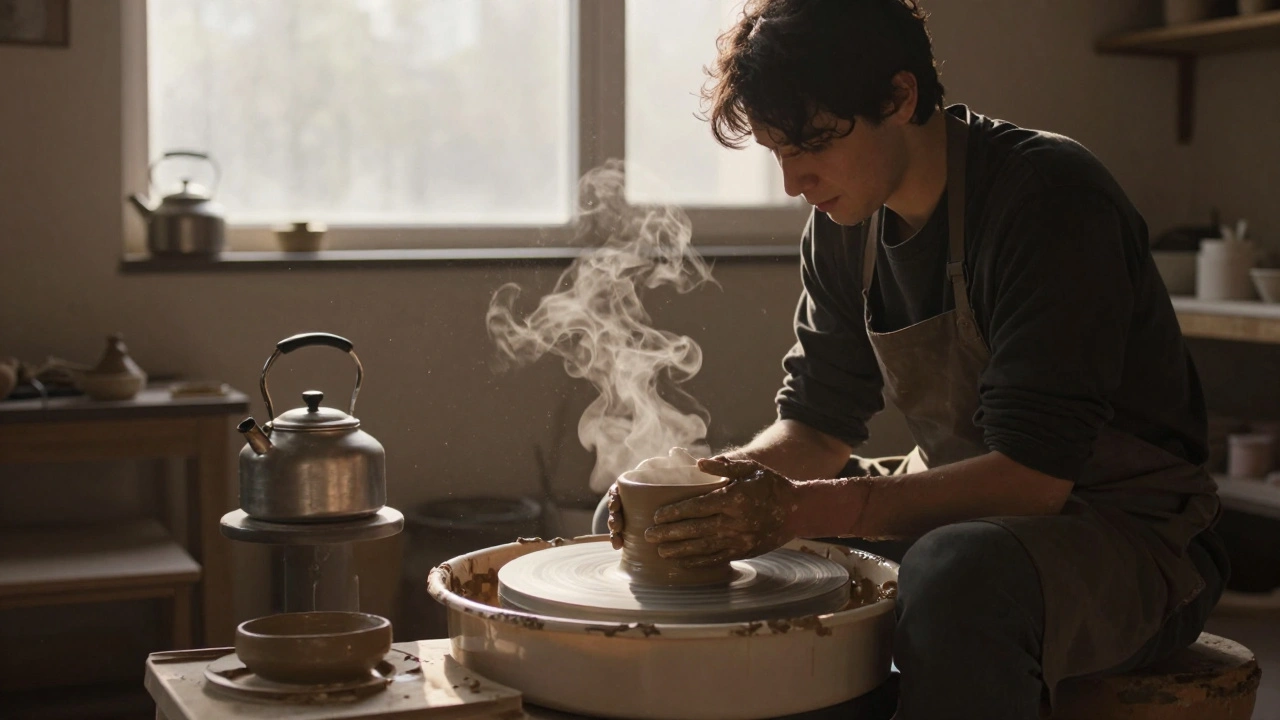
Her podcasts aren’t interviews. They’re immersive experiences. One episode on a ceramicist in rural Vermont ran for 97 minutes. No sponsors read mid-segment. No background music to mask silence. Just the sound of clay spinning, a kettle whistling, and the maker talking about losing her father, rebuilding her studio, and why she refuses to sell online. Listeners didn’t just hear a story-they lived it. And they came back.
The Alli Starr Formula
There’s no secret sauce. Just a clear method:
- Start with a person, not a product. Every episode begins with someone’s origin story. Not their company. Not their revenue. Their first mistake. Their biggest fear. Their why.
- Let silence breathe. She doesn’t cut pauses. She leans into them. In one documentary, a weaver sat quiet for 47 seconds after saying, "I didn’t think anyone would care." That moment went viral-not because it was dramatic, but because it was real.
- Remove the sales pitch. No discount codes. No "visit our site" calls. No product shots. If the brand shows up, it’s because it’s part of the story-not the point of it.
- Release slowly. She drops one episode a month. Not because she can’t make more, but because she wants each one to land. Her audience doesn’t binge. They wait. They talk. They reread transcripts.
This approach isn’t just about engagement-it’s about trust. In a world where 72% of consumers say they don’t trust ads, Alli’s content feels like a conversation with someone who gets it.
How Brands Are Copying (and Failing) Her Model
Since 2023, over 120 brands have tried to launch "Alli-style" content. Most fail within three episodes. Why?
- They start with a product launch.
- They hire voiceover artists who sound like they’re reading a manual.
- They edit out "awkward" moments-like when someone cries or stumbles over a word.
- They rush to release 10 episodes in a month to "build momentum."
Alli’s team doesn’t measure success by downloads. They track something quieter: repeat listeners. Of those who finish an entire 90-minute episode, 83% come back for the next one. That’s the real metric. Not views. Not shares. Loyalty.
The Documentary Shift
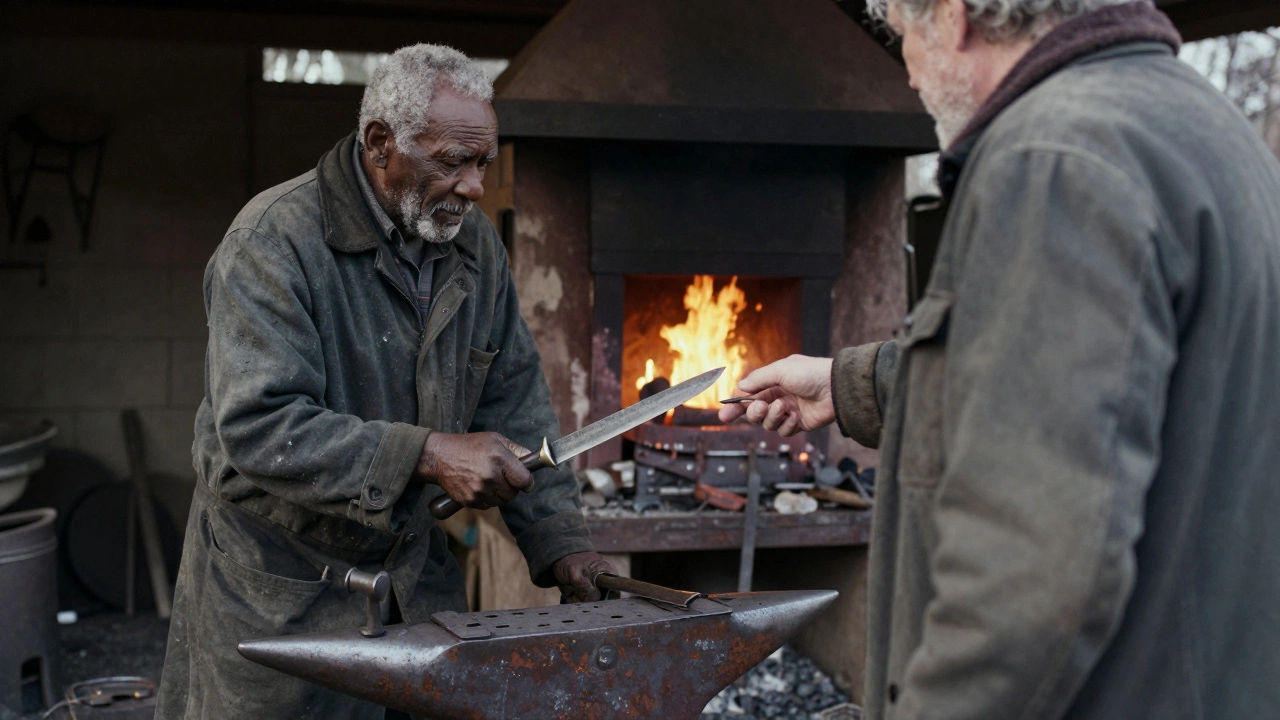
Her documentary series, The Crafted Path, isn’t about making things. It’s about making meaning. Each 45-minute film follows one artisan across a full year. One episode tracked a blacksmith in West Virginia as he rebuilt his forge after a flood, using only salvaged metal and hand tools. No CGI. No voiceover narration. Just time-lapse footage, ambient sound, and his own words.
The film ended with him handing a handmade knife to a stranger who’d never met him. "I don’t know your name," he said. "But I know you needed this." The comment section exploded. People wrote about their own lost tools, broken dreams, and moments of quiet repair.
This isn’t marketing. It’s cultural resonance. And brands that try to mimic it without understanding the emotional core end up looking hollow.
What’s Next for Long-Form Brand Storytelling
By 2027, Alli Starr predicts that 40% of successful brands will have a long-form content arm-not a marketing team, but a storytelling unit. Think of it like a publishing house inside a company. They don’t sell. They document. They archive. They listen.
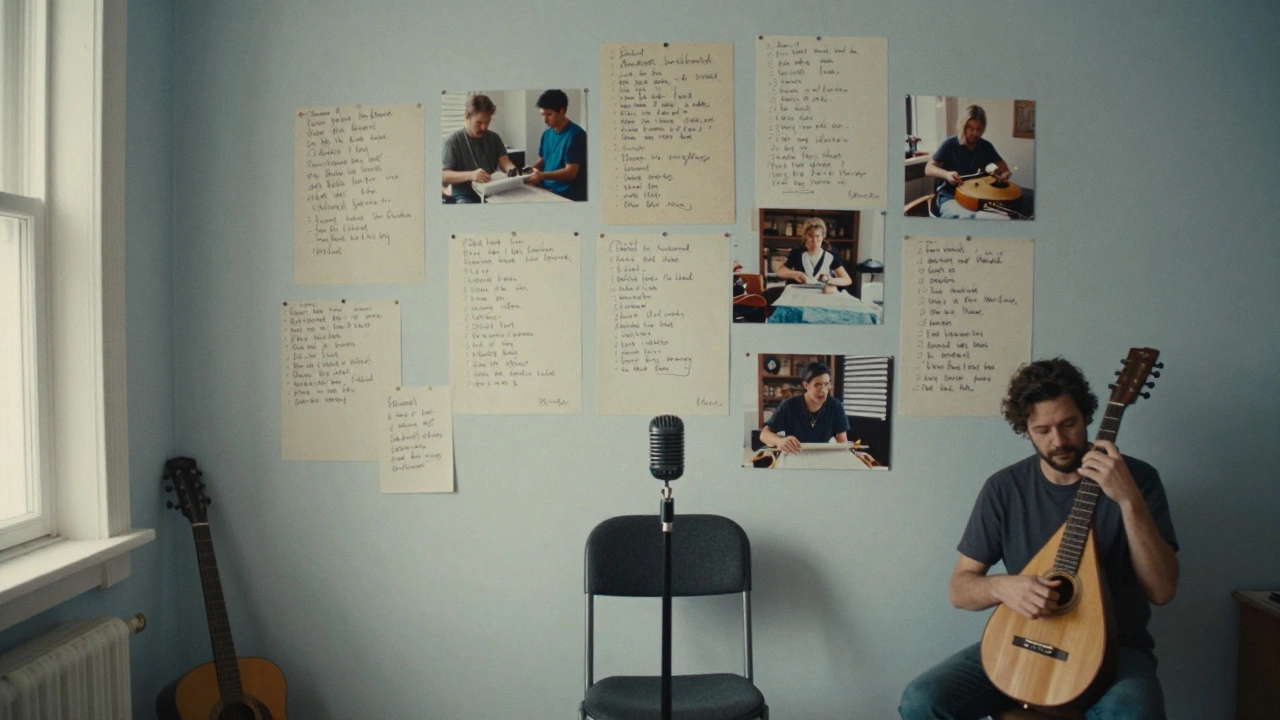
She’s already testing new formats: live audio documentaries where listeners call in with their own related stories. A podcast series where listeners submit questions to makers, and the answers become the next episode. No scripts. No filters.
What’s clear is this: the future of brand storytelling doesn’t live in ads. It lives in the spaces between words. In the pauses. In the mistakes. In the slow, messy, beautiful process of making something that matters.
Why This Matters for Creators and Brands
If you’re a brand trying to stand out, stop chasing trends. Start chasing truth. If you’re a creator tired of shallow content, stop making for algorithms. Start making for humans.
Alli Starr didn’t build an audience by being loud. She built one by being patient. By being honest. By giving people space to feel something.
That’s the real lesson. Not how long the episode is. But how deeply it hits.
Why does Alli Starr avoid sponsor reads in her podcasts?
She avoids sponsor reads because they break immersion. Her audience doesn’t want to be sold to during a story about grief, craft, or resilience. Instead, she partners with brands that align with her values and lets them appear naturally-like a maker using a specific tool that’s part of their process. This builds trust, not annoyance.
Can small brands replicate Alli Starr’s model without a big budget?
Absolutely. Alli’s first podcast was recorded in her living room with a $200 microphone. What matters isn’t the gear-it’s the commitment to authenticity. Small brands can start by interviewing one customer or artisan over a 45-minute conversation, recording it raw, and releasing it monthly. No edits. No music. Just the story. That’s where real connection begins.
How does Alli Starr choose who to feature?
She looks for people who’ve been through something difficult-not because they’re famous, but because they’ve transformed it into meaning. A baker who reopened after a fire. A musician who lost her voice and learned to compose with her hands. The common thread? They didn’t just survive-they changed how they saw their work.
Is long-form content only for niche audiences?
No. In 2025, Alli’s audience included engineers, teachers, nurses, and retirees-not just creatives. People are hungry for depth regardless of background. The key is not the topic, but the emotional honesty. A story about a welder fixing a broken bridge can resonate with someone who’s rebuilding their life after loss.
What’s the biggest mistake brands make when trying long-form content?
They treat it like a commercial with a longer runtime. They script every line. They polish every flaw. They rush to release. The result feels fake. Alli’s work works because it’s messy, slow, and real. If you’re not willing to let your story be imperfect, don’t bother.