Most people think of karaoke as a bar game-microphone in hand, off-key singing, and a crowd clapping politely. But in Las Vegas, something different is happening. At a small venue tucked between a 24-hour diner and a neon-lit pawn shop, a live band plays every night. Not as background music. Not as a cover act. As the heartbeat of a movement led by Alli Starr, a singer and bandleader who turned karaoke into a shared ritual.
What Makes Live Band Karaoke Different
Traditional karaoke uses backing tracks. A screen shows lyrics. A DJ presses play. It’s predictable. Safe. Sometimes boring. Live band karaoke? That’s chaos with purpose. A drummer counts off. A bassist locks in. A guitarist nails the solo you forgot existed. And when the singer hits a note that wobbles? The band adjusts. They lean in. They elevate it. It’s not about perfection. It’s about connection.
Alli Starr’s band doesn’t just play songs. They read the room. If someone sings “Bohemian Rhapsody” with shaky breath but wild eyes? They stretch the intro. Let the crowd sing the opera part. If a 70-year-old grandma belts out “I Will Survive” like she’s got nothing left to lose? They drop the tempo, add a gospel harmonizer, and turn it into a moment that sticks.
Alli Starr: From Backstage to Center Stage
Alli didn’t start out leading a karaoke revolution. She was a backup singer in Vegas for over a decade. Played hotels. Played cruise ships. Played weddings where guests asked for “anything but the Beatles.” She got tired of being invisible. Tired of the same three songs on loop. Tired of audiences who didn’t feel seen.
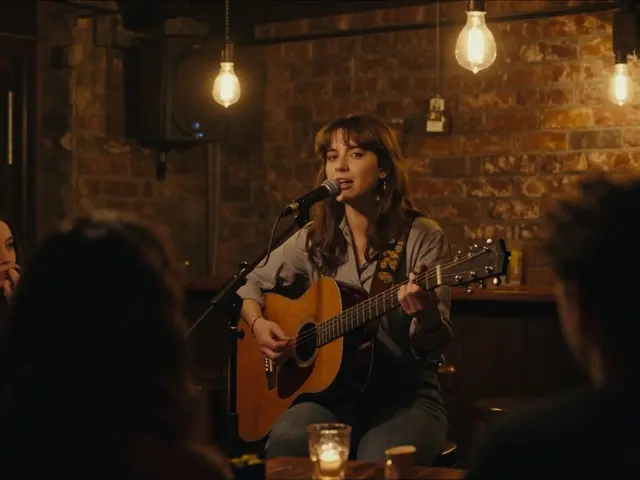
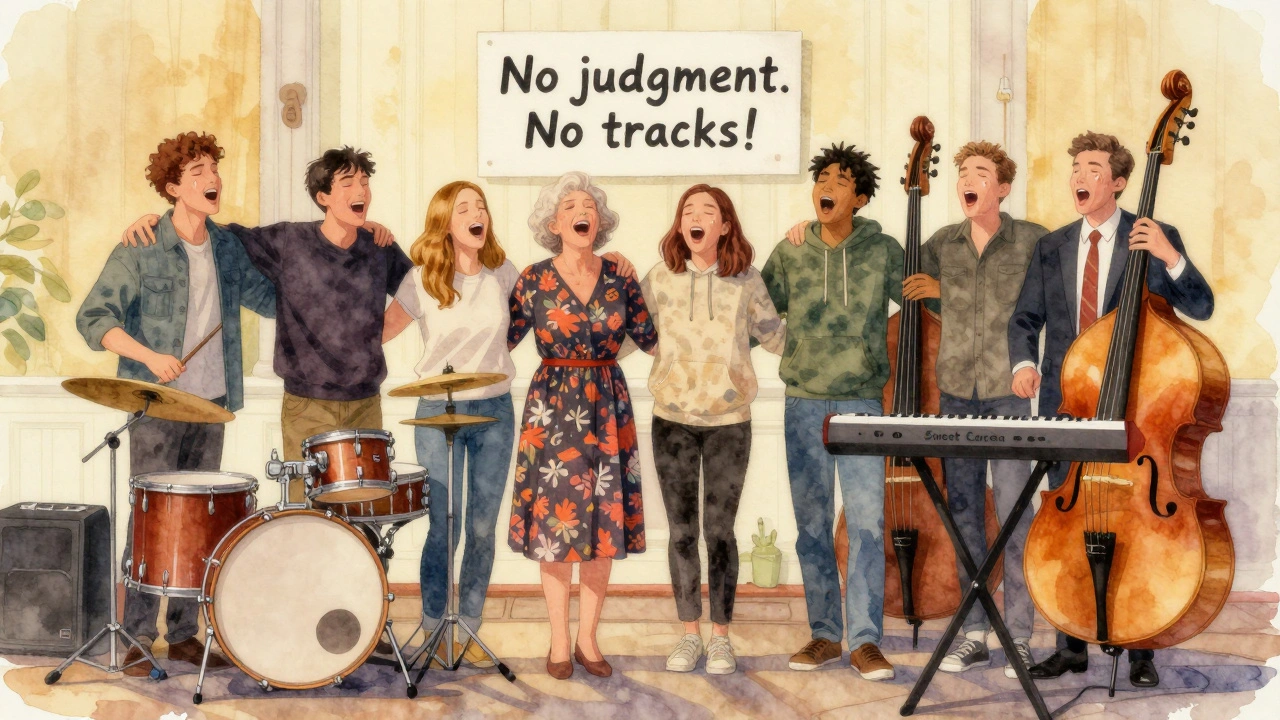
In 2023, she rented a 60-seat room on East Sahara Avenue. No fancy lights. No VIP section. Just a stage, a drum kit, a keyboard, and a mic stand. She posted on Facebook: “Come sing. We’ll play it. No judgment. No tracks.” The first night, six people showed up. One of them cried halfway through “My Heart Will Go On.” Alli didn’t know why. She asked. The woman said, “I haven’t sung since my husband died.”
That’s when it clicked. Karaoke wasn’t about talent. It was about release.
The Community Stage Movement
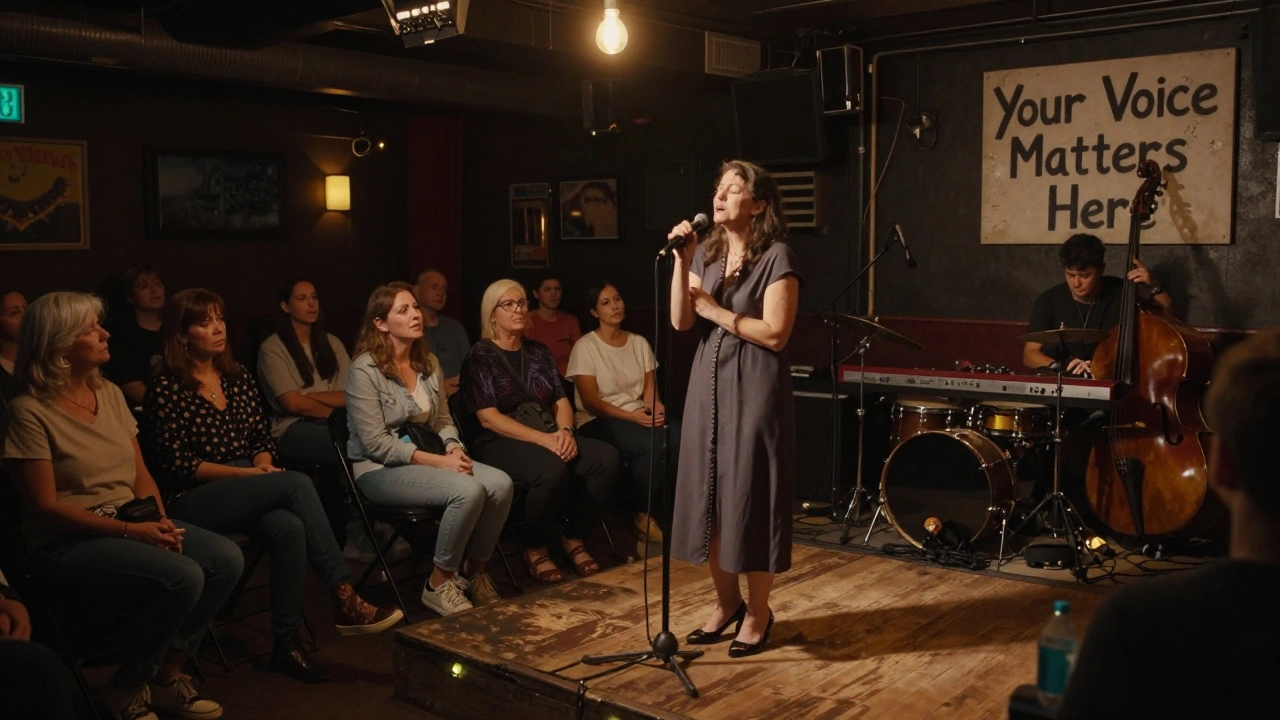
Alli calls it the Community Stage. It’s not a business. It’s a practice. Every Thursday through Sunday, the doors open at 7 p.m. No cover. No reservations. You show up. You sign your name on the list. You wait. And when your name is called, you walk up-not to perform, but to share.
The band plays everything. Country, punk, hip-hop, show tunes. They’ve learned “Uptown Funk” in 3/4 time for a man who lost his hearing last year. They’ve slowed down “Hallelujah” so a teen with autism could sing every word without rushing. They’ve played “Sweet Caroline” for a group of nurses after a 12-hour shift, and the whole room sang it three times in a row.
There’s no VIP. No drink minimum. No “special requests” that cost extra. Just a rule: if you sing, you get a standing ovation. Not because you’re good. Because you showed up.
How It Works: The Ritual
Here’s how a night unfolds:
- You arrive. Grab a seat. Order a soda. The band’s already warming up-just jamming, no songs, just vibes.
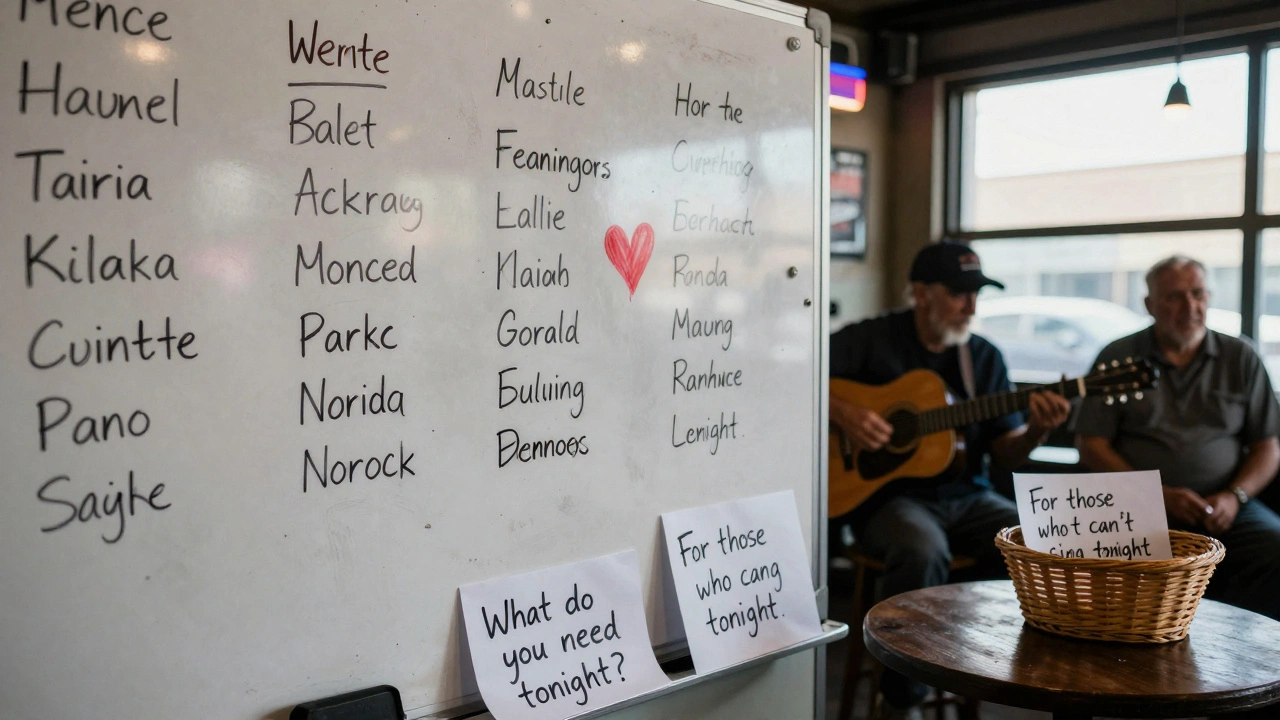
- You write your name on the whiteboard. No song choice yet. Alli asks, “What do you need tonight?” Sometimes it’s joy. Sometimes it’s grief. Sometimes it’s just to feel heard.
- You wait. You listen. You watch strangers become a chorus.
- Your name is called. You walk up. The band plays the intro. No cue. No screen. Just the music. And you sing.
- When you finish, the whole room claps. Not just politely. Loudly. Like they’re thanking you for being brave.
There’s no scoring. No winner. No “best performance.” Just presence. That’s the whole point.
Why It’s Spreading
People fly in for this. Not for the Strip. Not for the casinos. For the stage. A woman from Ohio came twice last year. Said it was the only place she felt like herself. A college student from Germany sent a letter: “I didn’t know singing could be a hug.”
Alli doesn’t advertise. She doesn’t have a website. No Instagram page with filters. Her only “marketing” is word of mouth. And the stories. The ones that get whispered in hotel lobbies. The ones that make people pause, then say, “Wait-there’s a place like that?”
Las Vegas is full of illusions. But this? This is real.
The Band Behind the Movement
Alli’s band isn’t made of hired musicians. It’s made of people who showed up one night and never left. The drummer? A former mechanic who lost his job and started coming to sing. The keyboardist? A retired schoolteacher who learned piano at 62. The bass player? A vet who found peace in rhythm.
They don’t get paid. Not really. Alli collects a basket at the end of the night. Enough to cover rent, gas, and a pizza for the crew. The rest? Goes to a local food bank. Every month, they donate 10% of what they take in. No fanfare. Just a sticky note on the wall: “For those who can’t sing tonight.”
What You’ll Experience
If you go, don’t expect glitter. Don’t expect a stage with lasers. You’ll see a worn rug. A flickering bulb. A sign that says, “Your voice matters here.”
You’ll hear a 15-year-old girl sing “I’m a Woman” like she’s claiming her future. You’ll hear a man in a suit sing “I’m So Lonesome I Could Cry” with tears on his tie. You’ll hear someone sing a song they wrote themselves-and the band will play it like it’s a classic.
You’ll leave not because you had a good night. But because you felt something you forgot you needed.
How to Find It
The venue has no official name. Locals call it “Alli’s Place.” It’s at 1430 East Sahara Avenue, Suite 102. No website. No phone number. Just walk in. Show up. Sing. Stay. The doors open at 7 p.m. every Thursday through Sunday. The band plays until the last voice fades.
You don’t need to be good. You just need to be there.
Do I need to sign up in advance for Alli Starr’s live band karaoke?
No. There’s no reservation system. Just show up between 7 p.m. and 10 p.m. on Thursday through Sunday. Write your name on the whiteboard at the front. You’ll be called in order. If you don’t get to sing that night, your name stays on the list for next time.
Can I bring my own song list or request a specific song?
You can. But Alli’s band doesn’t use a fixed playlist. When you sign up, they ask, “What do you need tonight?” That’s your request. Maybe it’s a song that reminds you of your mom. Maybe it’s something angry. Maybe it’s a song you haven’t sung since you were 16. The band learns it on the spot. They’ve played everything from K-pop to Gregorian chants. If it’s real, they’ll play it.
Is there a cover charge or drink minimum?
No cover charge. No drink minimum. You can order a soda, a beer, or nothing at all. The band believes singing shouldn’t cost money. They do accept donations in a basket at the end of the night-but only to cover basic costs. Any extra goes to a local food bank.
What if I’m too nervous to sing?
You’re not alone. Most people are. The first time, people sit in the back, sip their drinks, and watch. That’s okay. You don’t have to sing. Just be there. Sometimes, hearing someone else sing their truth makes it easier to sing yours next time. The room is quiet. Respectful. No laughter. No judgment. Just space.
Is this only for locals, or can tourists join?
Tourists are welcome. In fact, many come from out of state. People travel from California, Arizona, even Canada just to sing there. The band doesn’t care where you’re from. They care that you showed up. You’ll see passports on the wall-left behind by people who came back again and again.
Can I bring a friend to sing with me?
Yes. Duets are common. Trios too. The band loves harmony. If you want to sing with someone, just sign up together. They’ll adjust the arrangement. One time, a father and daughter sang “Let It Be” together after 10 years apart. The band played it slow. No one spoke for five minutes after it ended.
There’s no grand finale to Alli Starr’s movement. No viral video. No corporate sponsor. Just a room. A band. A microphone. And a quiet promise: your voice belongs here.