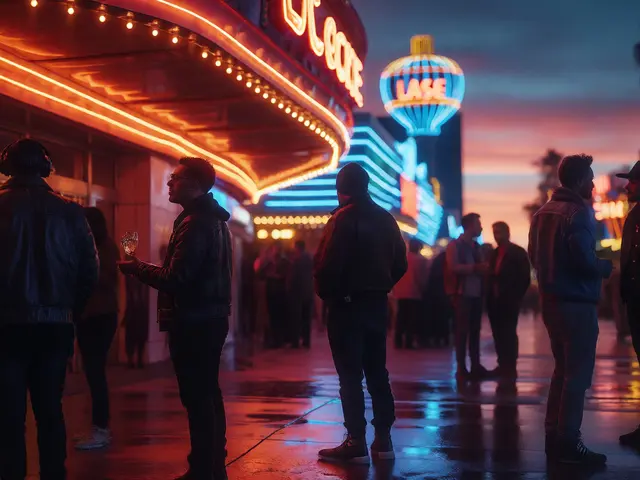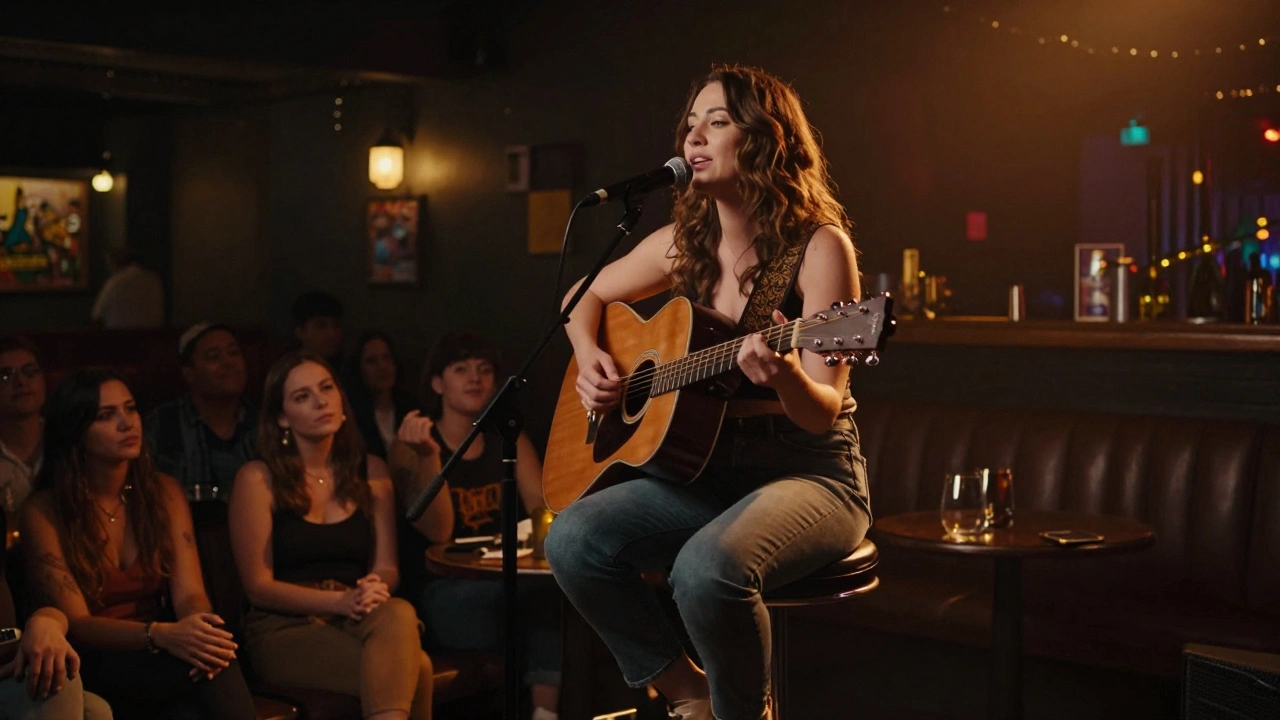
Most performers in Las Vegas treat the city like a conveyor belt. They show up, deliver a set, pack their gear, and head to the next gig. It is a volume game. You play enough shows, you make enough money, and you hope for the best. But Alli Starr, a singer-songwriter known for her raw acoustic style, flipped that script. She built a career not on touring miles, but on staying put. Her approach to Vegas residencies focuses on one specific metric: repeat attendance.
You might wonder how a solo artist with an acoustic guitar competes with massive production numbers and celebrity headliners. The answer lies in audience intimacy. Starr does not just perform; she cultivates a community. This article breaks down exactly how she achieves this, offering a blueprint for any musician looking to build a sustainable, loyal fanbase without burning out on the road.
The Myth of the Touring Grind
The traditional music industry model pushes artists to tour constantly. The logic is simple: more cities mean more ticket sales. However, this model has hidden costs. Travel fatigue, inconsistent sound quality, and fleeting connections with audiences drain energy and revenue. For many indie artists, the math never works out. You spend thousands on gas and hotels only to break even on a weekend of shows.
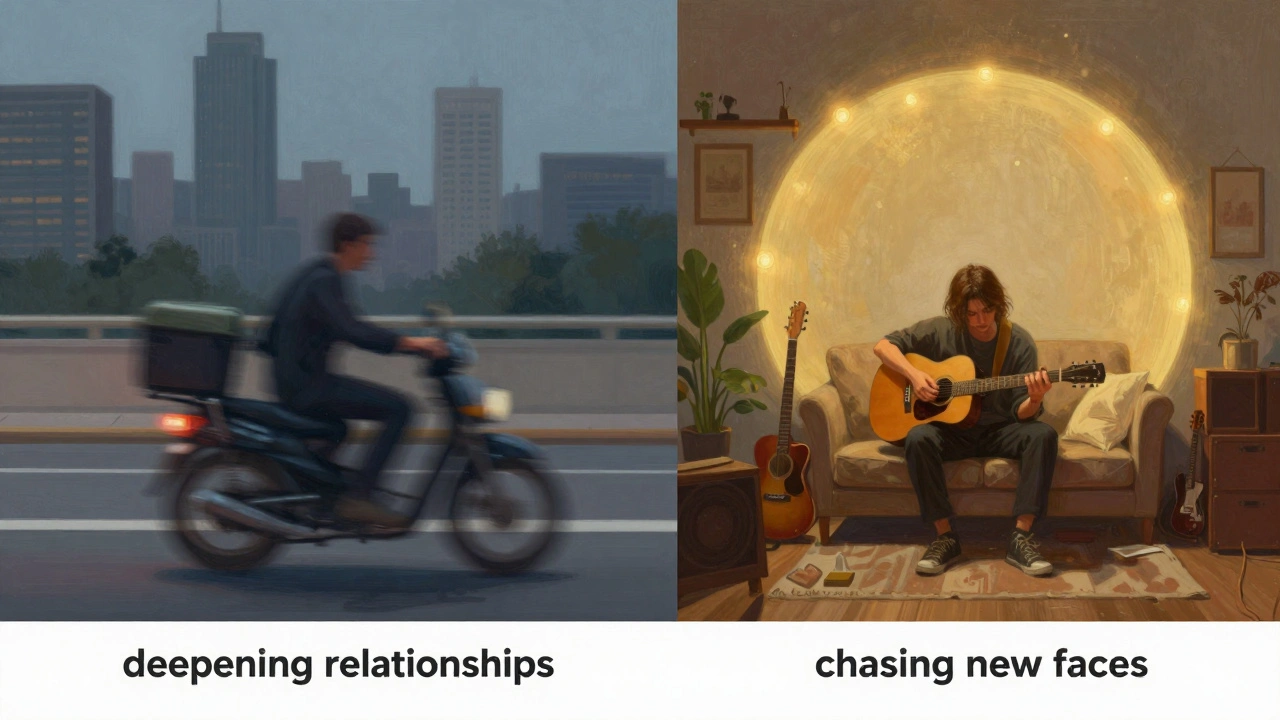
Alli Starr recognized this inefficiency early in her career. Instead of chasing new faces in twenty different towns, she decided to deepen relationships with the people already in her market. By choosing a residency model, she eliminated travel costs and gained stability. This allowed her to focus entirely on the performance and the connection with the room. The result was a higher net income per hour and a significantly lower stress level.
This shift requires a mindset change. You stop viewing every night as a cold call to strangers and start viewing it as a reunion with friends. That subtle difference changes everything about how you prepare, how you sing, and how you interact with the crowd.
Defining Audience Intimacy
Intimacy in a live setting is often misunderstood. It is not just about singing softly or playing in a small club. True audience intimacy is psychological. It is the feeling that the performer sees you, hears you, and includes you in the moment. In a large arena, this is nearly impossible. In a curated residency space, it becomes the primary product.
Starr’s formula relies on three pillars of intimacy:
- Vulnerability: Sharing the stories behind the songs without rehearsed polish. When an artist admits they are nervous or shares a personal failure, the barrier between stage and seat dissolves.
- Consistency: Being present regularly allows fans to witness growth. They see the evolution of the artist over months, not just snapshots from random tour dates.
- Interaction: Asking questions, taking requests, and remembering names. These small acts signal respect and value to the attendee.
When you combine these elements, you create an emotional anchor. Fans do not return because the music is technically perfect; they return because they feel seen. This is the core of Starr’s success in the competitive Las Vegas entertainment scene.
The Mechanics of Repeat Attendance
Getting someone through the door once is marketing. Getting them back is retention. Retention is cheaper and more profitable than acquisition. Alli Starr’s residency formula treats repeat attendance as a design feature, not an accident.
She structures her sets to reward loyalty. Regular attendees know that certain songs will be performed only on specific nights or after specific prompts. This creates a sense of exclusivity. If you miss a night, you miss a unique version of the show. This scarcity drives urgency. Fans start marking their calendars not just for "a concert," but for "that night" when something special happens.
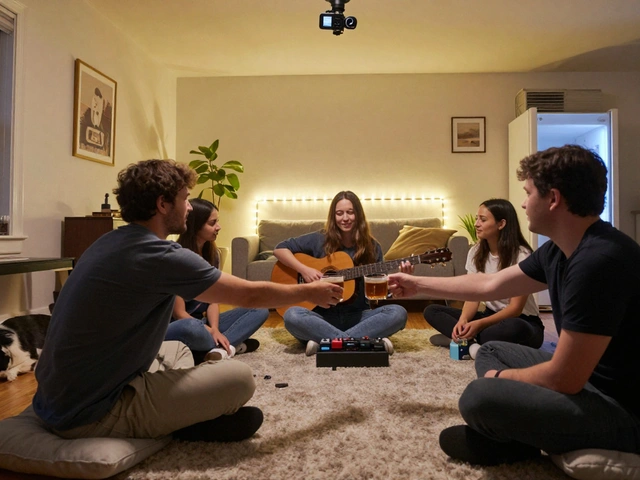
Furthermore, the environment matters. A residency venue should feel like a living room, not a theater. Comfortable seating, good sightlines, and accessible bars encourage longer stays. When guests stay for three hours instead of two, they tip more, buy more drinks, and form deeper memories. These memories become the currency of word-of-mouth marketing.
| Factor | Traditional Touring | Residency Model (Starr Style) |
|---|---|---|
| Audience Connection | Shallow, one-off interactions | Deep, cumulative relationships |
| Cost Structure | High variable costs (travel, lodging) | Low fixed costs, high margin |
| Fan Loyalty | Hard to track, low retention | Easily tracked, high repeat rate |
| Artistic Growth | Static setlists, rushed development | Dynamic sets, iterative improvement |
Building the Community Loop
A residency is not a static event; it is a living ecosystem. Alli Starr nurtures this ecosystem by creating loops of engagement. Before the show, during the show, and after the show, there are touchpoints designed to keep the fan connected.
Before the show, email newsletters offer behind-the-scenes glimpses. Maybe Starr is struggling with a new chord progression or testing a lyric. This invites fans into the creative process. They become stakeholders in the outcome. During the show, she acknowledges regulars by name. This public recognition validates their support and encourages others to aim for that same status. After the show, social media posts tag attendees who shared photos. This extends the experience beyond the venue walls.
This loop turns passive listeners into active participants. They are no longer just consumers of content; they are members of a tribe. This tribal identity is powerful. It leads to fans bringing friends, buying merchandise, and defending the artist online. It is organic growth fueled by genuine affection rather than paid ads.
Practical Steps for Artists
If you want to replicate this success, you do not need to move to Las Vegas. You can apply Starr’s principles anywhere. Here is how to start building your own residency formula:
- Choose Your Home Base: Identify a city where you have some existing traction. Do not pick a place where you are unknown. You need a foundation to build upon.
- Select the Right Venue: Look for spaces under 100 capacity. Prioritize acoustics and vibe over prestige. A cozy coffee shop or a quiet bar corner works better than a loud nightclub.
- Establish a Schedule: Consistency builds habit. Play the same night every month or every other week. Make it predictable so fans can plan around it.
- Curate the Experience: Work with the venue owner to ensure the lighting, sound, and service align with your brand. If you are intimate, the room should feel intimate.
- Track Your Data: Collect emails at the door. Note who comes back. Use this data to personalize your outreach. Send birthday wishes or exclusive offers to your top ten regulars.
Remember, the goal is not to fill every seat with strangers. The goal is to fill half the seats with people who love you, and let them bring the rest. Quality beats quantity every time in the long run.

Overcoming Common Pitfalls
Even with a solid plan, challenges arise. One common mistake is stagnation. Playing the same setlist for six months can bore even the most loyal fans. To combat this, introduce rotating segments. Have a "new song lab" section where you test unreleased material. Invite local musicians for guest spots. Keep the format familiar but the content fresh.
Another pitfall is neglecting the business side. Many artists assume passion pays the bills. It rarely does. Treat your residency like a small business. Track expenses, negotiate fair splits with venues, and invest in marketing. Hire a part-time manager or use affordable tools to automate email campaigns. Professionalism protects your artistry by removing financial stress.
Finally, beware of burnout. Performing weekly is demanding. Protect your voice and your mental health. Take breaks. Delegate tasks. If you collapse, the community collapses with you. Sustainability is key to longevity.
The Future of Live Music
The post-pandemic landscape has shifted listener expectations. People crave connection more than ever. The era of impersonal, transactional concerts is fading. Artists who understand this shift will thrive. Those who cling to outdated touring models will struggle.
Alli Starr’s approach is not just a niche strategy; it is a preview of the future. As technology makes recording easier, the value of live, authentic human interaction rises. Residencies offer that authenticity at scale. They allow artists to maintain their sanity while building wealth and influence.
For fans, this means better experiences. For artists, it means freedom. The formula is simple: show up, be real, and care deeply. Repeat. That is how you turn a gig into a legacy.
What is the main benefit of a residency over touring?
The main benefit is cost efficiency and deeper fan relationships. Residencies eliminate travel expenses and allow artists to build a loyal, repeat audience in one location, leading to higher profit margins and less burnout.
How does Alli Starr define audience intimacy?
She defines it as a psychological connection achieved through vulnerability, consistency, and direct interaction. It is about making each attendee feel seen and valued, turning a performance into a shared experience.
Can I use this formula outside of Las Vegas?
Yes, absolutely. The principles of consistency, community building, and intimate engagement apply to any city. Choose a local venue where you have some presence and commit to a regular schedule.
How do I prevent my residency shows from becoming stale?
Rotate parts of your setlist, introduce new songs regularly, and invite guest performers. Keep the structure familiar but the content dynamic to reward repeat attendees with fresh experiences.
What role does data tracking play in a residency?
Data tracking helps identify your most loyal fans. By collecting emails and noting attendance patterns, you can personalize communication, offer exclusive perks, and drive higher retention rates.