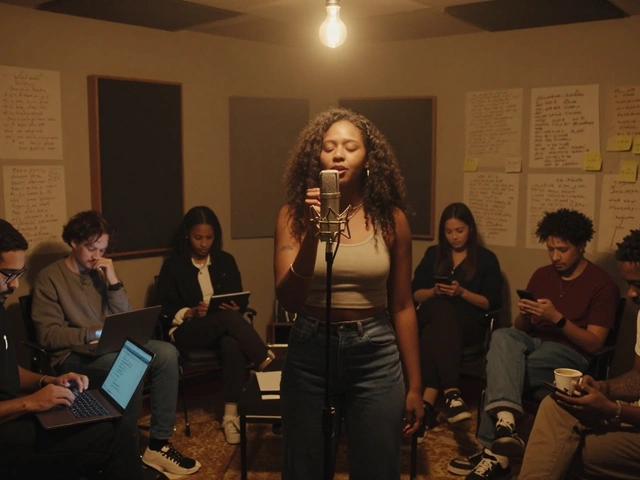
You spent years in the studio. You poured your heart into every melody, lyric, and production detail. Now those tracks are sitting on streaming platforms, earning fractions of a cent per play. It feels like watching money evaporate. But there is another way to make your music work for you. Catalog monetization through sync licensing turns your back catalog into a reliable income stream. For artists like Alli Starr, a singer-songwriter known for her emotive voice and genre-blending style, this isn't just theory-it's a proven strategy.
Sync licensing means placing your music in visual media. Think TV shows, commercials, video games, or movies. When a producer uses your song, they pay a license fee. This can range from a few hundred dollars for indie projects to six figures for major network placements. Unlike streaming royalties, which trickle in slowly, sync deals often provide upfront payments that can change your financial reality overnight.
Understanding the Value of Your Back Catalog
Your back catalog is more than just old songs. It is an asset library. Each track has emotional weight, specific instrumentation, and a unique vibe. Producers search for these exact qualities when scoring scenes. A sad ballad might fit a breakup scene in a drama series. An upbeat indie-pop track could perfect a commercial for a new energy drink. The key is recognizing that your music has utility beyond passive listening.
To maximize value, you need to organize your catalog effectively. Create a searchable database of your tracks. Include metadata such as mood, tempo, instrumentation, and lyrical themes. If a track features a prominent piano solo, note it. If the lyrics are abstract rather than narrative, mark that too. This preparation makes it easier for music supervisors to find exactly what they need. Without clear metadata, even great songs get overlooked.
| Media Type | Typical Fee Range (USD) | Duration Limit |
|---|---|---|
| Indie Film | $500 - $5,000 | Full track or cue |
| TV Commercial | $10,000 - $100,000+ | 30 seconds |
| Streaming Series | $5,000 - $50,000 | Scene length |
| Video Game | $2,000 - $20,000 | In-game loop |
These numbers vary based on exclusivity, territory, and term length. A non-exclusive license for a regional ad campaign will cost less than an exclusive global deal for a major brand. Understanding these variables helps you negotiate better terms. Never undervalue your work because you want the placement. Every dollar counts toward building a sustainable career.
The Role of Music Supervisors
Music supervisors are the gatekeepers of sync opportunities. They work for production companies, advertising agencies, and networks. Their job is to find music that fits the creative vision of a project. They listen to thousands of tracks to find the perfect match. Building relationships with them is crucial for getting your music heard.
How do you connect with these professionals? Start by researching who supervised recent projects you admire. Check credits on IMDb or industry publications like Billboard. Reach out with personalized emails. Don't spam generic playlists. Instead, highlight why a specific track of yours fits their current needs. Mentioning a particular scene or brand aesthetic shows you understand their work. This approach stands out in a crowded inbox.
Networking also happens at industry events. Attend conferences like SXSW, NAMM, or local film festivals. These gatherings bring together creators, supervisors, and label executives. Face-to-face interactions build trust faster than cold emails. Share your story. Explain your artistic process. People remember personalities, not just MP3 files.

Preparing Tracks for Sync Placement
Not every track is ready for sync immediately. Producers often need instrumental versions, stems, or edited cues. Having these alternatives prepared saves time and increases your chances of booking. An instrumental version allows dialogue to shine over the music. Stems give editors flexibility to mix elements separately. Edited cues, such as 30-second intros or outros, fit tight deadlines perfectly.
Create a "sync-ready" folder for each song. Include the full mix, instrumental, acapella, and any significant variations. Label files clearly with BPM and key signature. Use standard naming conventions so supervisors can quickly identify what they need. Chaos in file management leads to missed opportunities. Professionalism in delivery builds reputation.
Consider creating alternate mixes specifically for sync. Sometimes a darker, more atmospheric version works better for thriller scenes. A brighter, stripped-back arrangement might suit a lifestyle commercial. These creative tweaks expand the usability of your original composition. You don't need to rewrite the song; just adjust the production elements to suit different contexts.

Navigating Rights and Contracts
Sync licensing involves two main rights: master recording rights and publishing rights. Master rights belong to the owner of the recording-usually the artist or label. Publishing rights belong to the songwriter(s). Both must be cleared for a sync placement. If you own both, you control the entire process. If others hold shares, you'll need their permission.
Contracts can be complex. Always read the fine print. Pay attention to exclusivity clauses, territory restrictions, and term lengths. A perpetual license grants usage forever, while a limited-term license expires after a set period. Perpetual licenses usually command higher fees but limit future use. Limited terms allow you to re-license the same track later. Choose wisely based on your long-term goals.
Hiring an entertainment lawyer is worth the investment. They ensure you aren't signing away rights you need to keep. They also help negotiate fair compensation. Don't rely on verbal agreements. Everything should be in writing. Protecting your intellectual property is essential for long-term catalog monetization.
Building a Long-Term Strategy
Catalog monetization isn't a one-time event. It's an ongoing effort. Regularly update your portfolio with new releases. Keep older tracks relevant by refreshing metadata. Engage with your audience online. Social media presence attracts brands looking for authentic voices. Consistency builds momentum. Over time, your catalog grows, and so do your opportunities.
Diversify your income streams. Combine sync licensing with performance royalties, mechanical royalties, and direct fan support. Platforms like TuneCore or DistroKid handle digital distribution. PROs like ASCAP or BMI collect performance royalties. Each piece contributes to a holistic revenue model. Relying solely on one source leaves you vulnerable to market changes.
Stay adaptable. The media landscape evolves rapidly. New platforms emerge, consumer habits shift, and technology advances. Embrace these changes. Explore emerging markets like virtual reality experiences or interactive storytelling. Early adopters often secure prime positions before competition intensifies. Being proactive keeps you ahead of the curve.
What is sync licensing?
Sync licensing is the process of granting permission to use a musical composition in visual media, such as films, TV shows, commercials, or video games. It involves negotiating fees for both the master recording and the underlying songwriting rights.
How much does sync licensing pay?
Payments vary widely depending on the project size, exclusivity, and territory. Indie films might pay $500-$5,000, while major TV commercials can offer $10,000 to over $100,000. Streaming series typically fall between $5,000 and $50,000.
Do I need a lawyer for sync deals?
While not legally mandatory, hiring an entertainment lawyer is highly recommended. They help interpret contract terms, negotiate fair compensation, and protect your intellectual property rights from unfavorable clauses.
Can I license my music if I signed with a label?
It depends on your contract. Many labels retain master recording rights, meaning they control sync licensing decisions. Review your agreement carefully. Some contracts allow artists to approve sync placements, while others require label consent.
How do I find music supervisors?
Research credits on IMDb for projects you like. Attend industry events like SXSW or film festivals. Network online via LinkedIn or specialized platforms like MusicSupervisor.com. Personalized outreach highlighting specific track suitability works best.