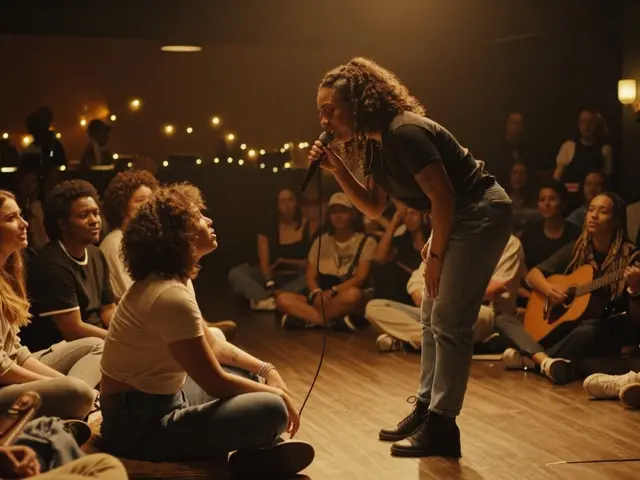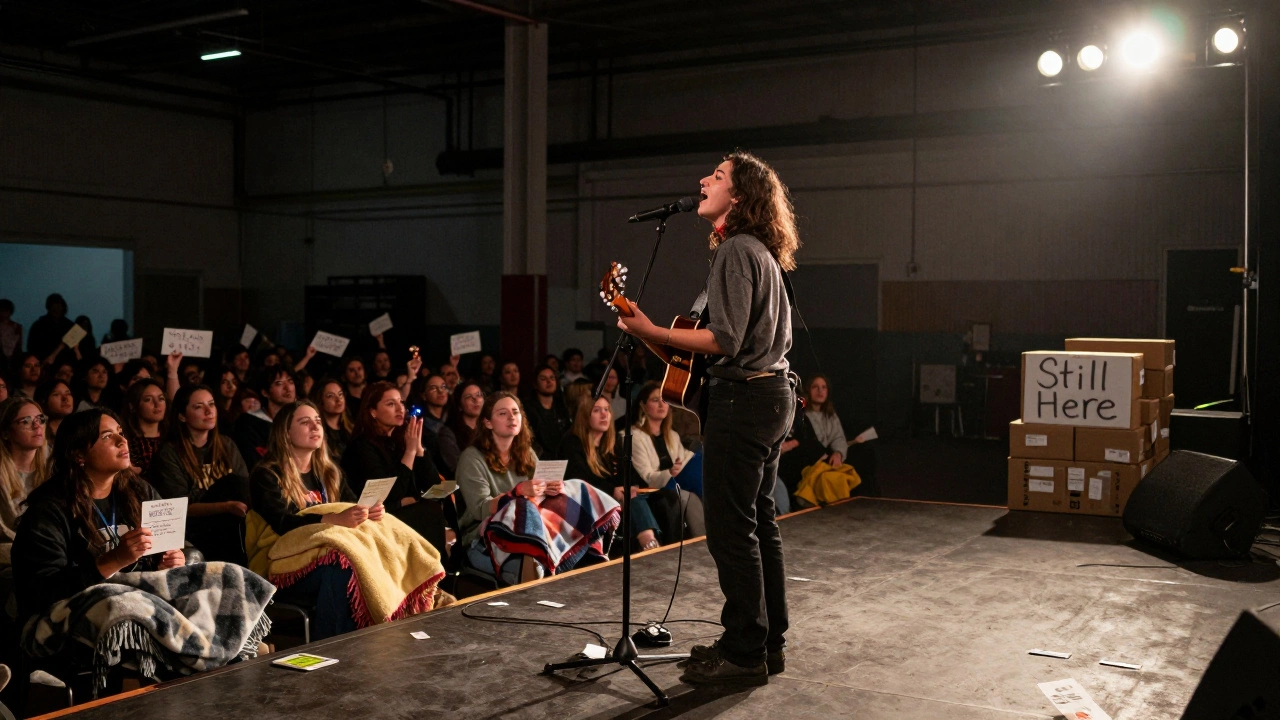
When Alli Starr stepped onto the stage during the 2023 Portland wildfires, she didn’t play her usual set. She turned her microphone toward the crowd and said, “We’re not just here to sing. We’re here because we’re still here.” That night, her concert raised $87,000 for displaced families. It wasn’t her first charity show-but it was the moment people realized she wasn’t just a musician. She was a lifeline.
How a Musician Became a Community Anchor
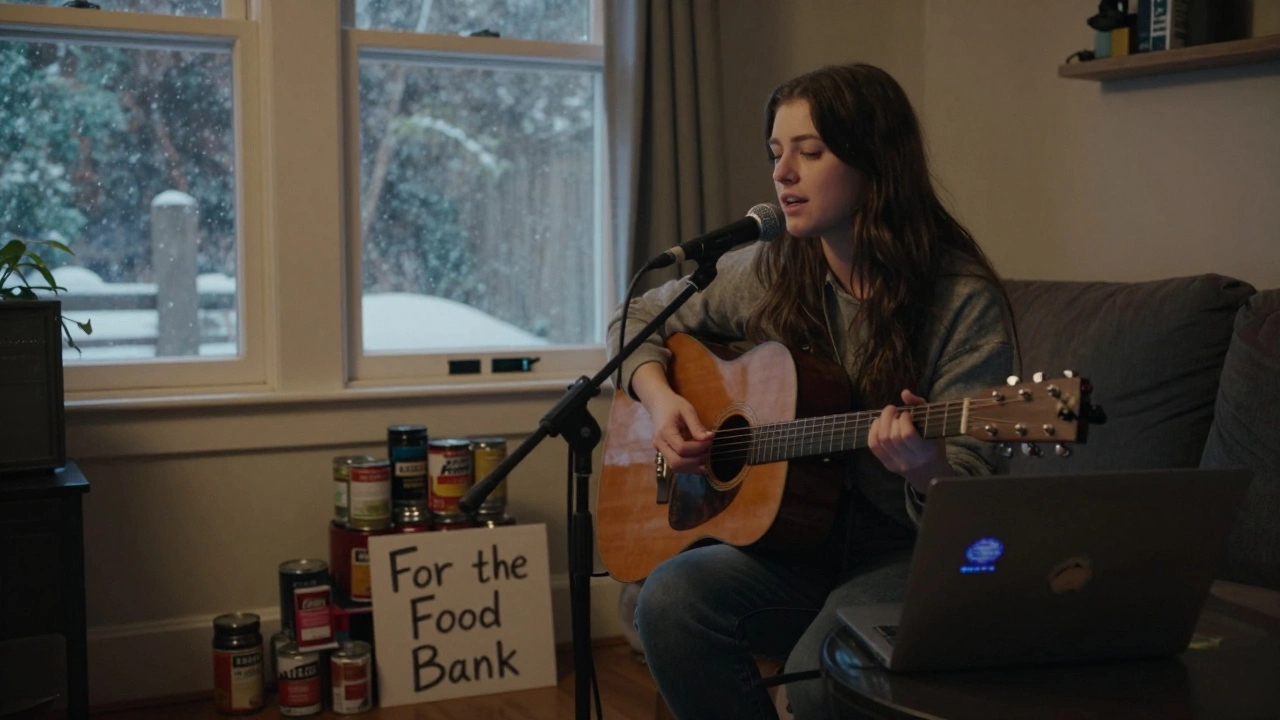
Alli Starr didn’t set out to run nonprofits or organize emergency relief efforts. She started as a singer-songwriter playing open mics in coffee shops around Portland. Her first album, Broken Roads, came out in 2018. It was quiet. Raw. About loss, loneliness, and small acts of courage. People connected. But it wasn’t until 2020, during the pandemic lockdowns, that her role shifted.She began streaming weekly acoustic sessions from her living room. No fancy lights. No audience. Just her, a guitar, and a donation link. Within three weeks, she raised over $120,000 for local food banks. By 2021, she had partnered with five Portland-based organizations to turn her concerts into direct aid events. Each show had a purpose: one night for youth mental health, another for unhoused veterans, another for undocumented families needing legal aid.
What made it work? She didn’t ask people to donate to her. She asked them to donate with her. Her shows became community hubs-not just performances, but gatherings where people shared stories, signed petitions, and walked out with meal vouchers or crisis hotline cards.
The Crisis Stage: When Music Meets Emergency
In 2022, after a series of violent storms flooded neighborhoods in Southeast Portland, Alli organized a 48-hour concert marathon. She didn’t wait for permits or sponsors. She reached out to local musicians, chefs, and therapists. The event, called Still Here: Music for the Flooded, took place in a repurposed warehouse. No tickets. No VIP section. Just food, shelter info, and live music from 17 artists.They served 3,200 meals. Distributed 1,100 hygiene kits. Connected 212 people with housing counselors. And yes-they played through the night. Alli sang until 4 a.m., her voice hoarse, her feet swollen. Someone filmed it. The video went viral. Not because it was polished. Because it was real.
Other artists started asking her how she did it. She didn’t have a playbook. She had a simple rule: If you’re not helping someone walk out better than they walked in, you’re just performing.
Charity Nights That Actually Work
Alli’s charity nights aren’t flashy galas with silent auctions. They’re stripped down. Honest. Each event follows a clear structure:- Before the show: Partner with a local nonprofit. Set a measurable goal (e.g., “Raise enough to fund 50 therapy sessions”).
- During the show: No sales tables. No branded merchandise. Instead, volunteers hand out printed cards with QR codes linking directly to the cause’s donation page.
- After the show: Publish a transparent breakdown: how much was raised, who it helped, and what’s next. No vague thank-yous.
Her 2024 event for teen suicide prevention raised $142,000. The nonprofit reported a 40% increase in calls after the concert. Alli didn’t claim credit. She just shared their data.
She also started a rule: no celebrity guests unless they’ve volunteered locally for at least six months. One pop star showed up with a luxury SUV and a PR team. Alli politely asked them to leave. “We’re not here for your brand,” she said. “We’re here for the kids.”
Why This Approach Sticks
Most artists who do charity work treat it like a side project. Alli made it her core mission. She cut her touring schedule in half. She turned down a major label deal because they wanted her to “focus on music.” She said, “My music is the tool. The impact is the point.”Her fanbase didn’t shrink-it grew. Not because she was perfect, but because she was consistent. People trusted her. They knew if she said she’d help, she’d show up-with a van full of supplies, a guitar, and no agenda except listening.
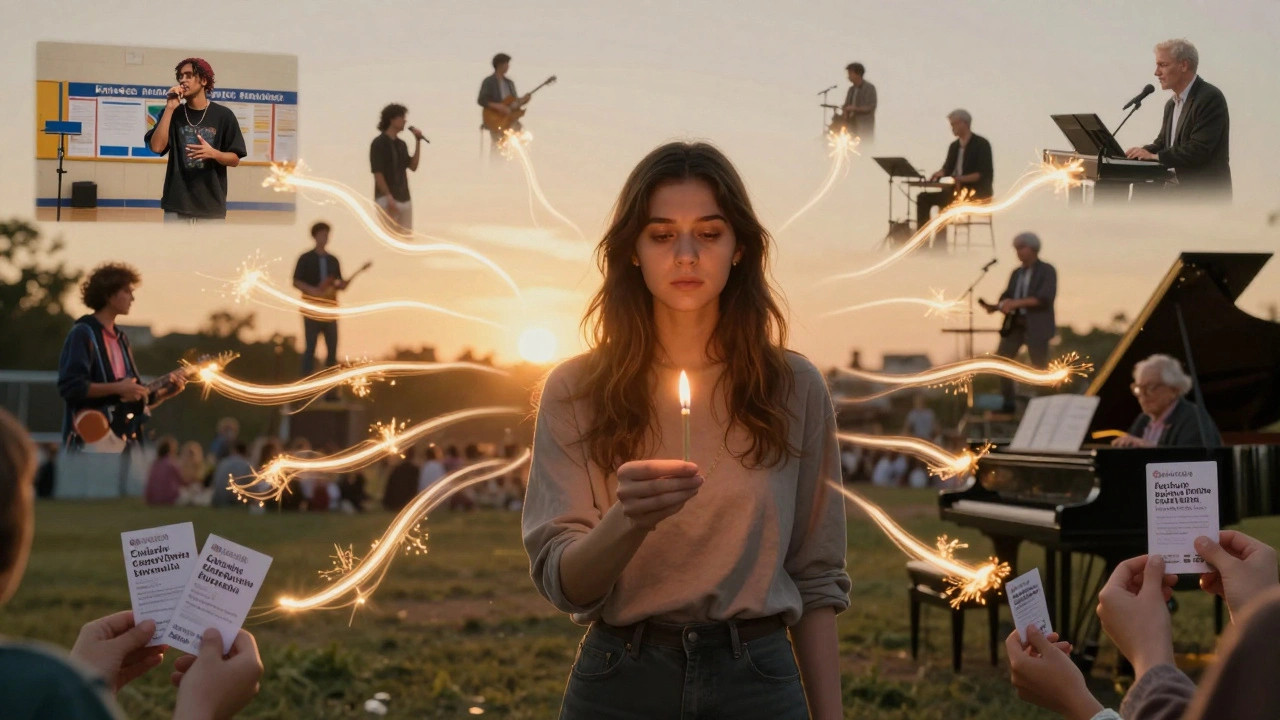
She also started training other artists. Every quarter, she hosts a free workshop called Sound of Service. Over 200 musicians have gone through it. One of them, a rapper from Gresham, now runs monthly open mics at a juvenile detention center. Another, a jazz pianist, plays weekly at a senior care home. Alli didn’t create a movement. She lit matches-and let others build the fire.
What Happens When Music Becomes a Lifeline
In 2025, the Portland City Council officially recognized Alli Starr’s work with a public commendation. The citation read: “For transforming performance into service, and sound into sanctuary.”She didn’t accept it in person. She sent a video message from a rural Oregon clinic, where she was helping organize a music therapy program for trauma survivors. “I’m not a hero,” she said. “I’m just someone who showed up when others couldn’t.”
Her impact is measurable. Since 2020, her initiatives have:
- Raised over $1.2 million for local nonprofits
- Provided 18,000 meals to people in crisis
- Connected 3,400+ individuals with mental health, housing, or legal support
- Trained 200+ artists in community-led charity work
But numbers don’t tell the whole story. There’s the teenager who told her, “I almost didn’t make it to graduation. Then I heard you sing at the shelter.” Or the veteran who said, “I haven’t slept through the night in 12 years. Last week, I did-because I listened to your song.”
Can Any Artist Do This?
You don’t need a huge following. You don’t need a record deal. You don’t even need to be famous. Alli’s model works because it’s simple:- Find one local issue that moves you.
- Use your art to draw attention to it-not yourself.
- Partner with people who already do the work.
- Be transparent. Be humble. Show up again, and again, and again.
She’s not a nonprofit founder. She’s not a politician. She’s a musician who chose to let her voice do more than entertain. And that’s what makes her impact unforgettable.
How did Alli Starr start her charity work in music?
Alli Starr began her charity work during the pandemic lockdowns in 2020 by hosting weekly livestreamed acoustic sessions from her living room. She included a donation link for local food banks. What started as a personal gesture grew into a full-scale effort after she raised over $120,000 in three weeks. From there, she began partnering with community organizations to turn each concert into a direct aid event, focusing on mental health, housing, and emergency relief.
Does Alli Starr keep any of the money raised from her charity concerts?
No. Alli Starr does not keep any portion of the funds raised at her charity events. Every dollar goes directly to the partnered nonprofit organization. She covers her own expenses-travel, equipment, staff-through personal savings and occasional small grants. Her goal is to ensure that every dollar donated helps someone in need, not to profit from the cause.
What makes Alli Starr’s approach different from other artist-led charity efforts?
Unlike many artists who use charity as a PR tool, Alli Starr prioritizes impact over exposure. She avoids branded merchandise, celebrity appearances, and polished fundraising campaigns. Instead, she focuses on transparency, direct community partnerships, and long-term engagement. Her events are low-key, emotionally honest, and designed to serve-never to sell. She also trains other musicians to do the same, creating a ripple effect beyond her own shows.
Can small-town musicians replicate Alli Starr’s model?
Absolutely. Alli’s model doesn’t require fame or big budgets. It starts with one local issue, one honest performance, and one trusted partner. A musician in a rural town could host a single acoustic night to raise funds for a local food pantry. The key is consistency, transparency, and humility-not scale. Many artists who’ve gone through her Sound of Service workshops started with just a guitar and a Facebook event-and grew from there.
Has Alli Starr received any formal recognition for her work?
Yes. In 2025, the Portland City Council issued a formal commendation recognizing her contributions to community resilience through music. She was also named a 2024 Oregon Arts Hero by the Oregon Arts Commission. But she rarely accepts public awards. When she does, she uses the platform to highlight the people she works with-not herself.